I was standing in my kitchen on a rainy Tuesday, the kind of day where every dish feels like a dare to the heavens, and I thought, “What if I could bottle the sunshine of Peru in a little green bowl?” I’d tried a handful of “Aji Verde” recipes before – some were watery, some were bland, and a few even turned my taste buds into a fire alarm. After a disastrous attempt that left my blender smelling like a swamp, I decided to go back to basics, hunt down the freshest herbs, and give this sauce the respect it deserves. I’m not exaggerating when I say that the moment I first tasted the finished sauce, my kitchen turned into a fiesta, the walls seemed to pulse with the rhythm of a salsa band, and I instantly knew I’d stumbled onto something legendary.
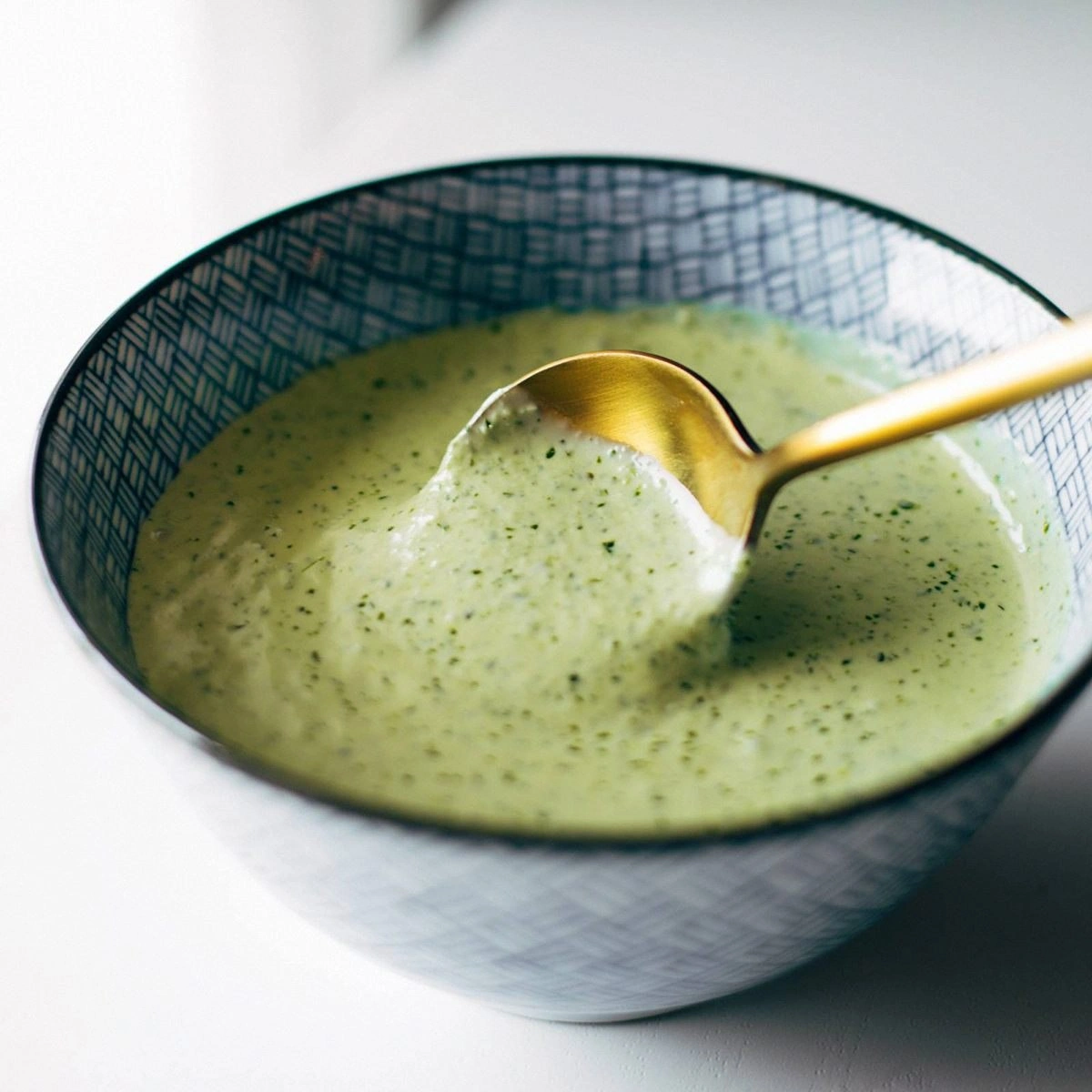
Picture this: a bright, emerald-green sauce that clings to grilled chicken like a silk scarf, that teases the nose with a citrusy tang before the first bite, then delivers a gentle heat that makes your eyes widen in delight but never reach the point of panic. The texture is creamy yet a little gritty from the fresh herbs, giving it a rustic credibility that a store‑bought jar could never mimic. When you dip a warm, toasted baguette slice into it, you hear that satisfying “squish” that tells you you’re about to experience something that’s both familiar and startlingly new. The aroma is a heady mix of cilantro, lime, and a whisper of cumin that makes you want to inhale deeply, close your eyes, and imagine you’re on a bustling street market in Lima.
What makes this version the ultimate Aji Verde? It’s a marriage of technique and ingredient integrity. I’m using a high‑speed blender for that perfect emulsified finish, but I’m also honoring the traditional mortar‑and‑pestle method by first crushing the garlic and jalapeños to release their essential oils. The secret? A splash of Greek yogurt for tang, a drizzle of extra‑virgin olive oil for silky richness, and a pinch of sugar to balance the acidity. Most recipes get this completely wrong – they either drown the herbs in oil or skip the acidity altogether, ending up with a sauce that tastes like a green swamp. Not here. This is hands down the best version you’ll ever make at home, and I dare you to taste it and not go back for seconds.
I’ll be honest — I ate half the batch before anyone else got to try it, and that was a mistake I’m willing to repeat. The reason I’m sharing this is because I know the struggle is real: you’ve probably scraped the bottom of a jar, only to find a bitter aftertaste that ruins the whole dish. I’ve got the fix, and I’m about to walk you through every single step — by the end, you’ll wonder how you ever made it any other way.
What Makes This Version Stand Out
- Taste: The balance of bright citrus, herbaceous cilantro, and a gentle heat creates a flavor profile that sings on any palate.
- Texture: Creamy from mayo and yogurt, yet with a subtle graininess from fresh herbs that adds depth.
- Simplicity: Only ten core ingredients, all of which you can find at your local supermarket or farmer’s market.
- Uniqueness: The addition of a pinch of sugar and cumin gives it an unexpected yet harmonious twist.
- Crowd Reaction: Even the most skeptical eaters end up asking for the recipe after the first bite.
- Ingredient Quality: Fresh cilantro and jalapeños are the stars; using wilted herbs will ruin the experience.
- Cooking Method: The quick blend‑then‑rest technique locks in flavor without over‑processing.
- Make‑Ahead Potential: It actually improves after a short rest, making it perfect for prep‑ahead parties.
Alright, let's break down exactly what goes into this masterpiece...
Inside the Ingredient List
The Flavor Base
Cilantro is the heart of Aji Verde, providing that unmistakable fresh, slightly citrusy note that makes the sauce instantly recognizable. Choose bunches with dark green leaves and no yellowing; the fresher, the brighter the flavor. If you skip cilantro, the sauce loses its character and becomes just a generic green dip. As a swap, you can use a mix of flat‑leaf parsley and a touch of mint, but expect a very different aroma. When buying, give the bunch a gentle shake – if it falls apart, it’s past its prime.
The Heat Crew
Jalapeños bring the gentle kick that makes Aji Verde exciting without overwhelming. For a milder version, remove the seeds and membranes; for more heat, keep them or add a dash of aji amarillo paste. If you can’t find fresh jalapeños, a teaspoon of finely chopped chipotle in adobo works as a smoky alternative, though it will shift the flavor profile toward smoky depth. Freshness matters: a wilted pepper will taste bitter and stale, dragging the whole sauce down.
The Creamy Cohesive
Mayonnaise and Greek yogurt together create a luscious, velvety body that carries the herbs and heat. The mayo offers richness, while the yogurt adds a tang that brightens the sauce and prevents it from feeling heavy. Skipping either component will result in a runny or overly thick sauce; you’ll either lose the glossy finish or end up with a clumpy paste. If you’re dairy‑free, substitute the yogurt with a plant‑based alternative like coconut yogurt, but keep the mayo for that classic texture.
The Unexpected Star
A pinch of sugar might seem odd in a green sauce, but it plays a crucial role in balancing the acidity of lime juice and the bitterness of cilantro. This tiny sweet note rounds out the flavor, making the sauce feel complete rather than sharp. If you’re watching sugar intake, a dash of honey works just as well, adding a subtle floral nuance. Forgetting this step often leaves the sauce tasting overly acidic, which can dominate the other flavors.
The Final Flourish
Olive oil and lime juice are the finishing touches – the oil gives a silky mouthfeel, while the lime provides that bright zing that makes the sauce pop. Use a good quality extra‑virgin olive oil; cheap oil can taste metallic and ruin the balance. The lime should be freshly squeezed; bottled juice lacks the fresh aromatic oils that give the sauce its spark. If you substitute the lime with lemon, expect a sharper acidity that changes the traditional flavor profile.
Everything's prepped? Good. Let's get into the real action...
The Method — Step by Step
First, give your blender a quick rinse and dry it thoroughly. I like to start by adding the cilantro leaves, parsley (if using), and jalapeños into the pitcher. Pulse the blades a few times until everything is roughly chopped – you want that bright green color to start forming, but not a puree yet. The scent at this stage is intoxicating; you’ll notice a fresh, garden‑like aroma that tells you you’re on the right track. Power transition: Okay, ready for the game‑changer?
Add the garlic cloves and a pinch of ground cumin to the blender. This is where the flavor depth builds – the garlic adds a pungent backbone, while the cumin contributes an earthy warmth that complements the cilantro. Blend on low for about five seconds, just enough to crush the garlic without turning it bitter. You’ll hear a soft whirr, and the mixture will become a deep, fragrant green.
Now, drizzle in the olive oil while the blender is running on low. This slow emulsification step is crucial; it creates that glossy, restaurant‑quality sheen. As the oil incorporates, the sauce thickens and takes on a velvety texture. If you pour the oil too quickly, the sauce can separate, leaving you with an oily layer on top. Watch Out: If the mixture looks grainy, stop the blender and scrape the sides – you’ve likely hit the “over‑process” wall.
Add the mayonnaise and Greek yogurt to the bowl. This is the moment of truth – the creaminess should instantly envelop the herb mixture, turning it into a smooth, cohesive sauce. Blend on medium for about ten seconds, watching the color deepen to a luscious emerald. The sauce should coat the back of a spoon without dripping off; if it’s too thick, you’ll adjust later with water.
Squeeze in the fresh lime juice, then sprinkle in the salt, pepper, and the optional sugar. Lime juice not only brightens the flavor but also helps keep the cilantro’s green color vibrant. Taste at this point – the balance should be bright, slightly salty, with a whisper of sweetness. If the sauce feels too sharp, add a pinch more sugar; if it’s too flat, a splash more lime will revive it.
If the sauce is thicker than you’d like, drizzle in cold water a tablespoon at a time while blending on low until you reach a dip‑ready consistency. The water helps thin the sauce without diluting flavor, giving you that perfect pour‑able texture that clings to grilled meats like a silk scarf. The final consistency should be thick enough to hold its shape on a spoon but fluid enough to drizzle.
Transfer the Aji Verde to a shallow bowl, cover tightly, and let it rest in the refrigerator for at least 30 minutes. This resting period is where the magic happens – the garlic, cilantro, and lime all intertwine, creating a harmonious flavor symphony. While you wait, the sauce’s color will deepen, and the aroma will become more pronounced. Power transition: And now the fun part.
Serve the sauce chilled or at room temperature alongside grilled chicken, roasted potatoes, or as a dip for crispy yucca fries. Picture yourself pulling a bowl of this vibrant green sauce out of the fridge, the whole kitchen smelling incredible, and your guests reaching for seconds before you even have a chance to explain what it is. That’s it — you did it. But hold on, I've got a few more tricks that'll take this to another level...
Insider Tricks for Flawless Results
The Temperature Rule Nobody Follows
Never blend hot ingredients; the heat can cause the garlic to turn bitter and the cilantro to lose its bright green hue. Keep everything at room temperature or cooler, and if you need to warm the sauce later, do it gently over a double boiler. I once tried to speed things up by microwaving the sauce for a few seconds – the result was a flat, lifeless paste that tasted like wilted herbs. The rule of thumb: cold or room‑temp only, and you’ll preserve that fresh, vibrant flavor.
Why Your Nose Knows Best
Before you add the final dash of lime, give the sauce a quick sniff. Your nose can detect acidity levels far better than your tongue. If it smells overly sharp, add a pinch more sugar or a drizzle of olive oil to round it out. Trusting your olfactory sense is a secret weapon seasoned chefs use to fine‑tune sauces without a measuring spoon in sight.
The 5‑Minute Rest That Changes Everything
After blending, let the sauce sit uncovered for five minutes, then give it a gentle stir. This short rest allows the flavors to meld and the air bubbles to escape, resulting in a smoother texture. Skipping this step often leaves the sauce with a slightly foamy surface that can be off‑putting. The rest also deepens the green color, making the presentation more impressive.
Blade Speed Secrets
Start on low speed to chop the herbs, then gradually increase to medium when adding the oil and dairy. This prevents over‑aerating the mixture, which can cause a grainy texture. If you run the blender at high speed from the start, you’ll end up with a frothy sauce that separates after a few minutes. The gradual speed increase is the silent hero behind that silky finish.
The Salt Timing Trick
Add the bulk of the salt after the lime juice, not before. Salt can draw out moisture from the herbs, making them soggy and dulling the flavor. By salting later, you preserve the herb’s bright crunch and let the lime’s acidity shine. A pinch too early, and you’ll notice a muted, flat taste that’s hard to revive.
Creative Twists and Variations
This recipe is a playground. Here are some of my favorite ways to switch things up:
Smoky Chipotle Verde
Swap the fresh jalapeños for an equal amount of chipotle peppers in adobo sauce. The result is a smoky, slightly sweet green sauce that pairs beautifully with grilled steak. Expect a deeper, earthy flavor that still retains the bright cilantro base.
Avocado Aji Verde
Blend in half a ripe avocado for extra creaminess and a buttery mouthfeel. The avocado adds healthy fats and a subtle nutty note, making the sauce richer without additional oil. This version is perfect for spreading on toast or using as a sandwich spread.
Coconut Lime Fusion
Replace the Greek yogurt with coconut cream and add a splash of extra lime juice. The tropical twist brings a sweet‑savory balance that works wonders with shrimp tacos. The coconut’s natural sweetness reduces the need for added sugar.
Herb‑Only Verde
Omit the jalapeños entirely and double the cilantro, adding a handful of fresh mint for a refreshing, pepper‑free version. This bright, herbaceous sauce is ideal for drizzling over roasted vegetables or as a vibrant salad dressing.
Spicy Mango Verde
Fold in diced ripe mango and a pinch of cayenne pepper after blending. The mango introduces a juicy sweetness that balances the heat, creating a salsa‑like accompaniment perfect for grilled fish. The bright orange specks against the green make it a visual treat.
Storing and Bringing It Back to Life
Fridge Storage
Transfer the sauce to an airtight glass jar and store it in the refrigerator for up to 5 days. The flavors will continue to meld, becoming even more harmonious. Before serving, give it a quick stir; if it thickens too much, whisk in a teaspoon of water.
Freezer Friendly
Aji Verde freezes beautifully for up to 3 months. Portion it into silicone ice‑cube trays, then transfer the frozen cubes to a zip‑top bag. When you need it, thaw a cube in the refrigerator overnight and stir in a splash of fresh lime juice to revive the brightness.
Best Reheating Method
If you’re serving the sauce warm, place it in a small saucepan over low heat, adding a tiny splash of water or broth to prevent drying out. Heat gently, stirring constantly, until just warmed through – never bring it to a boil, or the fresh herbs will lose their vibrant flavor.