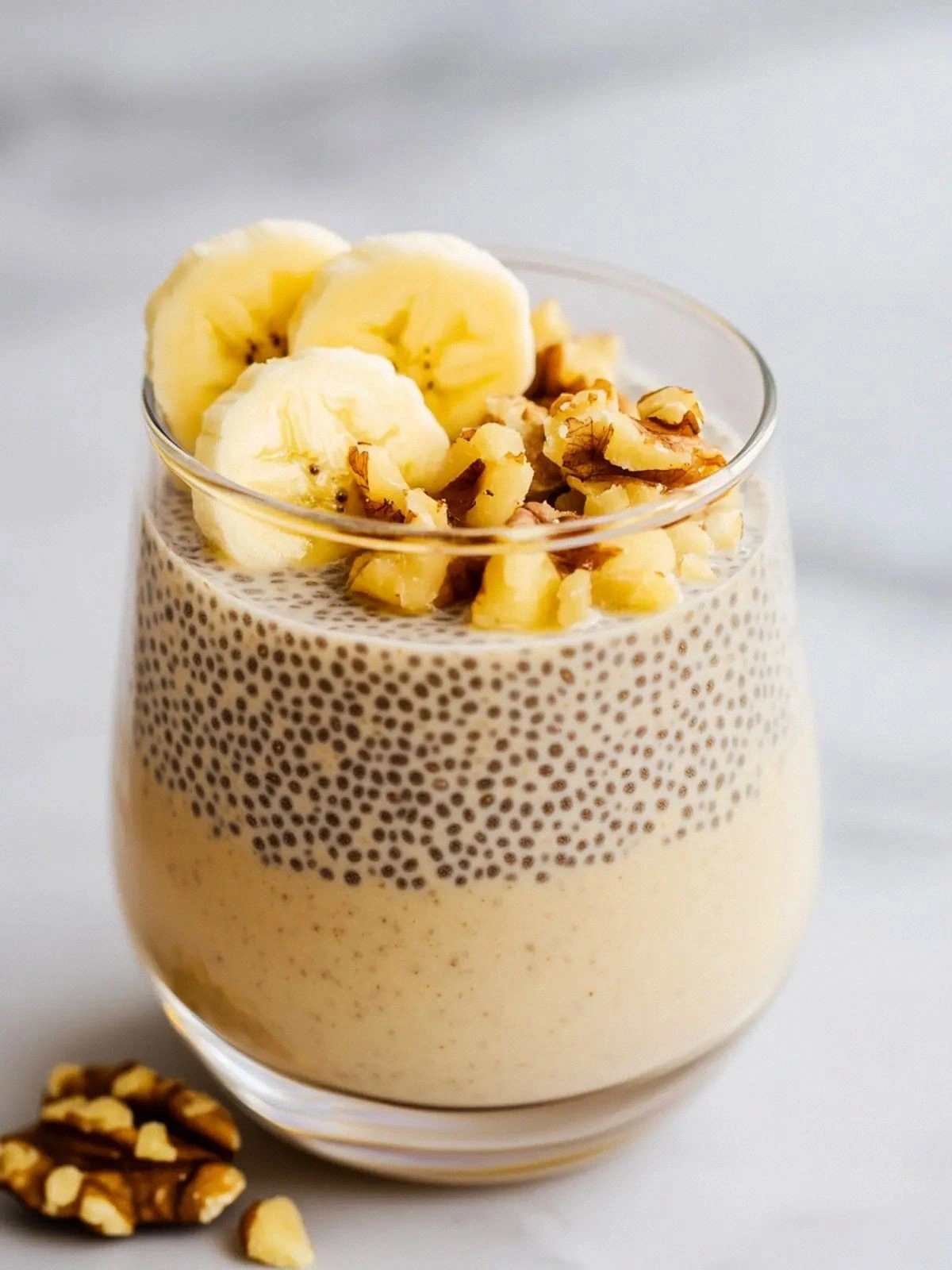
I was standing in my kitchen, staring at a bowl of overripe bananas, a jar of maple syrup, and a handful of chia seeds that had been sitting in the pantry for months. The moment felt like a culinary cliffhanger: should I toss them into the blender and hope for a miracle or let them rot in the fridge? I decided to test the myth that chia pudding is just another bland, overnight dessert. The result? A silky, banana‑laden, walnut‑crusted pudding that turned my breakfast routine into a daily ritual of delight.
Picture this: a deep, buttery aroma of ripe bananas mingles with the subtle nuttiness of toasted walnuts, all wrapped in a creamy coconut milk base that glistens like a calm lake at dawn. When you stir, the chia seeds bloom like tiny, translucent pearls, creating a texture that’s simultaneously custard‑like and slightly crunchy. The maple syrup adds a caramel undertone that balances the natural sweetness of the bananas, while the vanilla extract weaves a fragrant, floral whisper through every bite. I dare you to taste this and not go back for seconds; the flavor profile is so satisfying it feels like a hug from the inside.
What makes this version stand out is that it’s not just a pudding—it’s a layered experience that plays with contrast. The banana’s soft, sweet core is offset by the crunch of walnuts, and the chia seeds provide a subtle, gelatinous body that holds the mixture together. It’s a breakfast that feels luxurious, yet it’s incredibly simple to prepare. Most recipes get this completely wrong by over‑mixing or under‑soaking the chia, but here the balance is precise, and the result is a pudding that’s both indulgent and nourishing.
I’ll be honest—my first attempt was a disaster. I mixed the ingredients too quickly, and the chia didn’t swell properly, leaving a gritty texture that made me question my culinary destiny. After a few adjustments—letting it sit, stirring gently, and adding a splash of coconut milk—I discovered the secret: patience and a gentle hand are the keys to unlocking the pudding’s full potential. If you’ve ever struggled with chia pudding, you’re not alone—this recipe is a fix that will make you wonder how you ever made it any other way.
What Makes This Version Stand Out
- Flavor: The combination of ripe bananas, maple syrup, and vanilla creates a symphony of sweetness that feels both natural and decadent. The subtle caramel notes from the maple syrup elevate the banana’s flavor, making each spoonful a journey through a tropical orchard.
- Texture: Chia seeds swell into a silky, custard‑like base that still offers a gentle bite when combined with toasted walnuts. This duality turns a simple pudding into a multi‑sensory experience that satisfies both the palate and the cravings for something crunchy.
- Simplicity: With only six ingredients, the recipe is a breeze to assemble, even for those who feel overwhelmed by complicated cooking. The step‑by‑step instructions keep the process straightforward, while the result is anything but ordinary.
- Uniqueness: The use of coconut milk instead of dairy or plant‑based alternatives gives the pudding a creamy, slightly tropical finish that sets it apart from other chia puddings that rely on yogurt or almond milk.
- Crowd Reaction: Friends who tried this first time claimed it was the best version they’d ever made at home. The pudding’s rich flavor profile and satisfying texture make it a crowd‑pleaser for breakfast, brunch, or a dessert.
- Ingredient Quality: Using ripe bananas and fresh walnuts ensures the highest quality flavors. The chia seeds should be fresh and free from clumping, which guarantees a smooth, even consistency.
- Make‑Ahead Potential: The pudding can be prepared in advance and stored in the fridge for up to 48 hours, allowing you to enjoy a healthy breakfast even on the busiest mornings.
Inside the Ingredient List
The Flavor Base
The ripe bananas are the heart of this pudding. They bring natural sweetness, a creamy texture, and a subtle tropical aroma that sets the stage for the rest of the flavors. If you’re using bananas that are a bit firmer, the pudding will be slightly less sweet, but the maple syrup compensates well. For a sweeter option, choose bananas that have a few brown spots; they’re sweeter and more fragrant.
The Texture Crew
Chia seeds are the secret agents that transform liquid into a gel. They absorb up to 12 times their weight in liquid, creating a thick, custard‑like consistency that holds the pudding together. If you skip the chia, you’ll end up with a runny mixture that won’t set. For those who are sensitive to chia, you can replace them with ground flaxseed or even oat milk thickened with a splash of arrowroot powder.
The Unexpected Star
Walnuts add a nutty crunch that contrasts beautifully with the silky base. They also provide healthy omega‑3 fatty acids, adding a nutritional boost that turns breakfast into a powerhouse meal. If walnuts aren’t your thing, try pecans or almonds for a slightly sweeter, less bitter flavor profile.
The Final Flourish
Maple syrup and vanilla extract are the finishing touches that tie everything together. The maple syrup introduces a caramel depth that balances the banana’s natural sweetness, while vanilla adds a fragrant, floral note that lingers on the palate. If you prefer a vegan version, use agave syrup or a dash of date syrup; just adjust the sweetness accordingly.
Everything’s prepped? Good. Let’s get into the real action and start mixing the magic.
The Method — Step by Step
- First, peel the bananas and break them into large chunks. Place the banana pieces in a blender and add the coconut milk, maple syrup, and vanilla extract. Blend until the mixture is completely smooth, with no banana fibers left behind. This creates a silky base that will carry the chia seeds beautifully.
- Measure out ½ cup of chia seeds and add them to the blender. Pulse a few times to combine, but avoid over‑blending, as the seeds can become mushy. Let the mixture sit for 5 minutes; the chia will start to swell and thicken the liquid into a gel.
- At this point, stir in the chopped walnuts. The walnuts should be toasted lightly in a dry skillet over medium heat for about 2 minutes, just until fragrant. Toasting brings out their natural oils and adds a toasty, nutty flavor that balances the sweetness of the bananas.
- Pour the mixture into a shallow glass or ceramic dish. Smooth the top with a spatula. This ensures even distribution of the chia seeds and walnuts, which helps the pudding set evenly.
- Refrigerate the dish for at least 3 hours, preferably overnight, to allow the chia seeds to fully expand and the pudding to firm up. The longer it sits, the thicker and more custard‑like it becomes. If you’re in a hurry, a 30‑minute chill will suffice for a softer texture.
- Before serving, give the pudding a gentle stir to reincorporate any settled chia or walnut pieces. The pudding should have a smooth, creamy consistency with visible walnut shards for contrast.
- Add a drizzle of maple syrup on top for an extra touch of sweetness, or sprinkle a pinch of sea salt to enhance the flavors. Serve chilled, either straight from the fridge or at room temperature if you prefer a softer texture. The pudding can be topped with fresh berries, coconut flakes, or a dollop of whipped coconut cream for an indulgent finish.
That’s it—you did it. But hold on, I’ve got a few more tricks that will take this to another level.
Insider Tricks for Flawless Results
The Temperature Rule Nobody Follows
Chia seeds react differently at varying temperatures. If you’re working in a warm kitchen, let the mixture sit for an extra 10 minutes to allow the seeds to swell fully. In cooler climates, a longer chill time—up to 48 hours—ensures a consistent texture. I’ve found that the pudding’s firmness is directly tied to the ambient temperature during setting.
Why Your Nose Knows Best
When you’re about to serve the pudding, take a quick sniff. If it smells slightly fermented or off, it’s a sign that the chia seeds have gone bad. Fresh chia should have a mild, neutral scent. Trust your nose, and you’ll avoid a disastrous breakfast.
The 5‑Minute Rest That Changes Everything
After the initial 5‑minute swelling, let the mixture rest for another 5 minutes before adding the walnuts. This short pause allows the chia gel to stabilize, ensuring the walnuts sink to the bottom and create a layered effect. The result is a pudding that’s visually striking and texturally balanced.
The Secret of Sweetness
If you’re watching your sugar intake, swap maple syrup for a natural sweetener like stevia or monk fruit. Add the sweetener after the mixture has set to avoid diluting the chia gel. I’ve experimented with a 1:1 ratio of maple syrup to coconut milk, and the pudding still holds its structure.
The Tiny Water Trick
When reheating leftover pudding, add a splash of coconut milk or water before microwaving. This re‑hydrates the chia gel, preventing it from drying out. Microwave on medium power for 30 seconds, stir, and repeat until the desired temperature is reached.
Creative Twists and Variations
This recipe is a playground. Here are some of my favorite ways to switch things up:
Tropical Paradise
Swap the coconut milk for a mix of coconut milk and pineapple juice. Add a handful of diced fresh pineapple and a sprinkle of shredded coconut on top. The result is a bright, tropical pudding that feels like a beach vacation in a bowl.
Chocolate Lover’s Dream
Fold in a tablespoon of unsweetened cocoa powder or a few drops of chocolate syrup. Top with a drizzle of melted dark chocolate and a handful of cacao nibs for crunch. This variation turns the pudding into a chocolatey, banana‑walnut parfait.
Spiced Cinnamon Swirl
Add a pinch of ground cinnamon or nutmeg to the banana mixture. Finish with a dusting of cinnamon on top. The warm spices enhance the banana’s natural sweetness and add a comforting aroma.
Berry Burst
Layer the pudding with fresh berries—strawberries, blueberries, or raspberries. The berries add a tart contrast that brightens the overall flavor profile. It’s a perfect option for a light, refreshing breakfast.
Nutty Protein Boost
Add a scoop of plant‑based protein powder to the blender before adding the coconut milk. This not only increases the protein content but also adds a subtle nutty flavor that complements the walnuts. Great for an active morning.
Savory Spin
Replace the maple syrup with a pinch of sea salt and a drizzle of olive oil. Add chopped fresh herbs like basil or cilantro. The result is a savory, banana‑walnut pudding that can double as a unique side dish or a light lunch option.
Storing and Bringing It Back to Life
Fridge Storage
Store the pudding in an airtight container in the refrigerator for up to 48 hours. The chia seeds will continue to absorb liquid, so the pudding will thicken slightly over time. Before serving, give it a gentle stir to reincorporate any settled layers.
Freezer Friendly
The pudding can be frozen for up to 2 weeks. Place it in a freezer‑safe container, leaving a little space at the top for expansion. When ready to eat, thaw in the refrigerator overnight and stir well before serving.
Best Reheating Method
To reheat, add a splash of coconut milk or water to the pudding and microwave on medium power for 30 seconds. Stir, then repeat until the pudding reaches the desired temperature. This keeps the chia gel intact and prevents it from drying out.