I still remember the day I almost set my kitchen on fire trying to make a beef brisket sandwich. There I was, juggling a smoking cast-iron pan, a mountain of onions, and a brisket that looked more like shoe leather than dinner. The smoke alarm was serenading the neighborhood, my dog was howling along, and I was ready to throw in the towel and order pizza. But something magical happened when I finally stopped panicking and let the meat do its thing. That first bite of the finished sandwich — tender beef that melted like butter between my teeth, nestled in a crusty roll with just enough tangy sauce to make my taste buds dance — was worth every single moment of chaos.
Since that fateful day, I've become obsessed with perfecting this sandwich. I've tested dozens of cuts, played with every spice combination imaginable, and even conducted a very scientific taste test with my barbecue-obsessed neighbors (they still talk about that weekend). What emerged from all that delicious experimentation is a recipe that turns ordinary brisket into something extraordinary. We're talking about meat so tender you could cut it with a butter knife, flavors so deep and complex you'll swear there's a secret ingredient list a mile long, and a sandwich that'll make you the undisputed champion of any backyard gathering.
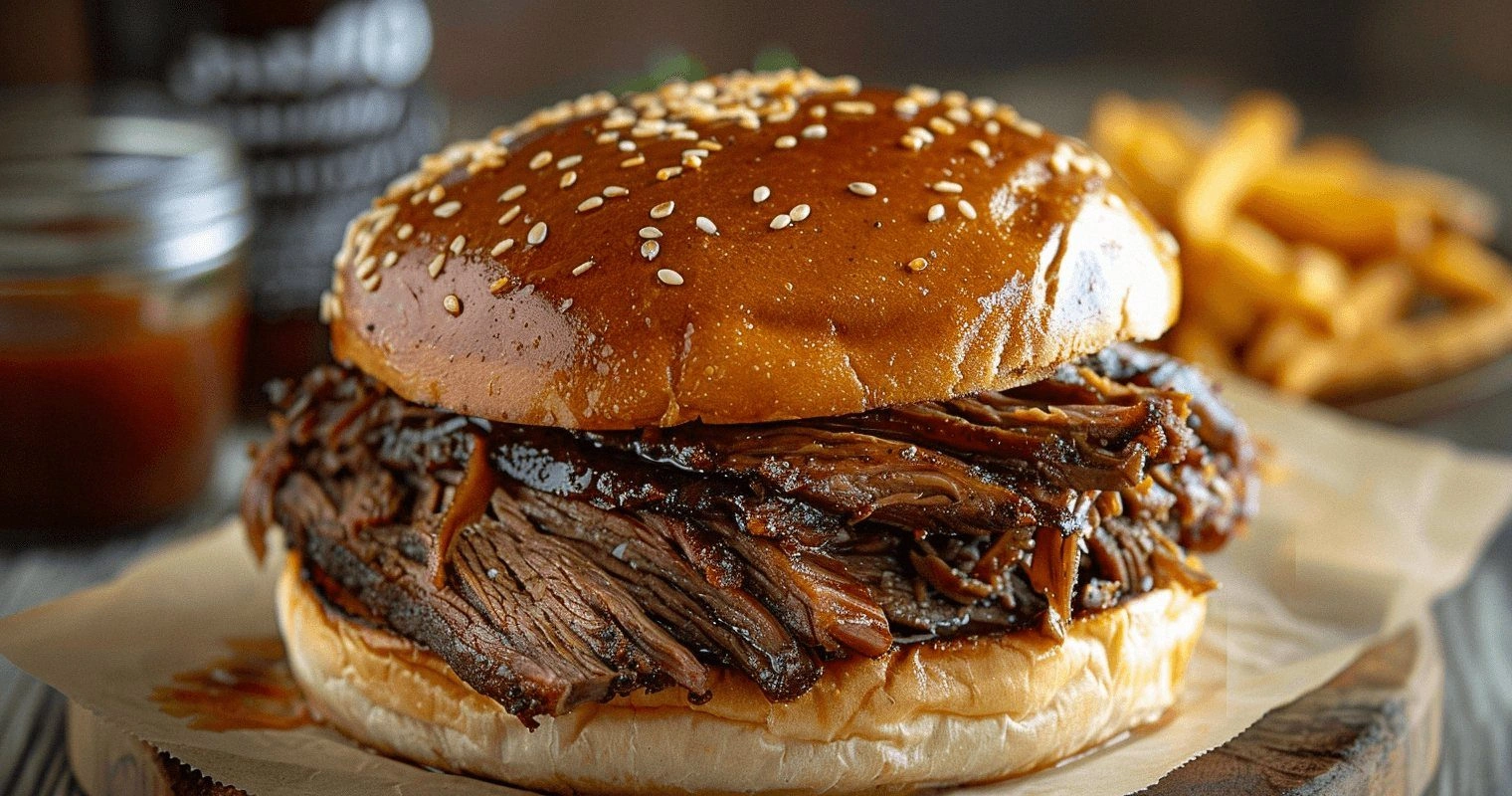
Picture yourself pulling this out of the oven, the whole kitchen smelling like the best barbecue joint in Texas collided with a French bistro. The aroma hits you first — smoky, beefy, with hints of garlic and something mysteriously sweet. Then you see it: glistening slices of perfectly cooked brisket, juices pooling just enough to make your mouth water but not enough to sog up the bread. This isn't just another sandwich recipe; this is the kind of meal that creates memories, the one your friends will beg you to make again, the one that'll ruin all other sandwiches for you forever.
Let me walk you through every single step — by the end, you'll wonder how you ever made it any other way.
What Makes This Version Stand Out
Flavor Bomb: Most brisket sandwiches taste like someone just threw some meat between bread and called it a day. Not this one. We're building layers of flavor that start with a coffee-based rub that caramelizes into the most incredible crust, then we slow-cook it until it reaches that magical point where every fiber of meat is infused with smoky, savory goodness.
Texture Paradise: Here's where most recipes get it wrong — they either serve the brisket too dry or so wet it's like eating beef soup. We hit that perfect middle ground where the meat is juicy but still has structure, and we add crispy fried onions on top that shatter like autumn leaves under your teeth.
Stupid Simple: Despite tasting like it came from a restaurant with a month-long waiting list, this recipe is actually easier than making a decent omelet. The oven does 90% of the work while you binge-watch your favorite show or pretend to organize your spice drawer.
Secret Weapon: I'm sneaking in a technique I learned from an old pitmaster in Austin — we finish the brisket with a quick blast under the broiler that creates these crispy edges that'll make you weak in the knees. Most recipes skip this step entirely, which is why theirs taste like cafeteria food.
Make-Ahead Magic: This sandwich gets BETTER as it sits. Make the brisket on Sunday, and by Tuesday you'll have sandwich filling that's reached peak deliciousness. I've fed this to a crowd of hungry teenagers who declared it "better than pizza," which is basically the Nobel Prize of food compliments.
Leftover Goldmine: Speaking of leftovers — if you somehow don't eat it all, this brisket transforms into the most incredible tacos, nachos, or even breakfast hash. I've been known to eat it straight from the fridge at midnight, standing in front of the open door like a sophisticated caveman.
Alright, let's break down exactly what goes into this masterpiece...
Inside the Ingredient List
The Flavor Foundation
The brisket itself is obviously the star here, but not all briskets are created equal. You want the point cut, not the flat — it's got more marbling, which translates to more flavor and that gorgeous melt-in-your-mouth texture. Look for a piece that's about 3-4 pounds with good fat marbling throughout. If all you can find is the flat cut, it'll still work, but you might need to babysit it a bit more during cooking. The fat cap should be about 1/4 inch thick — any more and you'll be trimming for days, any less and you'll miss out on all that self-basting magic.
Our spice rub is where things get interesting. I've tested everything from simple salt and pepper to elaborate twelve-spice blends, and landed on a combination that hits every note: coffee for bitterness and depth, brown sugar for caramelization, smoked paprika because we're not trying to spend twelve hours tending a smoker here, and a few other players that'll make your neighbors wonder what in the world you're cooking. The coffee might sound weird, but trust me — it doesn't taste like coffee in the end. It just adds this mysterious richness that makes people ask "what's in this?" while they reach for thirds.
Garlic powder, onion powder, and a touch of cayenne round out the rub team. Don't skip the cayenne even if you're spice-sensitive — we're using just enough to add complexity, not heat. If you absolutely can't handle any spice, substitute with sweet paprika, but you'll be missing out on that subtle kick that makes everything else taste more alive.
The Liquid Gold
Instead of just throwing beef broth in the pan like most recipes, we're creating a braising liquid that would make French grandmothers weep with joy. Beef stock forms the base, but we amp it up with Worcestershire sauce, a splash of soy sauce for umami depth, and apple cider vinegar to cut through all that richness. The vinegar is crucial — without it, your sandwich will taste heavy and one-dimensional. I learned this the hard way after serving what my family now calls "the brick sandwich."
Tomato paste adds body and a touch of sweetness, while a bay leaf sneaks in some herbal notes. Some recipes call for onions in the braising liquid, but I leave them out here — we're going to add fresh crispy onions later for contrast, and cooking onions for hours makes them disappear into nothingness anyway. Save them for the topping where they can actually shine.
The Bread Brigade
Don't you dare serve this on wonder bread and expect me to be happy about it. You need something with structure — a sturdy roll that can handle all those glorious juices without falling apart, but not so crusty that it tears up the roof of your mouth. I love using Portuguese rolls or a good ciabatta. If you're feeling fancy, make your own rolls, but honestly, the brisket is doing the heavy lifting here so store-bought is perfectly fine.
Size matters too — you want rolls that are about 4-5 inches long. Anything bigger and you're in "man vs food" territory, anything smaller and you're just teasing yourself. And please, for the love of all that's holy, toast them. A quick trip under the broiler or in a dry pan transforms them from mere bread delivery systems into crispy, warm vessels that actually add to the sandwich instead of just being there to hold things together.
The Final Flourish
Here's where we separate the adults from the children: toppings. Yes, you could just slap some brisket on bread and call it a day, but why stop at good when incredible is within reach? Crispy fried onions are mandatory — they add that crucial textural contrast and a sweet onion flavor that plays beautifully with the savory meat. You can buy them pre-made, but making them is stupid easy and your kitchen will smell like heaven.
A simple slaw adds freshness and crunch. I'm not talking about that gloopy mayo-heavy stuff your aunt brings to picnics. Think thin-sliced cabbage with a light vinaigrette, maybe some fresh herbs if you're feeling fancy. It cuts through the richness of the brisket and keeps the sandwich from feeling like a gut bomb. Pickles are another game-changer — the acid brightens everything up and makes you want to keep eating even when you're full.
Everything's prepped? Good. Let's get into the real action...
The Method — Step by Step
- First things first — get that brisket cozy with the spice rub. Mix together your coffee, brown sugar, paprika, salt, pepper, garlic powder, onion powder, and cayenne in a small bowl. Don't be shy with the amounts; we're creating a flavor crust here, not seasoning for the faint of heart. Pat your brisket dry with paper towels (moisture is the enemy of a good sear), then massage that rub into every nook and cranny. I mean really get in there — pretend you're giving the brisket a spa treatment. Cover it and let it hang out in the fridge for at least an hour, but overnight is even better. This is where the magic begins, as the salt starts breaking down proteins and the spices penetrate deep into the meat.
- Preheat your oven to 275°F — yes, that low. We're not trying to rush greatness here. While it's heating, get your Dutch oven or heavy roasting pan ready. Heat a tablespoon of oil over medium-high heat until it shimmers like a mirage. Now, here's the crucial part: sear that brisket fat-side down first. You want to hear that satisfying sizzle when it hits the pan. Don't move it for a solid 3-4 minutes; we want a deep, dark crust that looks almost burnt. Flip it and repeat on the other side. This isn't just about looks — that caramelization adds layers of flavor you can't get any other way.
- While your brisket is getting its tan on, whisk together your braising liquid. Combine the beef stock, Worcestershire, soy sauce, vinegar, and tomato paste in a bowl. Add the bay leaf and give it a taste — it should be savory with a bright edge from the vinegar. If it's flat, add another splash of vinegar. If it's too sharp, a pinch of brown sugar will balance it out. This liquid is going to transform into the most incredible sauce, so make sure it's singing before it goes into the pot.
- Once both sides of your brisket are beautifully seared, remove it from the pan temporarily. Pour in about half a cup of your braising liquid and scrape up all those gorgeous browned bits — they're flavor gold. Return the brisket to the pan, fat side up this time, and pour in the rest of the liquid. It should come about halfway up the sides of the meat. If you need more liquid, add more stock, but don't submerge the brisket completely; we want some of it above the liquid so it can steam and braise at the same time. Cover it tightly with a lid or heavy-duty foil.
- Into the oven it goes for the long haul. Set your timer for 3 hours and walk away. Seriously, don't peek, don't poke, don't even think about it. Every time you open that lid, you're letting out steam and adding 15 minutes to your cooking time. At the 3-hour mark, check it — you should be able to insert a fork with almost no resistance. If it still feels tight, give it another 30-45 minutes. Remember, we're going for butter-tender here, not steak-chewy.
- When it's finally fork-tender, pull it out and let it rest for 20 minutes. I know you're tempted to dive right in, but this rest is crucial. It lets the juices redistribute throughout the meat instead of flooding your cutting board. While it's resting, crank up the oven to broil. We're about to do something that'll change your brisket game forever.
- After the rest, transfer the brisket to a cutting board and pour off all those gorgeous juices into a saucepan. Skim off most of the fat — you can save it for roasting potatoes later because waste not, want not. Bring the juices to a simmer and let them reduce by about a third. This concentrates the flavors and creates a sauce that'll make you want to lick the plate.
- Slice your brisket against the grain into 1/4-inch thick slices. If you've done everything right, it should practically fall apart at the touch of your knife. Arrange the slices on a foil-lined baking sheet and brush them with some of your reduced sauce. Now, here comes the game-changer: slide them under the broiler for 2-3 minutes. Watch them like a hawk — we're looking for crispy edges that'll add incredible texture to your sandwich. Flip and repeat on the other side.
- While the brisket is getting its crispy edges, toast your rolls. Split them open and lay them cut-side up on a baking sheet. Slide them under the broiler for just a minute or two until they're golden and crispy around the edges. This isn't optional — toasted bread is the difference between a sandwich that falls apart and one that stays structurally sound until the last bite.
- Assembly time! Start with a generous spoonful of sauce on the bottom roll. Pile on the brisket — don't be stingy, this isn't the time for dainty portions. Add another spoonful of sauce if you're feeling saucy (you should be). Top with your crispy onions, a handful of that bright slaw if using, and pickles if you're smart. Crown it with the top roll, give it a gentle press to marry everything together, and try not to weep with joy at your creation.
That's it — you did it. But hold on, I've got a few more tricks that'll take this to another level...
Insider Tricks for Flawless Results
The Temperature Rule Nobody Follows
Here's the thing about brisket — it's not like steak where medium-rare is the goal. We're taking this meat to around 200-205°F internal temperature, which sounds crazy overcooked until you understand the science. At this temperature, all that tough connective tissue (collagen) breaks down into gelatin, which is what gives you that spoon-tender texture. Undercook it and you've got shoe leather. Overcook it and it falls apart into mush. The sweet spot is when a probe slides in like butter, but the meat still holds together in slices.
A friend tried skipping this step once — let's just say it didn't end well. She pulled it at 180°F because she was worried about it drying out, and we ended up with meat so tough we could've used it as hockey pucks. Don't be like my friend. Use a meat thermometer and trust the process. Your patience will be rewarded with meat so tender it practically melts on your tongue.
Why Your Nose Knows Best
After making this recipe dozens of times, I've learned to trust my nose more than any timer. When the brisket is perfectly cooked, your kitchen will smell like the best barbecue joint and French onion soup had a beautiful baby. It's this rich, savory aroma with hints of coffee and caramelized meat. If you're still smelling mostly raw spices, it's not ready. When that scent hits you and suddenly you're ravenous even though you ate lunch two hours ago, that's when you know it's time to check for doneness.
I dare you to taste this and not go back for seconds. I've watched people who claimed they were full after half a sandwich suddenly find room for a whole one once they caught a whiff of that aroma. It's like a dinner bell for your appetite, and resistance is futile.
The 5-Minute Rest That Changes Everything
I know you're hungry. I know that brisket looks incredible and you want to dive right in. But here's what separates the amateurs from the pros: let your assembled sandwich rest for 5 minutes before eating. This isn't just about avoiding burned tongues (though that's a nice bonus). During these 5 minutes, the sauce soaks into the bread just enough to flavor it without making it soggy, the meat relaxes and becomes even more tender, and all the flavors have a chance to meld together into something greater than the sum of their parts.
Plus, this is the perfect time to make sure everyone has napkins, drinks are refilled, and you've got your phone ready to take that Instagram shot — because trust me, you'll want to remember this sandwich. Future pacing: Picture yourself pulling this out of the oven, the whole kitchen smelling incredible, and knowing that in just 5 more minutes you'll be in sandwich heaven.
Creative Twists and Variations
This recipe is a playground. Here are some of my favorite ways to switch things up:
The Korean BBQ Mashup
Swap the coffee rub for a mix of gochujang, brown sugar, soy sauce, and rice vinegar. Replace the Worcestershire with more soy and add some ginger to the braising liquid. Top with kimchi instead of slaw and sprinkle with sesame seeds. The result is a fusion sandwich that'll blow your mind — spicy, sweet, tangy, and utterly addictive. If you've ever struggled with fusion cooking, you're not alone — and I've got the fix. The key is balancing the flavors so one cuisine doesn't overpower the other.
The Breakfast of Champions
Transform your leftovers into the ultimate breakfast sandwich. Warm the brisket in a skillet until crispy, pile it on a toasted English muffin with a runny fried egg, some sharp cheddar, and a dollop of the reduced sauce. It's like all the best parts of a country breakfast decided to have a party in your mouth. The way that yolk mingles with the sauce? Pure magic.
The Vegetarian's Nightmare (But the Meat-Lover's Dream)
Okay, this one goes full carnivore. Use the brisket as your base, then add thick-cut bacon that's been candied with brown sugar and black pepper, some thin-sliced ham, and if you're really feeling frisky, a few slices of chorizo. It's not for the faint of heart or anyone with cholesterol concerns, but sometimes you need to go big or go home. The different meats each bring their own texture and flavor, creating a symphony of savory deliciousness.
The California Healthy-ish Version
Keep the brisket as-is but swap the bread for whole grain rolls, load up on sprouts and avocado, and make the slaw with Greek yogurt instead of mayo. Add some sliced tomatoes and cucumbers for freshness. It's still indulgent but feels virtuous enough that you can justify eating it twice in one week. Sometimes you need that balance between healthy and heavenly.
The Spicy Challenge
Add chipotle peppers in adobo to your braising liquid, double the cayenne in the rub, and top with jalapeño slaw and habanero pickles. I call this the "call-in-sick-tomorrow" sandwich because you'll be too busy sweating deliciously to focus on work. A friend tried this version and texted me at 3 AM just to say it was worth every single Scoville unit.
The Fancy Pants Edition
Serve the brisket on toasted baguette slices as an appetizer, top with a dollop of horseradish cream and some microgreens. It's the same incredible flavors but dressed up for a dinner party. Your guests will think you spent all day cooking, but you'll know it took about 20 minutes of actual work.
Storing and Bringing It Back to Life
Fridge Storage
Here's the beautiful thing about this brisket — it actually gets better with a day or two in the fridge. Store the sliced meat in an airtight container with some of the sauce poured over it. It'll keep for up to 5 days, though I've never seen it last that long. The flavors meld and deepen, creating something even more incredible than the day you made it. Just make sure to bring it to room temperature before reheating, or you'll end up with cold spots that ruin the experience.
Freezer Friendly
This brisket freezes like a dream. Portion it into meal-sized amounts with some sauce, wrap tightly in plastic wrap and then foil, and it'll keep for up to 3 months in the freezer. When you're ready to eat, thaw it overnight in the fridge, then reheat gently in a covered pan with a splash of broth. It's like having a secret weapon in your freezer for busy weeknights or unexpected guests. I always keep a portion frozen because you never know when you'll need to impress someone with minimal effort.
Best Reheating Method
The microwave is a crime against this beautiful brisket, so don't even think about it. Instead, place the meat in a covered pan with a splash of broth or water, and warm it gently over medium-low heat. Add a tiny splash of water before reheating — it steams back to perfection. If you've got time, wrapping it in foil and warming it in a 250°F oven for 20 minutes gives you results that are almost as good as fresh. And now the fun part: those crispy edges you created under the broiler won't come back, but that's okay — the tender, juicy meat more than makes up for it.