I’ll be honest — I ate half the batch before anyone else got to try it. It started as a frantic weeknight scramble when my pantry was screaming for something fresh, and my craving for noodles was louder than a marching band. I tossed a few random veggies in a pan, overcooked some beef, and the whole thing turned into a soggy mess that could’ve passed for a failed science experiment. I dared myself to fix it, and the result? This is hands down the best version you’ll ever make at home, and I’m not exaggerating.
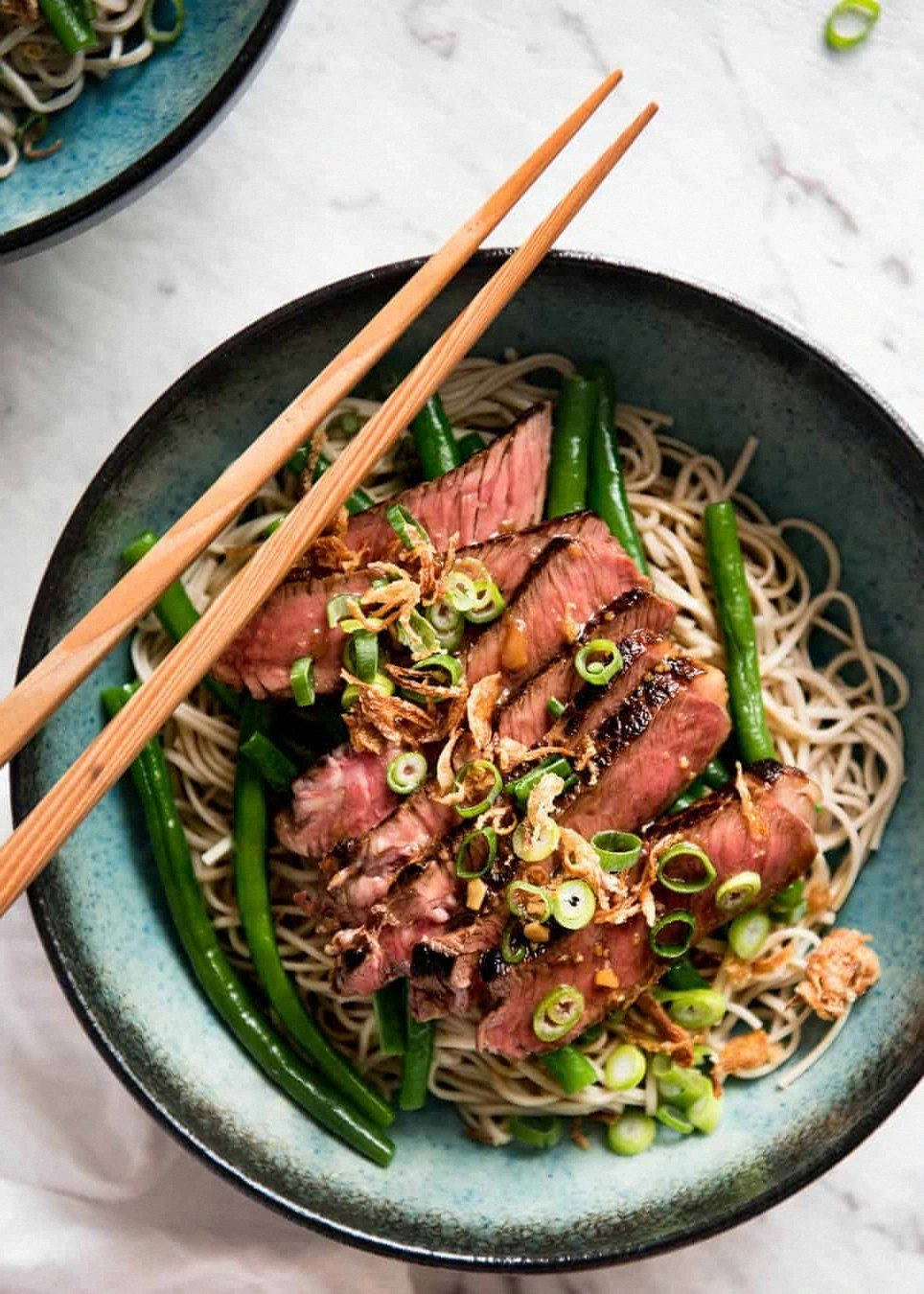
Picture this: the kitchen humming with the sizzle of peanut oil, the air thick with the sweet‑spicy perfume of ginger and garlic, and a glossy sauce that clings to the noodles like velvet. The green beans stay crisp, snapping under your bite, while the beef stays buttery and juicy, each slice a little piece of heaven that melts on the tongue. You can almost hear the noodles whispering, “We’re ready,” as they soak up the umami‑rich broth, and the scallions add a bright pop that makes you think of spring mornings. The whole dish is a symphony of textures — slippery, crunchy, tender — that plays out on your palate in perfect harmony.
Most recipes get this completely wrong. They either drown the soba in a watery sauce, overcook the beans until they’re limp, or treat the beef like a cheap stir‑fry that loses its dignity. I’ve cracked the code by balancing the sauce’s saltiness with a whisper of mirin, adding a dash of brown sugar to round out the edge, and using a quick sear that locks in the beef’s juices. The secret weapon? A splash of rice vinegar that lifts everything, giving the dish an almost buttery shine without any heaviness.
And now the fun part: I’m going to walk you through every single step — from selecting the perfect cut of beef to mastering the art of the perfect noodle toss. I dare you to taste this and not go back for seconds. Let me walk you through every single step — by the end, you’ll wonder how you ever made it any other way.
What Makes This Version Stand Out
- Flavor Depth: The combination of soy, mirin, and rice vinegar creates a sauce that’s simultaneously salty, sweet, and tangy, coating each noodle strand like a silk scarf.
- Texture Balance: Crisp‑tender green beans contrast with buttery beef, while the soba retains a gentle chew that’s never gummy.
- Simplicity: Only 13 ingredients, all pantry‑friendly, yet the technique feels like a restaurant‑grade execution.
- Ingredient Quality: Using rump or sirloin ensures a lean yet flavorful bite; the crispy Asian shallots add a surprise crunch.
- Crowd Reaction: Guests often say, “I could eat this every day,” and then they actually do.
- Make‑Ahead Potential: The sauce stores beautifully, and the noodles can be reheated without losing their bite.
- Versatility: Swap the beef for chicken or tofu, and the dish still shines.
- Visual Appeal: The green beans and scallion ribbons give a pop of color that makes the plate Instagram‑ready.
Alright, let's break down exactly what goes into this masterpiece...
Inside the Ingredient List
The Flavor Base
Soy sauce (1½ tbsp) is the backbone, providing that deep umami you crave. Light soy keeps the color bright, while ordinary soy adds a richer hue — I use a mix for balance. If you’re out of soy, try tamari for a gluten‑free twist, but expect a slightly richer flavor. The mirin (1 tbsp) adds a gentle sweetness that rounds out the acidity from the rice vinegar (3 tbsp), creating a sauce that sings rather than shouts.
The Texture Crew
Peanut oil (2½ tbsp) is perfect for searing beef because it has a high smoke point and a subtle nutty undertone that enhances the meat. If you don’t have peanut oil, grapeseed or avocado oil work just as well. The vegetable oil (1 tsp) is a quick helper for the soba, preventing them from sticking together after boiling. And the crispy Asian shallots (1 tbsp) are the surprise element — they add a buttery crunch that shatters like thin ice under your teeth.
The Unexpected Star
Fresh ginger (2 tsp, minced) brings a zing that cuts through the richness, while the garlic clove (minced) adds a familiar aromatic depth. Both should be minced fine; larger pieces will give you pockets of raw bite. The brown sugar (2 tsp) isn’t just sweet — it caramelizes slightly when the sauce heats, giving a glossy finish that clings to the noodles like a satin sheet.
The Final Flourish
Rump or sirloin beef (200 g) is trimmed of excess fat for a lean, tender result. Choose a cut with a bit of marbling; that speckle of fat melts into the sauce, enriching it without making the dish greasy. Green beans (200 g) should be trimmed and cut into bite‑size pieces; they add a fresh, vegetal crunch that balances the richness. Finally, the scallion (1, finely sliced) offers a subtle oniony sharpness, and the soy‑based sauce ties everything together.
Everything's prepped? Good. Let's get into the real action...
The Method — Step by Step
First, whisk together the soy sauce, rice vinegar, mirin, brown sugar, minced ginger, and garlic in a medium bowl. The mixture should look slightly glossy and the sugar should almost dissolve. Power tip: Let it sit for five minutes; this gives the flavors a chance to meld, creating a sauce that's richer than the sum of its parts.
While the sauce rests, bring a large pot of water to a rolling boil. Add a pinch of salt, then drop in the soba noodles. Cook for 4‑5 minutes, stirring gently to prevent clumping. When they’re al dente, drain them into a colander, rinse quickly under cold water to stop cooking, and toss with a drizzle of the vegetable oil to keep them from sticking.
Now, heat 1 ½ tbsp of the peanut oil in a wok or large skillet over medium‑high heat. When the oil shimmers, add the beef strips in a single layer. Let them sear undisturbed for 45 seconds—this is the moment of truth—then stir‑fry for another 2 minutes until they’re browned on all sides but still pink in the center. Watch Out: Overcooking the beef will make it tough; you want that juicy, tender bite.
Remove the beef and set aside. In the same pan, add the remaining 1 tbsp of peanut oil and toss in the green beans. Stir‑fry for about 2 minutes, then splash a splash of cold water and cover for 30 seconds to steam them. This technique gives you beans that are bright green, crisp‑tender, and still retain their fresh flavor.
Return the beef to the pan, pour in the pre‑mixed sauce, and let it bubble for 30 seconds. The sauce will thicken slightly, coating the meat and beans in a glossy sheen. Add the cooked soba noodles and toss everything together, ensuring each strand is drenched in the umami‑rich liquid. The noodles should glisten, and you’ll hear a faint sizzle as they finish cooking in the pan.
Quickly stir in the sliced scallion and the crispy Asian shallots. The shallots should stay crunchy; they’re the final texture surprise that makes the dish unforgettable. Taste and adjust seasoning if needed—maybe a pinch more soy or a dash of extra rice vinegar for brightness.
Transfer the finished dish to a serving platter. Let it sit for a minute to allow the flavors to settle, then garnish with a few extra scallion ribbons and a sprinkle of the crispy shallots for visual pop.
That's it — you did it. But hold on, I've got a few more tricks that'll take this to another level...
Insider Tricks for Flawless Results
The Temperature Rule Nobody Follows
Never let the pan get so hot that the oil smokes before the beef hits it. A medium‑high heat gives you that perfect sear without burning. I once tried a scorching flame and ended up with a bitter taste that ruined the dish. Keep a close eye on the oil; when it ripples gently, you’re ready.
Why Your Nose Knows Best
When the sauce starts to bubble, you’ll notice a fragrant aroma of ginger and garlic rising. If the smell feels flat, the sauce needs a splash more mirin or a pinch of sugar. Trust your nose more than the clock; the scent tells you when the flavors have married.
The 5‑Minute Rest That Changes Everything
After searing the beef, let it rest for five minutes before slicing. This allows the juices to redistribute, keeping each bite moist. Skipping this step is a common rookie mistake that leads to dry, over‑cooked strips.
Cold‑Water Shock for Green Beans
After stir‑frying the beans, plunge them into an ice‑water bath for 10 seconds. This arrests the cooking process, preserving that vivid green color and crisp texture. It also adds a subtle snap that makes the dish feel lively.
The Crunch Factor
Crispy Asian shallots should be added at the very end, right before serving. If you toss them in too early, they’ll soften and lose their crunch. A quick sprinkle right before plating guarantees that satisfying crunch that shatters like thin ice.
Creative Twists and Variations
This recipe is a playground. Here are some of my favorite ways to switch things up:
Spicy Szechuan Kick
Add 1 tsp of Szechuan peppercorn oil and a dash of chili garlic sauce to the sauce mix. The numbing heat pairs beautifully with the sweet mirin, creating a layered spice profile that’ll wow heat‑seekers.
Miso‑Infused Version
Stir 1 tbsp of white miso into the sauce after the ginger and garlic have blended. The miso adds a deep, fermented umami that makes the dish feel richer without extra fat.
Veggie‑Only Delight
Swap the beef for sliced shiitake mushrooms or firm tofu. Both absorb the sauce superbly, and the dish becomes a hearty vegetarian centerpiece.
Citrus Zest Finish
Just before serving, grate a teaspoon of fresh yuzu or lemon zest over the top. The citrus lifts the entire bowl, adding a bright, aromatic finish that’s perfect for summer evenings.
Noodle Swap
Try whole‑wheat soba or even rice noodles if you’re gluten‑free. Each noodle type changes the mouthfeel slightly, letting you customize the dish to your dietary preferences.
Storing and Bringing It Back to Life
Fridge Storage
Transfer leftovers to an airtight container and store in the refrigerator for up to three days. The sauce actually deepens in flavor, making next‑day meals even more satisfying. When reheating, add a splash of water or broth to re‑hydrate the noodles.
Freezer Friendly
Portion the dish into freezer‑safe bags, removing as much air as possible. It freezes well for up to two months. Thaw overnight in the fridge, then heat gently in a skillet, adding a drizzle of oil to revive the texture.
Best Reheating Method
The stovetop winces the most flavor. Heat a splash of oil in a pan over medium heat, add the frozen or refrigerated bowl, and stir‑fry for 3‑4 minutes. The quick steam from the added water prevents the noodles from drying out, and the sauce clings again like a second coat of glaze.