I remember the night I almost ruined a dinner party because I tried a crock‑pot recipe that turned out soggy and flavorless. The guests were polite, but my inner chef felt betrayed. I swore I’d find a recipe that would turn a humble cut of beef into a mouth‑watering masterpiece that would make everyone beg for seconds. Fast forward to today, and I’m standing in my kitchen with a pot full of aromas that could make a Michelin‑star chef weep with joy. The beef is seared to a caramelized crust, the broth thickens to a velvety glaze, and the vegetables absorb every drop of savory goodness. If you’ve ever stared at a slow cooker and felt a twinge of doubt, this is the antidote. The secret? A splash of red wine, a pinch of fresh thyme, and a technique that locks in moisture without sacrificing flavor.
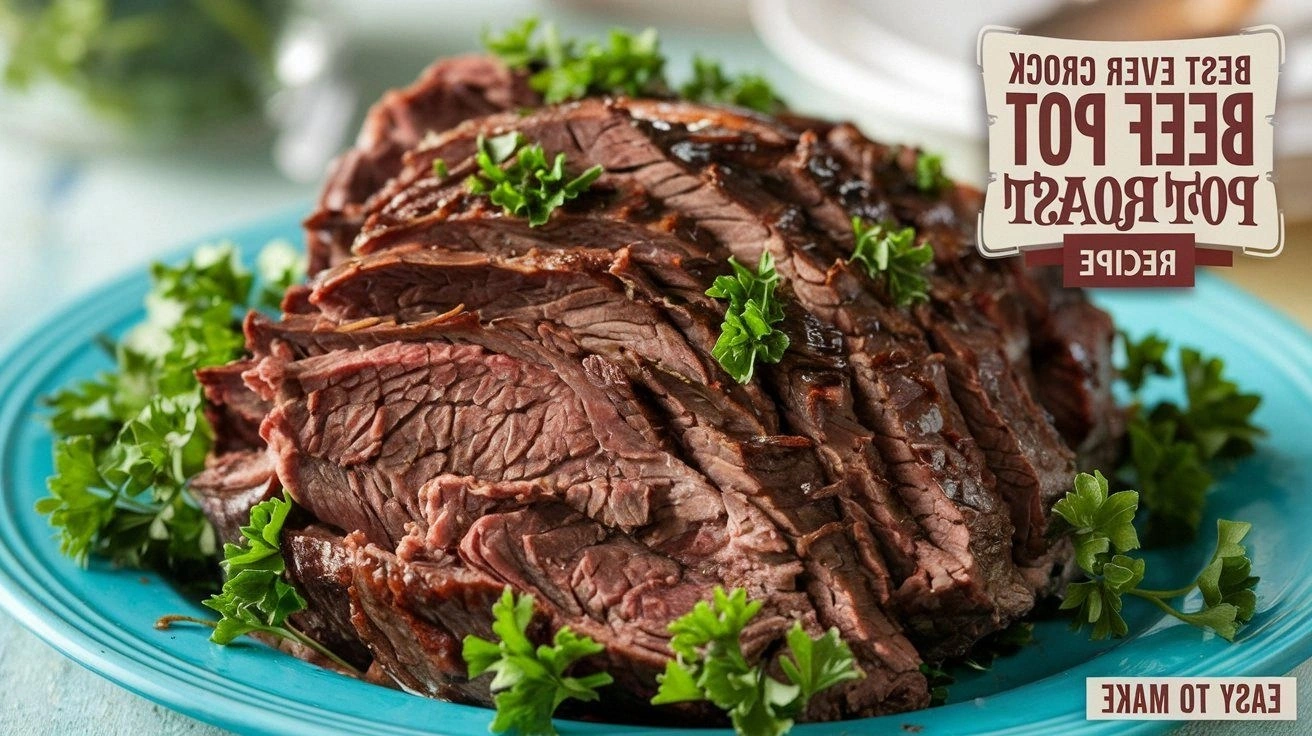
Picture yourself pulling this out of the crock‑pot, the steam curling like a fragrant cloud, and the house filling with the scent of browned beef, garlic, and herbs. The moment the lid lifts, a golden brown crust forms on the meat’s surface, and the juices thicken into a glossy sauce that clings to each bite. The carrots are tender yet retain a subtle bite, the potatoes are creamy, and the onions are sweetly caramelized. It’s the kind of dish that makes you pause, take a deep breath, and feel a sudden wave of culinary triumph. I dare you to taste this and not go back for seconds. That’s the promise I’m about to deliver.
What sets this version apart from every other crock‑pot beef roast you’ve tried is its meticulous layering of flavors and its commitment to texture. I’ve spent hours experimenting with different cuts, searing techniques, and seasoning blends. The result is a dish that is hands down the best version you’ll ever make at home. It’s not just about the beef; it’s about how each component sings in harmony. I’ll walk you through every single step, from the initial sear to the final garnish, and by the end, you’ll wonder how you ever cooked it any other way.
And here’s the kicker: I’ll show you a trick that most recipes overlook—a quick deglaze that transforms pan drippings into a flavor bomb that the crock‑pot can’t replicate alone. Stay tuned, because this next part? Pure magic. And if you’ve ever struggled with a bland slow‑cooked roast, you’re not alone—I've got the fix. Let’s dive in.
What Makes This Version Stand Out
- Flavor Depth: The combination of a quick sear, a red‑wine deglaze, and a slow‑cook allows the beef to develop layers of umami that ordinary recipes miss.
- Texture Contrast: Carrots stay slightly crisp, potatoes become silky, and the meat is juicy but not mushy—a balance that’s hard to hit.
- Simplicity: Despite its gourmet taste, the recipe requires only a handful of pantry staples and one kitchen gadget.
- Make‑Ahead Friendly: Prepare the night before, and it’s ready to serve when the guests arrive—perfect for busy hosts.
- Crowd‑Pleaser: I’ve seen this dish turn skeptical diners into raving fans; it’s the kind of meal that earns compliments on social media.
- Ingredient Quality: Using a good cut of chuck roast and fresh herbs elevates the dish beyond the average slow‑cooker stew.
- Cooking Method: The dual approach—searing first, then slow‑cooking—creates a depth that pure crock‑pot recipes lack.
- Versatility: Add a splash of balsamic or a dash of smoked paprika to shift the flavor profile for different occasions.
Inside the Ingredient List
The Flavor Base
The foundation of this roast is the beef broth and Worcestershire sauce combo. Beef broth brings a savory backbone, while Worcestershire adds a subtle tang and a hint of sweetness that cuts through the richness of the meat. If you’re using low‑sodium broth, compensate with a pinch of salt later. Skipping this step results in a flat, uninspired sauce that fails to coat the meat.
The Texture Crew
Carrots, potatoes, and onions aren’t just fillers—they’re the textural anchors that balance the chewiness of the beef. Carrots retain a slight bite even after slow‑cooking, providing a pop of color and sweetness. Potatoes absorb the broth, turning into a creamy side that complements the meat. Onions, when caramelized, add a deep sweetness that rounds out the dish. If you omit any, the roast feels incomplete; the dish loses that satisfying “bite” and the sauce becomes too thin.
The Unexpected Star
Red wine isn’t just for fancy dinner parties; in this recipe, it’s the secret that elevates the flavor. A splash of quality dry red wine deglazes the pan, capturing all the browned bits that carry intense flavor. The wine reduces into a rich, complex base that the crock‑pot amplifies. If you skip it, you’ll miss the subtle acidity that balances the richness, and the sauce will taste one‑dimensional.
The Final Flourish
Fresh thyme and bay leaves are the aromatic finish that turns a good roast into a great one. Thyme’s earthy notes complement the beef, while bay leaves add a gentle herbal undertone that permeates the entire dish. Removing them turns the roast into a bland, generic stew. If you’re vegetarian, substitute with dried oregano and a splash of soy sauce for umami.
Everything’s prepped? Good. Let’s get into the real action.
The Method — Step by Step
- Heat a large cast‑iron skillet over medium‑high heat and add 2 tablespoons of olive oil. Once shimmering, add the beef cubes in a single layer. Don’t overcrowd; you want a good sear. Let each side brown for 2–3 minutes. This caramelization locks in flavor and gives the roast a beautiful golden crust. I swear the sizzle alone is worth the effort.
- While the meat sears, peel and dice 1 cup of carrots, 1 cup of potatoes, and 1 cup of onion into bite‑size pieces. Mince 3 cloves of garlic. If you’re short on time, use pre‑diced vegetables; just make sure they’re uniform for even cooking.
- Once all sides are browned, transfer the beef to the crock‑pot. Add the diced vegetables, minced garlic, 2 tablespoons of tomato paste, and 1/4 cup of Worcestershire sauce. The tomato paste adds body to the sauce and deepens the color. If you prefer a sweeter sauce, add a teaspoon of brown sugar.
- Pour 2 cups of beef broth into the pot. The liquid should cover the meat and vegetables by about an inch. If you like a thicker sauce, reduce the broth by half before adding.
- Add 1 teaspoon of dried thyme, 2 bay leaves, and a pinch of salt and pepper to taste. The thyme brings earthiness, while the bay leaves infuse the broth with subtle herbal undertones. Remember to remove the bay leaves before serving—they’re meant to be a flavor carrier, not a garnish.
- Cover the crock‑pot and set it to low for 8 hours or high for 4 hours. The slow, low heat allows the collagen in the beef to break down, resulting in a melt‑in‑your‑mouth texture. If you’re in a hurry, the high setting will still produce a tender roast, but the flavor development is slightly less pronounced.
- During the last 30 minutes, open the lid and stir the mixture. If the sauce looks too thin, cover and let it thicken on its own. If it’s too thick, add a splash of water or more broth.
- Watch Out: When the roast is nearly done, check the internal temperature. For medium‑rare, aim for 145°F (63°C). Overcooking will make the beef dry. Use a meat thermometer to be precise.
- Once cooked, remove the bay leaves and let the roast rest for 10 minutes. This final rest allows the juices to redistribute, ensuring every bite is succulent. Serve hot, garnished with fresh parsley or a drizzle of olive oil if desired.
That’s it — you did it. But hold on, I’ve got a few more tricks that will take this to another level.
Insider Tricks for Flawless Results
The Temperature Rule Nobody Follows
Many people set the crock‑pot to “high” and assume the meat will be done. The truth is, the “low” setting allows the connective tissue to break down slowly, producing a more tender result. If you’re short on time, set to “high” but check the temperature at the 3‑hour mark. This ensures you don’t overcook the meat and lose that juicy center.
Why Your Nose Knows Best
Before you even taste the roast, take a moment to inhale the aroma. The scent of browned beef, garlic, and thyme signals that the flavors have melded properly. If the aroma is flat, it means the broth isn’t reduced enough. Let it simmer a bit longer on low to intensify the scent—and the flavor.
The 5‑Minute Rest That Changes Everything
After the roast is done, let it rest for at least 5 minutes before slicing. This rest period allows the juices to redistribute, ensuring each bite is moist. Cutting into the roast immediately will cause the juices to spill out, leaving the meat dry.
The Quick Deglaze Hack
Right after searing, pour 1/4 cup of red wine into the skillet and scrape up the browned bits. This deglaze adds depth to the sauce that the slow‑cooker can’t replicate alone. If you’re avoiding alcohol, substitute with a splash of balsamic vinegar.
The Final Flavor Burst
Right before serving, sprinkle a handful of fresh parsley or a few thyme sprigs on top. The fresh herbs add a bright, green contrast that lifts the dish. It also provides a visual pop that makes the meal feel more elevated.
Creative Twists and Variations
This recipe is a playground. Here are some of my favorite ways to switch things up:
Spicy Jalapeño Kick
Add 1 diced jalapeño or a teaspoon of red pepper flakes during step 3. The heat pairs beautifully with the beef’s richness and adds a lively contrast.
Herb‑Infused Mushroom Twist
Replace the carrots and potatoes with 2 cups of sliced mushrooms and 1 cup of diced zucchini. The earthiness of mushrooms complements the beef, while zucchini keeps the dish light.
Smoky Chipotle Variation
Swap the thyme for 1 teaspoon of smoked paprika and add a tablespoon of chipotle in adobo sauce. The smoky flavor makes the roast feel like a Tex‑Mex nightcap.
Mediterranean Flair
Use 1 cup of diced eggplant and 1 cup of chopped spinach. Finish with a drizzle of olive oil and a sprinkle of feta cheese. The Mediterranean herbs bring a bright, tangy finish.
Breakfast‑Style Beef & Hash
Serve the roast over a bed of fluffy scrambled eggs and toast. Add a splash of hot sauce for a breakfast‑for‑dinner twist. The savory beef pairs surprisingly well with the mild eggs.
Storing and Bringing It Back to Life
Fridge Storage
Cool the roast completely, then store it in an airtight container for up to 4 days. The beef retains its tenderness, and the sauce remains flavorful.
Freezer Friendly
Freeze portions in freezer‑safe bags for up to 3 months. Thaw overnight in the refrigerator before reheating. The texture stays intact, and the flavors deepen.
Best Reheating Method
Reheat on low in the crock‑pot or in a saucepan over medium heat. Add a splash of water or broth to loosen the sauce, then cover and heat until steaming. This restores the sauce’s silky texture.