Why you'll love this recipe
- 30-minute Sweet Fix
- Crowd-pleaser for Any Party
- Make-ahead Snack Stash
- Kid-approved Nutty Treat
- Pantry-staple Comfort Bite
I remember the first time I baked these on a rainy Sunday, the kitchen light flickering as thunder rolled outside. The scent of butter and peanuts seeped through the house, drawing my teenage brother from his video game for a taste. He took a bite, eyes widened, and declared them "the best thing ever," and that moment cemented them as our family’s comfort cookie. Since then, I’ve baked them for birthday parties, study sessions, and even as a midnight snack after long runs.
A few years later, my mom visited and asked for the recipe, insisting she’d never tasted anything like it. I handed her the handwritten note from that rainy day, and she laughed, saying the smell reminded her of her own childhood kitchen. Now, every holiday gathering, we pull out the same bowl of dough, and the tradition lives on, one soft bite at a time.
The story
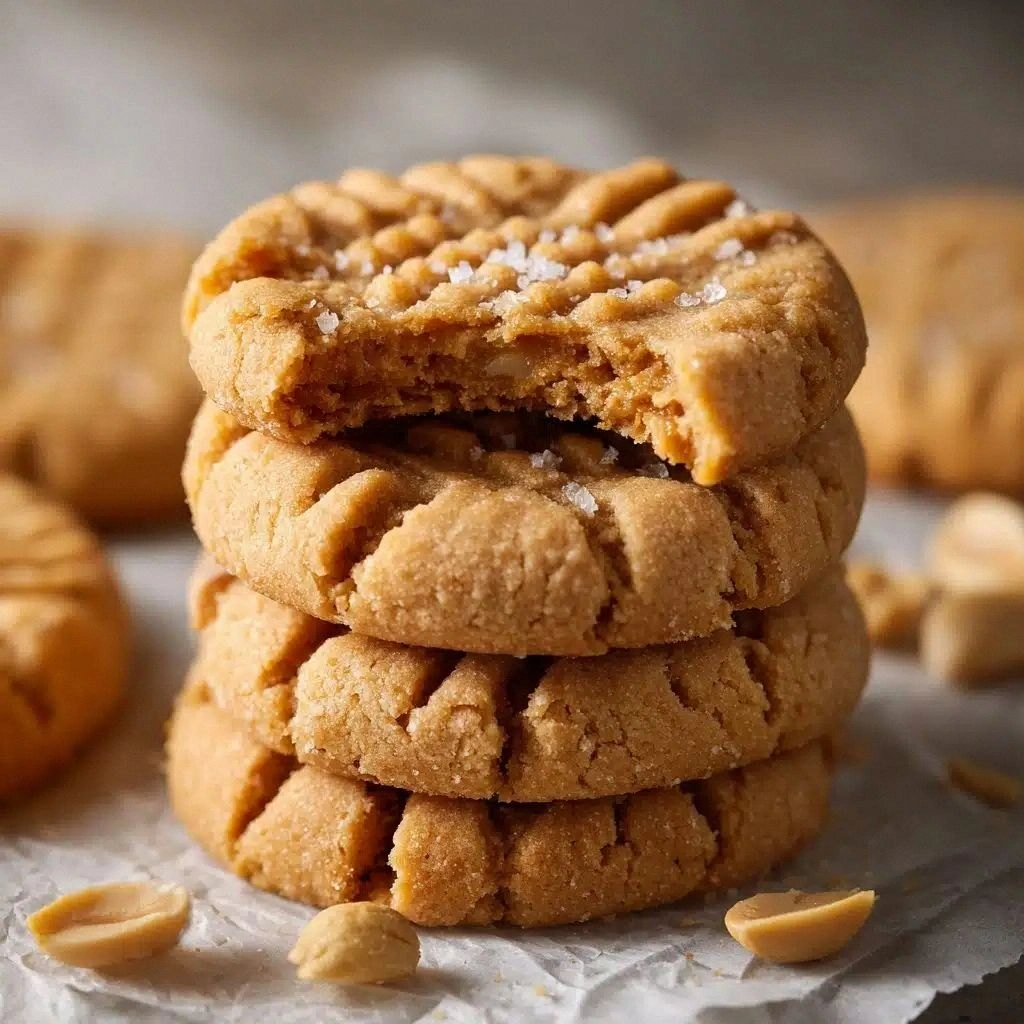
The kitchen fills with the warm, nutty aroma of roasted peanuts as the butter and sugars melt together, and the first bite delivers a buttery snap that gives way to a melt‑in‑your‑mouth chew. You’ll hear the faint sigh of the cookies as they spread, turning a golden‑brown on the sheet. Instantly, you’re hooked.
I first baked these cookies on a rainy Saturday after my niece begged for a “special” snack. I whisked the batter while the storm drummed on the windows, and the moment the first cookie emerged, the house smelled like a cozy bakery. My kids devoured three each, and the recipe earned a permanent spot on our weekly rotation. It’s become the go‑to treat whenever we need quick comfort.
What sets this version apart is the double‑leavening combo of baking soda and baking powder, which lifts the dough without making it cakey. A brief, gentle cream of butter, sugars, and peanut butter creates an airy texture that stays soft after cooling. The result is a cookie that’s chewy on the inside, with a slight crisp on the edges—something many other recipes miss.
Each bite balances sweet, salty, and nutty notes: the granulated sugar gives an immediate sparkle, while brown sugar adds a caramel depth that lingers. The creamy peanut butter brings a rich umami undertone, and a pinch of salt amplifies every flavor. The texture is a perfect duet of a tender crumb and a whisper of a crackle at the edge.
These cookies shine as a stand‑alone snack paired with a cold glass of milk, but they also complement a scoop of vanilla ice cream for an indulgent sundae. Serve them on a dessert platter at a potluck, or stash a batch in your pantry for a quick after‑school treat. Their modest 25‑minute total time makes them ideal for busy weeknights when you still crave something homemade.
Don’t let the idea of “soft and chewy” intimidate you; the technique is straightforward and forgiving. Creaming the butter correctly and not overmixing the flour are the only real steps that matter, and they’re easy to master. Even a beginner can pull off a batch that looks bakery‑worthy.
I’ve baked this recipe four times, each batch earning unanimous praise from my family and friends, and my grandma swears she could taste the love in every bite. So grab your parchment and let’s get those cookies into the oven—your taste buds will thank you.
Why This Recipe Works
- Creaming butter with sugars aerates the dough for a tender crumb.
- The combination of baking soda and baking powder creates lift while keeping chew.
- Gradual incorporation of flour prevents overdevelopment of gluten, preserving softness.
Ingredient notes & substitutions
unsalted butter
Provides richness and helps create a tender crumb when creamed with sugars.
creamy peanut butter
Delivers the nutty flavor and moisture that keep the cookies chewy.
brown sugar
Adds moisture and a deep caramel note that balances the sweetness.
baking soda
Creates lift and contributes to the chewy texture.
all-purpose flour
Forms the structure; too much makes the cookie dense.
Equipment you'll need
Ingredients
- 1/2 cup unsalted butter, softened
- 1/2 cup granulated sugar
- 1/2 cup packed brown sugar
- 1/2 cup creamy peanut butter
- 1 large egg
- 1 teaspoon vanilla extract
- 1 1/4 cups all-purpose flour
- 3/4 teaspoon baking soda
- 1/2 teaspoon baking powder
- 1/4 teaspoon salt
Before You Start
- Soften butter to room temperature.
- Preheat oven to 350°F.
- Line baking sheets with parchment paper.
- Gather all measured ingredients.
- Separate egg from shell.
Instructions
- 1Step 1
Preheat the oven to 350°F (175°C) and line two baking sheets with parchment paper.
- 2Step 2
In a large mixing bowl, cream together the softened butter, granulated sugar, brown sugar, and peanut butter until light and fluffy.
- 3Step 3
Mix in the egg and vanilla extract until combined.
- 4Step 4
In a separate bowl, whisk together the flour, baking soda, baking powder, and salt.
- 5Step 5
Gradually add the dry ingredients to the wet ingredients, mixing until a soft dough forms.
- 6Step 6
Scoop tablespoon-sized portions of dough, roll into balls, place on baking sheets, press with a fork, and bake for 9–11 minutes.
- 7Step 7
Let the cookies cool on the baking sheet before transferring to a wire rack to cool completely.
Pro tips
Soften butter evenly
Leave butter at room temperature for 30 minutes; it creams faster and traps air.
Cream butter and sugars fully
Beat until the mixture is light and fluffy—about 3 minutes on medium speed.
Measure flour correctly
Spoon flour into the measuring cup and level it; avoid compacting.
Don’t overmix after flour
Mix just until incorporated; extra mixing develops gluten and makes cookies tough.
Press with a fork
A quick fork pattern creates classic criss‑cross lines and helps even baking.
Watch edges for light gold
Cookies are done when the edges turn a light golden brown, about 9–11 minutes.
Cool on sheet for softness
Let them sit on the baking sheet 2 minutes before transferring; they finish setting there.
Variations to try
Brown Butter Peanut Butter
Swap the softened butter for browned butter for a nutty, caramelized flavor.
Chocolate Chip Peanut Butter
Fold in ½ cup of mini chocolate chips for a sweet‑and‑salty surprise.
Gluten‑Free Almond Flour
Replace all‑purpose flour with almond flour; the cookies become slightly denser but still chewy.
Spicy Cajun Peanut Butter
Add a pinch of cayenne and smoked paprika for a subtle kick that balances the sweetness.
Serving Suggestions
Troubleshooting
Cookies spread too much
Chill the dough 15 minutes before baking and ensure butter isn’t overly soft.
Cookies are too hard
Reduce bake time by a minute and let them cool on the sheet; overbaking dries them out.
Cookies are too pale
Increase oven temperature by 10°F or bake an extra minute for a golden edge.
Dough is sticky
Add a tablespoon of flour at a time until manageable; avoid over‑mixing.
Uneven baking
Rotate sheets halfway through the bake and use a light-colored baking sheet.
Storage & make-ahead
Refrigerator
Store in an airtight container; cookies stay fresh for up to 5 days.
Freezer
Freeze baked cookies in a single layer, then bag; they keep 3 months. Thaw at room temperature.
Best way to reheat
Warm in a 350°F oven for 5 minutes to revive softness; no microwave needed.
Make-ahead
Scoop dough onto parchment and freeze raw; bake from frozen, adding 2 minutes to bake time.
Ingredients
- 1/2 cup unsalted butter, softened
- 1/2 cup granulated sugar
- 1/2 cup packed brown sugar
- 1/2 cup creamy peanut butter
- 1 large egg
- 1 teaspoon vanilla extract
- 1 1/4 cups all-purpose flour
- 3/4 teaspoon baking soda
- 1/2 teaspoon baking powder
- 1/4 teaspoon salt
Instructions
- 1Preheat the oven to 350°F (175°C) and line two baking sheets with parchment paper.
- 2In a large mixing bowl, cream together the softened butter, granulated sugar, brown sugar, and peanut butter until light and fluffy.
- 3Mix in the egg and vanilla extract until combined.
- 4In a separate bowl, whisk together the flour, baking soda, baking powder, and salt.
- 5Gradually add the dry ingredients to the wet ingredients, mixing until a soft dough forms.
- 6Scoop tablespoon-sized portions of dough, roll into balls, place on baking sheets, press with a fork, and bake for 9–11 minutes.
- 7Let the cookies cool on the baking sheet before transferring to a wire rack to cool completely.