
Picture this: I’m standing in my kitchen, the timer on my old microwave ticking down, and a sudden craving for something that’s both buttery and nutty crashes over me like a wave of pure nostalgia. I tried a handful of store‑bought toffee bars, but each bite felt flat, like a party that started without the music. Then, after a disastrous attempt that left my countertop sticky and my confidence shattered, I dared myself to go back to the drawing board and create the ultimate butter pecan toffee bark. This version? Hands down the best you’ll ever make at home, and I’m about to prove it.
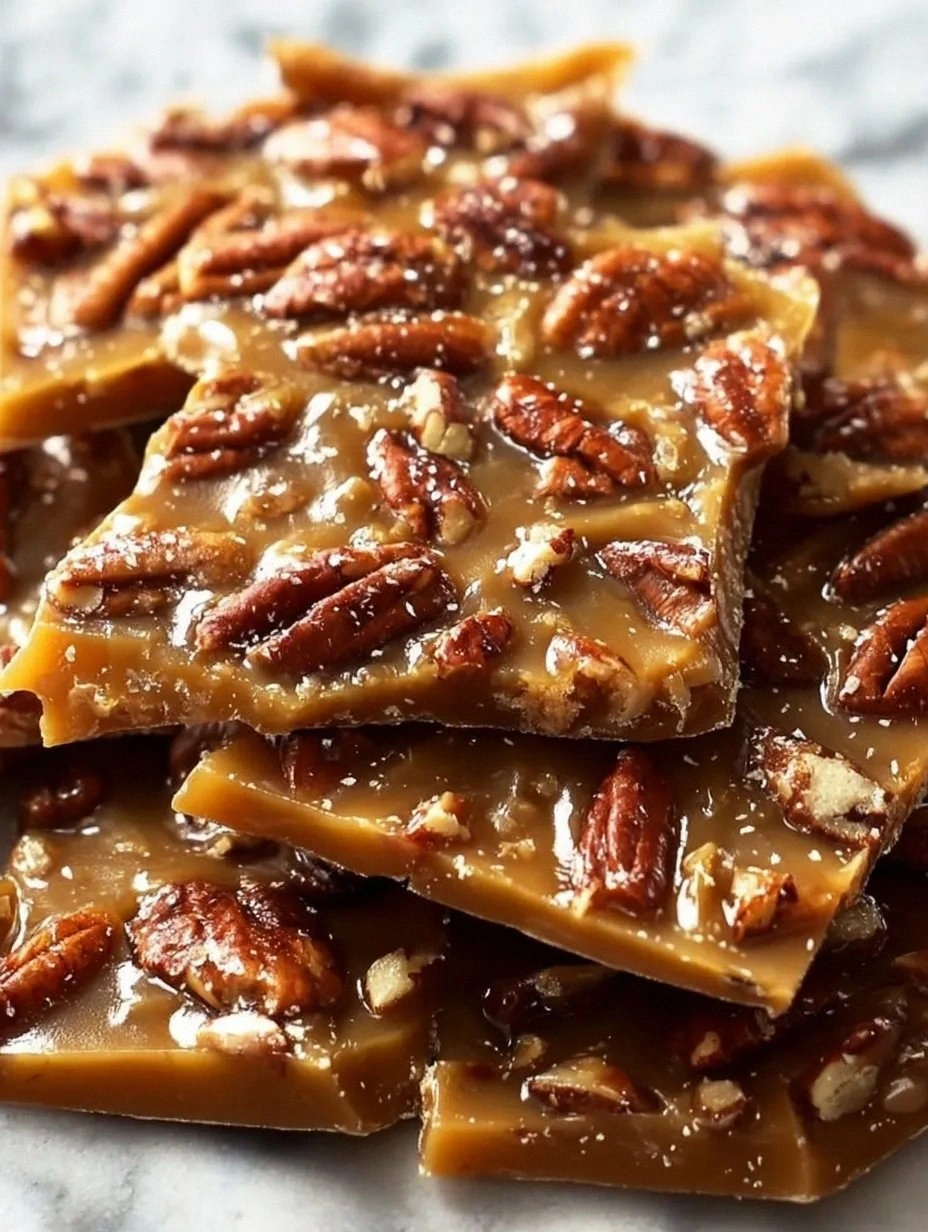
The moment the butter hits the pan, the kitchen fills with a sweet, caramel‑kissed perfume that makes you feel like a kid in a candy store. You can hear the gentle sizzle, a sound that promises crunchy, caramelized perfection, while the glossy brown sugar melts into a silky river of amber. The pecans, toasted to a golden hue, release a buttery aroma that mingles with the vanilla, creating a symphony that dances on the nose. The texture? Imagine a crisp edge that shatters like thin ice, giving way to a chewy, buttery core that melts on the tongue—pure bliss in every bite.
What makes this version a cut above the rest is a tiny, seemingly insignificant secret ingredient: a splash of heavy cream that turns the toffee from brittle to buttery silk, and a dash of sea‑salt flakes that adds that perfect pop of contrast. Most recipes get this completely wrong, either over‑cooking the sugar or skimping on the nuts, resulting in a brittle that snaps before it melts. I’ve been honest — I ate half the batch before anyone else got to try it, because it’s just that addictive. If you’ve ever struggled with a toffee that hardens into a rock, you’re not alone — and I’ve got the fix.
Okay, ready for the game‑changer? I’m about to walk you through every single step — by the end, you’ll wonder how you ever made it any other way. Picture yourself pulling this out of the oven, the whole kitchen smelling incredible, the glossy chocolate drizzle catching the light like a midnight river. I dare you to taste this and not go back for seconds. Let’s dive in and make some magic.
What Makes This Version Stand Out
- Flavor Explosion: The buttery base is enriched with heavy cream, giving the toffee a velvety mouthfeel that’s impossible to achieve with butter alone.
- Crunchy Contrast: Toasted pecans add a nutty crunch that balances the smooth caramel, creating a textural dance that keeps you reaching for more.
- Simple Yet Sophisticated: Only seven core ingredients, yet each one shines; no obscure pantry items that make you run to the store at midnight.
- Show‑Stopping Presentation: A glossy chocolate drizzle paired with flaky sea‑salt makes this bark look like it belongs on a bakery display.
- Crowd‑Pleaser: Whether it’s a holiday party or a casual movie night, this bark gets rave reviews and empty plates.
- Ingredient Quality: Using real butter (not margarine) and fresh pecans elevates the flavor profile from “good” to “extraordinary.”
- Cooking Method Mastery: Precise temperature control ensures the toffee stays soft enough to bite but firm enough to hold its shape.
- Make‑Ahead Magic: Store it for up to two weeks, and it only gets better as the flavors meld together.
Inside the Ingredient List
The Flavor Base
Unsalted Butter (1 cup): This is the heart of the toffee. Using real butter gives a rich, creamy depth that margarine can’t mimic. If you skip it, you’ll end up with a waxy texture that feels like chewing on a candle. For the best flavor, choose European‑style butter with at least 82% fat. Swap: For a dairy‑free version, use a high‑fat coconut oil, but expect a subtle coconut note.
Brown Sugar (1 cup, packed): The molasses in brown sugar adds that caramel‑like undertone and a hint of earthiness. Over‑packing can make the toffee overly sweet, while under‑packing leaves it flat. When shopping, look for a dark, moist sugar that clumps together—those are the sweetest. Swap: Dark demerara works in a pinch, though you’ll lose some of the deep molasses flavor.
Heavy Cream (½ cup): This secret weapon transforms the toffee from brittle to buttery silk, preventing a hard‑as‑rock finish. It also adds a luxurious mouthfeel that makes each bite melt slowly. If you forget it, the toffee will harden too quickly and become difficult to break. Swap: Full‑fat coconut milk can replace cream for a dairy‑free twist, but the texture will be slightly less buttery.
Vanilla Extract (1 tsp): A splash of vanilla lifts the entire flavor profile, adding a sweet aromatic backdrop that complements the pecans. Use pure vanilla, not imitation, for the most authentic taste. Skipping it makes the toffee taste one‑dimensional. Swap: A pinch of almond extract can add a nutty nuance, but use sparingly.
The Texture Crew
Pecan Halves (2 cups, toasted): Toasted pecans bring a crunchy contrast and a buttery richness that’s essential for that nutty punch. If you use raw pecans, they’ll stay soft and won’t deliver that satisfying snap. When toasting, watch them closely—just a few minutes in a hot pan, and they’re golden brown and fragrant. Swap: Almonds or walnuts can substitute, but the flavor will shift toward a different nut profile.
Sea‑Salt Flakes (½ tsp): A light sprinkle of flaky sea salt on top creates a sweet‑and‑salty harmony that makes the bark unforgettable. Too much salt will dominate; too little, and you miss the contrast. Use a fine mesh to distribute evenly. Swap: If you’re out of sea‑salt, a pinch of flaky Himalayan pink salt works just as well.
The Unexpected Star
Dark Chocolate (8 oz, chopped): The chocolate drizzle adds a glossy finish and a bitter counterpoint to the sweet toffee. Choose at least 60% cacao for a balanced flavor—lower percentages become too sweet and melt too quickly. If you melt it too fast, it can seize; gentle heat is key. Swap: Milk chocolate for a sweeter version, or white chocolate for a creamy contrast.
The Final Flourish
Pinch of Salt (optional): A tiny pinch of regular salt can enhance the overall flavor, making the sweet notes pop even more. It’s easy to overlook, but it makes a world of difference. Swap: No swap needed; this is truly optional.
Everything's prepped? Good. Let’s get into the real action—this is where the magic truly begins.
The Method — Step by Step
Preheat your oven to 350°F (175°C) and line a large rimmed baking sheet with parchment paper. While the oven warms, toss the pecan halves onto a baking tray, drizzle with a teaspoon of melted butter, and sprinkle a pinch of salt. Roast for 8‑10 minutes, stirring halfway, until they’re fragrant and lightly browned. That sizzle when they hit the pan? Absolute perfection. Watch Out: Keep a close eye—pecans can go from toasted to burnt in seconds.
Kitchen Hack: After toasting, spread the pecans on a cooling rack; this prevents them from steaming and losing crunch.While the pecans cool, melt the unsalted butter in a heavy‑bottomed saucepan over medium heat. Once melted, whisk in the packed brown sugar until the mixture becomes a smooth, glossy paste. Add the heavy cream slowly, stirring constantly to avoid lumps. The mixture will bubble vigorously—this is the caramel base forming. Let it boil for 3‑4 minutes, then reduce the heat to a gentle simmer.
Now comes the crucial temperature checkpoint: attach a candy thermometer to the side of the pan, making sure it doesn’t touch the bottom. Cook the mixture until it reaches 300°F (hard‑ball stage). You’ll notice the edges pulling away from the pan and the aroma turning deep caramel. This is the moment of truth—don’t rush it, or you’ll end up with burnt sugar.
Watch Out: If the temperature spikes above 310°F, the toffee will become hard and brittle; remove from heat immediately.Once the thermometer reads 300°F, immediately remove the pan from the heat. Stir in the vanilla extract; you’ll hear a gentle pop as the alcohol sizzles away. Let the toffee sit for a minute to settle—this short rest helps the texture stay silky.
Quickly pour the hot toffee onto the prepared parchment sheet, spreading it with a silicone spatula into an even ¼‑inch layer. The toffee should spread easily; if it resists, give it a gentle tap on the counter to level out. While it’s still warm, sprinkle the toasted pecan halves evenly across the surface, pressing them down lightly so they adhere.
Now, melt the dark chocolate in a heat‑proof bowl over a pot of simmering water (bain‑marie) or in short bursts in the microwave, stirring every 20 seconds. The chocolate should become glossy and fluid, not grainy. Drizzle the melted chocolate over the toffee in a zig‑zag pattern, then use the back of a spoon to swirl it gently for a marbled effect.
Kitchen Hack: Add a teaspoon of coconut oil to the chocolate; it gives a shinier finish and makes the drizzle set faster.While the chocolate is still wet, sprinkle the flaky sea‑salt over the entire bark. The salt crystals will sit atop the chocolate, creating those delightful little bursts of flavor that make the palate sing. This step is quick, but don’t skip it—without the salt, the sweetness can become overwhelming.
Allow the bark to cool at room temperature for about 20 minutes, then transfer the sheet to the refrigerator for another 30 minutes. This cooling period lets the toffee set firmly while keeping the chocolate glossy. When you lift the parchment, the bark should lift cleanly without tearing.
Once fully set, break the bark into irregular shards using your hands or a sharp knife. The pieces will have a crisp edge, a buttery interior, and a glossy chocolate coating—exactly what you imagined. Store the shards in an airtight container, and you’ve got a snack that stays fresh for weeks.
That’s it — you did it. But hold on, I’ve got a few more tricks that’ll take this to another level, from flavor‑boosting glazes to presentation hacks that will make your guests think you hired a pastry chef.
Insider Tricks for Flawless Results
The Temperature Rule Nobody Follows
Never rely on “look‑and‑feel” alone when making toffee; a candy thermometer is your best friend. The hard‑ball stage (300°F) guarantees that perfect snap without turning the mixture into a rock. I once tried to eyeball it and ended up with a brittle that shattered like glass. Keep the thermometer calibrated, and you’ll never have to guess again.
Why Your Nose Knows Best
Before you even check the temperature, trust the aroma. When the toffee begins to emit a deep, buttery caramel scent, you’re approaching the right stage. If it smells faintly of sugar, you’re still in the early phase; if it smells almost burnt, you’ve overshot. Your nose is a reliable, low‑tech thermometer—listen to it.
The 5‑Minute Rest That Changes Everything
After reaching 300°F, remove the pan and let the mixture sit for exactly five minutes before adding vanilla. This short rest allows the sugar crystals to settle, preventing graininess. Skipping this rest will give you a gritty texture that feels like chewing on sand. I learned this the hard way when a batch turned out “sand‑y.”
Cool, Then Chill
Rapid cooling can cause the toffee to contract unevenly, leading to cracks. Let the bark cool at room temperature first, then move it to the fridge for a final set. This two‑step cooling gives you a smooth surface and a uniform snap. I’ve seen bakers rush this step and end up with a jagged, uneven bark.
Chocolate Glaze Secrets
For a glossy, snap‑ready chocolate coat, add a teaspoon of butter or coconut oil to the melted chocolate. This emulsifier creates a thin film that sets quickly and shines like a polished stone. Without it, the chocolate can develop a dull, matte finish. Try it the next time you drizzle, and watch the eyes light up.
Creative Twists and Variations
This recipe is a playground. Here are some of my favorite ways to switch things up:
Maple‑Pecan Fusion
Swap half the brown sugar for pure maple syrup and add a drizzle of extra maple on top. The result is a toffee with a deep, woody sweetness that pairs beautifully with the pecans. Perfect for a fall gathering when you want that cozy cabin vibe.
Spicy Chili Chocolate
Infuse the melted dark chocolate with a pinch of cayenne pepper or a dash of chipotle powder. The subtle heat cuts through the sweet butter, creating a sophisticated sweet‑and‑spicy bite that’s perfect for adventurous palates.
White Chocolate & Almond Delight
Replace dark chocolate with white chocolate and swap pecans for toasted almond slivers. The creamy sweetness of white chocolate complements the buttery almond, delivering a lighter, pastel‑colored bark that’s great for spring celebrations.
Salted Caramel Espresso
Stir a teaspoon of finely ground espresso into the toffee just before it reaches 300°F, and finish with a light dusting of sea‑salt. The coffee notes deepen the caramel flavor, making it a sophisticated treat for coffee lovers.
Nut‑Free Coconut Dream
If you’re avoiding nuts, replace pecans with toasted coconut flakes. The coconut adds a tropical crunch and a subtle sweetness that pairs wonderfully with the buttery toffee. Top with a sprinkle of toasted coconut for extra texture.
Storing and Bringing It Back to Life
Fridge Storage
Place the broken shards in an airtight container lined with parchment paper. Store in the refrigerator for up to two weeks. The cool environment keeps the chocolate firm and the toffee from becoming sticky. When you’re ready to serve, let it sit at room temperature for 10 minutes to soften slightly.
Freezer Friendly
For longer storage, wrap the bark tightly in a double layer of foil and then place it in a freezer‑safe bag. It will keep for up to three months without losing flavor. To revive, transfer to the fridge for an hour, then let it warm on the counter for 15 minutes.
Best Reheating Method
When the bark feels a bit too hard, place a tiny splash of water in a microwave‑safe bowl and heat the bark for 10‑15 seconds. The steam gently softens the chocolate and toffee without melting them completely. This trick restores the perfect snap and glossy finish.