I remember the night the grill was a battlefield and my culinary confidence was on thin ice. My friends were laughing as I tried to char a chicken breast that ended up looking more like a charred marshmallow than a savory skewer. I stared at the smoky mess, realizing that the secret to turning a simple barbecue into a show‑stopper lies not in the grill itself, but in how you build the flavor foundation. That night I vowed to craft a version of chicken and vegetable skewers that would make every backyard cook feel like a Michelin‑star chef.
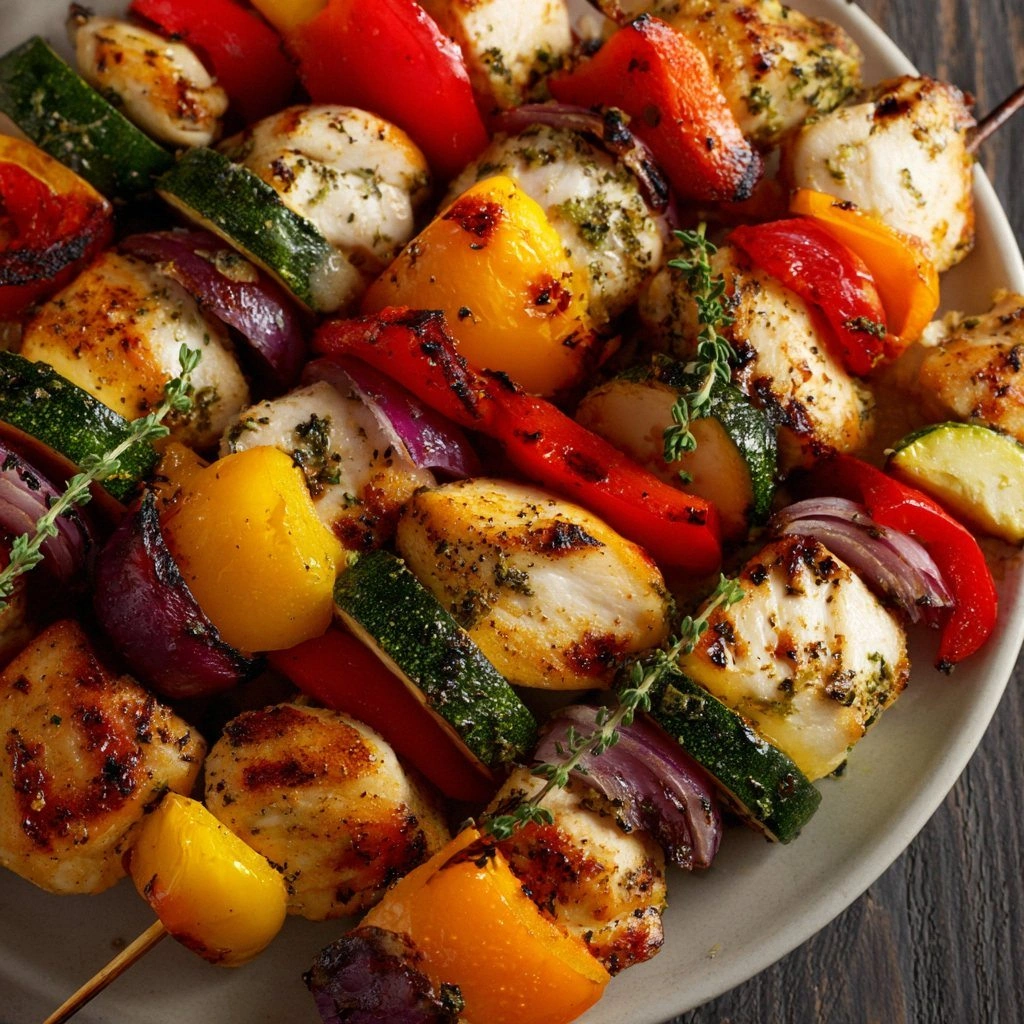
Picture this: a sizzling rack of colorful vegetables, each piece kissed by a brush of olive oil, a whisper of smoked paprika, and a splash of lemon zest. The air is thick with the aroma of fresh herbs and the metallic tang of grill grates. The sound of the first sear is a satisfying crackle that promises caramelized edges. When you bite, the chicken is juicy and tender, the vegetables crisp yet tender, and the sauce—an herbaceous glaze—wraps everything in a silky, slightly tangy coat that feels like velvet on your palate. If you’re tired of bland, over‑cooked skewers, this recipe is your ticket to flavor fireworks.
What makes this version stand out? I dare you to taste this and not go back for seconds. The recipe balances simplicity and sophistication: a few high‑quality ingredients, a quick marination, and a grill technique that locks in juices. It’s not just about grilling; it’s about creating a sensory experience that turns a meal into a memory. The combination of fresh veggies, a zesty herb sauce, and the smoky char of the grill will have your guests asking for the recipe the next time you host. By the end of this guide, you’ll wonder how you ever made it any other way.
Now, let’s walk through every single step. From the moment you pick the chicken to the final drizzle of sauce, I’ll give you insider tips, kitchen hacks, and the exact timing that guarantees perfection. This is hands down the best version you’ll ever make at home, and I’ll prove it with every word.
What Makes This Version Stand Out
- Taste: The blend of lemon zest, fresh oregano, and smoked paprika creates a bright, smoky, and slightly citrusy profile that elevates the chicken without overpowering the vegetables.
- Texture: The quick sear locks in moisture, giving the chicken a succulent center, while the vegetables stay crisp‑tender, preventing the dreaded soggy skewer.
- Ease: All marination happens in 10 minutes, and the grilling takes just 20 minutes—perfect for a busy weeknight.
- Visual Appeal: The vibrant colors of bell pepper, zucchini, and cherry tomato make the dish look as good as it tastes, turning any dinner into a feast.
- Make‑Ahead: You can prep the skewers up to 24 hours ahead, marinating in the fridge for deeper flavor, then grill just before serving.
- Kid‑Friendly: The mild flavor and fun skewers format make it a hit with children, turning dinner prep into a family activity.
- Health‑Focused: Lean chicken breast, low‑fat veggies, and a light olive oil glaze keep calories in check while delivering protein and fiber.
- Versatility: Swap out vegetables or adjust seasonings for different cuisines—Mediterranean, Asian, or Southwestern—without changing the core technique.
Alright, let's break down exactly what goes into this masterpiece...
Inside the Ingredient List
The Flavor Base
Olive oil (2 tbsp): It’s the carrier that brings all the spices together. Olive oil also helps the garlic and paprika form a cohesive glaze on the grill. Skipping it would leave the vegetables dry and the chicken less flavorful. If you’re avoiding oil, try a splash of soy sauce or a light mist of citrus juice for moisture.
Lemon zest (1 tsp): A burst of citrus brightens the dish and cuts through the richness of the chicken. If you’re out of fresh lemons, use a pinch of lemon juice as a substitute, but the zest’s aromatic oils are irreplaceable. Choose lemons that feel heavy for their size to ensure the zest is juicy.
Fresh oregano (1 tbsp chopped): Oregano lends a Mediterranean depth that balances the sweetness of the vegetables. If you can’t find oregano, thyme or rosemary can work, though the flavor profile will shift slightly. Use dried oregano only if fresh isn’t available; add it at the end of the grill to prevent bitterness.
The Texture Crew
Chicken breast (1.5 lbs, cut into 1‑inch cubes): Lean chicken is essential for a healthy dish, but the key is cutting it into uniform pieces so they cook evenly. If you use thighs, be aware they’ll take a bit longer to cook and might dry out if over‑grilled. Marinate the chicken in the oil and spices to infuse moisture.
Bell peppers (2, any color, diced): The sweet, crisp bite of bell pepper contrasts beautifully with the smoky char. Use a mix of colors for visual appeal. If you’re short on bell peppers, substitute with red cabbage or snap peas for a different crunch.
Zucchini (1 large, sliced into rounds): Zucchini offers a mild flavor and a slightly chewy texture that holds up well on the grill. Slice them thick enough to prevent them from falling through the skewers. If zucchini is out of season, eggplant works, but watch the cooking time.
Cherry tomatoes (1 cup): They burst with juice, adding a sweet pop that balances the savory elements. If you prefer a firmer bite, use grape tomatoes or half‑cut regular tomatoes. Keep them whole to avoid excessive dripping onto the grill.
The Unexpected Star
Red onion (1 medium, cut into wedges): Red onion adds a subtle sharpness that cuts through the richness of the chicken. Its color also enhances the dish’s visual appeal. If you dislike onions, try replacing them with scallions or fennel for a different flavor profile.
The Final Flourish
Smoked paprika (1 tsp): It’s the secret agent that brings the smoky flavor without needing a charcoal pit. If you can’t find smoked paprika, use regular paprika and add a pinch of liquid smoke for a similar effect. This spice is the difference between a good skewer and a memorable one.
Garlic powder (1 tsp): Garlic powder is a convenient way to add depth without the prep of fresh cloves. For a fresher bite, use minced garlic, but be careful not to over‑coat the skewers. The garlic enhances the overall savory profile.
Salt & pepper to taste: Seasoning is the final touch that brings everything together. Salt brings out the natural sweetness of the veggies, while pepper adds a subtle heat. Remember to season the chicken before grilling and adjust after cooking.
Everything's prepped? Good. Let's get into the real action...
The Method — Step by Step
- Marinate the chicken: In a bowl, combine olive oil, lemon zest, oregano, smoked paprika, garlic powder, salt, and pepper. Toss the chicken cubes until they’re evenly coated. Cover and refrigerate for 10 minutes; for deeper flavor, let them sit for up to 24 hours. This step ensures each bite is juicy and infused with aromatic spices.
- Prep the veggies: While the chicken marinates, cut the bell peppers, zucchini, cherry tomatoes, and red onion into bite‑sized pieces. Keep the veggies uniform to guarantee even cooking. If you’re using wooden skewers, soak them in water for 30 minutes now to prevent burning.
- Preheat the grill: Heat your grill to medium‑high (about 400°F). If using charcoal, let the coals reach a consistent gray heat. A properly heated grill is crucial for that coveted sear and to avoid sticking.
- Skewer the ingredients: Alternate chicken and vegetables on each skewer, starting with a piece of chicken, then a pepper, a zucchini slice, a tomato, an onion wedge, and finish with another chicken cube. This layering locks in juices and creates a balanced bite.
- Grill the skewers: Place the skewers on the grill, turning every 2–3 minutes. After 10 minutes, you should see the first signs of char and a fragrant aroma. The chicken should reach an internal temperature of 165°F. The vegetables should be slightly blistered but still retain a crisp bite.
- Finish with a glaze: While the skewers finish cooking, whisk together a tablespoon of honey, a splash of soy sauce, and a pinch of crushed red pepper for a quick glaze. Brush this onto the skewers during the last minute of grilling for a glossy, caramelized finish.
- Rest and serve: Remove the skewers from the grill and let them rest for 3 minutes. This allows juices to redistribute, ensuring each bite stays moist. Serve immediately with a side of quinoa or a fresh green salad.
- Optional garnish: Sprinkle chopped parsley or cilantro over the skewers for a burst of freshness. A squeeze of fresh lemon juice right before serving adds a bright, zesty lift.
That's it — you did it. But hold on, I've got a few more tricks that'll take this to another level...
Insider Tricks for Flawless Results
The Temperature Rule Nobody Follows
Maintain a steady grill heat: Many cooks let the grill temperature fluctuate, causing uneven cooking. Set your grill to 400°F and use a grill thermometer to keep it consistent. If the heat drops, add more charcoal or close the lid to retain heat.
Why Your Nose Knows Best
Smell the grill: A faint, sweet scent of caramelized sugar indicates the grill is ready. If you smell strong smoke or burnt oil, reduce the heat. Your nose is the first line of defense against over‑charred skewers.
The 5-Minute Rest That Changes Everything
Let the skewers rest: Resting after grilling allows juices to redistribute, preventing them from spilling onto the plate. A 5‑minute rest also lets the charred edges settle, giving a smoother bite.
Marinate Overnight for Depth
Refrigerate the marinated chicken: Leaving the chicken in the fridge overnight intensifies the flavors. The acid from the lemon zest and the spices penetrate deeper, giving each bite a complex profile.
Use a Rotating Skewer for Even Cooking
Rotate the skewers: Every 2–3 minutes, turn the skewers 180 degrees to ensure even char on all sides. This simple motion prevents one side from becoming too dark while the other stays pale.
Creative Twists and Variations
This recipe is a playground. Here are some of my favorite ways to switch things up:
Mediterranean Flair
Swap oregano for dried mint, add a splash of feta crumbles, and serve with a tzatziki sauce. The cool yogurt and cucumber combo balances the smoky char, making it a refreshing summer dish.
Asian Twist
Replace smoked paprika with five‑spice powder, drizzle soy sauce, and sprinkle sesame seeds. Finish with a squeeze of lime and a sprinkle of chopped scallions for a vibrant, umami‑rich experience.
Southwestern Kick
Add a pinch of cumin and chipotle powder to the glaze, and serve with a side of corn tortillas and a dollop of guacamole. The smoky heat pairs wonderfully with the fresh veggies.
Vegan Version
Replace chicken with marinated tofu cubes or seitan. Keep the same vegetables and grill them the same way. The tofu will absorb the spices and provide a protein punch for a plant‑based twist.
Pineapple Party
Add chunks of fresh pineapple to the skewers for a tropical sweetness. The caramelization of the pineapple will contrast beautifully with the smoky vegetables.
Cheesy Finale
Grill the skewers until the edges are crisp, then sprinkle shredded mozzarella or cheddar on top. Return to the grill for 1–2 minutes until the cheese melts into gooey ribbons.
Storing and Bringing It Back to Life
Fridge Storage
Cool the cooked skewers to room temperature, then store them in an airtight container for up to 3 days. Reheat in a skillet over medium heat, adding a splash of water to keep them from drying out. The vegetables will stay crisp, and the chicken will remain juicy.
Freezer Friendly
Wrap each skewer tightly in plastic wrap, then place them in a freezer bag. They’ll keep for up to 2 months. Thaw overnight in the fridge before reheating. Reheat on a grill or in a skillet; the char will revive, giving a fresh taste.
Best Reheating Method
The best way to bring these back to life is a quick grill or pan‑fry. Heat a skillet over medium‑high, add a teaspoon of oil, and sear the skewers for 2 minutes on each side. The quick heat restores the smoky edges and keeps the interior moist.