
I'm standing at my kitchen counter at 7:43 p.m. on a Tuesday, staring down a pack of cod fillets that are starting to look at me with accusation. My stomach is growling like an angry bear, my phone is buzzing with "what's for dinner?" texts, and I'm this close to throwing in the towel and ordering Thai food again. But then I remember the lime sitting in my fruit bowl, the chili flakes winking at me from the spice rack, and something clicks. Twenty minutes later, I'm plating what might be the most outrageously flavorful fish I've ever pulled out of my own oven—crispy edges giving way to buttery flesh, with this insane chili-lime situation that makes my taste buds do a happy dance. My roommate wanders in, takes one bite, and literally stops mid-chew to stare at me like I've just performed some kind of culinary sorcery. That's the moment I knew this recipe needed to escape my kitchen and find its way into yours.
Here's the thing about cod—everyone treats it like the wallflower of the seafood world, all bland and boring and begging to be smothered in tartar sauce. But what if I told you that with the right aggressive flavors and a technique so simple it feels like cheating, you could transform this humble white fish into something that tastes like it came from a beachside shack in Baja where the chef has secrets he's not sharing? The chili-lime combo here isn't just a cute name—it's a full-on flavor assault that makes the fish taste like it's been partying in a marinade for hours when really it's been, oh, about eight minutes. The acidity of the lime doesn't just brighten the dish; it actually changes the texture of the fish, firming it up just enough so it holds together while still flaking into perfect segments when you press your fork against it.
Most recipes get this completely wrong. They either go too gentle and you end up with fish that tastes like, well, cod with some stuff on it, or they go nuclear and obliterate the delicate flavor of the fish entirely. This version walks that tightrope perfectly—the chili brings heat that builds slowly rather than punching you in the face, while the lime adds this electric zing that makes your mouth water for the next bite before you've even finished the first one. And the best part? You probably have everything you need right now. No specialty ingredients, no overnight marinating, no fancy techniques that require culinary school. Just honest ingredients doing honest work to make your dinner taste like a million bucks.
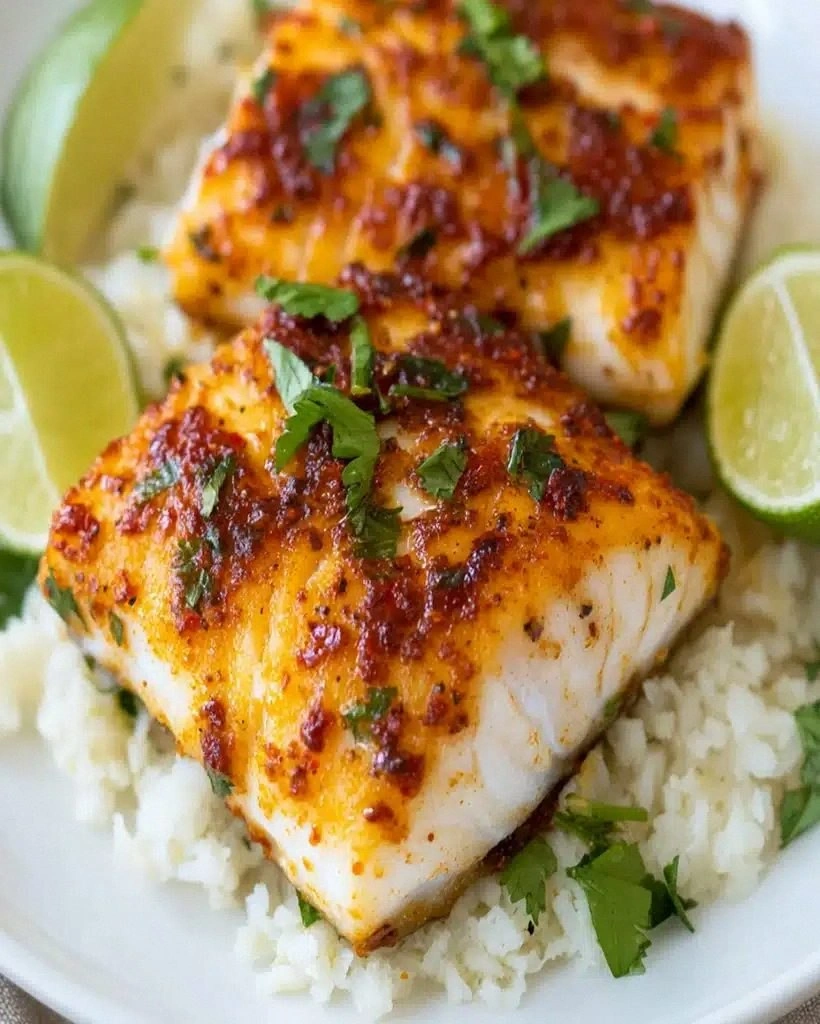
Picture yourself pulling this out of the oven, the whole kitchen smelling like you've been transported to some coastal paradise where the air is thick with citrus and sea salt. The fillets are glistening with this gorgeous reddish-gold crust, the edges caramelized and crispy, the centers so tender they practically sigh when you cut into them. Your family thinks you've been slaving away for hours, but really you've been sipping wine and dancing to that playlist you pretend you don't love. Let me walk you through every single step—by the end, you'll wonder how you ever made it any other way.
What Makes This Version Stand Out
Lightning Fast: From fridge to plate in under 25 minutes, making this the answer to every "what's for dinner" panic attack. The active cooking time is barely 12 minutes, which means you can start this when you get home from work and be eating before your favorite show starts streaming. The secret is in the way we layer flavors—every ingredient pulls double duty so nothing needs hours to develop depth.
Flavor Bomb: The chili-lime marinade isn't just a surface treatment; it actually penetrates the fish in record time thanks to the acid in the lime juice creating microscopic channels in the protein. This means every bite, not just the edges, is packed with that bright, spicy, addictive flavor that makes you close your eyes and say "wow" out loud like some kind of food commercial cliché.
Foolproof Technique: Most fish recipes turn into a flaky disaster because they treat all fillets the same, but this method adjusts for thickness automatically. The high-heat sear followed by a quick finish in the oven means you get restaurant-quality results without any fancy equipment or fish spatulas or those ridiculous parchment paper packets that never work anyway.
Weeknight Hero: Everything comes together in one pan, which means you can literally throw some vegetables around the fish and call it a complete meal. The chili-lime mixture does triple duty as marinade, cooking sauce, and finishing glaze, so you're not juggling six different bowls and timers like some kind of circus act.
Crowd Pleaser: Kids love the mild fish with just enough kick to be exciting but not scary, while adults appreciate the sophisticated flavor profile that doesn't taste like "healthy food" even though it absolutely is. I've served this to people who claim they hate fish and watched them go back for seconds, then ask for the recipe with this sheepish look like they're betraying some childhood vow.
Meal Prep Magic: The marinade works just as well on chicken, shrimp, or even tofu, so you can make a double batch and use it all week on different proteins. It keeps in the fridge for five days and actually gets better as the flavors meld, which means Sunday-you can set up Wednesday-you for a ridiculously easy dinner.
Restaurant Quality: The combination of fresh lime zest, good olive oil, and proper sea salt creates this glossy finish that makes the fish look like it came from a professional kitchen. The chili flakes toast slightly during cooking, releasing their oils and creating these gorgeous red freckles across the surface that make everyone think you know what you're doing even if you're just winging it.
Alright, let's break down exactly what goes into this masterpiece...
Inside the Ingredient List
The Flavor Base
The cod itself is obviously the star here, but not all cod is created equal. Look for fillets that are about an inch thick—any thinner and they'll overcook before the edges get crispy, any thicker and the center stays alarmingly raw while the outside turns to cardboard. The fish should smell like the ocean on a good day, not like low tide at a polluted beach. If it smells fishy, it's old, and no amount of chili-lime magic can save tired seafood. When you press it with your finger, it should spring back rather than leaving an indentation that holds like some kind of creepy fish memory foam.
Fresh limes are non-negotiable here—bottled lime juice tastes like liquid disappointment and has this weird metallic aftertaste that'll ruin everything. You need two limes for this recipe: one for zesting and juicing into the marinade, and one to cut into wedges for serving. The zest is where all the bright, floral oils live, and those oils are what make your kitchen smell like a tropical paradise instead of, well, fish. When you're zesting, stop at the bright green part—dig into the white pith underneath and you'll add a bitterness that tastes like you accidentally grated some aspirin into dinner.
Garlic plays a supporting role here, but it's crucial for building that savory backbone that makes the dish taste complete rather than just like fish with some stuff on it. One large clove, minced so fine it practically dissolves, adds this subtle earthiness that bridges the gap between the bright lime and the spicy chili. Don't use that pre-minced jarred stuff—it tastes like garlic's bitter cousin and has this weird chemical bite that lingers in your mouth like a bad memory.
The Heat Factor
Chili flakes are where you get to play mad scientist with the heat level. I use a full teaspoon because I like my food to have personality, but you can dial it back to half if you're cooking for people who think black pepper is spicy. The key is adding them to the oil before the fish hits the pan—this toasts them slightly, releasing their oils and taming some of that aggressive heat while adding this gorgeous red color that makes the oil look like liquid sunset. Don't substitute chili powder here—it's a completely different beast with added cumin and garlic that'll muddy the clean, bright flavors we're building.
A pinch of smoked paprika adds this subtle background note that makes people ask "what is that?" in the best possible way. It's not enough to taste smoky, just enough to add complexity and make the chili flavor seem deeper and more interesting. If you don't have smoked paprika, regular works fine, but you'll miss that extra dimension that makes people think you've got some secret spice connection. The sweet paprika you use for deviled eggs won't cut it here—you need the good Spanish stuff that actually tastes like something.
The Texture Crew
Olive oil isn't just for cooking—here it's actually part of the flavor profile. Use the good stuff, the kind that tastes like olives instead of like nothing. Three tablespoons might seem like a lot, but remember we're making a marinade that doubles as a cooking medium, and olive oil carries all those fat-soluble flavors from the chili and garlic directly into the fish. Plus, the oil helps the fish brown properly, creating those crispy edges that shatter like thin ice when you bite into them.
Sea salt is crucial because it dissolves differently than table salt, creating these tiny flavor bombs that burst when you bite into the fish. Kosher salt works too, but avoid iodized table salt—it has this metallic edge that competes with the clean citrus flavors. You need salt in three places: in the marinade to season the fish from the inside out, on the fish right before cooking to draw out moisture and help with browning, and then a final sprinkle at the end to make all the flavors pop like they've been electrically charged.
The Final Flourish
Fresh cilantro might be controversial—half the population thinks it tastes like soap thanks to their genetics—but here it's optional and added at the end so the haters can skip it. If you're team cilantro, chop it roughly and scatter it over the finished dish for this bright, almost citrusy note that ties everything together. The leaves add freshness while the tender stems add a subtle crunch that contrasts beautifully with the flaky fish. If you're a cilantro hater, fresh parsley or even thinly sliced green onions give you that pop of green without the soap opera.
A final squeeze of fresh lime right before serving is non-negotiable. This isn't just about adding more lime flavor—it's about waking up all the other flavors and making them sing in harmony rather than just politely coexisting. The acid brightens everything, cuts through the richness of the oil, and adds this energetic zing that makes your mouth water for the next bite. It's like the difference between a good party and a great party—everything's already good, but that final squeeze is what gets everyone dancing on the furniture.
Everything's prepped? Good. Let's get into the real action...
The Method — Step by Step
-
Start by patting your cod fillets absolutely dry with paper towels—this is not the time to be gentle. Soggy fish equals sad, steamed protein instead of beautifully browned fillets with crispy edges. Press down firmly, flip them over, and press again until the paper towels come away almost dry. If your fish is wet, it won't brown, and you'll miss all those gorgeous caramelized flavors that make this dish taste like it came from a restaurant where they know what they're doing. Season both sides generously with salt and let them sit while you make the marinade—the salt will draw out surface moisture and help create that perfect golden crust.
-
In a shallow bowl big enough to lay a fillet flat, whisk together the olive oil, lime zest, lime juice, minced garlic, chili flakes, and smoked paprika until it looks like a sunset in liquid form. The mixture should be vibrant red with little flecks of green from the lime zest and tiny red dots from the chili. Give it a taste—it should make your tongue tingle pleasantly and leave you wanting another sip. If it's too tame, add a pinch more chili; if it makes you cough, you've gone too far and need to start over because there's no coming back from chili overload.
Kitchen Hack: Microplane zesters are worth their weight in gold here—the fine zest incorporates better into the marinade and releases more oils than the larger holes on a box grater. -
Lay your first cod fillet in the marinade, press it down gently so the mixture flows up and around the sides, then flip it over and make sure every surface is coated. The fish should look like it's been vacationing in Mexico and came back with a gorgeous tan. Repeat with the remaining fillets, nestling them in the bowl so they all get equal access to the good stuff. Let them marinate for exactly 10 minutes—any longer and the acid starts to "cook" the fish ceviche-style, which is not what we're going for here. While they soak, heat your largest skillet over medium-high heat.
-
Your pan needs to be hot enough that when you flick a drop of water in, it dances across the surface like it's got somewhere important to be. Add a tablespoon of the marinade to the pan—it should sizzle enthusiastically and the chili flakes will start to perfume your kitchen immediately. If it just sits there looking sad, your pan isn't hot enough yet. Don't rush this step because the sear is where all the magic happens, creating those crispy edges that contrast so beautifully with the tender interior. The oil should shimmer but not smoke; if it's smoking like a chimney, turn the heat down slightly.
-
Carefully lay the fillets in the pan, presentation side down first because this side will get the most gorgeous color. They should hit the pan with a satisfying sizzle that makes you feel like you know what you're doing. Don't crowd them—if they don't all fit comfortably, cook in batches because crowded fish steams instead of sears and you'll miss all those beautiful caramelized bits. Resist the urge to move them around; let them sit undisturbed for exactly 4 minutes while the bottom develops that perfect golden crust. The edges will start to turn opaque and you'll see the color creeping up the sides like a delicious tide coming in.
Watch Out: If you try to flip the fish and it sticks to the pan, it's not ready yet—wait another 30 seconds and try again. Forcing it tears the beautiful crust off and leaves you with sad, mangled fish. -
When the fillets release easily from the pan with a gentle nudge from your spatula, flip them with confidence and a flick of the wrist. The cooked side should be a deep golden brown with darker spots where the marinade caramelized. Cook the second side for just 2-3 minutes—the fish finishes cooking quickly and you want to avoid the dreaded overcooked, rubbery texture that makes people think they hate fish. The center should still have a slight translucent quality when you remove it from the heat because it will continue cooking from residual heat.
-
Transfer the fillets to a warm plate and let them rest for exactly 2 minutes—this is when the proteins relax and reabsorb their juices, ensuring every bite is moist and flavorful. While they rest, add any remaining marinade to the pan and let it bubble for 30 seconds, scraping up all those gorgeous browned bits from the bottom. This creates a quick sauce that's packed with concentrated flavor and makes you look like you went to culinary school when really you just know not to waste the good stuff.
Kitchen Hack: Warm your serving plates in a 200°F oven for 2 minutes before plating—hot plates keep food from cooling too quickly, giving everyone time to sit down before dinner gets cold. -
Arrange the fillets on your warmed plates, spoon over some of that glossy pan sauce, and finish with a shower of fresh cilantro and an extra squeeze of lime. The fish should flake into perfect segments when you press your fork against it, revealing moist, white flesh that's been completely transformed by its spicy-citrus vacation. Serve immediately with rice to soak up all that incredible sauce, or alongside a simple salad for a lighter meal that still feels incredibly satisfying. Watch as everyone takes their first bite and their eyes go wide with that "whoa, this is good" expression that makes all the effort worthwhile.
That's it—you did it. But hold on, I've got a few more tricks that'll take this to another level...
Insider Tricks for Flawless Results
The Temperature Rule Nobody Follows
Here's where most home cooks go wrong: they cook their fish straight from the fridge, which means the outside is overcooked by the time the inside reaches a safe temperature. Take your cod out of the refrigerator 15 minutes before cooking and let it come to room temperature. This simple step ensures even cooking from edge to edge, so you don't end up with fish that's rubbery on the outside and still cold in the middle. I know, I know—you're thinking about food safety, but 15 minutes on the counter isn't going to hurt anything, and the difference in the final result is absolutely dramatic. Your fish will cook more evenly, brown better, and have that restaurant-quality texture that makes people ask what your secret is.
Why Your Nose Knows Best
Forget timers and thermometers—your nose is the best tool for knowing when this dish is perfectly cooked. When the fish is ready to flip, your kitchen will smell like a beachside grill in the best possible way: toasty garlic, fragrant chili, and something subtly sweet from the caramelizing lime. If it smells like fish, you've gone too far—overcooked cod releases proteins that create that unmistakable fishy aroma that sends dinner guests running for the exit. Trust your instincts here; when it smells like dinner rather than like the aquarium, you're in the sweet spot. My grandmother taught me this trick, and while she couldn't explain the science behind it, she never served overcooked fish in her life.
The 5-Minute Rest That Changes Everything
I know you're hungry and everything smells incredible, but waiting five minutes before serving makes the difference between good fish and legendary fish. During this rest, the proteins relax and reabsorb their juices, meaning each bite is moist and flavorful instead of dry and disappointing. Cover the plate loosely with foil to keep it warm, but don't seal it completely or you'll create steam that ruins your beautiful crispy edges. Use this time to finish your side dishes, pour yourself a glass of wine, or just bask in the admiration of anyone lucky enough to be sharing your table. This is also when you can scrape up all those gorgeous browned bits from the pan and create a quick sauce that'll make you look like you planned this whole elaborate meal when really you just know the value of patience.
Creative Twists and Variations
This recipe is a playground. Here are some of my favorite ways to switch things up:
Tropical Heat Wave
Add a tablespoon of finely diced fresh pineapple to the marinade for a sweet-heat combo that'll transport you straight to a beach bar in Costa Rica. The natural enzymes in pineapple also help tenderize the fish, making it even more melt-in-your-mouth tender. Just don't marinate longer than 10 minutes or the bromelain will turn your cod into mush. Top with fresh mango salsa and serve alongside coconut rice for a meal that tastes like vacation on a plate.
Mediterranean Escape
Swap the chili flakes for a teaspoon of harissa paste and add some chopped fresh oregano to the mix. Replace half the lime juice with lemon and finish with crumbled feta and halved cherry tomatoes that have been blistered in the pan after the fish cooks. The North African spice blend adds complexity while keeping that bright, clean flavor profile that makes this dish so addictive.
Asian Fusion Fun
Replace the olive oil with sesame oil, swap the chili flakes for gochugaru (Korean chili flakes), and add a tablespoon of soy sauce to the marinade. Finish with toasted sesame seeds and thinly sliced scallions for a dish that tastes like it came from a trendy fusion restaurant where everything is served on small plates that cost too much money.
Herb Garden Party
Add a handful of mixed fresh herbs—parsley, cilantro, dill, whatever's growing in your garden or looking sad in your crisper drawer—to the marinade. The herbs add layers of flavor that make the dish taste incredibly fresh and spring-like, even in the dead of winter. This version is particularly good served over a bed of arugula that wilts slightly from the warm fish and pan sauce.
Smoke Show
Add a teaspoon of chipotle powder to the marinade for a smoky heat that builds slowly and lingers pleasantly. The smokiness pairs beautifully with grilled vegetables on the side, and a final sprinkle of smoked salt takes it over the top. This is the version I make when I want to impress people who think they know good fish but have been settling for bland, overcooked disappointment their whole lives.
Butter Lover's Dream
Replace half the olive oil with butter for a richer, more indulgent version that still feels light enough for a weeknight dinner. The butter adds a nutty flavor that complements the chili and lime perfectly, creating a sauce you'll want to drink straight from the pan. Just be careful not to let the butter burn—keep the heat at medium rather than medium-high for this version.
Storing and Bringing It Back to Life
Fridge Storage
Cooked fish keeps for up to 3 days in the refrigerator, but let's be honest—it's never going to be as good as when it's freshly made. Store it in an airtight container with a piece of wax paper pressed directly against the surface to prevent it from drying out and absorbing other fridge flavors. The fish will firm up when cold, so let it come to room temperature before reheating or it'll taste rubbery and sad. If you're planning to eat it cold, flake it over a salad with some of the pan sauce mixed into the dressing for a lunch that'll make your coworkers jealous.
Freezer Friendly
You can freeze the raw marinated fish for up to 2 months, which makes this recipe a meal prep dream. Place the fillets in a single layer in a freezer bag with all the marinade, squeeze out as much air as possible, and lay flat in the freezer. Thaw overnight in the refrigerator and cook as directed, adding an extra minute or two to account for the fish being cold. Don't freeze cooked fish—it gets that weird, cottony texture that makes you wonder why you bothered cooking in the first place.
Best Reheating Method
The microwave is your enemy here—it'll turn your beautiful fish into rubber faster than you can say "leftovers." Instead, place the fish in a steamer basket over simmering water for 3-4 minutes until just warmed through. This gentle method preserves the moisture and texture without overcooking. Alternatively, flake the cold fish into a pan with some vegetables for a quick stir-fry that tastes intentional rather than like sad leftovers. Add a splash of lime juice and maybe a bit more chili to wake up the flavors and no one will know they're eating yesterday's dinner.