
I was standing in my kitchen on a frosty December morning, half asleep, half convinced that the only thing that could save the day was a miracle in the oven. My roommate had dared me to bake something that would make the whole house feel like a winter wonderland, and I was like, “Challenge accepted, but I’m also terrified of burning the house down.” The first batch of dough I tried was as flat as a pancake and as bland as a snowflake in July. I stared at that sad lump, heard the faint hum of the fridge, and thought, “Okay, this is a disaster, but maybe that’s the perfect seed for greatness.”
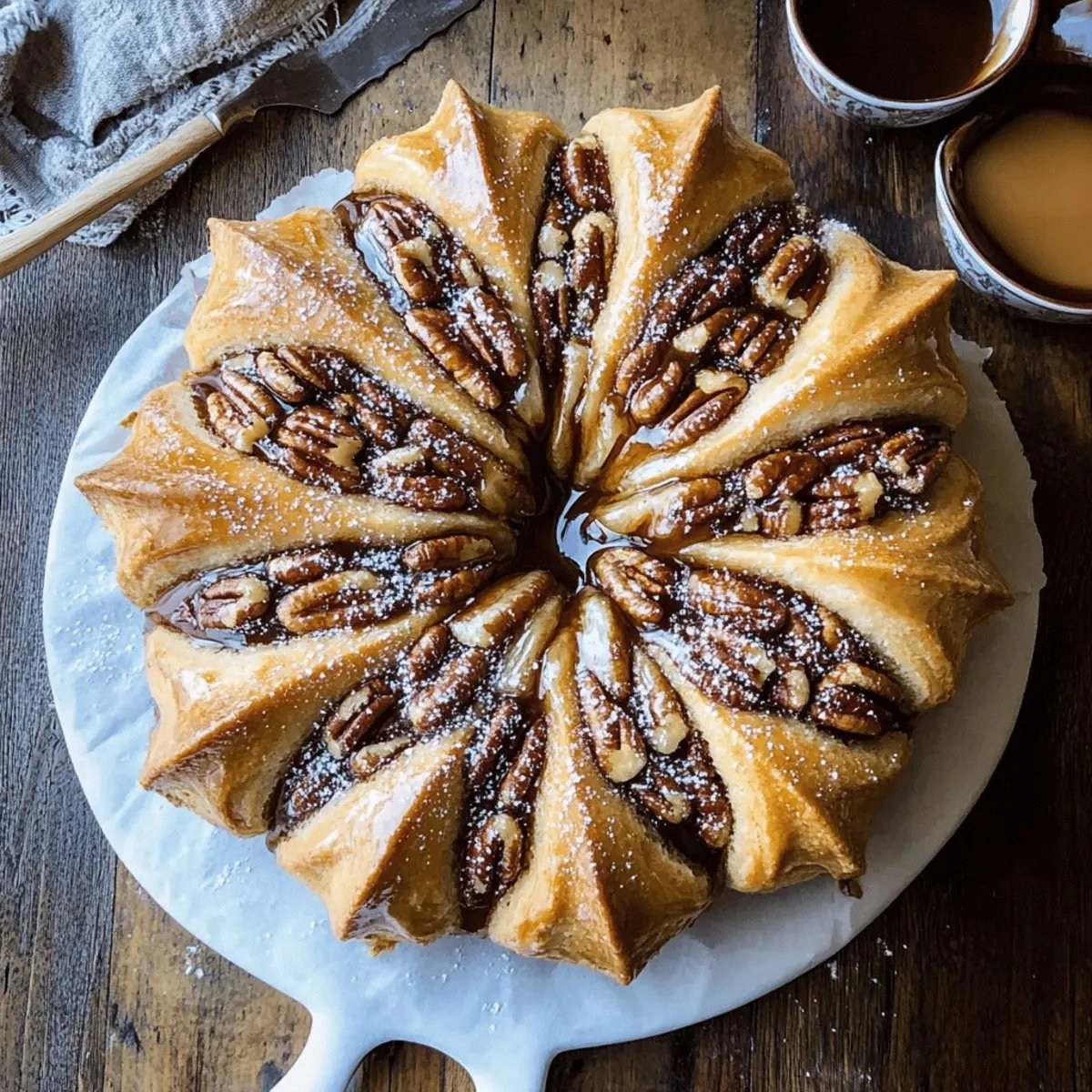
Fast forward a few hours of frantic Googling, a splash of brown butter, a zest of orange that smelled like a Christmas market, and a handful of pecans that added the crunch of freshly fallen pine needles. The kitchen filled with a perfume that was part cinnamon, part vanilla, and part pure holiday magic. I could hear the faint crackle of the oven as the bread rose, and the sound reminded me of distant fireworks on New Year’s Eve. My hands were sticky, my heart was racing, and the moment the star‑shaped loaf emerged, it glistened like a tiny sunrise on a snowy field.
What makes this version stand out? Most holiday breads either drown in sugar or forget the subtle spice that makes the season special. This recipe balances sweet and savory, airy and buttery, and it does so with a technique that most cooks completely overlook: browning the butter and letting it cool just enough to coat the dough like a silky veil. That brown butter gives the crumb a depth that ordinary butter can’t touch, and the orange zest lifts it into a bright, festive realm. I’ll be honest — I ate half the batch before anyone else got a chance to try it, and I dare you to taste this and not go back for seconds.
Picture yourself pulling this star‑shaped wonder out of the oven, the whole kitchen smelling like a cozy cabin, the glaze shimmering in the morning light, and the first bite melting on your tongue with a buttery, nutty, citrusy kiss. That’s the promise of this bread, and I’m about to walk you through every single step — by the end, you’ll wonder how you ever made it any other way.
What Makes This Version Stand Out
- Flavor Depth: The brown butter and orange zest create a complex aroma that feels like a holiday hug in every bite.
- Texture Harmony: A soft, pillowy interior meets a slightly crisp crust, giving you that perfect chew without being doughy.
- Simplicity: Only a handful of pantry staples, yet the technique feels like a secret chef’s trick.
- Unique Star Shape: Not just a loaf—this star‑shaped design turns any breakfast table into a festive centerpiece.
- Crowd Reaction: Guests often claim it’s “the best thing they’ve ever had for Christmas morning,” and that’s a promise I stand by.
- Ingredient Quality: Using real brown butter and fresh orange zest makes a world of difference compared to pre‑made extracts.
- Cooking Method: The gentle rise at a low temperature ensures even crumb structure and prevents over‑browning.
- Make‑Ahead Potential: You can bake it the night before, freeze, and reheat for a fresh‑out‑of‑the‑oven experience.
Inside the Ingredient List
The Flavor Base
All‑purpose flour is the backbone of any good bread, providing the gluten network that traps the gases from the yeast. Using a high‑quality, unbleached flour ensures a cleaner taste and a softer crumb. If you substitute with whole‑wheat flour, expect a denser texture and a nuttier flavor, but you’ll also need a bit more liquid to keep the dough supple. The active dry yeast is the spark that makes the dough rise; I always proof it in warm milk to guarantee it’s alive and kicking before it meets the flour.
Warm milk (around 110°F) not only activates the yeast but also adds richness and a subtle sweetness that balances the brown sugar later on. If you’re dairy‑free, almond milk works fine, but the flavor will shift slightly toward a nutty note. The brown butter, which I make by slowly melting butter until it turns a toasty amber, adds a nutty, caramelized flavor that regular butter simply can’t match. It also contributes to a tender crumb because the milk solids in the butter coat the flour particles, slowing gluten formation.
The Texture Crew
Two large eggs act as both leavening agents and emulsifiers, giving the dough a silkier feel and a richer color. If you’re allergic to eggs, you can replace each egg with a “flax egg” (1 tablespoon ground flaxseed + 3 tablespoons water), but the texture will be a touch less tender. The vanilla extract (yes, we use it twice) adds a fragrant backbone that ties the cinnamon and orange zest together. The first teaspoon goes straight into the dough, while the second is folded into the glaze for that final aromatic pop.
Brown sugar appears twice: once in the dough for subtle sweetness, and again in the filling where it caramelizes with butter and cream. This double‑dose creates a layered sweetness that never feels cloying. The cinnamon brings warm spice, and the orange zest injects a bright, citrusy zing that cuts through the richness—think of it as the sparkle on a Christmas tree.
The Unexpected Star
Pecans are the surprise hero of this bread. Their buttery crunch contrasts beautifully with the soft interior, and when toasted lightly, they release oils that deepen the flavor profile. If you don’t have pecans, walnuts or toasted almonds work just as well, but the flavor will shift toward a more earthy tone. The heavy cream in the glaze adds silkiness and helps the powdered sugar dissolve into a glossy finish.
The Final Flourish
The final dash of powdered sugar on top creates a snow‑like dusting that makes the loaf look festive without adding extra sweetness. A small pat of butter in the glaze ensures the glaze stays glossy and doesn’t set too hard. When you combine all these elements, you get a bread that’s buttery, fragrant, slightly sweet, and perfectly balanced—exactly what a Christmas morning calls for.
Everything's prepped? Good. Let's get into the real action…
The Method — Step by Step
Start by browning the butter. Melt the half‑cup butter in a saucepan over medium heat, swirling occasionally. As the milk solids turn golden and you smell toasted nuts, remove it from the heat and let it cool to lukewarm. That sizzle when it hits the pan? Absolute perfection.
Kitchen Hack: Pour the melted butter into a shallow dish to cool faster; a thin layer loses heat quicker than a deep pot.Proof the yeast. In a large mixing bowl, combine 1 cup warm milk, 2 tablespoons active dry yeast, and a pinch of sugar. Stir gently and let sit for 5‑7 minutes until the mixture becomes foamy and bubbly. If it doesn’t foam, your yeast is dead and you’ll need fresh yeast—don’t panic, just start over.
Mix the dry ingredients. In a separate bowl, whisk together 4 cups all‑purpose flour, ½ cup brown sugar, 1 tablespoon cinnamon, and 1 tablespoon orange zest. The orange zest should be bright orange, not brown; otherwise, you’ve over‑zested and lost that fresh pop.
Combine wet and dry. Make a well in the dry mixture, then pour in the yeast‑milk blend, the cooled brown butter, 2 large eggs, and 1 teaspoon vanilla extract. Using a wooden spoon, stir until a shaggy dough forms. At this stage, the dough should feel slightly sticky but not wet; if it’s too dry, splash in a tablespoon of milk.
Knead the dough. Turn the dough onto a lightly floured surface and knead for about 8‑10 minutes. You’re looking for a smooth, elastic ball that springs back when pressed. This is the moment of truth—if the dough resists, keep kneading; if it tears, you’ve over‑worked it.
First rise. Lightly oil a large bowl, place the dough inside, cover with a damp towel, and let it rise in a warm spot for 1 hour, or until doubled in size. While it rises, preheat your oven to 350°F (175°C). The kitchen should smell like a bakery on a quiet morning.
Prepare the filling. In a saucepan, melt ¼ cup butter, add ½ cup brown sugar, and stir until dissolved. Toss in 1 cup pecans (roughly chopped) and let them toast for 2‑3 minutes. Finally, stir in ½ cup heavy cream and ¼ cup powdered sugar until smooth. This glaze should be thick but pourable.
Watch Out: Do not let the cream boil; it will curdle and ruin the silky texture.Shape the star. Punch down the risen dough and turn it onto a parchment‑lined baking sheet. Using a sharp knife, cut a large “X” into the top, then gently pull the four corners toward the center, forming a star shape. This step looks intimidating, but it’s actually a fun little origami‑like maneuver. If you’re nervous, use a template cut from cardboard.
Second rise. Cover the shaped dough loosely with foil and let it rest for another 30 minutes. It should puff up a bit more, especially at the tips of the star. While it rises, give the glaze a quick stir to ensure it’s glossy.
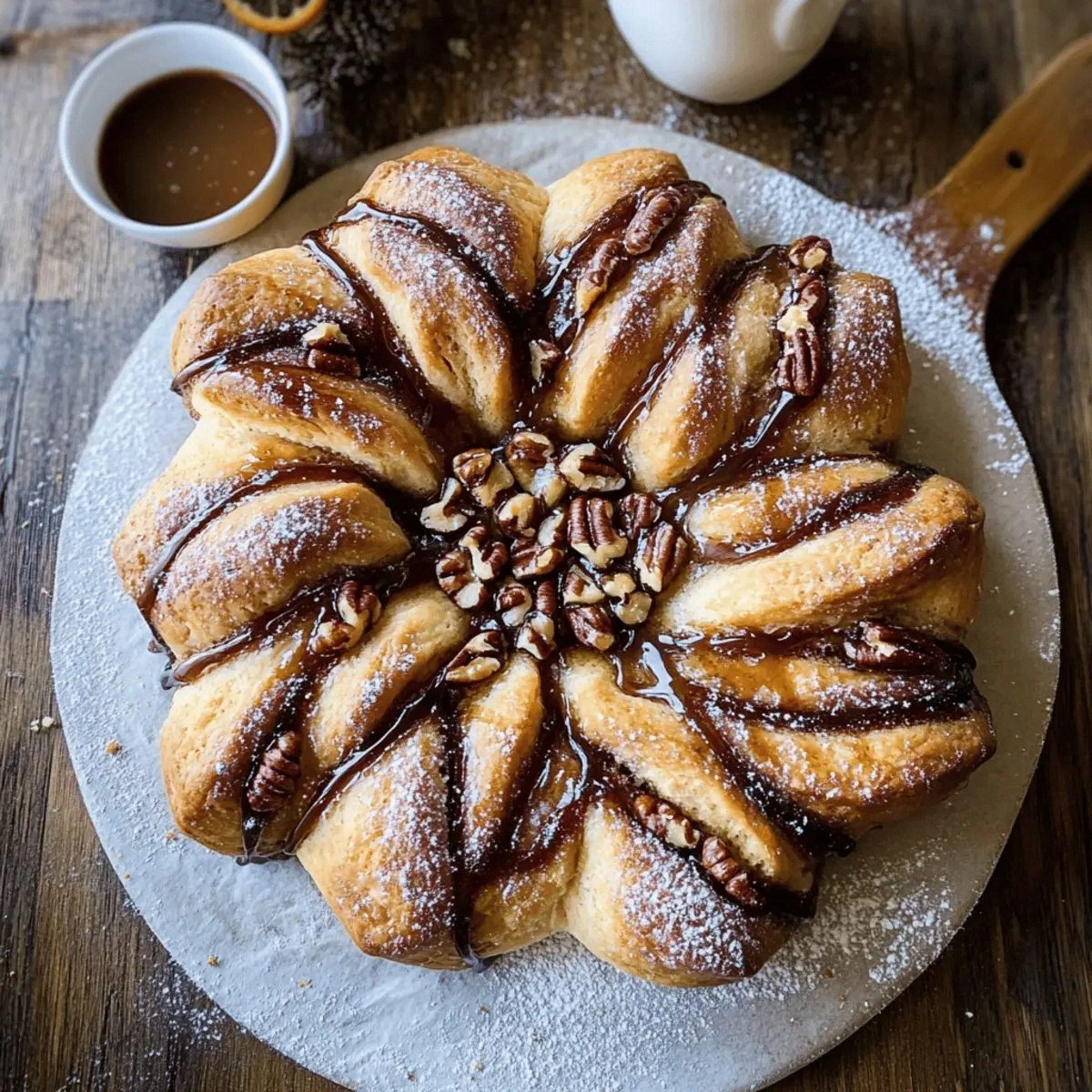
Bake and glaze. Slide the bread into the preheated oven and bake for 25‑30 minutes, or until the crust is a deep golden‑brown and sounds hollow when tapped. As soon as it’s out, brush the warm glaze generously over the entire surface, letting it soak into the crevices. The glaze will set into a glossy, caramel‑kissed finish that looks like fresh snow on a star.
That's it — you did it. But hold on, I've got a few more tricks that'll take this to another level…
Insider Tricks for Flawless Results
The Temperature Rule Nobody Follows
Never bake bread in a cold oven. A sudden temperature shock can cause the crust to set before the interior fully expands, leading to a dense crumb. I always let the oven preheat fully and even turn it off for the last five minutes of baking, then let the bread finish its rise in the residual heat. This gentle finish yields a tender interior while keeping the crust perfectly crisp.
Why Your Nose Knows Best
When the dough is ready for the second rise, trust the scent. A properly risen dough will give off a faint yeasty aroma mixed with the buttery notes from the brown butter. If you can’t smell anything, give it a few more minutes; the yeast is still doing its work. Over‑rising can cause the dough to collapse, so rely on both visual cues (doubling in size) and that comforting smell.
The 5‑Minute Rest That Changes Everything
After shaping the star, let the dough rest uncovered for exactly five minutes before covering for the second rise. This short rest allows the gluten strands to relax, making the final shape easier to hold and preventing tearing. I once skipped this step and ended up with a star that looked more like a broken snowflake—lesson learned.
Glaze Timing is Everything
Apply the glaze while the bread is still hot; the heat acts like a sponge, soaking the glaze deep into the crumb. If you wait until it cools, the glaze will just sit on the surface and harden, losing that luscious melt‑in‑your‑mouth quality. A quick brush right out of the oven locks in moisture and adds that glossy finish.
Pecan Toasting Trick
Toast pecans in a dry skillet for 2‑3 minutes before adding them to the glaze. The extra toast brings out a deeper, almost caramel flavor that pairs perfectly with the brown butter. If you’re in a hurry, the oven’s residual heat after baking the bread can be used to toast the nuts—just spread them on a tray and let them sit for a few minutes.
Creative Twists and Variations
This recipe is a playground. Here are some of my favorite ways to switch things up:
Cranberry Burst
Fold in ½ cup dried cranberries into the dough before the first rise. The tart bursts contrast beautifully with the sweet glaze, adding a festive pop of color.
Maple Walnut
Swap orange zest for 2 tablespoons pure maple syrup in the dough, and replace pecans with toasted walnuts. The maple adds a deep caramel note that feels like a warm hug on a cold morning.
Chocolate Drizzle
After glazing, drizzle melted dark chocolate over the top and sprinkle a pinch of sea salt. The bittersweet chocolate paired with the buttery base creates an indulgent contrast.
Spiced Rum Glaze
Add 1 tablespoon spiced rum to the glaze mixture. The rum’s warmth deepens the flavor profile and makes the glaze shimmer with a subtle adult twist.
Gluten‑Free Version
Replace the all‑purpose flour with a 1:1 gluten‑free flour blend, and add 1 teaspoon xanthan gum to help with structure. The texture will be slightly denser, but the flavor remains just as festive.
Storing and Bringing It Back to Life
Fridge Storage
Wrap the cooled bread tightly in plastic wrap, then place it in an airtight container. It will stay fresh for up to 4 days. Before serving, let it sit at room temperature for 30 minutes to regain its softness.
Freezer Friendly
Slice the bread into generous wedges, wrap each slice in foil, and store in a zip‑top freezer bag. It freezes beautifully for up to 2 months. When you’re ready to eat, pop a slice into the toaster or warm it in a 300°F oven for 10 minutes.
Best Reheating Method
Add a tiny splash of water (about a tablespoon) to the surface before reheating. The steam revives the crumb, while the glaze re‑melts into that glossy finish you love. A quick 5‑minute blast in a preheated oven does the trick without drying out the bread.