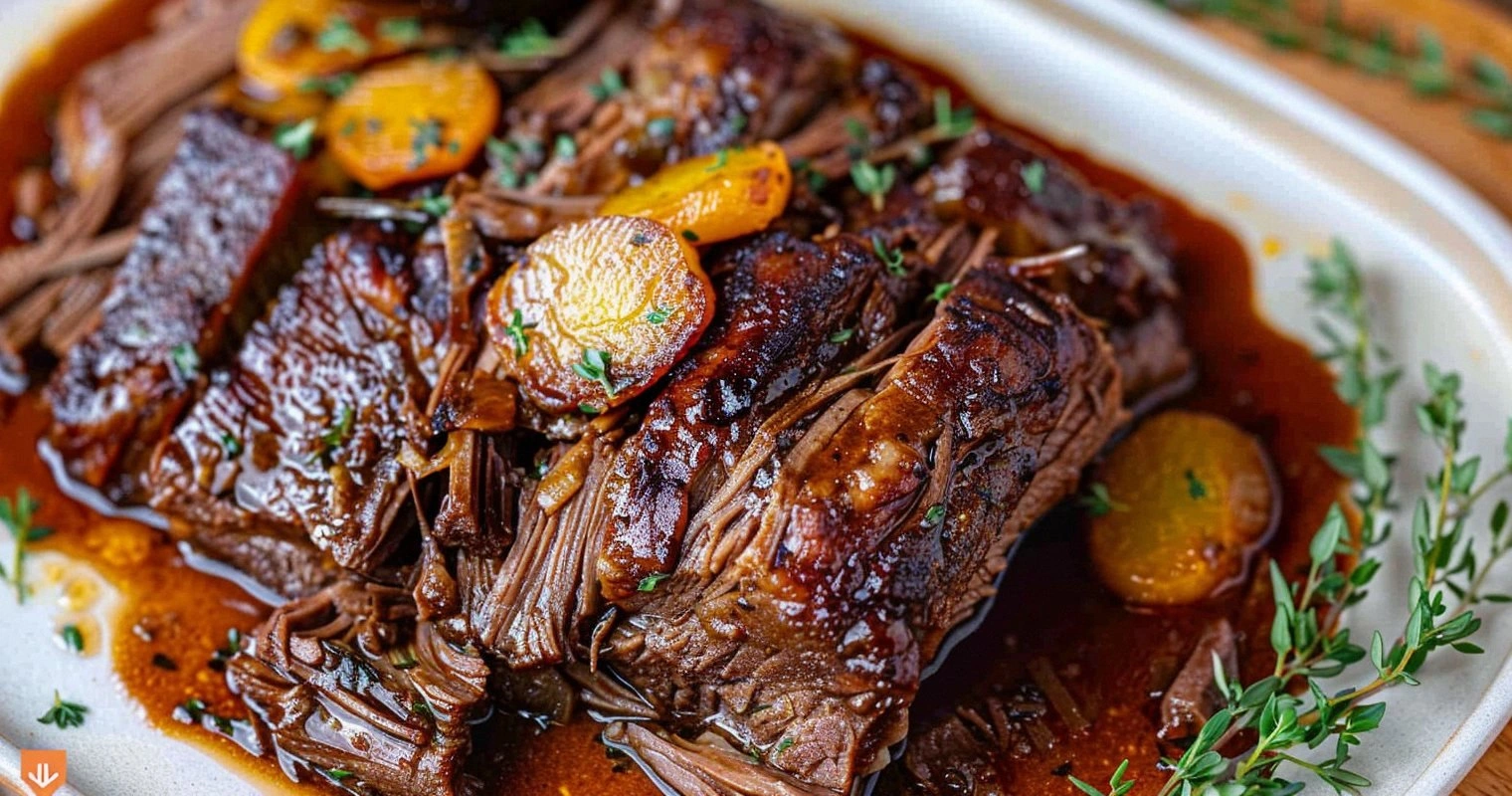
I still remember the first time I ruined a chuck roast so spectacularly that the smoke alarm serenaded the entire apartment complex while my cat hid under the sofa and my neighbor yelled through the wall that he was calling the fire department. That gray, shoe-leather disaster haunted me for months, because chuck roast—properly handled—should taste like Sunday supper at your grandma's if your grandma happened to be a culinary wizard with a mischievous grin. Fast-forward five years and I can finally say I've cracked the code on the kind of roast that makes grown adults close their eyes and sigh the moment the fork hits the meat. Picture this: shards of beef so tender they slump into a puddle of mahogany gravy, carrots that have drunk up every last drop of wine and beef drippings, and a kitchen that smells so good you'll consider bottling the air and selling it as cologne.
What changed my fate? A single late-night rabbit hole of food-science papers, a dare from my barbecue-obsessed cousin, and the stubborn refusal to let a budget-friendly cut push me around any longer. Most recipes treat chuck roast like a Crock-Pot afterthought: throw in onions, pray for mercy, and hope eight hours of bubbling turns shoe leather into silk. Spoiler alert—hope is not a cooking technique. What actually works is a layered attack of searing, slow-braising, and a final glaze that lacquers every fiber with sticky, glossy flavor. If you've ever struggled with dry edges, watery gravy, or meat that still fights back after half a day in the pot, you're not alone—and I've got the fix.
Today I'm sharing the version that has my friends volunteering to babysit my plants for a year if I'll just "accidentally" make too much again. We're talking deep, beefy depths bolstered by coffee and anchovy (trust me, it melts in and disappears, leaving only mysterious umami), a whisper of smoked paprika that prickles the back of your throat, and vegetables that turn into candy. The best part? The ingredient list is almost insultingly simple, and the active hands-on time barely cracks thirty minutes. Let me walk you through every single step—by the end, you'll wonder how you ever made it any other way.
What Makes This Version Stand Out
- Flavor Bomb: A quick anchovy-coffee paste dissolves into the braising liquid, giving you the soul of a Michelin-worthy demi-glace without the five-hour side quest.
- Texture Nirvana: Low-and-slow at 275 °F for four hours, then a final 425 °F blast to tighten the exterior; you get fork-tender insides and sticky, bark-like edges that shatter like thin ice.
- One-Pot Wonder: Sear, braise, and reduce in the same Dutch oven—fewer dishes, more glory, and your future self will send thank-you notes.
- Weekend Friendly: Start after lunch and it's ready for dinner; or prep the night before and reheat—this roast actually improves with a sleepover in your fridge.
- Leftover Goldmine: Slice it for sandwiches, shred it for tacos, or fold it into shepherd's pie. I dare you to taste this and not go back for thirds.
- Pantry Ingredients: No specialty butcher secrets—just a well-stocked spice rack and the patience to let chemistry do the heavy lifting.
Alright, let's break down exactly what goes into this masterpiece...
Inside the Ingredient List
The Flavor Base
Chuck roast itself is a rock star, but it needs a backing band. First up: a three-finger pinch of kosher salt. Skip the fine table stuff; you want the big flaky crystals that dissolve slowly, seasoning the meat from surface to center. Next, freshly cracked black pepper—none of that pre-ground dust that's been oxidizing since last Thanksgiving. The volatile oils bloom when they hit hot fat, creating tiny explosions of piney heat that ride shotgun against the beef's richness. Finally, a whisper of smoked paprika; think Spanish pimentón dulce, not the aggressive barbecue-rub hickory bombs. It adds a subtle campfire note that whispers rather than shouts, "We're outdoorsy," even if you're cooking in a studio apartment.
The Texture Crew
Vegetables aren't filler here—they're co-stars. Carrots go in early so they can soak up beef fat and collapse into buttery nuggets; add them later and they'll stay stubbornly crunchy, like orange sticks of disappointment. Yellow onions bring natural sweetness that balances the coffee's bitterness; cut them into thick half-moons so they don't dissolve into anonymity. Celery often gets bullied as filler, but sliced on the bias it becomes a vehicle for herbaceous perfume and gives the sauce a grassy backbone. Garlic gets smashed, not minced—big pieces perfume the oil without burning into acrid specks that ruin your gravy. A single bay leaf sneaks in floral complexity; skip it and the dish tastes flat, like a joke without a punchline.
The Unexpected Star
Here comes the curveball: two anchovy fillets mashed into a paste with one teaspoon of instant espresso. Before you recoil—hear me out. Anchovy melts into hot fat within seconds and leaves behind pure glutamate thunder; nobody will identify fish, only a deep, resonant bass note. Coffee compounds latch onto the Maillard-browned beef proteins, amplifying roasted flavors the way a subwoofer amplifies bass. Together they create a dark, mysterious river of umami that makes tasters frown in concentration and ask, "Why is this so much beefier than usual beef?" If you're vegetarian, sub in a tablespoon of white miso and a shot of cold brew; not identical, but still leagues above plain broth.
The Final Flourish
Right before serving, we'll whisk in a knob of cold butter for gloss and body, plus a splash of apple-cider vinegar to sharpen the edges like a photograph coming into focus. Fresh thyme leaves go in at the very end so their volatile lemon-pine oils survive; cook them earlier and they muddy the sauce with stew fatigue. A whisper of maple syrup—just one teaspoon—rounds off any harsh corners without announcing sweetness. Taste and adjust; you want brightness first, then depth, then a lingering, sweet-savory echo that makes you reach for another bite before you've swallowed the first.
Buying Tips
Look for a roast with abundant marbling—thin white veins threading through deep red muscle, not big chunks of fat on the perimeter. Those veins melt and self-baste the meat from within; perimeter fat just turns into rubber. If you can, choose a blade roast from the chuck primal, sometimes labeled "7-bone" because of a shoulder-blade cross-section shaped like the number seven. It cooks more evenly than oddly shaped "chuck eyes," and the bone lends flavor. Ask your butcher to trim external fat to a quarter inch but leave the internal seams alone; that's liquid gold. Aim for three to four pounds for six hungry adults, remembering that the meat shrinks about twenty-five percent during the braise, and leftovers freeze like a dream.
Everything's prepped? Good. Let's get into the real action...
The Method — Step by Step
- Preheat your oven to 275 °F. Pat the roast bone-dry, season aggressively with salt, pepper, and the smoked paprika on all sides, pressing so the spices adhere. Heat a heavy Dutch oven over medium-high until a drop of water skitters like a hockey puck; add two tablespoons of neutral oil and swirl. Lay the roast in—listen for that fierce sizzle that sounds like applause. Sear four minutes per side, including the edges if the roast is thick enough; you're building a fond the color of dark chocolate that will later deglaze into liquid depth. Don't fiddle; let Maillard do its thing. If the meat sticks, it's not ready to flip—patience, grasshopper.
- While the beef browns, mash the anchovy-espresso paste with the back of a fork until it's a tarry slurry. Transfer the roast to a plate—it will finish cooking later, so don't worry about an internal temp yet. Pour off all but one tablespoon of fat; you want enough to sauté vegetables but not so much they swim. Lower heat to medium, add the onions and celery, scraping the brown bits as if you're excavating archaeological treasure. When the onions turn translucent and their edges blush gold, stir in the garlic for thirty seconds—just until the kitchen smells like you want to bottle it as perfume.
- Stir in two tablespoons of tomato paste; cook until it turns from bright red to brick-brown and leaves a rusty streak across the pot. This caramelizes natural sugars and kills any metallic canned taste. Deglaze with one cup of red wine, something bold enough to hold its own—think Côtes du Rhône or a cheeky Zinfandel. Let it bubble aggressively, using the wooden spoon to coax every last speck of fond into the sauce. Reduce by half; the liquid should coat the back of the spoon like velvet. Future pacing: picture yourself dunking bread into this later.
- Nestle the chuck roast back into the pot, along with any juices that escaped on the plate. Add two cups beef stock, one cup water, the anchovy-espresso paste, and the bay leaf. The liquid should come halfway up the sides; too much and you're stewing, too little and you're braising in anxiety. Bring to a gentle simmer—tiny bubbles should pop like lazy champagne—then slam on the lid and slide the pot into the oven. Set a timer for three hours; this is the low-and-slow magic window where collagen melts into silk.
- After three hours, peek—never trust a silent oven. The meat should look relaxed, as if it's sighing back into the sauce. Add the carrots and return the lid; keep cooking another forty-five minutes. This staggered timing keeps the carrots from dissolving into baby food. Okay, ready for the game-changer? Remove the lid, bump the oven to 425 °F, and roast twenty more minutes. This lacquering phase evaporates excess liquid and forms a sticky bark on top that tastes like beef candy.
- Transfer the roast to a board and tent loosely with foil; rest twenty minutes so juices redistribute. Meanwhile, drag the Dutch oven to the stovetop over medium heat. Skim excess fat with a shallow spoon, or whisk in a few ice cubes—the fat will cling to the cold surface and you can lift it away like magic. Whisk in cold butter cubes one at a time for a glossy sheen that clings like velvet. Finish with thyme leaves, vinegar, and maple syrup. Taste; it should sing bass and treble simultaneously.
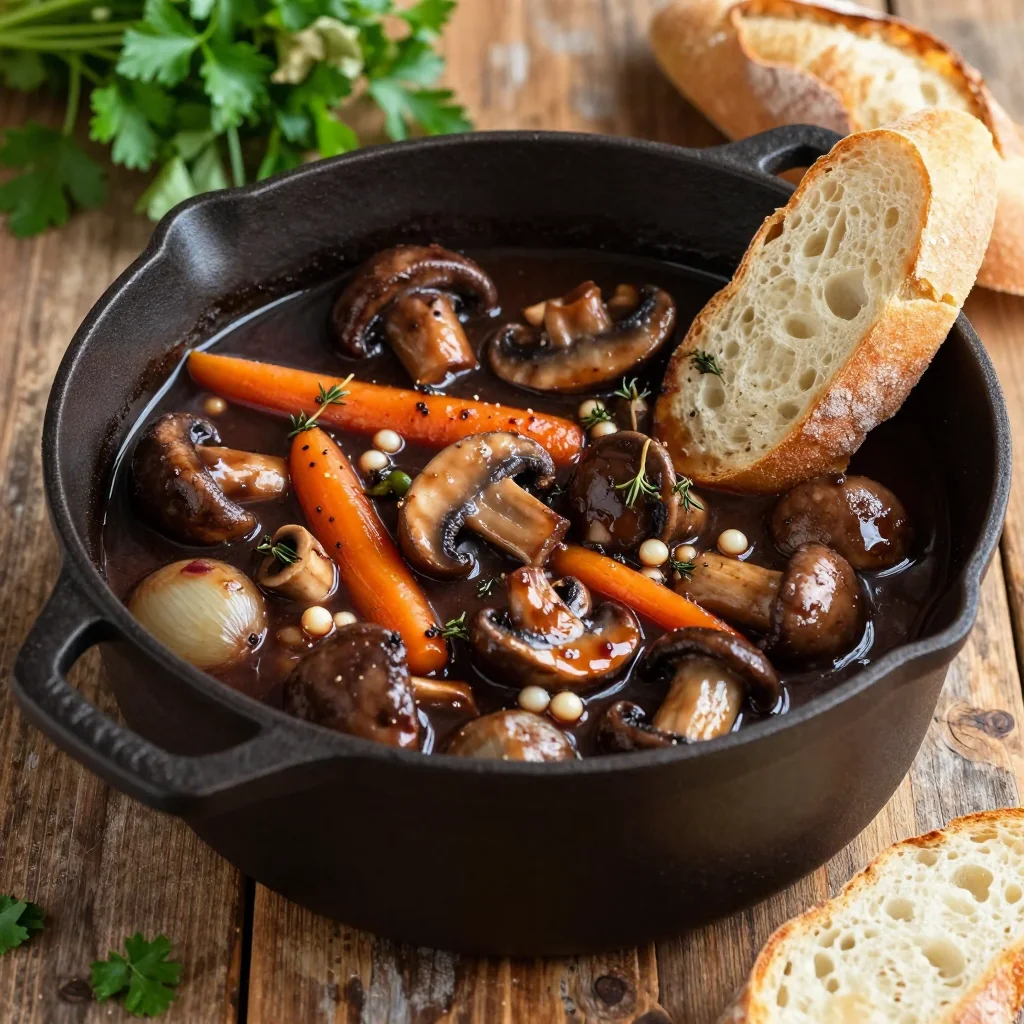
- Slice the roast against the grain into thick planks or pull it apart into ragged chunks—either way it's so tender you barely need teeth. Ladle gravy over top until the meat swims in an edible mahogany hot tub. Sprinkle with flaky salt for crunch. Serve with crusty bread to mop the plate or over buttery mashed potatoes that crater like moonscapes under the weight of all that sauce.
- Congratulations—you just produced the kind of meal that spawns family legends. The kind that prompts your brother-in-law to offer to do your taxes unsolicited. If you have leftovers, store them submerged in gravy; the liquid protects the meat from drying out and becomes jellied gold when cold, perfect for midnight fridge raids.
That's it—you did it. But hold on, I've got a few more tricks that'll take this to another level...
Insider Tricks for Flawless Results
The Temperature Rule Nobody Follows
Carry-over cooking isn't just for steak. Pull the roast at 200 °F internal, not a degree sooner; collagen liquefies between 195 and 205 °F. A friend tried pulling at 190 once—let's just say we politely suggested he donate the leftovers to a local shoe-repair shop. Probe the thickest part, away from bone or fat pockets, and remember the temp will climb another five degrees while it rests. If you don't own an instant-read thermometer, buy one before you buy another pound of beef. Your future self will send you postcards of gratitude.
Why Your Nose Knows Best
Don't set a timer and walk away forever—use aroma checkpoints. After hour two your kitchen should smell like onion soup and Sunday mornings. If it smells flat or watery, crack the lid; too much moisture buildup dilutes flavor. By hour four you should want to bottle the air as cologne. If you catch a whiff of burnt tomato, drop the oven temperature by 25 degrees immediately. Your nose is the original smart kitchen device and it's free.
The 5-Minute Rest That Changes Everything
After shredding, return the meat to the warm (not hot) gravy for five minutes. The fibers relax, reabsorb liquid, and take on an almost confit-like richness. I learned this from a barbecue legend who swore by "gravy bathing," and now I do it every single time—especially when photographing for Instagram, because glossy chunks look like they belong in a magazine spread.
Make-Ahead Magic
Braise the roast up to two days early; the flavors marry like honeymooners in the fridge. Reheat gently, covered, at 300 °F for 30 minutes, adding a splash of stock to loosen. The gelatin sets overnight and slices like the world's most luxurious lunch meat—perfect for impressing coworkers who still eat sad desk salads.
Creative Twists and Variations
This recipe is a playground. Here are some of my favorite ways to switch things up:
Chipotle-Cocoa Chuck Tacos
Sub smoked paprika with two minced chipotle peppers in adobo, and replace tomato paste with one tablespoon cocoa powder. The result is smoky, spicy, and faintly chocolatey—perfect for shredding and stuffing into warm tortillas with pickled onions. My spice-loving cousin calls it "beef's answer to mole."
Asian-Inspired Soy-Ginger Version
Swap wine for sake, beef stock for dashi, and whisk two tablespoons miso into the slurry. Add knobs of fresh ginger and star anise to the braise. Finish with rice vinegar and a drizzle of sesame oil. Serve over ramen noodles with scallions and a seven-minute egg; you'll feel like Tokyo in a bowl.
French Onion Style
Caramelize the onions separately until chestnut-brown, then layer them under and over the roast. Use dry sherry instead of red wine and finish with Gruyère croutons broiled on top. It's like soup and entrée had a delicious baby.
Harvest Apple Cider Spin
Replace wine with hard cider and add sliced apples and a cinnamon stick to the pot. The fruit melts into the gravy, lending autumnal sweetness that pairs beautifully with sage-rubbed roast. Great for those crisp October nights when you want the house to smell like a hayride.
Breakfast Hash Hero
Chop leftover roast into tiny cubes, fry in bacon fat with diced potatoes and bell peppers, crown with runny eggs. Sunday brunch solved, and you'll look like you planned leftovers on purpose.
Smoky Bacon Overload
Lay three strips of bacon over the roast before you clamp on the lid. As the fat renders, it self-bastes the meat with porky perfume. Stir in a teaspoon of liquid smoke if you want to feel like you're dining in a Kentucky smokehouse.
Storing and Bringing It Back to Life
Fridge Storage
Cool leftovers to room temp within two hours to dodge the bacteria danger zone. Store meat submerged in gravy inside airtight containers; the fat cap that solidifies on top is a medieval-style seal that blocks oxygen. It'll keep four days, though in my house it mysteriously vanishes after two. Reheat portions gently on the stove with a splash of stock; microwaves turn beef into rubber faster than you can say "leftover lunch."
Freezer Friendly
Portion into meal-size freezer bags, press out excess air, and label with masking tape and a Sharpie—future you has selective amnesia. Freeze up to three months. Thaw overnight in the fridge, never on the counter unless you fancy microbial parties. Warm slowly; rapid temperature swings cause the gelatin to break and the sauce to separate into greasy islands.
Best Reheating Method
Low and slow in a covered skillet with a tablespoon of water creates a gentle steam that rehydrates fibers without toughening them. Add a tiny splash of vinegar at the end to perk flavors back up—frozen food often tastes dull because cold mutes acidity. Finish with fresh herbs and you'll swear it was made that day. I've fooled entire dinner parties with this resurrection act.