Love this? Pin it for later! 📌
Citrus & Herb Roasted Chicken with Turnips and Root Vegetables for Winter
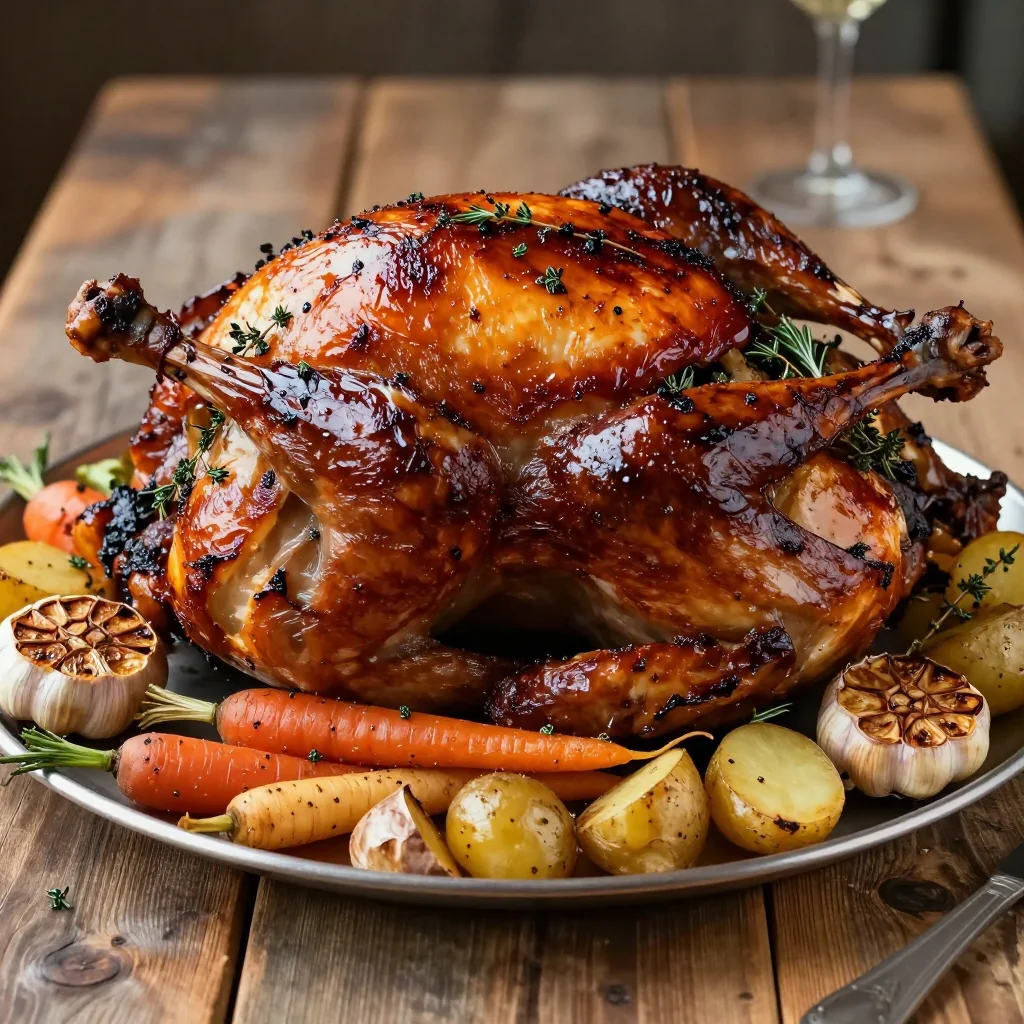
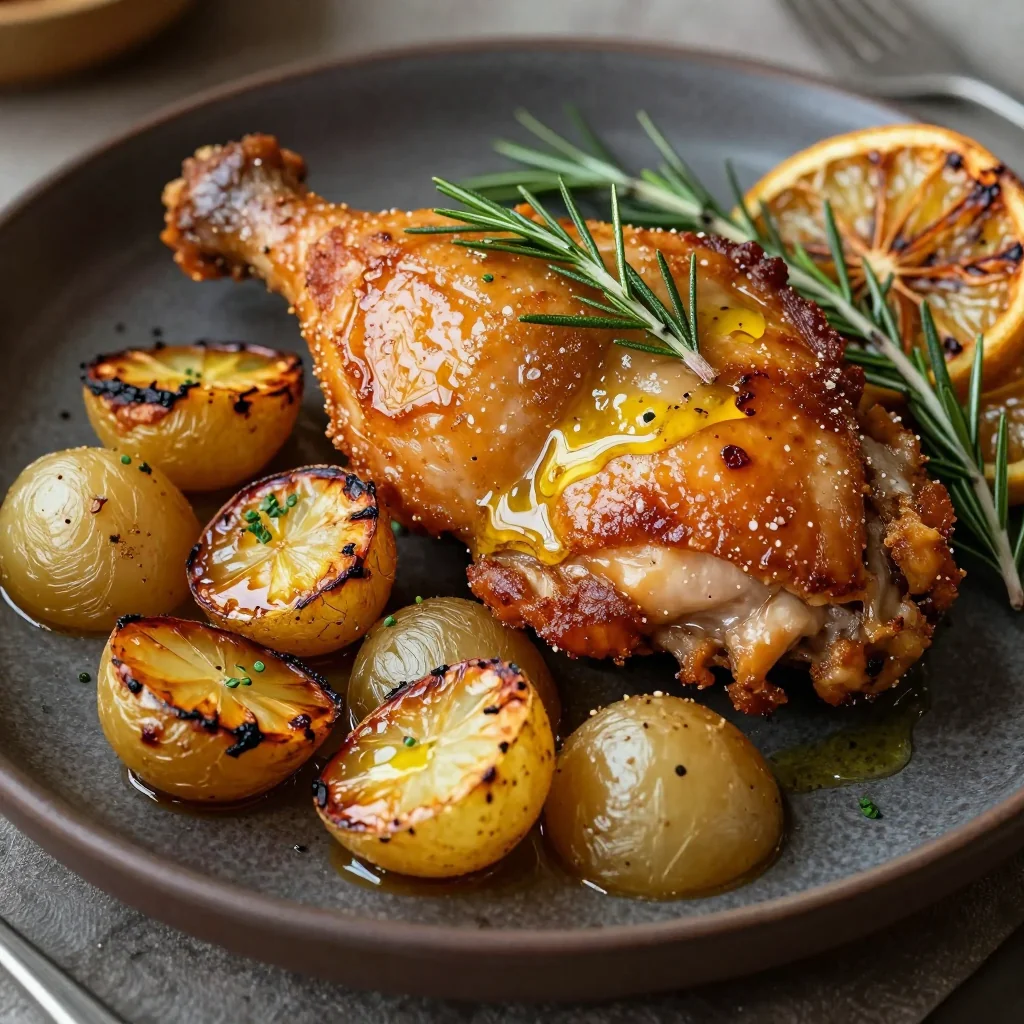
When the first frost paints the windows and the daylight hours shrink, my kitchen turns into a sanctuary of warmth and scent. This citrus-and-herb roasted chicken—nestled on a rustic tray of caramelized turnips, parsnips, and baby potatoes—has become our family's official "first snow" dinner. I developed the recipe five winters ago after a particularly blustery November hike: my gloves were soaked, my cheeks were numb, and all I wanted was a single dish that could hug me from the inside out. The result is a meal that perfumes the house with rosemary, roasted garlic, and bright orange zest while buying you two hours of downtime while the oven does the heavy lifting. Serve it straight from the cast-iron skillet, crackling skin and all, and watch even the pickiest eater pull apart a wing and dunk it in the citrusy pan juices. Sunday supper, holiday buffer, or make-ahead weekday protein—this bird does it all.
Why This Recipe Works
- Two-Zone Roasting: Starting the chicken at 425 °F for 20 minutes then dropping to 375 °F yields shatteringly crisp skin while keeping the breast juicy.
- Citrus & Herb Butter: Softened butter whipped with orange zest, thyme, and rosemary creates a self-basting cloak that perfumes the meat.
- Seasonal Root Medley: Turnips roast faster than potatoes, giving you varied textures; parsnips add honeyed sweetness that balances the savory bird.
- Sheet-Pan Simplicity: Everything cooks together; no separate skillets or boiling pots to wash.
- Ahead-of-Time Friendly: The butter mixture and trimmed vegetables can be prepped up to 48 hours in advance.
- Flavor-Dense Gravy: A quick deglaze with white wine and stock turns the sticky fond into glossy gravy in five minutes.
Ingredients You'll Need
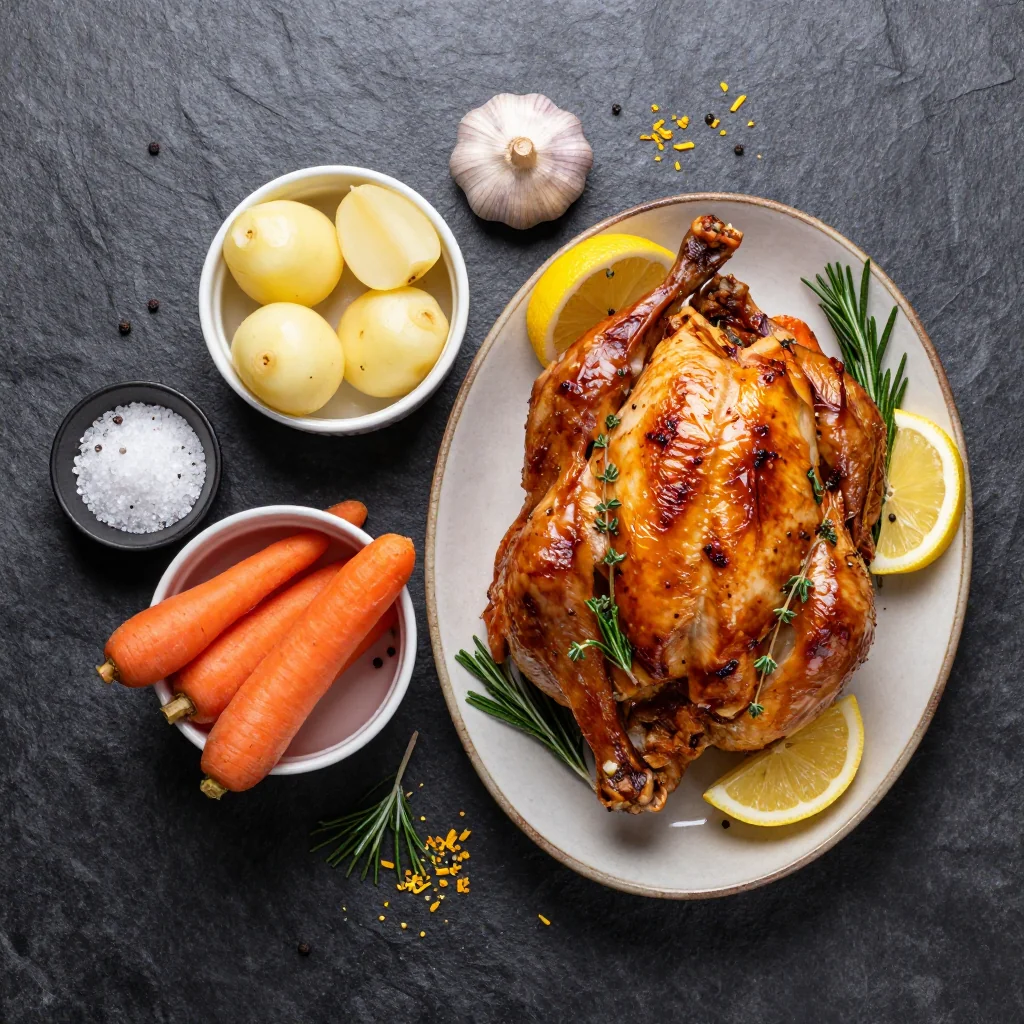
Great roast chicken starts at the butcher counter. Look for a 4–4½ lb pasture-raised bird if possible; the fat is more flavorful and the bones make richer stock. Organic is fine, but air-chilled is even better—no added water so the skin browns instead of steaming.
Chicken: Size matters. Over five pounds and the breast dries before the legs finish; under three and you miss the dramatic presentation. Leave the neck and giblets in the cavity for bonus flavor, but remove the liver (it can turn bitter).
Citrus: One large navel orange plus half a lemon. The orange zest goes into the butter; the juice mingles with the pan vegetables. Lemon brightens the gravy at the end. Substitute blood orange for a ruby tint, or Meyer lemon for softer acidity.
Herb Butter: Unsalted European-style butter (82–84 % fat) melts slower, giving you a bigger window before it runs off the skin. Fresh thyme and rosemary are non-negotiable; dried herbs burn. A single minced garlic clove perfumes without stealing the show.
Turnips: Choose small, firm ones—larger turnips can be fibrous. Peeling is optional if they're young; just scrub. If turnips aren't your thing, swap in wedges of fennel or even Brussels sprouts, but keep them on the perimeter so they char.
Supporting Roots: Parsnips bring honeyed sweetness; Yukon Golds hold their shape; red onions add color. Cut everything to roughly the same thickness so they finish together. A quick soak in cold water removes excess potato starch for better browning.
How to Make Citrus & Herb Roasted Chicken with Turnips and Root Vegetables
Dry-Brine Overnight
Pat the chicken very dry with paper towels. Mix 1 Tbsp kosher salt, 1 tsp baking powder, and ½ tsp black pepper. Sprinkle inside the cavity and all over the skin. Place on a rack set over a rimmed baking sheet and refrigerate, uncovered, 8–24 hours. The skin will dehydrate, guaranteeing crackle, while the salt penetrates for seasoned meat.
Make Citrus-Herb Butter
In a small bowl, combine 4 Tbsp softened butter, 1 tsp finely chopped fresh thyme, 1 tsp finely chopped rosemary, 2 tsp orange zest, ½ tsp kosher salt, and ¼ tsp cracked pepper. Mash with a fork until uniform. Reserve 1 Tbsp for the vegetables; keep the rest chilled.
Prep the Roots
Peel (or just scrub) 3 medium turnips, 2 parsnips, and 1 lb baby Yukon Gold potatoes. Cut into 1-inch chunks. Slice 1 large red onion into petals. Toss with 2 Tbsp olive oil, reserved 1 Tbsp butter mixture, ½ tsp salt, and ¼ tsp pepper. Line a rimmed sheet pan with parchment for easy cleanup.
Truss & Season
Remove chicken from fridge 45 minutes before roasting. Slip fingers under the skin to loosen without tearing. Spread two-thirds of the butter underneath and the remaining on top. Quarter the zested orange and lemon; stuff into the cavity with 2 thyme sprigs and 1 rosemary sprig. Tie legs with kitchen twine for even cooking.
Roast Hot & Fast First
Preheat oven to 425 °F (220 °C). Create a small well in the center of the vegetables; nestle the chicken breast-side up. Roast 20 minutes. This initial blast renders subcutaneous fat and jump-starts browning.
Lower & Slow Finish
Without opening the door, drop temperature to 375 °F (190 °C). Roast another 55–65 minutes, rotating pan halfway. Vegetables should caramelize; chicken is done when an instant-read thermometer reads 160 °F in the thickest breast and 175 °F in the thigh. Total time ≈ 1 hour 20 minutes.
Rest & Re-Crisp
Transfer chicken to cutting board; tent loosely with foil 15 minutes. If vegetables need more char, return the sheet pan to the top rack and broil 2–3 minutes. Meanwhile, tilt the baking sheet and spoon off excess fat, leaving the glossy fond.
Five-Minute Pan Gravy
Place sheet pan over medium burner. Add ½ cup dry white wine; scrape browned bits. Whisk in ½ cup low-sodium chicken stock, 1 tsp Dijon, and juice of reserved lemon half. Reduce 3–4 minutes until napé (coats spoon). Finish with 1 Tbsp cold butter for gloss. Season with salt, pepper, and a pinch of orange zest.
Expert Tips
Check Temperature Early
White and dark meat finish at different rates. Start probing the breast at the 60-minute mark; remove the chicken as soon as it hits 160 °F. Carry-over cooking will take it to a safe 165 °F.
Don't Baste
Opening the oven drops the temperature and lengthens cook time. The butter under the skin self-bastes; trust the process.
Reverse-Sear Option
For ultra-crisp skin, roast low at 300 °F until breast is 145 °F, rest 20 minutes, then blast at 475 °F 8–10 minutes.
Spatchcock Shortcut
Cut out the backbone, press the bird flat. Reduces cook time to 45 minutes total and every piece finishes at once.
Variations to Try
- Smoky Paprika: Swap orange zest for 1 tsp smoked paprika and ½ tsp ground cumin; serve with lime wedges.
- Miso Butter: Replace 1 Tbsp butter with white miso paste for umami depth; glaze during last 10 minutes.
- Apple & Fennel: Substitute sliced fennel bulb and apple chunks for turnips; finish with toasted hazelnuts.
- Spicy Maple: Whisk 1 Tbsp maple syrup and a pinch of cayenne into the butter; brush skin at the 60-minute mark for a lacquered finish.
Storage Tips
Refrigerate: Carve leftover meat, discard citrus from cavity. Store chicken and vegetables in separate airtight containers up to 4 days. Pour gravy into a jar; it will gel—simply reheat with a splash of water.
Freeze: Shred meat, toss with a spoonful of gravy to prevent dryness, and freeze flat in zip-top bags up to 3 months. Vegetables become mealy when frozen; enjoy them within the week.
Make-Ahead: Salt the chicken up to 48 hours early. Butter mixture keeps 5 days chilled or 1 month frozen. Chop vegetables the night before; store submerged in cold water with a squeeze of lemon to prevent browning.
Frequently Asked Questions
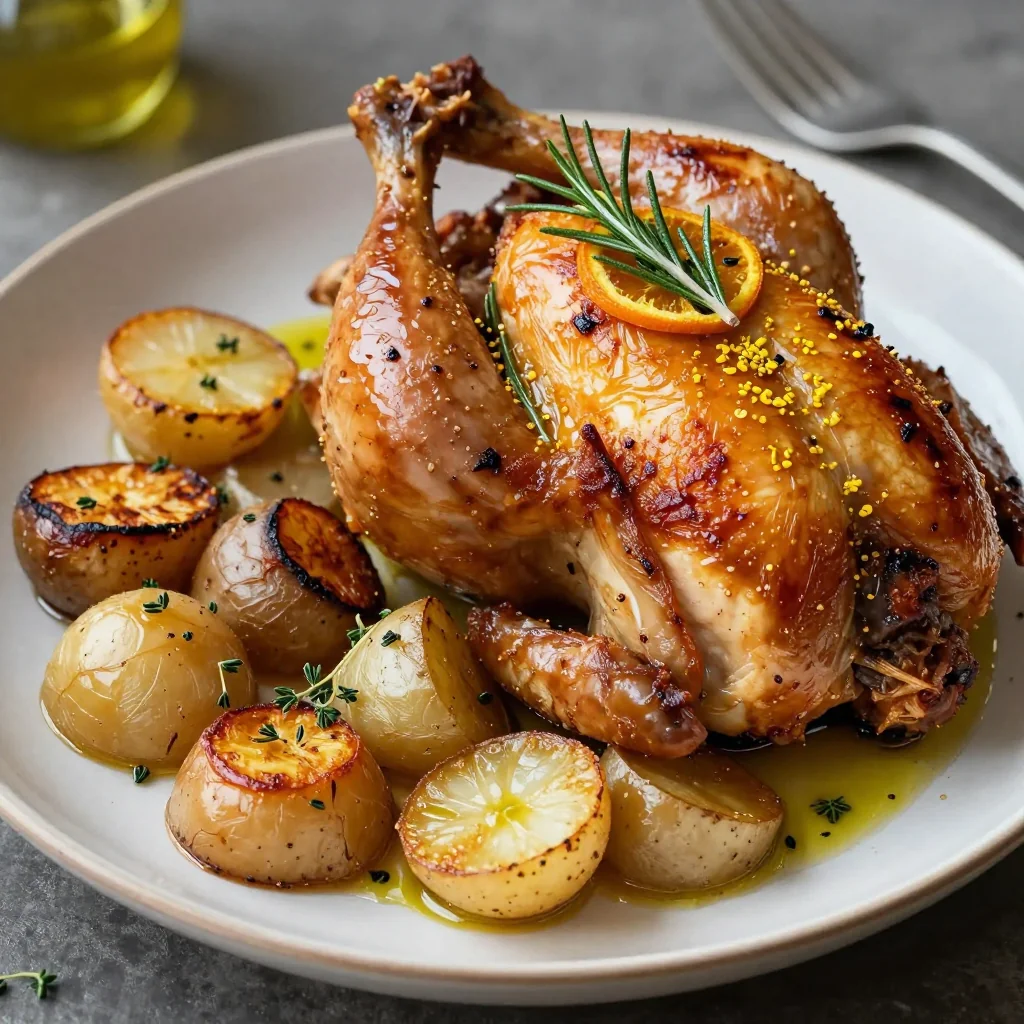
Citrus & Herb Roasted Chicken with Turnips and Root Vegetables for Winter
Ingredients
Instructions
- Dry-brine: Pat chicken dry. Mix 1 Tbsp salt, baking powder, and ½ tsp pepper; sprinkle all over. Refrigerate uncovered 8–24 hours.
- Butter: Combine butter, orange zest, thyme, rosemary, garlic, ½ tsp salt, and ¼ tsp pepper. Reserve 1 Tbsp for vegetables.
- Vegetables: Toss turnips, parsnips, potatoes, and onion with olive oil and reserved butter. Spread on parchment-lined rimmed sheet.
- Season chicken: Loosen skin; spread two-thirds butter underneath and remainder on top. Stuff cavity with orange quarters, lemon half, thyme, and rosemary. Tie legs.
- Roast: Nestle chicken among vegetables. Roast at 425 °F 20 minutes; reduce to 375 °F and continue 55–65 minutes until breast reads 160 °F.
- Rest: Transfer chicken to board; tent 15 minutes. Broil vegetables 2–3 minutes if desired.
- Gravy: Place pan over medium heat; add wine, scraping bits. Whisk in stock and lemon juice; reduce 3–4 minutes. Finish with 1 Tbsp cold butter.
- Serve: Carve chicken; arrange on platter with vegetables and drizzle with pan gravy.
Recipe Notes
Butter can be made 1 month ahead and frozen. Vegetables can be pre-chopped and stored in cold water 24 hours. Leftover gravy thickens as it cools; thin with stock when reheating.