
Picture this: a Sunday afternoon, the kitchen smells like garlic and onions, the pot on the stove is already bubbling, and a friend dares you to make the best wedding soup you’ve ever tasted. I took that dare seriously, rummaging through my pantry for the right balance of flavors. The result? A sauce that coats the pasta like velvet, with meatballs so tender they practically melt on the tongue. That first bite had me shouting, “This is the real deal!” and my friends could taste the difference immediately. The moment I tasted it, I knew I had found a recipe that would become my go-to for every gathering.
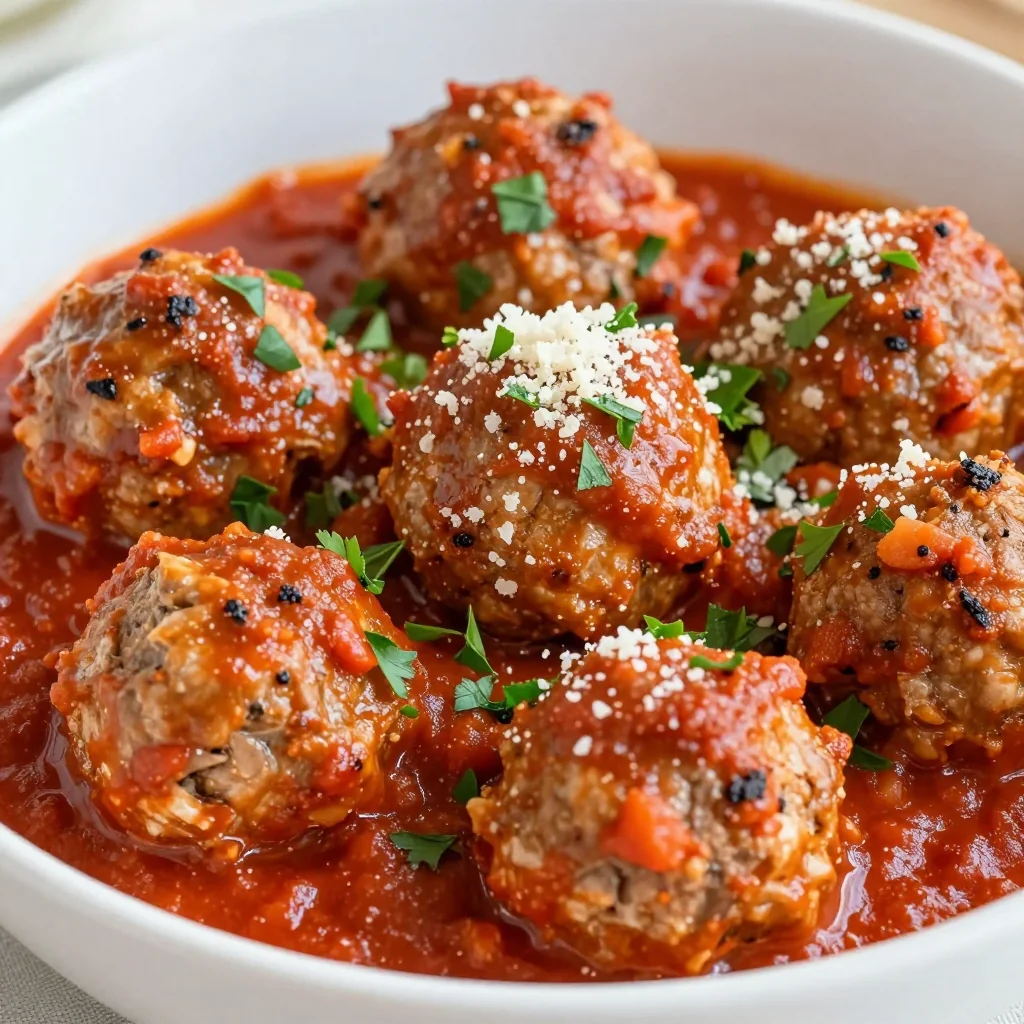
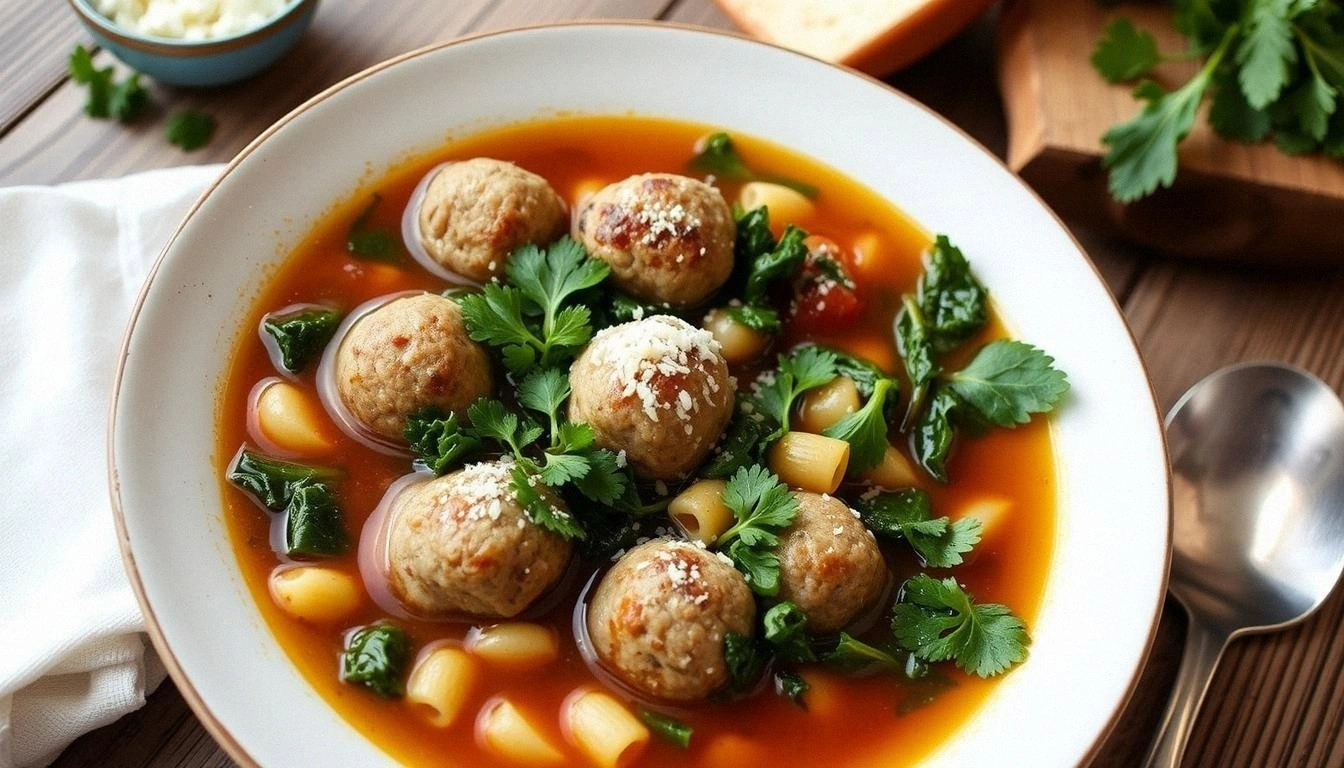
The kitchen is a symphony of sounds: the sizzle of onions, the gentle clink of a ladle, the rhythmic chopping of carrots. The aroma is a warm, savory cloud that wraps the entire house, making even the most reluctant diners lean in. When you taste the soup, the broth is bright and brightened by a splash of tomato paste, the herbs dance in the background, and the pasta glistens with a slight sheen of olive oil. The texture is a delightful contrast: silky broth, chewy pasta, and a soft, almost buttery meatball that gives way with a satisfying bite. Even the final garnish of fresh parsley adds a pop of green that brightens the dish visually.
What sets this version apart is the meticulous layering of flavors and the use of a few key techniques that elevate a humble soup into a crowd‑pleaser. I’ve replaced the traditional veal with a mix of beef and pork to add depth and a subtle fattiness that keeps the broth rich. The meatballs are rolled with grated Parmesan and a beaten egg, giving them a silky interior while the breadcrumbs provide a light, airy exterior. The broth is simmered with a bouquet of fresh herbs, and a dash of tomato paste adds a touch of sweetness that balances the acidity. Finally, a splash of lemon juice at the end brightens everything and gives the soup a lively, fresh finish.
If you’ve ever tried a wedding soup that felt like a generic takeout, you’ll be surprised by how different this one tastes. The secret? A quick caramelization of the aromatics before adding the broth, which brings out a deeper, richer flavor profile. I also let the meatballs rest on a parchment‑lined tray for a few minutes after forming, which keeps them from sticking together and ensures a perfect bite every time. The result is a soup that feels homemade, comforting, and yet sophisticated enough for a dinner party.
Let me walk you through every single step—by the end, you’ll wonder how you ever made it any other way. I dare you to taste this and not go back for seconds, because once you’re in the zone, you’ll never settle for anything else. Stay with me here; this is worth it.
What Makes This Version Stand Out
- Taste: The broth is a harmonious blend of savory beef stock, bright tomato, and fresh herbs, creating a flavor profile that is both comforting and refined. Each spoonful delivers a balanced punch that lingers pleasantly on the palate.
- Texture: The pasta is al dente, the meatballs are silky inside and lightly browned on the outside, and the broth remains silky yet slightly thickened from the breadcrumbs. This combination keeps the soup interesting with every bite.
- Simplicity: Despite the depth of flavor, the recipe requires only a handful of pantry staples and a few fresh ingredients. It’s a go‑to dish that can be whipped up on a busy weeknight.
- Uniqueness: A splash of lemon juice at the end gives the soup a bright, almost citrusy finish that sets it apart from traditional versions. The use of a beef‑pork blend also adds a richer, deeper taste.
- Ingredient Quality: Fresh, high‑quality herbs and a good stock are the backbone of this soup. Using a homemade or store‑bought stock with a clear, rich flavor elevates the entire dish.
- Make‑ahead Potential: The soup can be made a day ahead, allowing the flavors to meld even further. Reheating is simple and the texture remains intact.
- Crowd Reaction: Friends and family rave about how the soup feels like a warm hug, and the meatballs never disappoint. It’s the kind of dish that keeps people coming back for more.
- Cooking Method: The caramelization step and the brief resting period for the meatballs add subtle depth and texture that are often overlooked in simpler recipes.
Inside the Ingredient List
The Flavor Base
Ground beef and pork form the heart of this soup, providing a robust, savory foundation that carries the other flavors. The combination of lean and fatty cuts creates a richer broth than using a single type of meat. If you skip the pork, the soup will still taste good, but you’ll lose a subtle depth that comes from the pork’s natural fat content. A good quality beef stock or chicken stock is essential; a cheap, bland stock will let the other ingredients drown out.
The Texture Crew
Breadcrumbs and grated Parmesan act as a binding agent for the meatballs, giving them structure while keeping them tender. The egg helps hold everything together and adds a silky mouthfeel. If you’re vegan or have an egg allergy, you can substitute a tablespoon of aquafaba or a small amount of milk to achieve a similar binding effect. The pasta—acini di pepe or ditalini—provides a chewy contrast that’s essential for the classic wedding soup experience.
The Unexpected Star
A splash of lemon juice at the end brightens the broth and cuts through the richness of the meat and cheese. This small addition is often overlooked but makes the soup feel lighter and more vibrant. If you’re not a fan of citrus, a squeeze of fresh lime or a pinch of white wine vinegar can work as a substitute. The lemon also helps balance the acidity of the tomato paste, creating a harmonious flavor profile.
The Final Flourish
Fresh herbs—parsley, oregano, basil—infuse the soup with aromatic freshness. They also add color, making the dish more visually appealing. If you’re in a pinch, dried herbs will work, but use them sparingly to avoid overpowering the delicate balance. A final sprinkle of grated Parmesan before serving adds a touch of umami and a satisfying crunch.
Everything's prepped? Good. Let's get into the real action.
The Method — Step by Step
- In a large pot, heat 2 tablespoons of olive oil over medium heat. Add the finely chopped onion, carrots, and celery, and sauté until the vegetables soften and the onions become translucent, about 5 minutes. This caramelization step develops a deeper flavor base that will carry through the broth. While the vegetables cook, keep an eye on the pot to prevent sticking.
- Add the minced garlic to the pot and cook for an additional 30 seconds until fragrant. Then, stir in the ground beef and pork, breaking the meat apart with a wooden spoon. Cook until the meat is browned and no longer pink, about 8 minutes. This browning step is crucial for developing the meat’s savory depth.
- In a separate bowl, combine 1 cup of breadcrumbs, 1 cup of grated Parmesan, 1 large egg, 1 teaspoon of salt, and ½ teaspoon of black pepper. Mix until the crumbs are evenly coated. Fold this mixture into the browned meat, stirring until well incorporated. The breadcrumbs bind the meat and give the meatballs a tender texture.
- Shape the meat mixture into small, bite‑sized meatballs, about the size of a walnut. Place them on a parchment‑lined tray and let them rest for 5 minutes. This resting period prevents the meatballs from sticking together during cooking and ensures they hold their shape.
- Add 6 cups of beef or chicken broth to the pot, followed by 2 tablespoons of tomato paste. Stir until the tomato paste is fully incorporated, creating a slightly thickened, rich broth. Bring the mixture to a gentle boil, then reduce the heat to low.
- Drop the meatballs into the simmering broth and let them cook for 10 minutes. The meatballs will gently rise to the surface as they finish cooking, indicating they’re done. Be careful not to over‑stir, as this can break them apart.
- Add 1 cup of chopped spinach or kale and let it wilt for 2 minutes. This not only adds color but also brings a subtle earthy flavor that complements the meat. If you prefer a milder taste, substitute spinach for fresh parsley.
- Stir in 1 cup of small pasta, such as acini di pepe or ditalini. Cook for an additional 8 minutes, or until the pasta is al dente. The pasta should absorb some of the broth, creating a silky texture.
- Finish the soup with a splash of lemon juice, 1 tablespoon of fresh parsley, and a pinch of dried oregano and basil. Taste and adjust seasoning if necessary. The final touch of fresh herbs and citrus brightens the dish and gives it a lively finish.
- Serve hot, garnished with extra Parmesan and a drizzle of olive oil if desired. The aroma alone will have your guests lining up for a second bowl. Remember, the best part of this soup is the moment it’s poured into a bowl, steam swirling and the scent of herbs filling the air.
That's it—you did it. But hold on, I've got a few more tricks that'll take this to another level. Stay tuned for insider tips that will elevate your soup from great to unforgettable.
Insider Tricks for Flawless Results
The Temperature Rule Nobody Follows
Most cooks start with a high boil, but the secret is to keep the broth at a gentle simmer. A low, steady simmer allows the flavors to meld without the broth becoming cloudy. I’ve found that a temperature around 180–190°F (82–88°C) works best. If you’re using a thermometer, keep an eye on it; once the broth is at the right temperature, the meatballs will cook evenly.
Why Your Nose Knows Best
When the broth is simmering, take a moment to sniff it. A sweet, caramelized aroma indicates the vegetables are properly caramelized. If the scent is flat, you might need to let the vegetables cook a bit longer. Your nose is a reliable guide to flavor development, so trust it.
The 5-Minute Rest That Changes Everything
After forming the meatballs, let them rest for 5 minutes before cooking. This short pause allows the proteins to set, preventing the meatballs from falling apart during simmering. I’ve tried skipping this step once, and the meatballs ended up mushy. The rest period is a simple but essential part of the process.
Using Fresh vs. Dried Herbs
Fresh herbs add a bright, clean flavor, while dried herbs give a deeper, more concentrated taste. I recommend using fresh parsley for the final garnish and dried oregano for the broth. If you only have dried herbs, use about one-third the amount of fresh herbs to avoid overpowering the soup.
Adding a Touch of Sweetness
A small pinch of sugar or a splash of honey can balance the acidity of the tomato paste, especially if your broth is on the tangy side. I usually add a teaspoon of honey right before serving, which adds a subtle caramel note that complements the meat.
Reheating Tips for Leftovers
When reheating, add a splash of water or broth to prevent the soup from drying out. Gently simmer on low heat, stirring occasionally. The pasta will rehydrate, and the meatballs will stay tender. Avoid microwaving, as it can make the meat rubbery.
Creative Twists and Variations
This recipe is a playground. Here are some of my favorite ways to switch things up:
Spicy Italian Wedding Soup
Add a pinch of red pepper flakes during the sauté step for a subtle heat. The spice pairs wonderfully with the savory broth and bright lemon finish. This version is perfect for those who love a bit of kick in their comfort food.
Vegetarian Wedding Soup
Replace the meatballs with lentil or chickpea balls, seasoned with the same breadcrumbs and Parmesan. Use vegetable broth instead of beef stock. The result is a hearty, protein‑rich soup that still feels like a classic.
Cheesy Wedding Soup
Add a handful of shredded mozzarella or provolone to the broth during the last five minutes of simmering. The cheese melts into a creamy layer, creating a richer, more decadent texture.
Herb‑Infused Wedding Soup
Boost the herb content by adding fresh thyme and rosemary during the simmer. The aromatic herbs give the soup a more complex flavor profile and a fragrant aroma that’s irresistible.
Gluten‑Free Wedding Soup
Use gluten‑free pasta and gluten‑free breadcrumbs. The texture remains similar, and the flavors stay intact. This version is ideal for those with dietary restrictions.
Quick & Easy Wedding Soup
Use pre‑made meatballs and pre‑sliced vegetables. The cooking time drops to under 30 minutes, making it a perfect weeknight dinner. The taste is still authentic, but the prep is drastically reduced.
Storing and Bringing It Back to Life
Fridge Storage
Cool the soup completely before transferring it to an airtight container. Store in the refrigerator for up to 3 days. The broth will thicken slightly as it cools, but this actually enhances the flavor.
Freezer Friendly
For longer storage, portion the soup into freezer‑safe containers and freeze for up to 3 months. Thaw overnight in the refrigerator before reheating. The texture remains good, especially if you reheat gently.
Best Reheating Method
Reheat the soup on the stovetop over low heat, adding a splash of water or broth to keep it from drying out. Stir frequently and bring to a gentle simmer. This method preserves the pasta’s al dente texture and keeps the meatballs tender.