Picture this: I was in the middle of a frantic Sunday dinner prep, the stove was a chaos of sizzling onions, when my friend dared me to make an Irish vegetarian stew that could outshine the real thing. I laughed, because I’ve always thought Irish stew was the domain of beef and Guinness, not carrots and peas. But the challenge sparked a culinary rebellion in me, a promise that I would craft a plant‑based version that would make even the most skeptical taste buds dance. I set out to honor the soul of the classic while injecting my own twist, and the result is a dish that feels like a warm hug in a bowl. By the end of this post, you’ll be convinced that the secret sauce isn’t the secret at all—it’s the love we pour into every ingredient.
The first thing you notice is the aroma that rises from the pot, a fragrant bouquet of caramelized onions, garlic, and fresh thyme that feels like a hearth fire in the kitchen. As the onions hit the pan, they sing a golden, buttery note that sets the stage for the rest of the flavors. The sound of garlic sizzling is a familiar, comforting crackle that tells you the stew is on its way to greatness. When you lift the ladle for the first time, the steam curls in a lazy spiral, carrying with it the earthy scent of carrots and potatoes. The texture is a delightful mix of tender roots and crisp green beans, each bite offering a subtle resistance before yielding to a melt‑in‑your‑mouth finish.
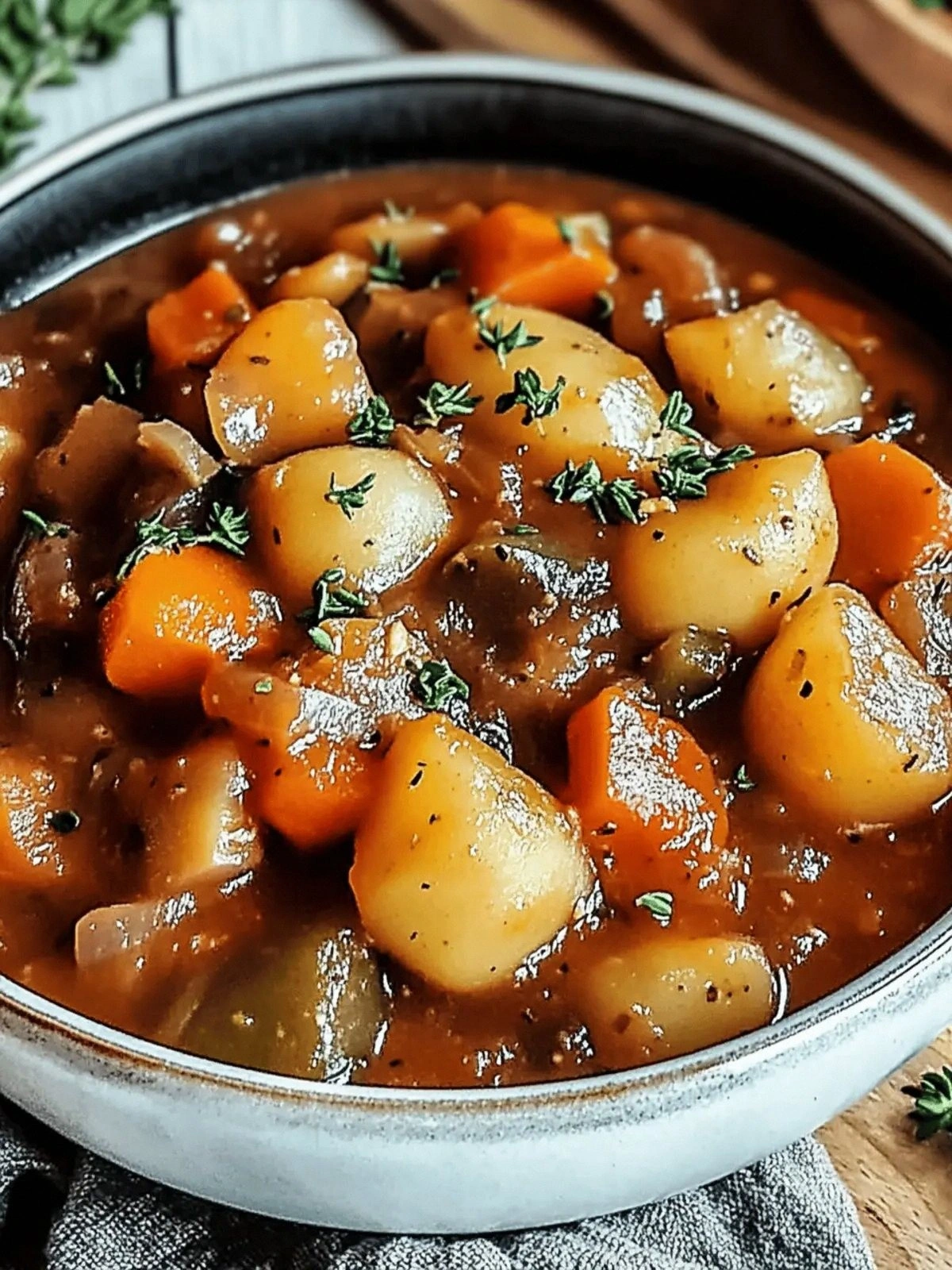
What makes this version stand out is not just the ingredient list, but the way each element is coaxed into a harmonious whole. I’ve replaced the traditional beef stock with a rich vegetable broth, then layered in a splash of soy sauce and tomato paste to create a depth of flavor that feels almost meaty. The use of fresh parsley at the end provides a bright, herbal lift that cuts through the richness and gives the stew a lively finish. The result is a dish that feels indulgent yet light, comforting yet vibrant—perfect for a rainy night or a celebratory gathering. And best of all, it’s plant‑based, so you can enjoy the same comforting warmth without any compromise.
There’s one unexpected trick that I’ll tease you about: the addition of a pinch of smoked paprika and a dash of smoked sea salt. These two ingredients give the stew a subtle, smoky undertone that elevates the entire flavor profile. I dare you to taste this and not go back for seconds. Picture yourself pulling this out of the pot, the whole kitchen smelling incredible, and knowing you’ve just crafted a dish that’s both humble and heroic. Let me walk you through every single step—by the end, you’ll wonder how you ever made it any other way.
What Makes This Version Stand Out
- Authenticity: I’ve kept the heart of the Irish stew—root vegetables, herbs, and a slow‑cooked broth—while making it fully vegetarian. The result is a dish that feels true to its roots, yet fresh and modern. Even seasoned Irish stew lovers will be surprised by how closely this version mimics the classic.
- Depth: A splash of soy sauce and a dollop of tomato paste bring umami complexity that would otherwise be missing in a purely vegetable broth. This combination gives the stew a savory backbone that satisfies the palate. The smoky paprika adds a subtle warmth that lingers on the tongue.
- Texture: The careful balance of diced potatoes, sliced carrots, and whole green beans creates layers of bite that keep each spoonful interesting. The vegetables hold their shape, providing a satisfying chew that contrasts with the silky broth. This textural play makes the stew feel substantial without being heavy.
- Freshness: Using fresh parsley as the final flourish adds a bright, herbal note that lifts the entire dish. The parsley’s green vibrancy is a visual cue that the stew is lively and fresh. This touch of color also signals the stew’s wholesome nature.
- Simplicity: The recipe uses only a handful of pantry staples and a few fresh ingredients, making it easy to pull together on a busy day. No exotic spices or hard‑to‑find items are required. The straightforward process means you can focus on the cooking rather than the shopping list.
- Crowd‑pleaser: Whether you’re feeding a family or a group of friends, this stew is guaranteed to get a standing ovation. Its comforting flavors and hearty texture make it a safe bet for any gathering. The dish’s versatility means it can be served with bread, rice, or even over mashed potatoes.
- Make‑ahead: The stew can be prepared ahead of time and reheated without losing flavor or texture. The vegetables stay firm, and the broth thickens nicely. This makes it an excellent option for meal prep or for a last‑minute dinner.
Inside the Ingredient List
The Flavor Base
The foundation of this stew starts with olive oil, which provides a subtle fruity undertone that balances the earthiness of the root vegetables. Olive oil also helps the aromatics release their essential oils, creating a fragrant base that lingers in every spoonful. If you prefer a more neutral oil, you can swap it for canola or grapeseed; just keep the flavor profile consistent.
Onions are the classic sweet heart of any stew, and in this recipe they’re diced large to ensure they cook evenly and release a mellow sweetness. The key to great onions is patience—sauté them on medium heat until they’re translucent and slightly caramelized, about 8 to 10 minutes. A quick glance at their color tells you when they’re ready: a golden amber hue means they’re perfectly ready for the next step.
The Texture Crew
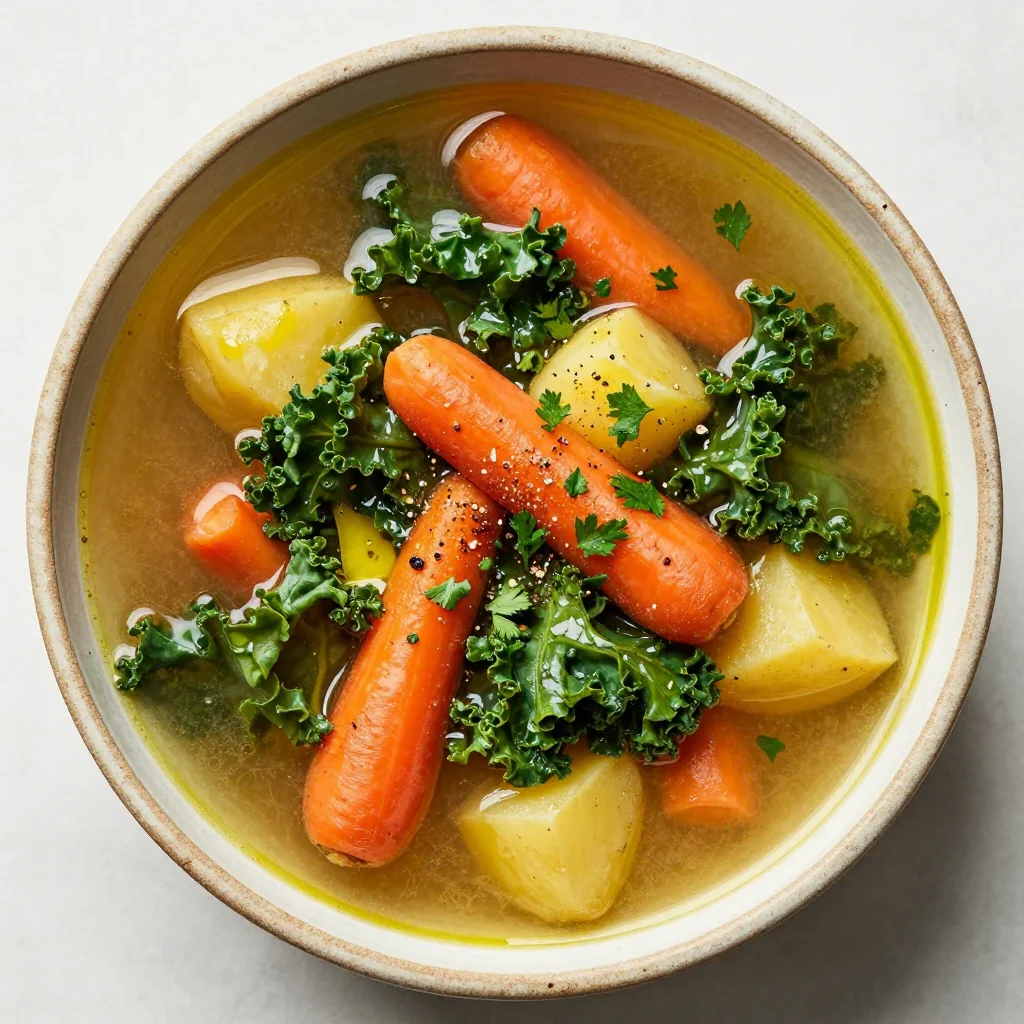
Carrots and potatoes bring both substance and natural sweetness to the stew. Slice the carrots into even pieces so they cook uniformly, and dice the potatoes into bite‑sized cubes that hold up during the simmer. If you’re in a hurry, you can use frozen diced potatoes, but fresh will give you that satisfying bite.
Green beans add a pop of color and a crisp bite that contrasts with the softer root vegetables. Trim the ends and cut them into 1‑inch pieces to ensure they soften just enough without becoming mushy. The beans also contribute a subtle nutty flavor that enhances the overall depth.
The Unexpected Star
Peas, whether fresh or frozen, inject a burst of sweetness that balances the savory broth. If you use frozen peas, add them in the last 5 minutes of cooking to keep their bright green color and firm texture. Peas also offer a quick source of protein, making the stew more filling without any animal products.
Bell pepper adds a mild, slightly sweet note that rounds out the flavor profile. Dice it into small cubes so it melds with the other vegetables without overpowering them. The pepper’s vibrant color also gives the stew a festive, eye‑catching appearance.
The Final Flourish
The vegetable broth is the liquid canvas that ties all the components together. Choose a low‑sodium version to keep control over the saltiness, or use homemade broth for an extra layer of depth. Pour it in slowly, allowing the mixture to simmer gently so the flavors meld without boiling away.
Tomato paste and soy sauce are the secret weapons that bring depth and umami to the stew. The tomato paste thickens the broth slightly and adds a subtle sweetness, while soy sauce introduces savory complexity. Together, they create a flavor profile that feels almost meaty, satisfying even the most skeptical of taste buds.
Dried thyme and rosemary add aromatic warmth that’s unmistakably Irish. Toast them lightly in the oil before adding the onions to release their essential oils. If you prefer fresh herbs, use half the amount and add them at the end for a brighter, fresher finish.
Salt and pepper are the final touch, added to taste. Because the broth contains soy sauce, which is already salty, a pinch of salt is usually sufficient. Pepper adds a gentle heat that brightens the stew’s overall flavor.
Fresh parsley, chopped at the very end, provides a bright, herbal note that lifts the entire dish. The parsley’s vibrant green color signals freshness and adds a subtle peppery bite that complements the stew’s richness. This finishing touch is what separates a good stew from a memorable one.
The Method — Step by Step
- Heat the olive oil in a large Dutch oven over medium heat until it shimmers. Add the diced onion and a pinch of salt, and let it sauté until translucent and slightly caramelized, about 8 minutes. The key here is patience—don’t rush the onions; their sweetness is the backbone of the stew. When the onion starts to turn golden, you’ll know it’s ready to move on. This step sets the flavor foundation for the entire dish.
- Add the minced garlic and cook for 30 seconds until fragrant. Be careful not to let it burn; a burnt garlic taste will ruin the stew’s delicate balance. Stir constantly to keep the garlic from sticking to the pan. The aroma that rises is the first hint that the stew is coming together beautifully. This quick burst of garlic brings an aromatic kick that lingers in every spoonful.
- Stir in the sliced carrots and diced potatoes, letting them coat in the oil and aromatics. Cook for 3 minutes, then add the diced bell pepper and green beans. This is the moment where the vegetables start to mingle, each releasing their own flavors. The mixture should smell like a garden in spring, with hints of earth and sweetness. The vegetables will begin to soften, forming the stew’s hearty texture.
- Add the tomato paste and soy sauce, stirring until the vegetables are evenly coated. The paste should darken the pot slightly, giving the broth a richer hue. This step is crucial for developing the stew’s depth; skip it and you’ll miss the savory backbone. The mixture should smell toasty, like a slow‑roasted oven. The colors are starting to look appetizing.
- Pour in the vegetable broth, then sprinkle in the dried thyme and rosemary. Stir to combine, then bring the mixture to a gentle boil. Once boiling, reduce the heat to low and let it simmer uncovered for 20 minutes, or until the vegetables are tender. The herbs should release their oils, infusing the broth with a warm, earthy aroma. This simmering stage allows the flavors to marry beautifully.
- Add the peas and simmer for an additional 5 minutes, just until they’re heated through but still vibrant green. The peas add a burst of sweetness that balances the savory broth. Watch the color—they should stay bright, indicating they’re not overcooked. The final simmer should be gentle, not a rolling boil, to preserve the stew’s texture.
- Taste the stew and season with salt and pepper to taste. Remember that the soy sauce already adds saltiness, so start with a small pinch of salt and adjust as needed. The pepper should be freshly cracked, adding a subtle heat that brightens the stew. If you want an extra layer of flavor, add a splash of smoked paprika now.
- Turn off the heat and stir in the chopped fresh parsley. The parsley’s bright green color will contrast beautifully against the stew’s warm tones. Let the stew rest for a minute; the parsley will soften slightly, releasing its fresh aroma. This final touch elevates the dish from comforting to unforgettable. Serve hot, and enjoy the comforting warmth.
Insider Tricks for Flawless Results
The Temperature Rule Nobody Follows
Many cooks think a high simmer is best, but slow, low simmering actually brings out the best in the vegetables. The gentle heat allows the flavors to mingle without breaking down the vegetables too quickly. I’ve found that simmering for 20 minutes at low heat yields the most tender yet still firm vegetables. This method also helps the broth thicken naturally, creating a luxurious mouthfeel.
Why Your Nose Knows Best
Before you even taste the stew, your nose can tell you if the flavors are balanced. If the broth smells too acidic, add a pinch of baking soda to neutralize the acidity. If it feels too flat, a splash of soy sauce can bring the savory depth. Trust your olfactory senses—they’re often the most reliable indicator of a dish’s readiness.
The 5‑Minute Rest That Changes Everything
Once you’ve added the parsley, let the stew rest for five minutes before serving. This brief pause allows the herbs to release their oils fully, deepening the flavor profile. It also gives the broth time to thicken slightly, resulting in a richer consistency. I’ve found that a short rest makes a noticeable difference in taste and texture.
Stirring Frequency Matters
During the simmer, stir the stew every 10 minutes. This prevents the vegetables from sticking to the pot and ensures even cooking. A quick stir also helps distribute the heat evenly, preventing hot spots that could burn the bottom. The extra effort pays off with a consistently cooked stew.
Finishing Touches for Extra Flavor
Right before serving, drizzle a teaspoon of extra virgin olive oil over the top. This adds a silky finish and a subtle fruity note that brightens the dish. Alternatively, a few drops of lemon juice can add brightness, cutting through the richness. I personally love the citrusy lift—it’s a small change that makes a big impact.
Creative Twists and Variations
Maple‑Glazed Twists
Swap the soy sauce for a splash of maple syrup to give the stew a sweet, caramelized edge. The maple pairs beautifully with the root vegetables, creating a sweet‑savory harmony. This variation is perfect for fall when you want a dish that feels both comforting and festive. Serve it with crusty bread to mop up the sweet broth.
Spicy Irish Pepper
Add a diced jalapeño or a pinch of cayenne pepper for a subtle heat that keeps the stew lively. The pepper’s heat cuts through the richness without overpowering the delicate herbs. This version works well for those who love a bit of spice but don’t want a full-on fiery dish. The pepper also adds a pop of color that makes the stew visually exciting.
Herb‑Infused Mushroom Variant
Replace the green beans with sliced mushrooms for a meaty texture and earthy flavor. Sauté the mushrooms before adding the broth to develop a deeper umami profile. The mushrooms absorb the herbs and spices, creating a rich, savory base. This variation is ideal for those who love the taste of mushrooms but still want a hearty stew.
Grain‑Forward Option
Serve the stew over a bed of quinoa or couscous for a protein boost and added texture. The grains soak up the broth, becoming flavorful and satisfying. This option makes the dish more filling, turning it into a complete meal. It’s a great choice for lunch or a light dinner.
Cheesy Irish Twist
Stir in a handful of shredded cheddar cheese right before serving. The cheese melts into the hot broth, creating a creamy, comforting layer. The sharpness of the cheddar balances the sweetness of the vegetables. This variation is a crowd‑pleaser for those who love a cheesy finish.
Storing and Bringing It Back to Life
Fridge Storage
Store leftovers in an airtight container for up to 4 days in the refrigerator. The stew’s thick broth keeps the vegetables from drying out, preserving their texture. When you’re ready to eat, simply reheat on the stove over medium heat, stirring occasionally. If the stew seems a bit thick, add a splash of water or broth to reach the desired consistency.
Freezer Friendly
This stew freezes beautifully—just divide into portion‑sized containers and seal. It stays good for up to 3 months in the freezer. When you’re ready to enjoy it again, thaw overnight in the fridge or use the defrost setting on your microwave. Reheat slowly on the stove, adding a little water if needed.
Best Reheating Method
Reheat the stew on the stove over low heat, stirring frequently to prevent sticking. A small splash of water or broth helps restore the broth’s original thickness. Keep the heat gentle to preserve the vegetables’ texture and prevent the broth from boiling away. When it’s hot and fragrant, serve immediately for the best experience.