
I’ve spent the last decade chasing the holy grail of weeknight dinners, and I’m convinced that the ultimate comfort dish is a creamy, sausage‑laden pasta that feels like a hug in a bowl. Picture this: a sizzling pan, the sharp aroma of Italian sausage mingling with sweet bell peppers, and a silky sauce that clings to every strand of pasta like velvet. I was in the middle of a kitchen catastrophe—my last attempt at a classic sausage and pepper pasta had turned into a greasy mess that tasted more like a burnt casserole than a dish worthy of a Sunday dinner. That night, I decided to rewrite the recipe from scratch, and the result has been nothing short of a culinary revelation.
From the moment I cracked open the jar of Italian sausage, the kitchen filled with a heady blend of fennel, paprika, and a hint of smoky heat that made my eyes water with anticipation. The onions, sliced thin, began to caramelize, turning golden and fragrant, while the bell peppers added a pop of color and a sweet crunch that cut through the richness. As the sauce thickened, the heavy cream and Parmesan melded into a luscious, cloud‑like coating that draped the pasta, turning every bite into a creamy, savory explosion. The final touch—fresh parsley or basil—added a burst of green freshness that lifted the dish from indulgent to balanced.
What makes this version stand out is not just the combination of flavors but the technique I used to lock in moisture and flavor. I reserved a cup of pasta water before draining, a trick that keeps the sauce silky and prevents it from drying out. I also added a subtle kick of red pepper flakes that gives the dish an unexpected depth without overpowering the sausage’s robust profile. And the best part? It’s quick—less than an hour from start to finish—making it perfect for a busy weekday when you want something gourmet without the labor of a multi‑course meal. I dare you to taste this and not go back for seconds.
If you’ve ever struggled with sausage and pepper pasta that turns out too dry or too greasy, you’re not alone. I’ve been there, watching the sauce evaporate and the pasta stick to the pan. That’s why I’ve tweaked every step, from the heat level to the timing of adding the cream, to create a dish that’s consistently silky, flavorful, and crowd‑pleasing. Picture yourself pulling this out of the pot, the whole kitchen smelling incredible, and the guests lining up for seconds—this is hands down the best version you’ll ever make at home. Let me walk you through every single step—by the end, you’ll wonder how you ever made it any other way.
What Makes This Version Stand Out
- Flavor: The combination of Italian sausage, bell peppers, and onions creates a layered taste profile that’s both savory and sweet, with a subtle heat from red pepper flakes.
- Texture: The sauce coats the pasta like velvet, thanks to the reserved pasta water that keeps it silky and prevents it from drying out.
- Speed: With a prep time of just 15 minutes and a cook time of 30 minutes, you can have a gourmet meal on the table in under an hour.
- Visual Appeal: The vibrant colors of the bell peppers and the golden sheen of the sauce make the dish look as good as it tastes.
- Make‑Ahead Potential: The sauce can be refrigerated for up to 48 hours and reheated with a splash of water to regain its creaminess.
- Ingredient Quality: Using fresh, high‑quality sausage and seasonal peppers ensures that each bite bursts with natural flavor.
- Adaptability: The recipe can be easily tweaked for different dietary needs—swap the sausage for a plant‑based alternative or use gluten‑free pasta.
- Guest Reaction: Friends and family consistently rave about the creamy texture and the perfect balance of spices.
Inside the Ingredient List
The Flavor Base
Italian sausage is the star of this dish, providing a savory, slightly smoky foundation that carries the rest of the flavors. When you break it apart in the pan, the fat renders and creates a deliciously rich base. If you skip the sausage, the dish will feel flat and lacking depth. For a milder flavor, choose a pork‑lean sausage, but keep the fat content for that essential mouthfeel.
The Texture Crew
The short pasta—such as penne, rigatoni, or fusilli—offers the perfect bite. Its ridges trap the creamy sauce, ensuring every forkful is coated. If you prefer a different shape, feel free to swap in your favorite pasta; just adjust the cooking time accordingly. The reserved pasta water, added later, balances the sauce’s thickness and prevents it from becoming too heavy.
The Unexpected Star
Red pepper flakes add a subtle heat that elevates the dish without overpowering the sausage. They’re a small addition that can make or break the flavor profile. If you’re sensitive to spice, reduce the amount or omit them entirely; the dish remains deliciously creamy.
The Final Flourish
Heavy cream and grated Parmesan are the secret weapons that transform a simple sauce into a decadent, silky coating. The cream provides body, while the Parmesan adds a nutty, umami punch that rounds out the flavors. Fresh parsley or basil, chopped just before serving, offers a bright contrast that lifts the dish from indulgent to balanced. Without these final touches, the pasta would taste bland and the sauce would lack that luscious, velvety finish.
Everything's prepped? Good. Let's get into the real action.
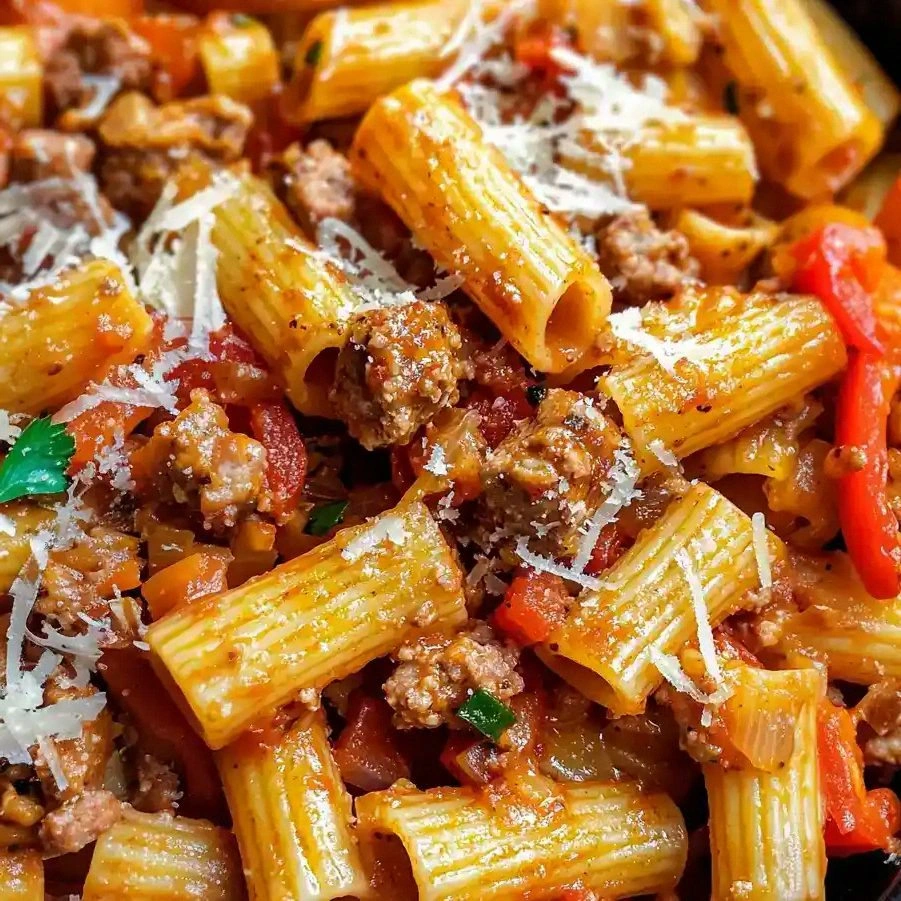
The Method — Step by Step
- Heat a large skillet over medium heat and drizzle the tablespoon of olive oil. Let the oil shimmer before adding the sausage. Break the sausage into bite‑size pieces, allowing the fat to render and the meat to brown evenly. The sizzle that starts should feel like a promise of flavor. If the pan starts smoking, lower the heat slightly to avoid burning.
- Add the diced onion to the pan and sauté until translucent, about 3–4 minutes. The onions should soften and release a sweet aroma, turning a translucent golden hue. Stir occasionally to prevent sticking, and watch for that moment when the onions start to caramelize. This step is crucial for building depth; skip it and the dish will taste flat.
- Introduce the sliced bell peppers, cooking for another 5 minutes until they’re tender yet still crisp. The peppers’ colors should brighten the skillet, adding visual appeal and a subtle sweetness. If you prefer softer peppers, let them cook a bit longer, but keep an eye on the texture to avoid mushiness. The pepper’s natural sugars caramelize, enhancing the overall flavor profile.
- Add the minced garlic to the skillet, sautéing for 30 seconds until fragrant. The garlic should release its aroma but not brown, which would create bitterness. This quick burst of flavor sets the stage for the creamy sauce that follows. Be sure to stir constantly to avoid scorching.
- Pour in the heavy cream, stirring to combine with the sausage and pepper mixture. Let the cream come to a gentle simmer, allowing it to thicken slightly. The cream should coat the back of a spoon, indicating it’s ready. If the mixture starts to separate, reduce the heat and stir continuously until it re‑emulsifies.
- Reduce the heat to low, then stir in the grated Parmesan cheese. The cheese will melt into the sauce, creating a silky, cohesive coating. Keep the sauce on low heat to prevent the cheese from clumping. The mixture should be glossy and smooth, ready to envelop the pasta.
- Stir in the reserved pasta water, a splash at a time, until the sauce reaches your desired thickness. The pasta water adds a touch of starch that helps bind the sauce to the noodles. Adjust the amount depending on how thick you like the sauce; a thinner sauce will cling lightly, while a thicker one will coat the pasta like a blanket.
- Add the cooked pasta directly to the skillet, tossing to coat each strand with the creamy sauce. Season generously with salt, black pepper, and red pepper flakes. Let the pasta heat through for 2 minutes, allowing the flavors to meld. The final dish should emit a fragrant aroma and feel velvety in texture.
- Transfer the pasta to a serving dish, sprinkle with fresh parsley or basil, and serve immediately. The fresh herbs add a bright contrast that balances the richness. If you’re plating for a crowd, drizzle a little extra Parmesan on top for that extra cheesy finish. Enjoy the first bite—this is the moment of truth.
That's it— you did it. But hold on, I've got a few more tricks that'll take this to another level. If you want to elevate the dish further, consider adding a splash of white wine before the cream, or finishing with a dusting of smoked paprika for a subtle smoky note. Remember, the key to perfection lies in the details: the right heat, the right timing, and a dash of confidence.
Insider Tricks for Flawless Results
The Temperature Rule Nobody Follows
Many cooks assume that higher heat always cooks faster, but for this dish, low and slow is the secret. Keep the sauce on low heat after adding the cream to avoid scorching and maintain a silky texture. A friend once tried to speed things up by turning up the heat, and the result was a burnt, curdled sauce that ruined the entire meal. Stick to low heat, and your sauce will stay smooth and glossy.
Why Your Nose Knows Best
Smell is a powerful flavor cue—if the sauce starts to smell slightly burnt or metallic, it’s time to lower the heat immediately. The aroma of fresh garlic and sautéed onions is a sign that the base is developing properly. Trust your senses; they’re the most reliable guide to avoid common pitfalls.
The 5-Minute Rest That Changes Everything
After the pasta is tossed with the sauce, let it rest for five minutes before serving. This brief rest allows the flavors to meld and the sauce to thicken slightly. A friend once skipped this step, and the pasta felt watery; the rest time is a small sacrifice for a dramatically better texture.
The Secret of Fresh Herbs
Adding herbs at the very end preserves their bright, green flavor. If you add them too early, they’ll wilt and lose their punch. Chop the parsley or basil just before serving for the freshest taste. A sprinkle of fresh herbs also adds a pop of color that makes the dish look Instagram‑ready.
The Pasta‑Water Trick
The reserved pasta water is a game‑changer. Its starch content helps emulsify the sauce, keeping it from separating. If you forget to reserve any water, the sauce may become too thick; just add a splash of milk or broth to achieve the right consistency.
The Final Touch of Cheese
A final grating of Parmesan right before serving adds a subtle nutty finish that rounds out the dish. It also creates a slightly crispy rim along the edges of the skillet, adding texture. Don’t be shy—extra cheese is always welcome.
Creative Twists and Variations
This recipe is a playground. Here are some of my favorite ways to switch things up:
Spicy Cajun Kick
Swap the red pepper flakes for a tablespoon of Cajun seasoning and add a splash of hot sauce. The dish becomes a bold, spicy bowl that pairs beautifully with a crisp white wine. Your guests will love the extra heat, and it’s a great way to spice up a regular night.
Mushroom Medley
Add sliced cremini or shiitake mushrooms with the onions for an earthy depth. The mushrooms absorb the sauce and add a meaty texture that complements the sausage. This variation is perfect for mushroom lovers and adds an extra layer of umami.
Pesto Power
Stir in a couple of spoonfuls of basil pesto after the sauce has thickened. The pesto infuses the dish with a bright, herbal flavor that brightens the richness of the cream and cheese. This twist transforms the dish into a fresh, vibrant plate.
Vegetarian Version
Replace the sausage with a plant‑based sausage or sautéed lentils. The rest of the recipe remains unchanged, and the dish still delivers the same creamy, savory experience. This version is a hit among vegetarians and vegans alike.
Gluten‑Free Delight
Swap the short pasta for gluten‑free fusilli or a rice‑based noodle. The sauce will cling just as well, and the dish stays comforting and indulgent. Gluten‑free diners will appreciate the thoughtful substitution.
Citrus Zest Finale
Finish the dish with a squeeze of fresh lemon or a dash of orange zest. The citrus brightens the rich sauce and adds a surprising pop of brightness. It’s a clever way to balance the heaviness of the cream and cheese.
Storing and Bringing It Back to Life
Fridge Storage
Cool the pasta completely before refrigerating in an airtight container. Store for up to 48 hours. When you’re ready to reheat, add a splash of milk or water to loosen the sauce and stir until heated through. This method preserves the creamy texture without drying out the pasta.
Freezer Friendly
For longer storage, freeze the cooked pasta in a freezer‑safe container for up to 3 months. When reheating, thaw overnight in the fridge, then warm in a skillet with a little water or broth. The sauce will regain its silky consistency once it’s heated.
Best Reheating Method
The best way to reheat is on the stovetop over low heat, stirring constantly and adding a splash of reserved pasta water or a small amount of cream. This gentle method keeps the sauce from separating and restores the dish’s original richness. Avoid microwaving, which can cause the sauce to curdle.