It all started on a rainy Saturday when I attempted to impress a group of friends with a quick shrimp dish. I had grabbed a bag of frozen shrimp, tossed them in a bowl, and, in a rush, forgot to thaw them properly. The result was a rubbery, flavorless mess that left everyone asking, "What’s that?" I was mortified, but the experience sparked a mission: to create a shrimp recipe that would turn any kitchen disaster into a triumph.
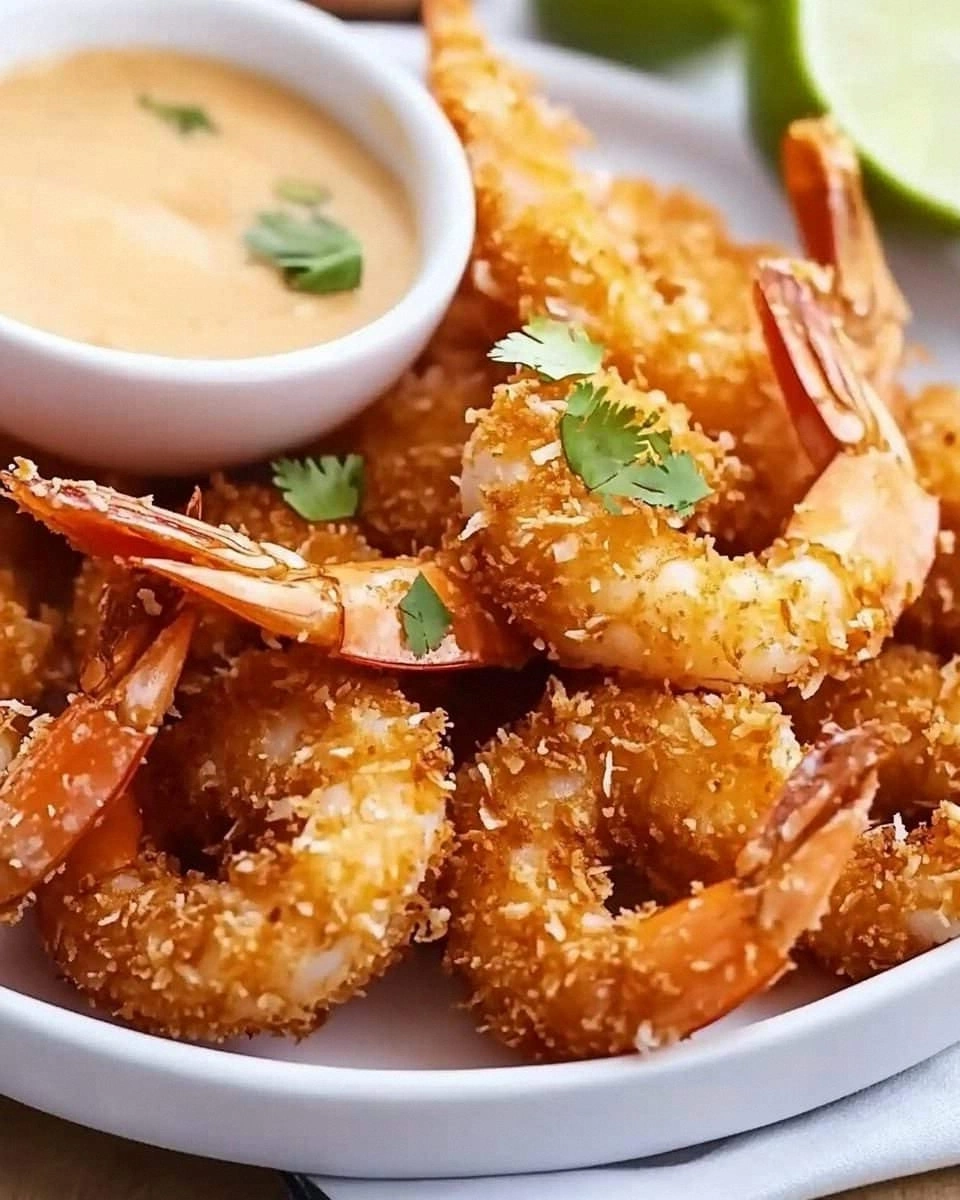
Picture this: the kitchen is humming with the gentle crackle of hot oil, the aroma of toasted coconut drifting through the air, and the sound of shrimp sizzling like a secret jazz club. The visual is a golden crust that glistens, the touch is a satisfying snap under your fingers, and the first bite delivers a burst of sweet, nutty flavor that melts into a tender, juicy shrimp. The heat of the skillet dances with a citrusy brightness, while a hint of spice lingers, creating a symphony of textures and tastes that makes you want to dive in again.
What makes this version stand out is not just the crispy coating but the careful balance of flavors and the simplicity of the technique. The coconut provides a natural sweetness that offsets the savory shrimp, while a splash of lime adds a bright, almost tropical zing. The batter is light enough to keep the shrimp tender, yet thick enough to hold the coating without becoming soggy. Every bite feels like a vacation in a bite‑sized package, and the dish is so versatile that it can be served as an appetizer, a main, or even a snack on the go.
I’ll be honest—after tasting the first batch, I ate half the shrimp before anyone else even got a chance. The next time I made it, I added a pinch of cayenne to give it a subtle kick that made the dish unforgettable. Most recipes get this completely wrong, missing the delicate balance between crunch and juiciness. Picture yourself pulling this out of the skillet, the whole kitchen smelling incredible, and your guests’ eyes widening in anticipation. Let me walk you through every single step—by the end, you’ll wonder how you ever made it any other way.
What Makes This Version Stand Out
- Taste: The sweet, nutty flavor of coconut pairs beautifully with the briny shrimp, creating a harmony that lingers on the palate. The subtle lime brightness lifts the dish, preventing it from feeling heavy or overly sweet.
- Texture: A perfectly crisp exterior that shatters like thin ice, revealing a tender, juicy interior. The batter is thin enough to let the shrimp’s natural flavor shine through while still holding the coating in place.
- Simplicity: Only a handful of ingredients—no complicated sauces or secret spices. The method can be mastered in under an hour, making it ideal for busy weeknights.
- Uniqueness: The combination of coconut, lime, and a hint of cayenne gives this dish a tropical twist that sets it apart from standard fried shrimp recipes.
- Crowd Reaction: Guests rave about the crunch, the bright finish, and the quick preparation. It’s a guaranteed hit at parties, potlucks, or family dinners.
- Ingredient Quality: Fresh, high‑quality shrimp and premium coconut make the difference between good and unforgettable.
- Cooking Method: The double‑breading technique ensures even crispness while keeping the shrimp moist.
- Make‑Ahead Potential: The shrimp can be pre‑breaded and frozen, then fried fresh when needed, making it a convenient go‑to for last‑minute gatherings.
Alright, let’s break down exactly what goes into this masterpiece…
Inside the Ingredient List
The Flavor Base
The shrimp themselves are the star, so choose the freshest you can find. Fresh shrimp will give you a sweeter, more delicate taste compared to frozen ones that have lost some moisture. If you’re in a pinch, thaw the shrimp in cold water for 15 minutes and pat them dry—this step prevents excess water from making the batter soggy. A pinch of salt and pepper will season the shrimp before they hit the coating, ensuring each bite is flavorful.
The Texture Crew
All‑purpose flour and cornstarch form the backbone of the coating, creating a light yet sturdy shell. The flour adds body, while the cornstarch introduces a delicate crispness that doesn’t break apart during frying. The beaten eggs bind the flour mixture to the shrimp, forming a smooth, even layer. If you’re looking for a gluten‑free version, swap the flour for rice flour or a gluten‑free blend; the cornstarch remains essential for crunch.
The Unexpected Star
Shredded coconut is the secret sauce that elevates this dish from ordinary to extraordinary. It adds a sweet, nutty undertone that contrasts beautifully with the savory shrimp. The coconut also helps trap heat, creating a crisp exterior that holds its shape. For a richer flavor, use toasted coconut flakes; they add a subtle caramelized note that’s impossible to resist.
The Final Flourish
A splash of lime juice brightens the entire dish, cutting through the richness of the coconut. Fresh cilantro adds a herbaceous freshness that balances the sweetness. A pinch of cayenne pepper gives the dish a gentle heat that lingers on the tongue. If you prefer a milder version, simply omit the cayenne or replace it with a sweet paprika for a different flavor profile.
Everything's prepped? Good. Let's get into the real action…
The Method — Step by Step
- Begin by rinsing the shrimp under cold water and patting them dry with paper towels. The drier the shrimp, the less steam will escape during frying, ensuring a crisp coating. Season each shrimp with a light dusting of salt and pepper, then set them aside on a plate. This quick step locks in flavor and prevents the shrimp from drawing out moisture. The shrimp should feel firm to the touch, a sign that they’re ready for the batter.
- In a shallow bowl, whisk together the all‑purpose flour, cornstarch, garlic powder, paprika, and a pinch of cayenne. Mix until the spices are evenly distributed. This dry mix is the foundation of the coating; a well‑blended mixture ensures each shrimp receives a uniform crust. Keep this bowl at room temperature while you prepare the wet ingredients.
- Whisk the eggs in a separate bowl until they’re smooth and slightly frothy. The beaten eggs act as the glue that holds the coating to the shrimp. A little whisking introduces air, making the coating lighter. Don’t over‑whisk, or the eggs will become too thick and tough. Keep the eggs at a low temperature until you’re ready to use them.
- In a third shallow dish, combine the shredded coconut and a teaspoon of lime juice. The lime not only flavors the coconut but also helps the coating adhere to the shrimp. Toss the coconut until it’s evenly coated with lime, then set it aside. If you prefer a more pronounced coconut flavor, double the amount of coconut flakes.
- Heat about 2 inches of vegetable oil in a deep skillet over medium‑high heat until it reaches 350°F (175°C). Use a thermometer to monitor the temperature; if it drops, add a splash of oil. The oil should be hot enough that a pinch of flour sizzles instantly. A properly heated oil ensures a quick, even crisping of the shrimp.
- Coat each shrimp by first dipping it into the flour mixture, then the egg wash, and finally the coconut coating. The sequence creates a layered crust that locks in moisture. Shake off any excess before placing the shrimp into the hot oil. The first few shrimp will sizzle loudly, signaling that the oil is at the right temperature.
- Fry the shrimp for 2–3 minutes per side or until they turn a deep golden brown. The shrimp should be opaque and firm to the touch. Use tongs to flip them gently, ensuring the coating remains intact. Once cooked, transfer them to a paper towel‑lined plate to drain excess oil. The shrimp should feel crisp and airy, not greasy.
- While the shrimp are still hot, sprinkle them with chopped cilantro and an extra squeeze of lime. This finishing touch adds a burst of freshness that cuts through the richness. Serve immediately with a side of sweet chili sauce or a simple squeeze of lime for dipping. The dish is best enjoyed straight from the skillet, where the aroma is at its peak. That sizzle when it hits the pan? Absolute perfection.
That’s it — you did it. But hold on, I’ve got a few more tricks that'll take this to another level…
Insider Tricks for Flawless Results
The Temperature Rule Nobody Follows
Oil temperature is the holy grail of crispy shrimp. If the oil is too cool, the coating will absorb oil and become soggy; too hot, and the exterior burns before the shrimp cooks through. Use a digital thermometer to keep the oil steady at 350°F (175°C). If you notice the oil bubbling too vigorously, lower the heat slightly. A steady temperature guarantees a crisp, golden finish every time.
Why Your Nose Knows Best
Smell is a powerful indicator of doneness. When the shrimp starts to turn golden, a subtle nutty aroma will rise, signaling that the coating is crisping properly. If you smell a faint burnt scent, the oil is too hot. Trust your nose; it’s a reliable cue that the shrimp are ready to be plated.
The 5‑Minute Rest That Changes Everything
Let the shrimp rest on a wire rack for 5 minutes after frying. This step allows excess oil to drain, keeping the crust crisp. The rest period also lets the flavors meld, making the shrimp more cohesive. A quick rest prevents the shrimp from steaming in their own juices, which would otherwise soften the coating.
Avoiding Common Pitfalls
One friend tried skipping the flour step, thinking the egg wash alone would suffice. The result? A soggy, clumpy coating that collapsed on the first bite. The flour layer is essential for structure, providing a dry base that the egg can cling to. Always double‑coat for maximum crispness.
Serving Suggestions That Wow
Serve the shrimp over a bed of fresh greens or a light quinoa salad to balance the richness. Pair with a chilled coconut water or a light white wine for a tropical vibe. For an extra touch of elegance, garnish with microgreens and a drizzle of lime‑infused olive oil. The presentation is as important as the flavor, so plate them beautifully to wow your guests.
Creative Twists and Variations
This recipe is a playground. Here are some of my favorite ways to switch things up:
Spicy Mango Salsa
Swap the lime and cilantro garnish for a fresh mango salsa. Dice ripe mango, red onion, jalapeño, and a splash of lime juice, then toss with chopped cilantro. The sweet mango pairs with the crunchy shrimp, creating a tropical flavor explosion. Serve with a side of coconut rice for a complete meal.
Garlic Parmesan Crunch
Replace the coconut with a mixture of grated Parmesan and breadcrumbs. Add minced garlic to the flour mix for an Italian twist. The Parmesan adds a savory depth, while the breadcrumbs keep the texture crispy. This version is great for a Mediterranean-themed dinner.
Asian Sesame Delight
Use toasted sesame seeds in place of coconut, and add a splash of soy sauce to the batter. Finish with a drizzle of sesame oil and a sprinkle of chopped scallions. The sesame flavor gives a nutty, umami edge that complements the shrimp’s natural sweetness. Pair with steamed jasmine rice for a satisfying bite.
Coconut Curry Dip
Serve the shrimp with a coconut curry dipping sauce. Combine coconut milk, red curry paste, lime zest, and a touch of honey. The sauce adds a creamy, spicy dimension that elevates the shrimp’s flavor profile. It’s a crowd‑pleaser at parties and potlucks alike.
Zesty Lemon Herb Variation
Omit the coconut entirely and coat the shrimp in a mixture of flour, paprika, and lemon zest. Finish with a squeeze of fresh lemon juice and a sprinkle of chopped parsley. This bright, herbaceous version is perfect for a light summer dinner. The lemon adds a refreshing punch that keeps the dish from feeling too heavy.
Storing and Bringing It Back to Life
Fridge Storage
Store cooked shrimp in an airtight container in the refrigerator for up to 2 days. Keep the shrimp on a paper towel to absorb excess moisture, preventing the coating from becoming soggy. When ready to eat, reheat briefly in a skillet over medium heat to restore crispness.
Freezer Friendly
For longer storage, freeze the shrimp on a parchment‑lined tray before transferring to a freezer bag. They will keep for up to 3 months. When you’re ready to serve, thaw overnight in the refrigerator and then reheat in a hot pan for a few minutes on each side. The coating will regain its crunch after a quick sear.
Best Reheating Method
The secret to reheating without losing crunch is to use a skillet, not the microwave. Warm a small amount of oil over medium heat, then place the shrimp in the pan. Cook for 1–2 minutes per side until golden. Add a tiny splash of water before reheating; it steams the shrimp back to perfection while keeping the coating crisp.