I was halfway through a Sunday brunch when the kitchen turned into a comedy club. I had just sliced a pound of cod fillets, the same way my childhood grandma did, and the fish had that fresh, briny scent that made my mouth water. Then, in a moment of culinary bravado, I tossed the fillets into a shallow pan, hoping for a quick sear, and instead the fish slid off the skillet like a fish out of water. The result? A soggy mess that tasted like a wet paper towel. That disaster sparked a midnight epiphany: what if the classic childhood fish stick could be resurrected into something crisp, lean, and downright delicious?
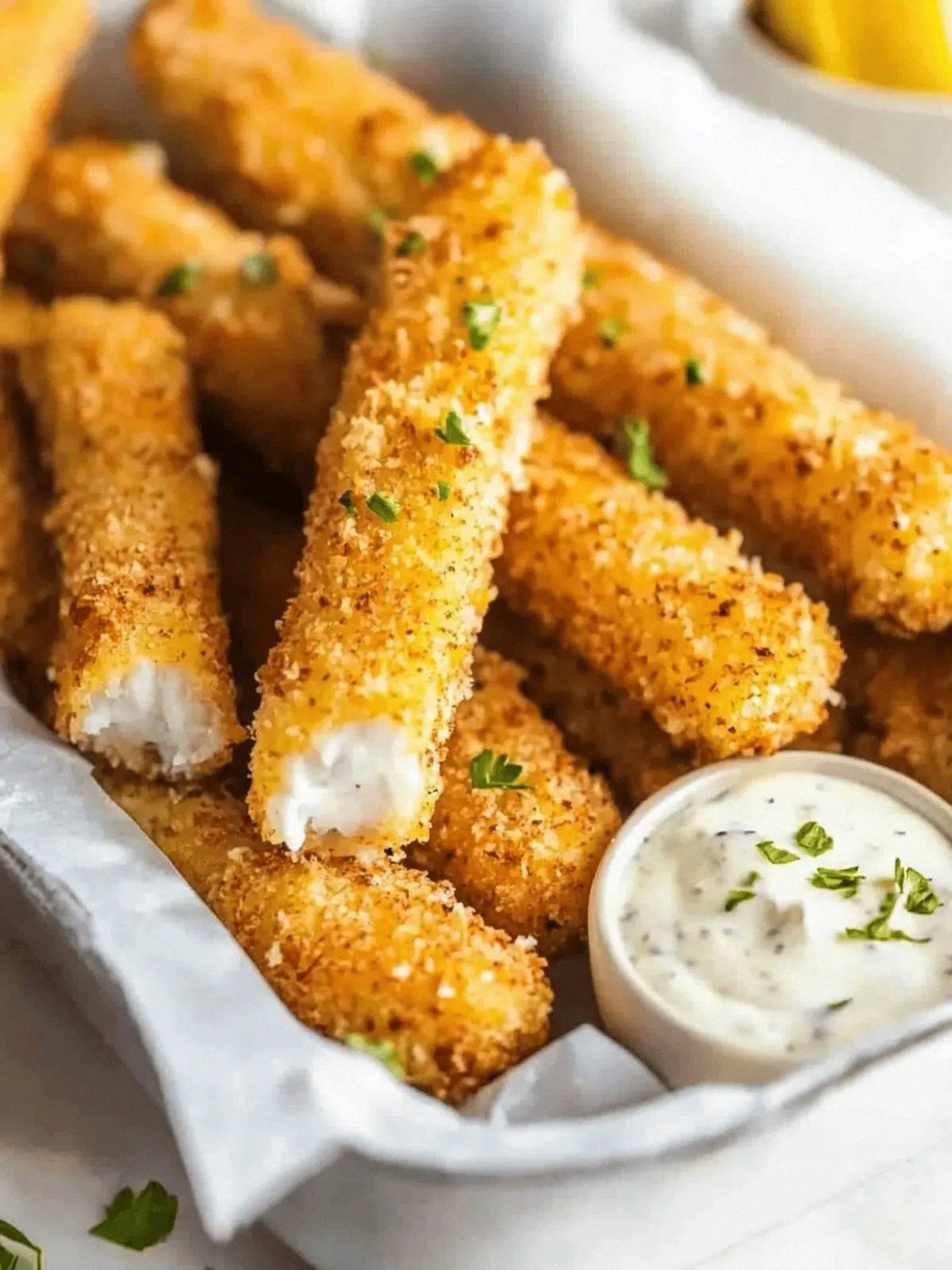
Imagine this: you’re in a kitchen that smells of smoked paprika and citrus, the air thick with anticipation. The sound of the skillet crackling is louder than the chatter at a family dinner. You see the golden crust forming, a perfect contrast to the pale, flaky interior that’s still tender. When you take a bite, the crunch shatters like thin ice, releasing a burst of savory, buttery flavor that makes your taste buds sing. The texture is a delicate dance between crisp exterior and moist, flaky center, and the aroma lingers long after the last bite.
What makes this version stand out is that it’s not just another fish stick recipe; it’s a culinary revelation that turns a childhood staple into a gourmet treat. I’ve stripped away the heavy batter and replaced it with a light, airy coating that still delivers that iconic crunch. The fish itself is a lean protein, seasoned to perfection with paprika and pepper, so you get a clean, bright flavor that doesn’t feel weighed down by excess oil. And the sauce? A homemade tartar that’s tangy, creamy, and has just enough zing to cut through the richness. I dare you to taste this and not go back for seconds.
If you’ve ever struggled with making fish sticks that actually taste good, you’re not alone—and I’ve got the fix. I’ve spent nights experimenting with different coatings, but the combination of panko and seasoned breadcrumbs turned out to be the sweet spot. The result is a crispy exterior that’s crisp but not greasy, and a tender interior that melts in your mouth. Picture yourself pulling these out of the oven, the whole kitchen smelling incredible, and the kids lining up for the first bite. This is hands down the best version you’ll ever make at home, and I can’t wait to walk you through every single step — by the end, you’ll wonder how you ever made it any other way.
What Makes This Version Stand Out
- Taste: The cod is marinated in a subtle blend of paprika and pepper that enhances its natural sweetness without overpowering it. The result is a flavor profile that feels both familiar and sophisticated, making it a crowd-pleaser for both kids and adults.
- Crispness: By using a double coating of panko and seasoned breadcrumbs, the sticks achieve a crunchy texture that doesn’t become soggy. The coating is light enough to let the fish shine, yet robust enough to hold together during cooking.
- Simplicity: The recipe requires only a handful of pantry staples, no fancy sauces or exotic ingredients. You can whip this up in under 45 minutes, making it ideal for weeknight dinners.
- Health‑Friendly: The fish is baked, not fried, and the coating is made from whole‑grain breadcrumbs that add fiber. The dish is low in saturated fat, yet still delivers a satisfying crunch.
- Make‑Ahead: You can assemble the sticks ahead of time, refrigerate them for up to 24 hours, and bake them fresh when you’re ready. This flexibility makes it perfect for meal prep.
- Versatility: The fish sticks pair wonderfully with a range of dipping sauces—tartar, aioli, or even a simple squeeze of lemon. They also work as a protein boost in salads or grain bowls.
- Kid‑Friendly: The mild seasoning and crispy coating appeal to picky eaters, while the protein content keeps them satisfied.
- Presentation: When plated, the sticks look like a refined take on a childhood favorite, making the dish feel special even on a regular night.
Alright, let's break down exactly what goes into this masterpiece...
Inside the Ingredient List
The Flavor Base
The cod fillets are the star of the show. Fresh, firm fillets with a mild, slightly sweet flavor are key; if you’re using frozen cod, thaw it completely to avoid a mushy texture. The salt and pepper seasoning is simple but essential—salt brings out the fish’s natural umami, while black pepper adds a subtle heat that balances the richness of the coating.
If you skip the seasoning, the fish will taste flat and the coating will feel heavy. A good tip is to rub the fillets with a little lemon zest before seasoning; it adds brightness and a subtle citrus note that lifts the entire dish. When choosing cod, look for fillets that are firm to the touch and have a mild, clean smell—nothing too fishy.
The Texture Crew
The 1/2 cup all‑purpose flour acts as a binding agent, helping the coating adhere to the fish. It’s a minimal amount, so the coating remains light and airy. If you’re avoiding gluten, replace the flour with a 1:1 gluten‑free flour blend for the same effect.
The 1 cup of panko breadcrumbs provides the signature crunch. Panko’s airy, flaky structure creates a light, crackling bite that doesn’t become soggy. The 1/2 cup seasoned breadcrumbs add depth; they’re typically seasoned with herbs and spices, giving the sticks an extra layer of flavor. Together, these crumbs form a robust shell that crisps up beautifully.
If you skip the seasoned breadcrumbs, the flavor will feel a bit one‑dimensional. As a swap, you can add a tablespoon of dried dill or parsley to the plain breadcrumbs to mimic the seasoned version. The key is to keep the crumb mixture dry; any moisture will cause the coating to collapse.
The Unexpected Star
The 2 large eggs are the secret glue that holds the coating together. They’re beaten with 1 tablespoon Dijon mustard, which adds a tangy depth and helps the crumbs adhere evenly. If you’re allergic to eggs, you can use a tablespoon of aquafaba or a commercial egg replacer that mimics binding properties.
The Dijon mustard brings a subtle sharpness that balances the richness of the fish and breadcrumbs. If you prefer a milder flavor, substitute with a teaspoon of honey mustard or a splash of lemon juice. The mustard also adds a touch of acidity that brightens the overall dish.
The Final Flourish
The olive oil cooking spray is a minimalist way to ensure the sticks crisp without drowning them in oil. A light spray coats the surface, creating a golden exterior without adding excess calories. If you don’t have a spray, a small amount of olive oil brushed with a pastry brush will work just as well.
The tartar sauce is the finishing touch—creamy, tangy, and slightly sweet. It’s the classic companion to fish sticks, but you can jazz it up with a pinch of smoked paprika or fresh dill for an extra kick. If you’re watching sodium, make a homemade version using Greek yogurt, a dash of lemon juice, and a sprinkle of capers.
Everything's prepped? Good. Let's get into the real action...
The Method — Step by Step
- First, preheat your oven to 425°F (220°C). Line a large baking sheet with parchment paper or a silicone mat to prevent sticking. Place the baking sheet in the oven to heat up; a hot surface is crucial for a crisp crust. While the sheet heats, cut the cod fillets into sticks about 2 inches wide and 4 inches long. The uniform size ensures even cooking.
- In a shallow dish, combine the 1/2 cup flour, 1 teaspoon paprika, 1 teaspoon salt, and 1 teaspoon pepper. Toss the fish sticks in the flour mixture, shaking off any excess. This dry coating creates a barrier that keeps the moisture from the fish from seeping into the breadcrumb layer. If you’re feeling adventurous, add a pinch of cayenne pepper for a subtle heat.
- In a separate bowl, whisk together the 2 eggs and 1 tablespoon Dijon mustard until fully blended. This egg mixture is the glue that binds the breadcrumbs to the fish. Dip each floured stick into the egg mixture, ensuring it’s fully coated. Then, roll the stick in the panko breadcrumbs, pressing gently to adhere. Repeat the egg dip and breadcrumb roll once more for an extra crunchy shell.
- Spray the hot baking sheet lightly with olive oil cooking spray. Place the coated fish sticks on the sheet, leaving a small gap between each piece to allow heat circulation. This step is critical: a hot surface ensures the coating starts to crisp immediately. If you notice any sticking, give the sticks a quick light spray before placing them.
- Bake the fish sticks for 12 minutes, then flip them carefully with a spatula. The first half of the cooking time is when the interior cooks through, while the second half crisps the exterior. Watch for a golden-brown color; once the sticks have a deep amber hue, they’re ready. If your oven runs hot, reduce the time by 1-2 minutes.
- Once baked, transfer the sticks to a cooling rack for 3 minutes. This allows excess steam to escape, keeping the coating crisp. While they’re cooling, whisk together the tartar sauce with a splash of lemon juice and a pinch of fresh dill for a bright finish. The sauce should be creamy and slightly tangy, complementing the savory fish.
- Serve immediately with the tartar sauce on the side. Pair the sticks with a simple green salad or steamed veggies for a balanced meal. If you’re cooking for a crowd, keep the sticks warm in a 200°F (93°C) oven on a wire rack until you’re ready to serve. The result is a dish that looks and tastes like a gourmet creation.
- That’s it — you did it. But hold on, I've got a few more tricks that'll take this to another level. Keep the leftovers in an airtight container in the fridge for up to 24 hours, and reheat them in a 375°F (190°C) oven for 5-7 minutes to restore crispness. For an extra crunch, finish the reheat with a quick spray of olive oil.
Insider Tricks for Flawless Results
The Temperature Rule Nobody Follows
The secret to a perfect crunch is a hot oven and a hot baking sheet. If your sheet isn’t preheated, the coating will soak up moisture and become soggy. I’ve found that a 425°F oven is ideal for a quick, golden finish. If you’re using a convection setting, reduce the temperature by 25°F to avoid over‑browning.
Why Your Nose Knows Best
The aroma is a reliable indicator of doneness. When the fish sticks are near ready, you’ll smell a nutty, toasted scent that signals the breadcrumbs are crisping. If you’re still unsure, give them a gentle tap; a crisp sound means the coating is firm. Trust your nose—it’s the best judge of flavor and texture.
The 5-Minute Rest That Changes Everything
Letting the sticks rest on a wire rack for a few minutes after baking is more than a courtesy; it lets steam escape, preventing the coating from becoming chewy. I’ve seen people skip this step and end up with a soggy bite. A quick rest also allows the flavors to settle, giving the fish a richer taste.
Don’t Skimp on the Spray
Even a light spray of olive oil can make a world of difference. It creates a barrier that keeps the coating from sticking to the pan and enhances the golden color. If you’re avoiding oil, use a non‑stick spray or a small brush of melted butter for a richer finish.
Mix It Up With Herbs
Adding fresh herbs like parsley or dill to the breadcrumb mixture introduces a burst of color and flavor. I usually fold in a tablespoon of chopped herbs before coating the sticks. This simple tweak turns a basic dish into a vibrant, herbaceous experience.
Keep It Cool Until Serving
If you’re prepping in advance, store the coated sticks in a single layer on a tray, then cover loosely with plastic wrap. Keep them in the fridge until you’re ready to bake. When you’re ready to serve, preheat the oven again and bake for 5 minutes to re‑crisp. The result is a dish that feels freshly made.
Creative Twists and Variations
This recipe is a playground. Here are some of my favorite ways to switch things up:
Spicy Cajun Fish Sticks
Swap the paprika with a Cajun spice blend and add a pinch of cayenne. The result is a fiery, aromatic coating that pairs well with a cool cucumber dip. Perfect for those who love a kick in their meals.
Herbed Parmesan Crust
Replace the seasoned breadcrumbs with a mixture of grated Parmesan, dried oregano, and garlic powder. The crust becomes nutty and savory, and the Parmesan adds a subtle umami depth. This version feels like a Mediterranean twist.
Asian Sesame Crunch
Use toasted sesame seeds mixed with panko for a nutty crunch. Add a splash of soy sauce to the egg wash for an umami boost. Serve with a wasabi‑yogurt dip for an Asian flair.
Cheesy Baked Fish Sticks
After coating, sprinkle shredded mozzarella over the sticks before baking. The cheese melts into gooey pockets that enhance the fish’s flavor. It’s a fun, kid‑friendly variation that feels like a pizza on a stick.
Vegan Fish Stick Alternative
Use a plant‑based cod substitute or a firm white fish like tilapia. Replace eggs with aquafaba or a flaxseed‑egg mixture, and use a dairy‑free yogurt for the tartar sauce. The result is a cruelty‑free, healthy option that still delivers crunch.
Breakfast Fish Stick Bowl
Serve the sticks over a bed of quinoa or brown rice, topped with a poached egg and avocado slices. The protein and healthy fats make it a filling, balanced breakfast. The sauce can be replaced with a drizzle of maple‑infused aioli for a sweet twist.
Storing and Bringing It Back to Life
Fridge Storage
Store baked fish sticks in an airtight container for up to 24 hours. Keep them in the coldest part of the fridge to maintain crispness. If you notice any moisture buildup, place a paper towel at the bottom of the container to absorb excess liquid.
Freezer Friendly
For longer storage, freeze the coated sticks before baking. Lay them on a parchment‑lined tray, freeze until solid, then transfer to a freezer bag. When ready to bake, place them directly from the freezer into a preheated oven; they’ll bake slightly longer, about 15 minutes.
Best Reheating Method
The secret to reviving frozen or refrigerated sticks is a quick blast in a 375°F oven for 5-7 minutes. Add a splash of water to the bottom of the pan to create steam, which keeps the coating from drying out. A quick spray of olive oil before the final minute will restore that coveted golden crunch.