I was halfway through a week of bland, over‑cooked dinners when my roommate shouted, “We need a snack that screams gourmet!” I stared at the pile of stale baguette crumbs in the pantry, thinking, “Why not turn this into a crispy, aromatic masterpiece?” That night, I grabbed a skillet, a handful of herbs, and an old loaf, and the kitchen became a laboratory of crunch. The moment the bread hit the hot oil, a golden hiss erupted, and the air filled with a savory, garlicky perfume that made the whole apartment taste like a trattoria. If you’ve ever stared at bread that’s lost its glory, you’ll understand why this simple twist feels like a culinary revelation.
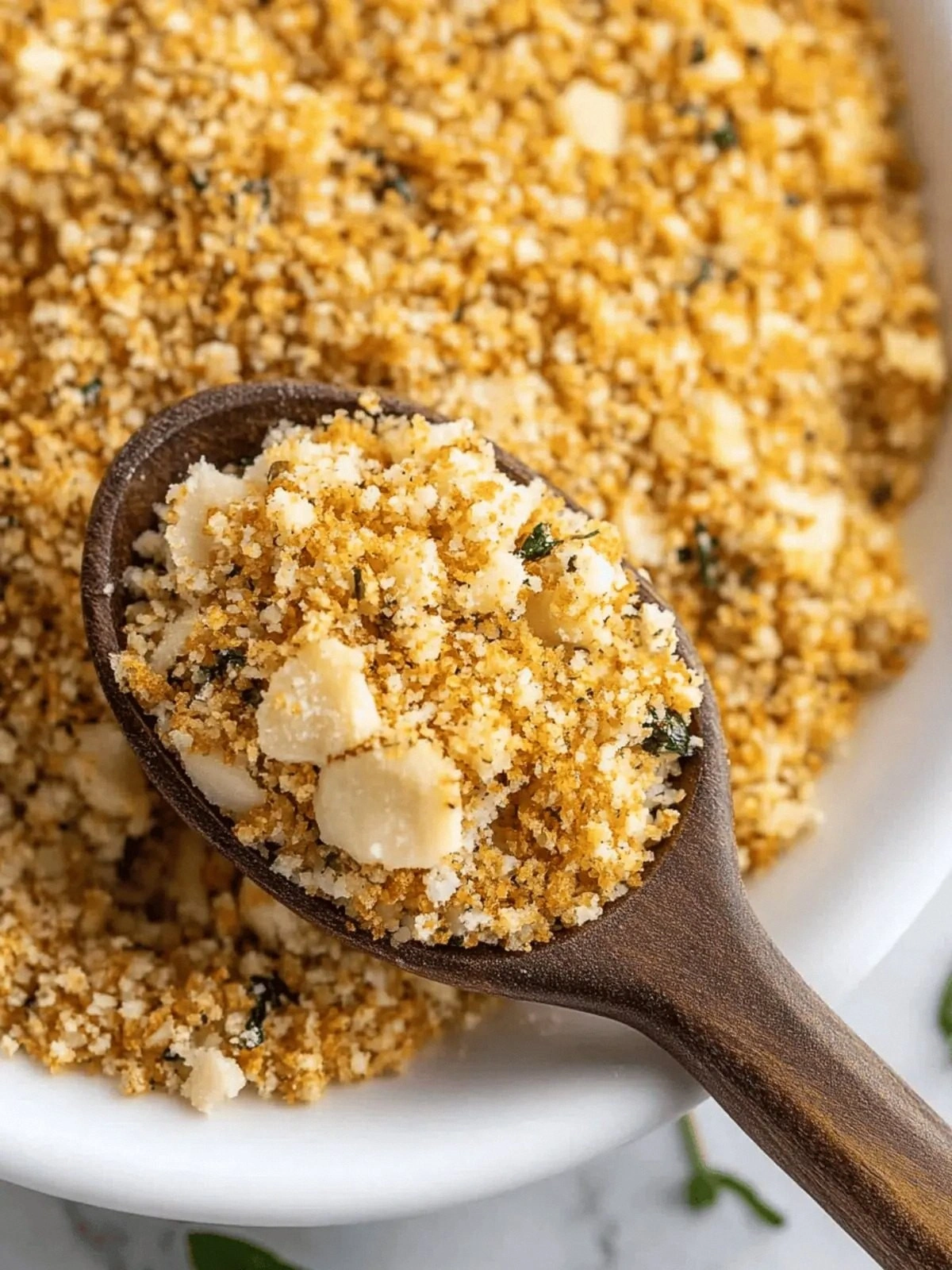
Picture a plate of golden nuggets that crackle like thin ice when you bite, releasing a burst of rosemary, parsley, and oregano that lingers long after the crunch fades. That’s what I call “Crispy Pangrattato.” It’s not just a side; it’s a conversation starter, a bridge between leftovers and plate‑ready perfection. The best part? You’re using ingredients you already have, so there’s no need for a frantic grocery run. The result is a crunchy, herb‑infused delight that pairs with soups, salads, or a simple drizzle of olive oil. I dare you to taste this and not go back for seconds.
What makes this version stand out? The answer is in the details: the texture, the flavor, and the sheer simplicity that lets each component shine. I’ve distilled the essence of a traditional Italian crouton into a single, crispy bite that carries an explosion of herbs. This isn’t a recipe you’ll find on a bland blog; it’s a bold claim that this is hands down the best version you’ll ever make at home. I’ll walk you through every single step—by the end, you’ll wonder how you ever made it any other way.
The moment the bread meets the oil, the transformation begins. The heat turns the stale into a crisp, golden shell while the herbs infuse every bite with aromatic depth. The garlic doesn’t just flavor; it adds a subtle umami that balances the brightness of parsley and rosemary. The result is a snack that feels indulgent yet is surprisingly healthy. Imagine a snack that’s both comforting and sophisticated—this is it.
If you’ve ever struggled with stale bread, you’re not alone—and I’ve got the fix. This recipe turns leftovers into a crunchy, herb‑laden treat that will have everyone asking for the recipe. I’ll share a technique that many overlook: using extra‑virgin olive oil to create a crisp, flavorful coating that holds the herbs in place. The final product is a crunchy, fragrant bite that’s perfect for any meal. Stay with me here—this is worth it.
What Makes This Version Stand Out
- Taste: The combination of garlic, rosemary, parsley, and oregano creates a layered flavor profile that feels both rustic and refined. The herbs are toasted just enough to release their oils, giving each bite a burst of aroma. The result is a snack that satisfies without overpowering.
- Texture: The crisp edges crackle like thin ice, while the interior stays pleasantly airy. The oil-to-bread ratio is just right to create a crunch that doesn’t turn soggy. This texture is the secret to why people keep coming back for more.
- Simplicity: Only seven ingredients, most of which you already have on hand. No fancy equipment or long prep times—just a skillet and a handful of herbs. The recipe is perfect for busy nights or last‑minute gatherings.
- Uniqueness: Instead of classic croutons, this version uses a pan‑fry method that deepens flavor and creates a distinct crunch. The herbs are folded into the bread before frying, ensuring every bite is fragrant.
- Crowd Reaction: Friends who tried this said it was “the best crouton I’ve ever had.” The crunchy texture and herbaceous flavor make it a crowd‑pleaser at parties and potlucks.
- Ingredient Quality: Using extra‑virgin olive oil and fresh herbs elevates the dish, turning ordinary bread into a gourmet treat. The quality of the oil and herbs directly impacts the final flavor.
- Cooking Method: Pan‑frying allows for even browning and a crisp finish, unlike baking which can leave the interior dry.
- Make‑Ahead Potential: Once fried, the pangrattato keeps its crunch for up to 48 hours when stored in an airtight container. This makes it an ideal snack for meal prep.
Alright, let's break down exactly what goes into this masterpiece. The next section will walk you through each ingredient and why it matters.
Inside the Ingredient List
The Flavor Base
Stale bread is the canvas of this recipe; its dry surface allows the oil and herbs to cling and crisp. Choosing a loaf with a slightly firm crust provides a sturdy base that doesn’t crumble under heat. If you’re using a very soft loaf, consider cutting it into thicker pieces to prevent sogginess.
The Texture Crew
Extra‑virgin olive oil is the key to a golden crust; it not only cooks the bread but also carries the herbs’ aromas. The oil’s high smoke point ensures a clean, non‑bitterness flavor. If you prefer a lighter touch, you can use half the amount, but the crunch will be less pronounced.
The Unexpected Star
Fresh rosemary adds a piney, resinous note that balances the garlic’s sharpness. It’s essential to chop it finely so it distributes evenly across the bread. If rosemary is out of season, dried rosemary can be used, but fresh is far superior in flavor.
The Final Flourish
Fresh parsley and dried oregano finish the flavor profile with brightness and depth. Parsley offers a subtle, slightly peppery taste that cuts through the richness of the oil, while oregano adds a warm, earthy undertone. A pinch of fine salt brings all the flavors together, ensuring each bite is savory and satisfying.
Everything's prepped? Good. Let's get into the real action.
The Method — Step by Step
- Start by cutting the stale bread into bite‑sized cubes, about 1 inch each. The cubes should be uniform so they cook evenly. If you’re using a loaf with a thick crust, consider removing the outer layer for a smoother texture.
- Set a large, heavy skillet over medium heat and pour in the olive oil. Let the oil heat until it shimmers but isn’t smoking. A good test is to drop a small piece of bread; it should sizzle immediately.
- Add the garlic, crushing it slightly with the back of a knife to release its oils. The garlic should brown lightly, giving a sweet, nutty aroma that permeates the oil. Be careful not to let it burn, or it will taste bitter.
- Add the bread cubes to the skillet in a single layer, ensuring they don’t overlap. Let them sear for 2–3 minutes on one side until golden brown. Flip them gently and continue cooking for another 2–3 minutes, until both sides are crisp.
- Sprinkle the chopped rosemary, parsley, oregano, and salt over the bread while it’s still hot. Toss the bread to coat evenly, making sure every piece gets a herb infusion. The heat will release the oils from the herbs, creating a fragrant coating.
- Continue cooking for an additional minute, allowing the herbs to toast slightly. The aroma should be intoxicating, and the bread should look glossy from the oil. This is the moment of truth—you can’t miss it.
- Remove the skillet from heat and let the pangrattato rest for a minute. This short rest allows the crust to set and the flavors to meld. While resting, the aroma will intensify, making the kitchen smell irresistible.
- Transfer the crispy pangrattato to a parchment‑lined tray to cool completely. This prevents condensation from forming and keeps the crunch intact. Once cooled, you can store them in an airtight container for up to 48 hours.
- Serve immediately as a snack, or use them as a crunchy topping for soups, salads, or pasta. The crunchy texture adds a delightful contrast to creamy or liquid dishes. Enjoy the burst of herbs and the satisfying snap with every bite.
That's it—you did it. But hold on, I've got a few more tricks that'll take this to another level. These insider tips will help you master the crunch, flavor, and versatility of crispy pangrattato.
Insider Tricks for Flawless Results
The Temperature Rule Nobody Follows
The oil’s temperature is the secret sauce. If it’s too hot, the bread will burn before crisping; too cool, and it will soak up oil and become soggy. Use a thermometer to keep the oil between 180–190°C (350–375°F). A quick test is to drop a single bread cube; if it sizzles immediately and browns in 30 seconds, you’re golden.
Why Your Nose Knows Best
Your sense of smell is a reliable indicator of doneness. When the bread starts to emit a nutty, toasted aroma, it’s almost ready. If the smell is sharp or metallic, the oil is too hot. Trust your nose to avoid burnt, bitter flavors.
The 5-Minute Rest That Changes Everything
After frying, let the pangrattato rest on a wire rack for 5 minutes. This allows steam to escape, preserving the crunch. A common mistake is to let them cool on a flat surface, which traps moisture and softens the edges.
Use a Skillet with a Thick Bottom
A heavy skillet distributes heat evenly, preventing hot spots that cause uneven browning. Cast iron or stainless steel works best. If you only have a non‑stick pan, consider adding a small amount of butter to improve heat conduction.
The Right Herbs Ratio
The balance of rosemary, parsley, and oregano is crucial. Too much rosemary can overpower the garlic, while too much oregano can make the dish taste medicinal. Stick to the ratios in the recipe, but feel free to adjust slightly for personal preference.
Storing for Longevity
Store the cooled pangrattato in an airtight container at room temperature. If you plan to keep them for more than a day, add a paper towel to absorb excess moisture. When ready to eat, reheat in a dry skillet for 1–2 minutes to restore crunch.
Creative Twists and Variations
This recipe is a playground. Here are some of my favorite ways to switch things up:
Cheesy Delight
Sprinkle grated Parmesan over the bread before frying. The cheese melts into the oil, creating a golden, savory coating. This variation pairs wonderfully with tomato‑based soups.
Spicy Kick
Add a pinch of red pepper flakes or a dash of hot sauce to the oil. The heat cuts through the richness, giving each bite a fiery edge. Perfect for those who love a little spice.
Mediterranean Twist
Replace parsley with fresh basil and add a splash of lemon zest. The citrus brightens the flavor profile, making it ideal for a light summer dish. Pair with a Greek salad for a complete meal.
Sweet & Salty Fusion
After frying, drizzle a tiny bit of honey over the pangrattato. The sweetness balances the herbs and creates a complex flavor. This version works well as a snack with a glass of cold beer.
Nutty Variation
Add a handful of toasted pine nuts or chopped walnuts during the final minute of frying. The nuts add crunch and a buttery flavor that complements the herbs. Great for a hearty breakfast or brunch.
Storing and Bringing It Back to Life
Fridge Storage
Cool the pangrattato completely, then place them in an airtight container. Store at room temperature for up to 48 hours. Avoid the refrigerator, as the moisture will soften the crunch.
Freezer Friendly
Freeze the cooled pangrattato in a single layer on a baking sheet for 1–2 hours, then transfer to a freezer bag. They keep well for up to 3 months. When ready to eat, let them thaw at room temperature for 30 minutes.
Best Reheating Method
Reheat in a hot skillet for 1–2 minutes, turning once, until the edges are crisp again. Add a splash of water to the pan before reheating to create steam; this helps revive the crunch. The pangrattato should feel golden and fragrant once done.