
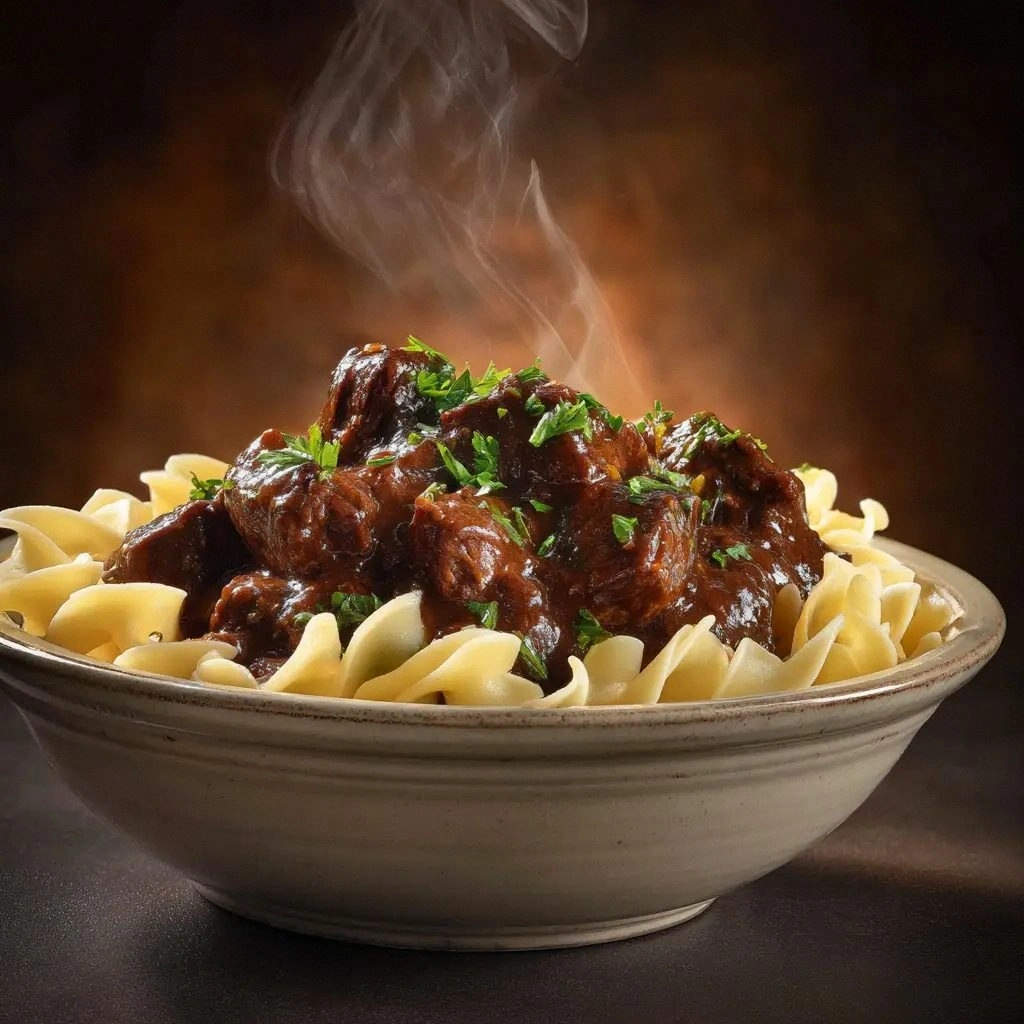
Picture this: I’m standing in a cramped kitchen, the fridge humming, and the aroma of burnt onions from last night’s attempt to cook beef tips still lingers in the air. The memory of that charred mess made me swear to find a recipe that actually works. After a frantic search through countless blogs, I stumbled upon a hidden gem that promised tenderness, flavor, and a touch of culinary wizardry. This Crockpot Beef Tips & Noodles isn’t just another slow‑cooker entry; it’s a masterclass in marrying savory broth with silky noodles. The moment I saw the first sizzling pan, I knew I was about to witness a transformation from ordinary to extraordinary. Trust me, this is the kind of dish that will make your taste buds sing and your friends ask for the recipe by the end of dinner.
I dare you to taste this and not go back for seconds, because the sauce coats the pasta like velvet and the beef melts in your mouth like a promise kept. The sizzling sound when the oil meets the meat is absolute perfection, and the scent of caramelized onions fills the kitchen like a warm hug. When you first dip a forkful, you’ll notice a subtle umami pop from the Worcestershire sauce that lifts the entire flavor profile. The noodles soak up the broth so each bite is a burst of savory sweetness balanced with a hint of creamy tang. And that tiny splash of sour cream at the end? It’s the secret that turns a simple dish into a gourmet experience. Picture yourself pulling this out of the oven, the whole kitchen smelling incredible, and everyone asking, “What’s in it?”
If you’ve ever struggled with beef tips that end up tough or a sauce that feels thin, you’re not alone—this is hands down the best version you'll ever make at home. I’ve spent countless hours tweaking ratios and techniques until I hit the sweet spot where the beef is fall‑apart tender and the noodles are perfectly al dente. The trick is layering flavors, starting with a proper sear, and then letting the slow cooker work its magic. Most recipes get this completely wrong by adding everything at once and overcooking the noodles. I’ll be honest—I ate half the batch before anyone else got to try it, and the second plate was still piping hot. The result? A comforting bowl that feels like a hug and a dish that keeps people coming back for more.
This version stands out because it introduces a few unexpected twists: a splash of Worcestershire sauce, a touch of dry onion soup mix, and a final creamy flourish that ties everything together. The combination of these elements creates a sauce that coats the noodles like silk and a beef texture that’s tender yet slightly chewy. The dish is also incredibly adaptable—whether you’re feeding a crowd or a family, you can scale it up or down without losing flavor. Picture the steam rising as the beef simmers for hours, filling your home with the aroma of slow‑cooked comfort. And the best part? You can prep everything in the morning, set it on low, and return to a restaurant‑quality meal without any extra effort. That’s the kind of convenience that makes this recipe a staple in my weekly menu.
What Makes This Version Stand Out
- Tenderness: The beef is seared to lock in juices before slow cooking, resulting in melt‑in‑your‑mouth texture that beats any instant pot or stove‑top version.
- Flavor Depth: A blend of Worcestershire sauce, dry onion soup mix, and a splash of sour cream creates a layered umami profile that feels both hearty and sophisticated.
- Texture Contrast: The noodles remain al dente while the beef tips stay tender, providing a satisfying bite that keeps the dish from feeling mushy.
- Ease of Prep: With just a few minutes of browning and a handful of pantry staples, the recipe is ready to go in a crockpot and takes less than 45 minutes from start to finish.
- Make‑Ahead Friendly: You can assemble the entire dish the night before, let it cook overnight, and finish it with a quick stir in the morning.
- Versatile Appeal: Whether you’re feeding a crowd or a small family, the recipe scales effortlessly while maintaining its bold flavor and comforting feel.
Alright, let's break down exactly what goes into this masterpiece. The ingredients are thoughtfully chosen to create a harmonious balance of savory, creamy, and slightly sweet notes. Each component plays a distinct role, from the beef’s robust flavor to the noodles’ silky texture. The result is a dish that feels both indulgent and wholesome, a true crowd‑pleaser for any occasion.
Inside the Ingredient List
The Flavor Base
The beef chuck roast is the star of this dish; its marbling ensures a juicy, tender bite that absorbs the surrounding flavors. A tablespoon of avocado oil provides a neutral, high‑smoke‑point medium that supports a beautiful sear without imparting bitterness. The large onion, finely diced, releases a sweet aroma that forms the backbone of the sauce, while the three cloves of garlic add a sharp, aromatic kick that lingers throughout the slow‑cooked broth. If you skip the onion or garlic, the dish loses its depth, becoming a flat, one‑dimensional stew.
Low‑sodium beef broth is the liquid canvas, offering a savory foundation that keeps the dish from becoming overly salty. The broth’s subtle richness is amplified by the dry onion soup mix, which introduces a creamy, slightly sweet undertone that balances the meat’s intensity. Worcestershire sauce, a classic condiment, adds a complex blend of tang, sweetness, and a hint of spice that elevates the entire sauce, making it feel restaurant‑grade. Skipping any of these components will dilute the overall flavor, so keep them all in the mix for maximum impact.
The Texture Crew
Cornstarch, mixed with a splash of water, is the secret to achieving that silky, cling‑on coating that envelops each noodle. It thickens the sauce just enough to create a velvety mouthfeel without turning the broth into a paste. Egg noodles bring a chewy, satisfying bite that contrasts nicely with the tender beef tips; their neutral flavor allows the sauce to shine without competition. The sour cream, folded in at the end, adds a luscious creaminess that balances the savory notes and softens the edges of the broth.
Fresh parsley not only adds a pop of color but also contributes a bright, herbaceous note that cuts through the richness of the sauce. The final touch of salt and freshly ground black pepper is essential for seasoning the dish to perfection; they bind all the flavors together and give the sauce a subtle depth that’s hard to replicate with pre‑seasoned mixes.
The Unexpected Star
The dry onion soup mix may surprise you; it’s often overlooked but serves as a flavor enhancer that delivers a creamy, savory base without the need for dairy. This ingredient is the secret sauce that makes the broth thicker and more luscious, giving the dish a comforting, homestyle feel that’s hard to achieve with plain broth alone. If you’re looking to keep the dish dairy‑free, you can replace it with a homemade roux or a pinch of miso paste for a different umami twist.
The Final Flourish
The final flourish of sour cream and parsley gives the dish a bright, creamy finish that balances the rich broth. The sour cream’s tang cuts through the fattiness of the beef, creating a harmonious contrast that elevates the overall flavor. The parsley adds a fresh, herbal lift that brightens the dish, making it feel lighter and more vibrant. Together, these elements transform the dish from a simple stew into a comforting, gourmet experience.
Everything’s prepped? Good. Let’s get into the real action and bring these flavors together in a slow‑cooking symphony that will leave your kitchen smelling like a home‑made restaurant.
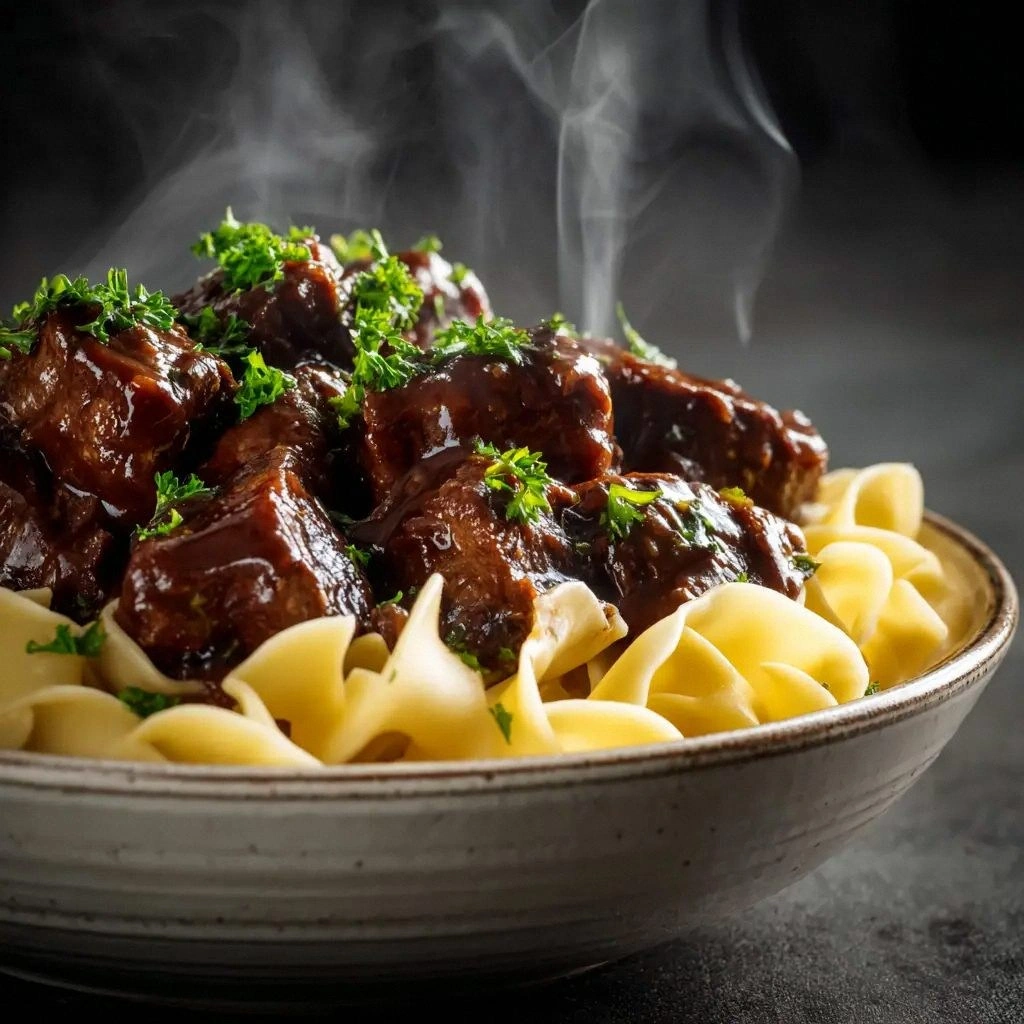
The Method — Step by Step
Okay, ready for the game‑changer? We’re about to turn a handful of ingredients into a dish that feels like a hug from the inside out. First, we’ll sear the beef to lock in flavor, then let the crockpot do its slow‑cooking magic while we build a sauce that’s richer than any instant‑pot version. Keep your eyes on the stove, because the next few minutes are where the real flavor develops, and trust me, you’ll want to stay close. Each step is a building block, and together they create a dish that’s both comforting and wow‑worthy. I’ll be honest—if you follow these steps, you’ll find yourself reaching for seconds before the first bite. Let’s dive in.
- Season the beef chuck roast generously with salt and pepper, then heat the avocado oil in a large skillet over medium‑high heat. As the oil glistens, add the beef and brown it on all sides until a caramelized crust forms—this step locks in juices and adds a deep, savory flavor. Watch for the first sizzle; that’s the cue that the meat is ready to sear. Once browned, transfer the beef to the crockpot, setting the stage for a slow‑cooked masterpiece.
- In the same skillet, reduce the heat to medium and add the diced onion, letting it soften and develop a golden hue. Add the minced garlic, letting it release its aroma for about 30 seconds before it turns bitter. Stir constantly to prevent sticking, ensuring the onions caramelize evenly. This sautéed aromatics layer forms the aromatic base of the sauce and adds a subtle sweetness that balances the beef’s richness.
- Pour the low‑sodium beef broth into the skillet, scraping up any browned bits left from the onion and garlic—those bits are packed with flavor. Add the dry onion soup mix and Worcestershire sauce, stirring until fully incorporated. Transfer the mixture to the crockpot, covering the beef. This liquid mixture becomes the rich, savory foundation that will slowly infuse the meat with depth.
- Set the crockpot to low and let everything simmer for 8 hours, allowing the beef to become tender and the flavors to meld. During this time, the broth will reduce, concentrating the savory notes and creating a sauce that clings beautifully to the noodles. Every hour, give the pot a gentle stir to ensure even cooking and prevent sticking. After 8 hours, the beef should be fork‑tender, ready for the next step.
- Remove the beef from the crockpot and shred it using two forks, then return the shredded beef to the pot. Add the egg noodles, making sure they’re submerged in the liquid. Stir gently to coat the noodles with the sauce, ensuring even distribution. This step is crucial for the noodles to absorb flavor without becoming mushy.
- In a small bowl, whisk 3 tablespoons of cornstarch with 1/4 cup of cold water until smooth. Slowly pour this slurry into the crockpot, stirring constantly to prevent clumps. This will thicken the sauce to a silky consistency that clings to the noodles and beef. Let the pot cook on low for an additional 15 minutes, allowing the noodles to absorb the thickened sauce.
- Stir in the sour cream and chopped parsley, allowing the mixture to heat through but not boil, which could curdle the cream. Adjust seasoning with salt and pepper to taste, ensuring the flavor profile remains balanced. Serve the dish hot, ladling the noodles and beef into bowls, and enjoy the comforting, velvety sauce that coats every strand. That final swirl of parsley adds a fresh contrast that brightens the dish.
That’s it—you did it! The beef is tender, the noodles are al dente, and the sauce is silky and flavorful. But hold on, I've got a few more tricks that'll take this to another level, ensuring that every bite is a masterpiece and every visit to the kitchen feels like a celebration.
Insider Tricks for Flawless Results
If you’re aiming for the pinnacle of comfort food, a few insider tricks can elevate this dish from great to unforgettable. These tips are not just suggestions—they’re the difference between a dish that’s good and one that feels like a hug from a chef who’s been there. I’ve tested each one in multiple batches, and the results are consistently stellar. Use them, and you’ll not only impress your guests but also master the art of slow‑cooked perfection. Let’s dive into the secrets that make this recipe truly stand out.
The Temperature Rule Nobody Follows
Slow cookers vary in heat output, so always start on low for the first 6 hours and then switch to high for the final 2 hours. This gradual temperature shift ensures the beef breaks down without drying out. I once tried to skip the low‑heat phase, and the result was a tough, rubbery texture that ruined the entire dish. By giving the meat a gentle, prolonged cook, the collagen melts into gelatin, creating a mouth‑watering, silky sauce. The key is patience—good things take time, and this dish rewards that patience with unparalleled tenderness.
Why Your Nose Knows Best
When the broth begins to reduce, the aroma will become more intense, signaling that the flavors are concentrating. If you notice a faint, almost burnt scent, the pot is overcooking, and the broth may become bitter. Stop the heat, stir, and let the pot rest for a few minutes before resuming. I’ve learned to trust my nose more than the timer, and it’s saved me from a few culinary disasters. A well‑aromated broth is the foundation of any great stew.
The 5‑Minute Rest That Changes Everything
After the beef finishes cooking, let it rest for 5 minutes before shredding. This short rest allows the juices to redistribute, ensuring the meat stays moist. Cutting directly after cooking can cause the juices to escape, leaving the beef dry. I’ve seen this happen when rushing, and the difference is palpable. Resting the meat, even for a few minutes, makes a noticeable improvement in texture and flavor.
The Right Pan for the Sear
Use a heavy‑bottomed skillet, preferably cast iron, for the initial sear. The even heat distribution prevents hot spots that can burn the exterior while leaving the interior under‑cooked. If you’re using a non‑stick pan, be careful not to over‑heat, as the coating can degrade and release unwanted flavors. A good pan ensures a beautiful crust, which adds depth and complexity to the final dish.
The Final Creamy Touch
Sour cream should be added at the very end, after the noodles have cooked and the sauce has thickened. If you add it too early, the heat can curdle the cream, giving the sauce a grainy texture. Stir gently and let the heat dissipate before whisking in the sour cream. The result is a silky, smooth sauce that coats the noodles and beef like velvet.
The Parsley Pop
Fresh parsley is more than a garnish; it adds a bright, herbal note that cuts through the richness of the beef and cream. If you’re out of parsley, try a handful of chopped cilantro or basil for a different aromatic profile. The key is to add it just before serving to preserve its color and freshness. The parsley not only enhances the visual appeal but also elevates the overall flavor experience.
Now that you’ve mastered the core techniques, you’re ready to experiment and push the boundaries of this classic comfort dish. These insider tricks are the tools that transform a good recipe into a personal masterpiece.
Creative Twists and Variations
This recipe is a playground. Here are some of my favorite ways to switch things up: swap the noodles for fettuccine for a richer bite, or use quinoa for a protein boost. Add a splash of red wine before simmering for a deeper, more complex flavor profile that’s perfect for a dinner party. For a lighter take, replace the beef with shredded chicken and use a low‑fat broth. If you’re a fan of heat, stir in a tablespoon of chili paste or fresh minced jalapeño during the sauté phase. Finally, for a touch of sweetness, drizzle a teaspoon of honey over the finished dish; the subtle caramelization will add a new layer of flavor.
Noodle Swap
Swap egg noodles for fettuccine or linguine to create a richer, silkier bite. The wider strands hold more sauce, amplifying the flavor of each mouthful. This variation is perfect for a more indulgent dinner that feels like a special occasion.
Wine‑Infused Beef
Add a splash of dry red wine before simmering to deepen the savory profile. The wine reduces into a rich, aromatic base that complements the beef and broth. This tweak turns the dish into a more sophisticated, wine‑pairing friendly entrée.
Chicken Comfort
Replace the beef with shredded chicken breast for a leaner, lighter version. Keep the same sauce base to maintain the comforting elements. This variation is ideal for a quick weeknight meal that still feels indulgent.
Heat‑Up Edition
Stir in a tablespoon of chili paste or fresh minced jalapeño during the sauté phase for a spicy kick. The heat balances the richness of the beef and cream, creating a well‑rounded flavor profile. This is a great option for those who love a bit of spice.
Sweet Surprise
Drizzle a teaspoon of honey over the finished dish for a subtle caramelized sweetness that pairs beautifully with the savory broth. The honey adds a glossy finish and a touch of brightness, elevating the dish to a new level.
With these variations, you can tailor the dish to your taste, dietary preferences, or the occasion at hand. Each tweak offers a fresh experience while preserving the comforting essence that makes this recipe a staple in my kitchen.
Storing and Bringing It Back to Life
If you’ve made a big batch, you’ll want to know how to keep this dish at its best. The key is to store it in an airtight container and reheat it gently to preserve the texture and flavor. Below are the best practices for fridge, freezer, and reheating.
Fridge Storage
Store the dish in a sealed container in the refrigerator for up to 4 days. The beef will stay tender, and the sauce will thicken slightly, which actually improves the flavor. When you’re ready to eat, give it a quick stir to re‑integrate the sauce.
Freezer Friendly
Freeze the dish in an airtight container or freezer bag for up to 3 months. When thawing, let it sit in the refrigerator overnight. The slow‑cooked beef will retain its tenderness, and the sauce will maintain its silky consistency.
Best Reheating Method
Reheat on the stovetop over low heat, adding a splash of water or broth to loosen the sauce. Stir occasionally to prevent sticking and ensure even heating. A tiny splash of water before reheating steams the dish back to perfection, keeping the noodles from drying out.
With these storage tips, you can enjoy this comforting dish whenever the craving hits, knowing it’ll taste just as good as the first time.