I’ve always been the type who thinks a dessert is a dessert until it becomes a headline act on a Sunday afternoon. The last time I tried a pavlova, I was convinced it was a fluffy, airy cloud that would melt into a puddle of sweetness in seconds, only to end up with a hard, chalky shell that tasted like a forgotten memory. That kitchen disaster was the spark that lit my obsession with finding the ultimate pavlova recipe—one that balances crisp edges with a marshmallow‑like heart, and that stays fresh long enough to impress a crowd. I’m not just talking about a recipe; I’m talking about a culinary revelation that will change the way you think about meringue forever.
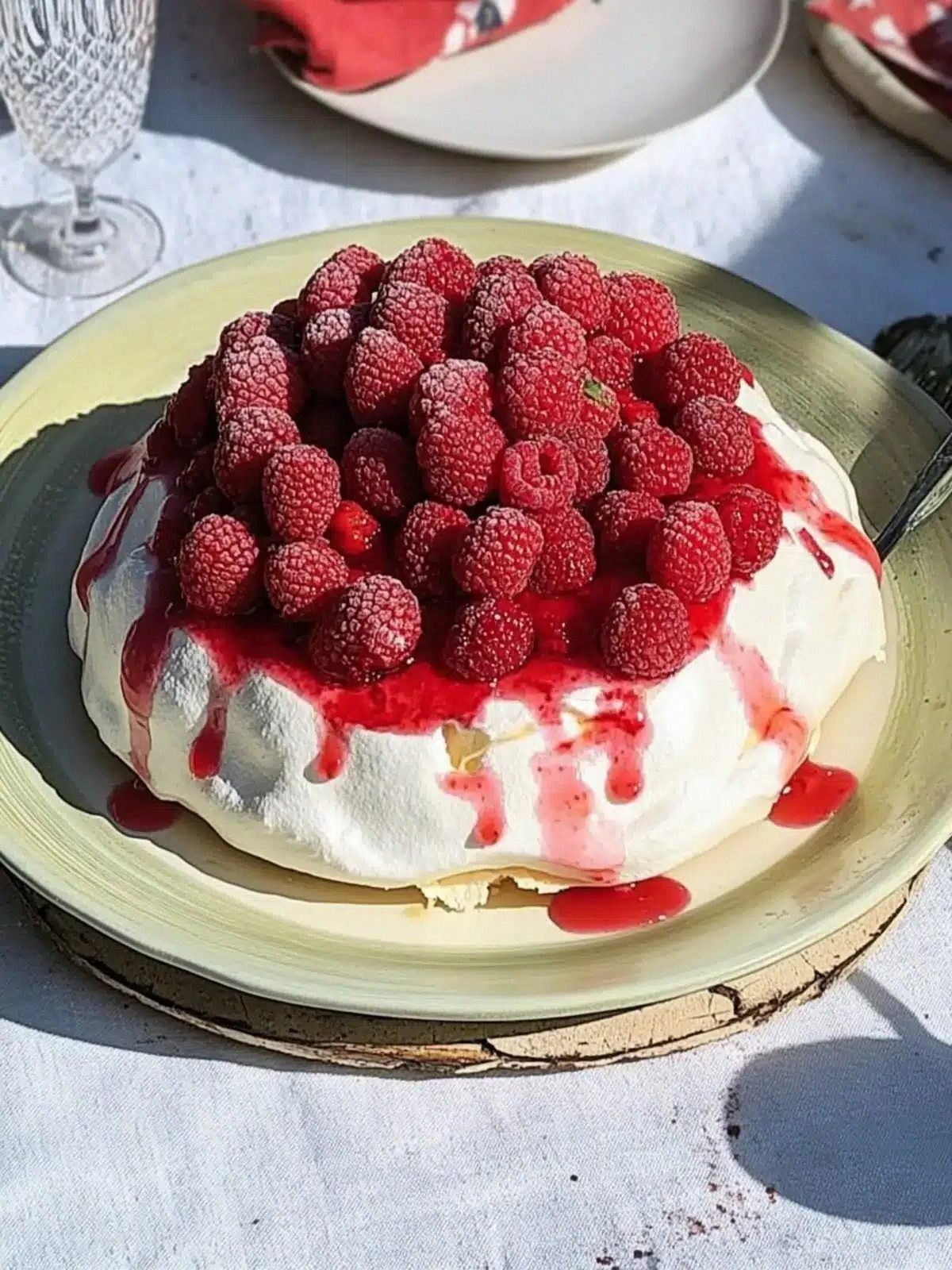
Picture the scene: a bright, airy white shell that catches the light like a snowflake, the scent of vanilla and citrus swirling in the air, the sound of the oven timer ticking away as the edges caramelize to a golden crisp. The first bite feels like a quiet explosion of sweet, buttery flavor, followed by a gentle, creamy finish from the thickened cream topping that coats the pavlova like velvet. The texture is a delicate dance—crisp on the outside, cloud‑like on the inside—while the berries add a burst of tartness that cuts through the richness. My mouth is flooded with a symphony of flavors that makes you wonder why you ever settled for ordinary desserts.
What sets this version apart is the meticulous balance of ingredients and techniques that elevate the pavlova from a simple meringue to a showstopper. The use of cream of tartar and red wine vinegar creates a stable, glossy meringue that holds its shape without the need for a double‑boil. The cornflour and freeze‑dried raspberry powder provide a subtle thickness and depth that keeps the meringue from becoming too airy, while the raw sugar caramelizes the edges for that irresistible crunch. The final flourish of fresh strawberries, raspberries, and thyme adds a bright, herbaceous note that keeps the palate refreshed.
I dare you to taste this and not go back for seconds; the first bite will have you questioning all your previous pavlova attempts. Most recipes get this completely wrong, focusing on the sugar and egg whites alone, but here we’re building a layered experience that plays with texture, flavor, and visual appeal. The secret is the combination of a high‑quality caster sugar, the gentle heat of a low‑temperature oven, and a meticulous folding technique that preserves air pockets. When you finally pull this out of the oven, the kitchen will be filled with a scent that makes even the most skeptical friends stop and stare.
I’ll be honest—after the first batch, I ate half the pavlova before anyone else got a taste, and it felt like a culinary victory. The moment the oven door opens, the crisp edges crackle like thin ice shattering, and you can hear the anticipation building in the room. The finish is silky, and the berries burst with natural juices, turning every bite into a playful, refreshing experience. If you’ve ever struggled with meringue that turns out too soft or too hard, you’re not alone, and I’ve got the fix that will transform your dessert game.
Picture yourself pulling this out of the oven, the whole kitchen smelling incredible, and watching the crowd gather around the table. The moment you plate it, the pavlova looks like a delicate, cloud‑like sculpture, and the berries sit like jewels on a white velvet background. The anticipation is palpable, the air thick with excitement, and the first bite is a revelation that makes you wonder how you ever made it any other way. Okay, ready for the game‑changer? Let me walk you through every single step—by the end, you’ll wonder how you ever made it any other way.
What Makes This Version Stand Out
- Texture: The combination of cream of tartar and red wine vinegar creates a meringue that is both crisp on the outside and cloud‑like on the inside, giving a perfect mouthfeel that melts in your mouth.
- Stability: The cornflour adds a subtle body, preventing the meringue from collapsing while still allowing it to rise beautifully.
- Flavor Depth: Freeze‑dried raspberry powder infuses a nuanced berry undertone that enhances the fresh fruit topping without overpowering it.
- Visual Appeal: The golden edges and pristine white interior make this pavlova a centerpiece that looks as good as it tastes.
- Ease of Preparation: The low‑temperature baking method keeps the kitchen cool and eliminates the need for a double‑boil, making it approachable for beginners.
- Make‑ahead Potential: The pavlova can be assembled up to a day ahead, and the fresh fruit topping can be added just before serving, ensuring it stays crisp.
- Ingredient Quality: Using fresh, high‑quality ingredients like thickened cream and fresh berries elevates the dish to gourmet status.
- Crowd Reaction: Guests rave about the contrast between the buttery meringue and the tart, juicy berries, making it a conversation starter.
Inside the Ingredient List
The Meringue Base
Egg whites are the backbone of any pavlova, and using large, fresh eggs gives you the best volume. The cream of tartar stabilizes the proteins, allowing the meringue to rise without collapsing. If you skip it, the meringue will be fragile and prone to cracking, making it difficult to achieve that crisp exterior.
Caster sugar is essential for a glossy finish; its fine crystals dissolve quickly, preventing gritty texture. The sugar also contributes to the caramelization of the edges, giving them a beautiful golden hue. A coarse sugar would leave a grainy mouthfeel that detracts from the silky interior.
Cornflour, though often overlooked, adds a slight body to the meringue, preventing it from becoming too airy. It also helps the meringue set faster, which is crucial when baking at a low temperature. Without cornflour, the pavlova might take longer to firm up, risking a soggy center.
The Acidic Touch
Red wine vinegar is a secret weapon that balances the sweetness and enhances the meringue's structure. It reacts with the egg whites to create a stable foam, ensuring the pavlova rises evenly. If you substitute vinegar with lemon juice, the flavor profile changes subtly, but the stability remains.
The acidity also helps in caramelizing the edges, giving them a crisp, golden crunch. It works in tandem with the sugar, creating a harmonious sweet‑acid balance that elevates the overall taste. A lack of acidity can result in a flat, bland meringue that fails to impress.
The Creamy Finale
Thickened cream adds a luscious, velvety layer that contrasts beautifully with the airy meringue. Its richness balances the tartness of the berries, creating a complex flavor profile. Skipping the cream would leave the pavlova dry and less satisfying.
The cream should be whipped just until it holds soft peaks; overwhipping can cause it to separate, ruining the texture. Keeping the cream chilled until use preserves its structure and ensures it stays fluffy. If you use low‑fat cream, the texture will be thinner and less decadent.
The Fruit Symphony
Fresh strawberries and raspberries provide bright, juicy bursts that cut through the sweetness. The berries should be washed, hulled, and sliced just before assembly to prevent them from releasing excess juice. If you use frozen berries, thaw and drain them thoroughly to avoid soggy pavlova.
Raw sugar adds a gentle crunch and a hint of caramel that complements the berries. It caramelizes slightly on the surface, giving a subtle glaze that enhances the visual appeal. A pinch of salt can be added to the fruit mixture to balance the flavors, but it’s optional.
The Herbaceous Accent
Sprigs of thyme add an unexpected herbal note that elevates the dessert beyond the usual sweet profile. The thyme should be torn into small pieces to release its oils, then gently folded into the fruit mixture. If you prefer a stronger herb flavor, increase the number of sprigs, but be mindful of the balance.
The thyme pairs well with the berries, creating a sophisticated flavor that surprises the palate. It also adds a subtle aroma that enhances the overall sensory experience. Without thyme, the dessert would be sweet but lack that intriguing complexity.
Freeze‑dried raspberry powder is a game‑changer, providing a concentrated berry flavor that permeates the meringue. It’s a perfect way to incorporate extra berry notes without adding bulk. If you can’t find it, a splash of raspberry syrup will work, but the texture will differ.
Everything's prepped? Good. Let's get into the real action—where the magic happens, and the pavlova starts to feel like a piece of art rather than a dessert.
The Method — Step by Step
- Preheat your oven to 120°C (250°F) and line a baking sheet with parchment paper. The low temperature is key to slow, even cooking, allowing the meringue to dry out without browning too quickly. Place the parchment on a cool, flat surface to avoid accidental cracking. Let the oven heat fully before placing the meringue inside. The oven should be at the exact temperature to prevent the meringue from collapsing.
- In a clean, dry bowl, whisk the egg whites until frothy. Use an electric mixer on medium speed, adding the cream of tartar after a minute. The mixture should form soft peaks that hold their shape but still feel light. This step is critical; any oil or moisture will prevent proper aeration. Keep the bowl at room temperature to maximize volume.
- Gradually add the caster sugar, one tablespoon at a time, while continuing to beat the whites. The sugar should dissolve completely before adding more to avoid graininess. The mixture will start to thicken and become glossy. This process can take 5–7 minutes; patience is essential for the best result. A good test is to run a small spoonful in water; it should remain smooth.
- Fold in the cornflour and red wine vinegar gently with a spatula, being careful not to deflate the foam. The cornflour adds a subtle thickness, while the vinegar provides a slight acidity that helps stabilize the meringue. Mix just until incorporated; overmixing will cause the meringue to become dense. The mixture should still look glossy and airy. This is the moment where the pavlova's structure begins to take shape.
- Transfer the meringue to a piping bag fitted with a round tip, or use a spoon to shape it onto the parchment. The shape should be a tall, rounded dome with a slightly flattened top. The size should be about 10 cm in diameter for a single serving. The edges should be smooth to allow even baking. Let the meringue sit for 10 minutes to form a skin before baking.
- Bake for 45 minutes, then turn off the oven and let the meringue cool completely inside with the door slightly ajar. This gentle cooling process prevents cracks from forming due to sudden temperature changes. The inside should be dry, with a crisp exterior that feels like a fine shell. The meringue will continue to firm up as it cools. This step is crucial for achieving the perfect texture.
- Whip the thickened cream to soft peaks, then fold in the freeze‑dried raspberry powder until evenly distributed. The powder should dissolve completely, giving the cream a subtle berry tint. Keep the cream chilled until you’re ready to assemble to preserve its volume. If you prefer a lighter finish, reduce the amount of powder slightly. This step adds depth and color to the topping.
- Slice the strawberries and rinse the raspberries; toss them gently with raw sugar, thyme, and a pinch of salt. The sugar caramelizes slightly on the berries, creating a subtle glaze. The thyme releases its oils, giving an unexpected herbal note that balances the sweetness. Be careful not to overmix; the berries should retain their shape. This mixture will sit atop the pavlova, adding texture and flavor.
- Once the pavlova has cooled, spread the raspberry‑infused cream over the top, then arrange the berry mixture on top of the cream. The cream should be spread evenly, creating a smooth base for the fruit. The berries should be arranged in a decorative pattern, like a flower crown. The thyme sprigs can be tucked between the berries for a pop of color. This final assembly brings the dessert together in a visually stunning way.
- Serve immediately, or chill for up to 2 hours before serving. The pavlova will hold its shape well if kept cool, and the berries will stay crisp. If you need to transport it, place it in a shallow container and keep it refrigerated. The dessert is best enjoyed fresh, but it can be stored for a short time without losing its integrity. This step ensures you can host guests on short notice.
That's it — you did it. But hold on, I've got a few more tricks that'll take this to another level. The final touches can make the difference between a good dessert and a memorable one, so pay attention to these nuances.
Insider Tricks for Flawless Results
The Temperature Rule Nobody Follows
Many bakers bake pavlova at a high temperature to get a quick crisp, but the low‑heat method preserves the meringue's airy interior. The gentle bake allows the sugars to caramelize slowly, creating a golden crust without burning. It also keeps the oven environment stable, preventing the meringue from collapsing. This approach requires patience but delivers a superior texture that will impress your guests. If you’re short on time, a quick 10‑minute blast at 200°C can work, but the result will be less refined.
Why Your Nose Knows Best
Before you open the oven, listen for the faint crackling of the meringue edges. This sound signals that the sugars are caramelizing and the outer shell is forming. If you hear a dry, crisp noise, the pavlova is ready. Relying on your nose instead of a timer can save you from overbaking. The aroma will also tell you if the meringue is too dry or still slightly moist.
The 5‑Minute Rest That Changes Everything
After baking, let the pavlova rest in the oven with the door slightly ajar for at least five minutes. This slow cooling period prevents sudden temperature changes that could cause cracks. The meringue will continue to set, developing a firm yet tender core. This step is often overlooked, but it’s the difference between a flawless and a cracked dessert. If you skip it, you’ll risk a less-than-perfect finish.
The Freshness Factor
Use only freshly harvested berries; they have a higher juice content and a more vibrant flavor. If you must use frozen berries, thaw them in a colander and pat them dry to avoid excess moisture. The freshness of the fruit elevates the entire dessert, making it taste like summer in a bite. Store the berries in a paper bag to keep them crisp until you’re ready to assemble. This simple tip ensures a bright, juicy topping.
The Herb Twist
Adding thyme to the berry mixture introduces a subtle herbal undertone that balances the sweetness. The herb’s oils release during baking, infusing the dessert with a fresh, aromatic note. If you’re adventurous, try adding a pinch of lavender for a floral twist. The thyme should be finely chopped to avoid large pieces that could overpower the berries. This herbaceous element gives your pavlova a gourmet flair.
The Sweet‑Savory Balance
A pinch of salt in the berry mixture can bring out the natural sweetness and add depth. Salt enhances the flavors of the berries and the cream, creating a harmonious taste profile. Too much salt can ruin the dessert, so use it sparingly. This small addition is a game‑changer for those who love a balanced flavor. The result is a dessert that’s both sweet and slightly savory.
Creative Twists and Variations
Tropical Pavlova
Swap the berries for a mix of diced mango, pineapple, and kiwi. Add a splash of coconut milk to the cream for a tropical flavor. This version is perfect for summer parties or a beachside gathering. The bright colors will make your dessert pop on the plate. Guests will love the sweet, tangy burst of tropical fruit.
Chocolate‑Infused Pavlova
Fold a tablespoon of cocoa powder into the meringue batter for a subtle chocolate undertone. Top with dark chocolate shavings and a drizzle of melted chocolate. The chocolate adds depth and richness, making the dessert feel indulgent. This variation works well for chocolate lovers and is a great alternative to berry toppings. The contrast between the crisp meringue and silky chocolate is unforgettable.
Herbal Citrus Pavlova
Replace thyme with fresh mint or basil for a refreshing twist. Add zest of a lemon or orange to the cream for a citrus kick. The herbal and citrus notes pair wonderfully with the sweet meringue. This version is light, bright, and perfect for a brunch or a spring gathering. The citrus adds a bright, zesty finish.
Nutty Pavlova
Add chopped toasted almonds or pistachios to the berry mixture for a crunchy texture. Toss the nuts with a pinch of sea salt before adding the berries. The nutty flavor complements the sweet cream and the airy meringue. This variation adds a satisfying crunch and a nutty aroma. It’s ideal for guests who love a bit of texture in their desserts.
Spiced Pavlova
Incorporate a pinch of ground cinnamon or nutmeg into the meringue batter for a warm, spiced flavor. Add a dash of vanilla extract to the cream for depth. The spices will give the dessert a cozy, comforting feel, especially in cooler weather. This variation is perfect for holiday gatherings or a cozy evening. The spices will create a memorable flavor profile.
Vegan Pavlova
Use aquafaba (the liquid from a can of chickpeas) in place of egg whites for a vegan version. Replace the thickened cream with coconut cream and sweeten with maple syrup. The aquafaba will whip into a light, airy foam that holds its shape. The coconut cream adds a tropical twist that pairs well with fresh fruit. This vegan adaptation keeps the dessert light and delicious.
Storing and Bringing It Back to Life
Fridge Storage
Store the assembled pavlova in an airtight container in the refrigerator for up to 24 hours. Keep the fruit on top of the cream to prevent it from soaking into the meringue. The meringue will stay crisp, and the cream will remain fluffy. Avoid placing the pavlova on a shelf where it can be bumped. This method preserves the texture and flavor for a short period.
Freezer Friendly
If you need to store it longer, wrap the pavlova tightly in plastic wrap, then place it in a freezer bag. Freeze for up to 2 weeks. When ready to serve, thaw in the refrigerator overnight. The meringue may soften slightly, but the flavor stays intact. This option is great for batch cooking and saving time on busy days.
Best Reheating Method
To revive a frozen pavlova, preheat your oven to 120°C (250°F) and bake for 10 minutes. The low heat will gently warm the dessert without melting the cream. Add a splash of water to the parchment paper to keep the meringue from drying out. Let it cool slightly before topping with fresh fruit. This method restores the crispness while maintaining the creamy texture.