Picture this: I’m standing in my cramped kitchen, a pot of quinoa on the stove, and the clock ticking toward dinner. The previous night’s attempt at a quinoa pilaf had turned into a smoky, under‑seasoned mess that left me staring at the stovetop with a burnt smell lingering in the air. I swore I’d never cook quinoa again, but then a friend dared me to try a new method that promised fluffy grains and a burst of flavor. That dare was the spark that lit my culinary curiosity, and today I’m here to share the exact recipe that saved my taste buds and my reputation in the kitchen.
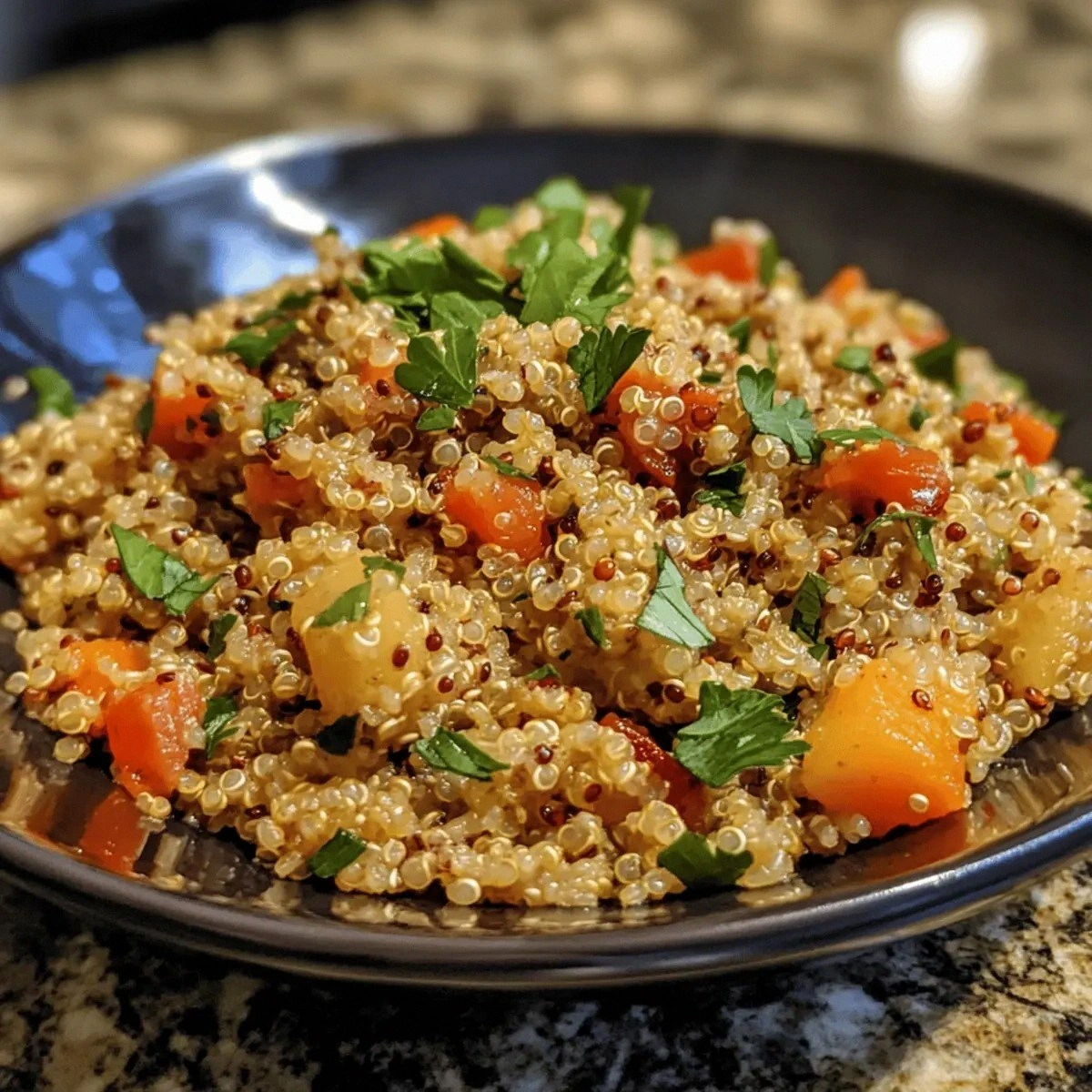
When I first tasted this Instant Pot version, the aroma hit me like a warm hug—sautéed onion, garlic, and cumin released a fragrant perfume that made the whole house smell like a Mediterranean market. The sound of the sautéing vegetables was a satisfying hiss, and the texture of the quinoa, after a gentle, controlled pressure cook, was light and airy, almost like a cloud that still holds its shape. The first bite was a symphony of crunch from fresh peas, a gentle sweetness from the bell pepper, and a bright, zesty finish from lemon juice. Every component sang together, creating a harmony that felt both comforting and adventurous. If you’ve ever been disappointed by bland quinoa, this is hands down the best version you’ll ever make at home.
I’ll be honest—after I finished the first batch, I ate half the pot before anyone else could even touch a spoon. That’s not a brag; it’s a confession that tells you how addictive this dish is. I’ve spent the last week trying to replicate the same texture and flavor profile, and each time I’ve come back to the same set of steps, which is why I’m so confident in the process I’ll outline. The key difference? The Instant Pot’s ability to lock in moisture and flavor without the need for constant stirring or watchful eye.
Most recipes get this completely wrong. They either over‑cook the quinoa, leaving it mushy, or under‑season it, resulting in a bland, unremarkable side dish. The secret here is a simple two‑step sauté followed by a quick pressure cook, plus a finishing stir that unlocks the full flavor potential of the veggies and grains. I dare you to taste this and not go back for seconds—trust me, the first bite will have you craving more.
Picture yourself pulling this out of the Instant Pot, the kitchen filled with the aroma of cumin and lemon, the quinoa looking perfectly fluffy and the veggies crisp yet tender. That moment of triumph is worth every minute of prep. Okay, ready for the game‑changer? Let me walk you through every single step — by the end, you’ll wonder how you ever made it any other way.
What Makes This Version Stand Out
- Flavor: The sautéed onion, garlic, and cumin create a savory base that elevates the quinoa from plain to unforgettable.
- Texture: The Instant Pot’s sealed environment locks in moisture, ensuring each grain remains fluffy and separate.
- Convenience: No constant stirring, no need to monitor a pot—just set it and forget it.
- Nutrition: Packed with protein from quinoa, vitamins from veggies, and healthy fats from olive oil.
- Versatility: Works as a side dish, a protein‑rich base for grilled meats, or a hearty vegetarian main.
- Time‑saving: Total prep and cook time is under 45 minutes, making it perfect for busy weeknights.
- Make‑ahead potential: The pilaf keeps well in the fridge and tastes great reheated.
- Flavor depth: Lemon juice adds brightness that cuts through the earthiness of quinoa and the sweetness of veggies.
Alright, let's break down exactly what goes into this masterpiece…
Inside the Ingredient List
The Flavor Base
At the heart of this pilaf is a simple yet powerful trio: onion, garlic, and cumin. The onion, when sautéed until translucent, releases a caramelized sweetness that forms the flavor foundation. Garlic adds a pungent depth that lingers, while cumin brings warm, earthy tones that hint at a Moroccan spice blend. If you’re a cumin skeptic, try a pinch of smoked paprika instead—your palate will thank you.
Using fresh, not canned, onions is key; the natural sugars in fresh produce enhance the sauté’s aroma. When you chop the onion, aim for uniform cubes so they cook evenly. Skipping this step will leave the pilaf feeling flat, as if it never left the pantry. A quick tip: add a splash of water or broth during sautéing to prevent sticking and create a subtle steam that softens the onions further.
The Texture Crew
Quinoa is the star grain, but its texture depends on how you treat it. Rinse quinoa in a fine mesh sieve for 30 seconds; this removes the bitter saponin coating and ensures each grain stays fluffy. Measure precisely—1 cup of quinoa is about 170 grams—and pair it with 2 cups of vegetable broth for a 1:2 ratio that keeps the grains moist without becoming soggy.
Olive oil isn’t just a cooking medium; it coats the quinoa and veggies, helping them toast slightly and preventing them from sticking. A tablespoon of olive oil is enough to give the dish a silky sheen without overpowering the other flavors. If you’re on a low‑fat diet, swap olive oil for a neutral oil like grapeseed; the result will be lighter but still flavorful.
The Unexpected Star
Peas and bell pepper bring color, crunch, and a burst of freshness that contrasts the warm cumin. Peas are naturally sweet, while the bell pepper offers a crisp bite and a subtle earthiness. If you’re in a pinch, frozen peas work just as well—just add them during the last minute of pressure cooking so they stay bright green.
Carrots add a subtle sweetness and a hint of earthiness that balances the dish. Dice them into small, uniform pieces so they cook evenly with the rest of the veggies. If you’re feeling adventurous, throw in a handful of roasted pumpkin seeds for a nutty crunch that turns the pilaf into a snackable bowl.
The Final Flourish
Fresh parsley or cilantro, chopped, is the final touch that lifts the entire dish with a herbaceous brightness. The lemon juice, added at the end, cuts through the richness and gives the pilaf a lively finish. A squeeze of lemon is enough; too much will overpower the delicate quinoa flavor. If you’re allergic to citrus or prefer a different flavor profile, a splash of apple cider vinegar can provide a similar tang.
Everything’s prepped? Good. Let's get into the real action…
The Method — Step by Step
- Set your Instant Pot to the “Sauté” mode. Add the tablespoon of olive oil and let it heat until shimmering. This is the moment of truth—watch for the oil to ripple, signaling readiness.
- Add the diced onion to the pot. Sauté for 3-4 minutes until translucent, stirring occasionally. The onions should emit a sweet aroma and feel soft to the touch. Kitchen Hack: For an extra pop of flavor, sprinkle a pinch of smoked paprika with the onions.
- Add the minced garlic and cumin. Cook for 30 seconds until the garlic is fragrant, being careful not to burn it. The cumin should toast slightly, releasing its nutty aroma.
- Add the rinsed quinoa, stirring to coat each grain with the fragrant mixture. Let it toast for 1-2 minutes, hearing the subtle crackling sound of the grains warming up.
- Pour in the vegetable broth. Stir to combine, ensuring no quinoa clumps remain. Close the Instant Pot lid, set the valve to “Sealing,” and select “Manual” or “Pressure Cook” on high for 5 minutes. Kitchen Hack: If you like a slightly firmer texture, reduce the pressure cook time to 4 minutes.
- When the cooking time ends, let the pressure release naturally for 10 minutes. This gentle release prevents the quinoa from becoming mushy.
- After 10 minutes, carefully quick‑release any remaining pressure by turning the valve to “Venting.” Watch Out: The steam will be hot—use a pot holder to avoid burns.
- Open the lid and fluff the quinoa with a fork. Add the diced carrot, bell pepper, and peas. Stir gently to combine, ensuring the vegetables are evenly distributed.
- Close the lid again and set the Instant Pot to “Sauté” for an additional 2 minutes, just enough to warm the veggies and meld the flavors. The mixture should emit a fresh, bright aroma.
- Finally, stir in the chopped parsley or cilantro and a generous squeeze of lemon juice. Taste and season with salt and pepper to your liking. Serve hot, and enjoy the symphony of textures and flavors.
That’s it — you did it. But hold on, I've got a few more tricks that'll take this to another level…
Insider Tricks for Flawless Results
The Temperature Rule Nobody Follows
Many cooks assume that the Instant Pot will automatically set the right temperature for quinoa. In reality, the pressure cooker’s heat can vary based on altitude and the amount of liquid. I always double‑check that the broth is at least 2 cups; if it’s less, the quinoa may end up too dry. A quick trick: add a tablespoon of butter or a splash of olive oil to the broth before cooking—it raises the overall temperature slightly, ensuring a more consistent texture.
Why Your Nose Knows Best
When the quinoa starts to steam, you’ll notice a faint nutty scent. That’s the cue that the grains are absorbing liquid properly. If you don’t smell anything, it’s probably not cooking long enough or the pressure isn’t building correctly. Trust your nose—if it’s not fragrant, give it a few more minutes.
The 5‑Minute Rest That Changes Everything
After the pressure release, let the pilaf sit covered for 5 minutes. This rest period allows the grains to settle, preventing them from sticking together. It also lets the flavors fully integrate, giving you a more cohesive taste. A friend once skipped this step and the pilaf felt dry—lesson learned.
Quick Stir, Big Flavor
Stirring the quinoa after pressure cooking might sound like a no‑no, but a gentle fold with a fork actually helps release excess steam and keeps the grains separate. Don’t over‑mix; you’re looking for a fluffy, airy texture, not a mushy bowl.
Pea Power
Frozen peas are a great shortcut, but if you want that fresh snap, use fresh peas. They should be added during the last minute of the sauté phase so they finish cooking just enough to stay bright green and slightly crisp.
Creative Twists and Variations
This recipe is a playground. Here are some of my favorite ways to switch things up:
Mexican Fiesta Pilaf
Swap cumin for a teaspoon of chipotle powder and add a handful of corn kernels. Finish with chopped fresh cilantro, a drizzle of lime juice, and a sprinkle of cotija cheese. Perfect for a taco night.
Italian Herb Pilaf
Replace cumin with a blend of dried oregano, basil, and thyme. Add sun‑dried tomatoes and finish with grated Parmesan. This version pairs beautifully with grilled chicken or a hearty mushroom ragù.
Indian Twist
Use garam masala instead of cumin, add a pinch of turmeric, and stir in roasted chickpeas. Finish with a dollop of plain yogurt and a sprinkle of fresh mint. This creates a fragrant, comforting bowl reminiscent of a street‑food stall.
Thai Coconut Pilaf
Replace the vegetable broth with coconut milk and add a splash of fish sauce. Toss in sliced red bell pepper, a handful of Thai basil, and a squeeze of lime. This version is aromatic and slightly sweet, great with a side of grilled shrimp.
Vegan Protein Boost
Add a scoop of plant‑based protein powder or a handful of cooked lentils to the quinoa. This elevates the dish into a complete protein meal, ideal for post‑workout refueling.
Breakfast Pilaf
Cook the quinoa with almond milk instead of broth, and add diced apples, raisins, and a pinch of cinnamon. Serve with a drizzle of maple syrup and a splash of vanilla extract for a sweet, hearty breakfast.
Storing and Bringing It Back to Life
Fridge Storage
Cool the pilaf to room temperature, then transfer to an airtight container. Store in the refrigerator for up to 4 days. The quinoa will maintain its texture and flavor when kept cold.
Freezer Friendly
Divide the cooled pilaf into single‑serve portions and place in freezer bags. Freeze for up to 2 months. This makes it easy to grab a quick, healthy meal on a busy day.
Best Reheating Method
To reheat, sprinkle a tablespoon of water or broth over the pilaf, cover, and microwave on high for 2 minutes. Stir and add a splash of water if needed to restore moisture. The result is a fluffy, steaming bowl that tastes almost as fresh as when it was first made.