It started with a kitchen disaster that turned into a culinary revelation. I was fumbling over a pot of over‑seasoned chicken when my friend dared me to create something that could rescue the night. That dare became a mission to craft a teriyaki stir‑fry that would outshine any restaurant version. I set my sights on a sauce that glazes the meat like a velvet ribbon, and vegetables that pop with freshness. I couldn't shake the memory of that over‑cooked chicken, the charred edges, the bitter aftertaste that lingered on my palate.
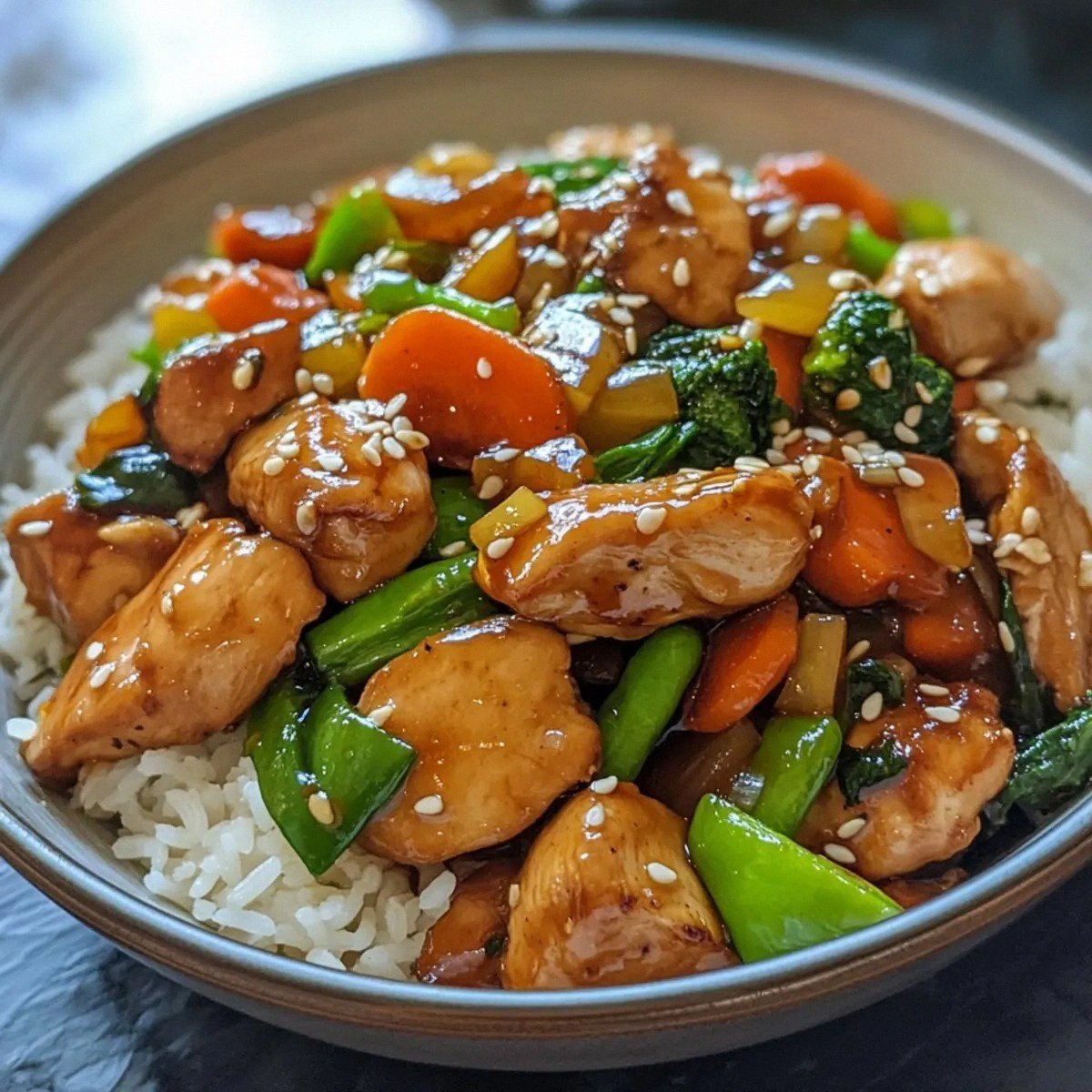
The kitchen smelled like a battlefield: garlic, ginger, and soy sauce mingled with the faint sweetness of honey, while the sizzling sound of the pan crackled like a campfire. I could almost taste the caramelized edges of the chicken, feel the heat radiating from the skillet, and see the glossy sheen of the sauce coating every bite. The sight of bright bell peppers and crisp snow peas added a visual pop that made the dish look as good as it tasted. The sound of vegetables snapping as they hit the hot oil was music to my ears, a promise of crunch. The aroma that rose from the pot was a heady mix of umami and subtle sweetness, pulling me closer to the stove.
What makes this version stand out is that it turns a simple stir‑fry into a showstopper. The sauce is thick, glossy, and clingy, like a velvet blanket that never lets go. The chicken stays juicy and tender, not dry or rubbery, thanks to a quick sear that locks in moisture. The vegetables retain their bright colors and snap‑like crunch, creating a contrast that keeps every bite exciting. The balance of sweet, salty, and a hint of heat is precise, avoiding the over‑sweetness that plagues many teriyaki dishes. The final dish feels restaurant‑grade, yet it can be whipped up in under forty minutes.
I discovered a secret technique that most recipes skip: a quick cornstarch slurry that thickens the sauce without making it gummy. This trick gives the sauce a silky texture that coats the meat and vegetables like a second skin. The result is a dish that looks glossy, tastes rich, and feels satisfying in every bite. I also found that using fresh ginger instead of powdered gives a bright, sharp kick that cuts through the sweetness. That small tweak changes everything, turning an ordinary stir‑fry into something memorable.
Now, if you're ready to take your dinner game to the next level, let me walk you through every single step. By the end, you'll wonder how you ever made it any other way. I dare you to taste this and not go back for seconds. This is hands down the best version you'll ever make at home.
What Makes This Version Stand Out
- Flavor: The sauce balances sweet, salty, and umami with a subtle heat that lingers without overpowering. Each ingredient is chosen to contribute a distinct layer, from the honey’s caramel notes to the fresh ginger’s bright bite.
- Texture: The chicken remains juicy and tender, while the vegetables keep their crunch. The cornstarch slurry gives the sauce a silky coating that clings to every bite.
- Speed: Every step is designed for efficiency. You’ll finish in under forty minutes, making this a perfect weeknight meal.
- Versatility: The base can be adapted for tofu, shrimp, or beef. Swap in any protein you love, and the sauce remains delicious.
- Crowd‑Pleaser: Friends and family rave about the glossy sauce and the harmony of flavors. It’s a dish that invites compliments and second servings.
- Ingredient Quality: Using fresh, high‑quality ingredients elevates the dish. Fresh ginger, real honey, and fresh vegetables make all the difference.
- Make‑Ahead Potential: The dish can be prepped ahead of time. Just reheat and it’s ready to serve.
- Presentation: The bright colors and glossy glaze make for a photo‑ready plate that looks as good as it tastes.
Alright, let's break down exactly what goes into this masterpiece...
Inside the Ingredient List
The Flavor Base
Soy sauce is the backbone of teriyaki, offering a salty umami foundation that balances the sweetness of honey. It’s best to choose a low‑sodium version if you prefer to control the salt level. If you’re vegan, a tamari or coconut aminos alternative works beautifully.
Honey or brown sugar brings a natural sweetness that caramelizes when heated, creating a glossy sheen. The choice between honey and brown sugar depends on your preference: honey adds floral notes, while brown sugar offers deeper molasses undertones. If you’re looking to reduce calories, a splash of maple syrup can substitute, but be prepared for a slightly different flavor profile.
Fresh ginger injects a bright, peppery kick that cuts through the sweetness and adds depth. It also has anti‑inflammatory properties, making your meal a little healthier. If you can’t find fresh ginger, a tablespoon of grated ginger powder works, though the aroma will be less vibrant.
Garlic is the aromatics that tie everything together, providing a savory backbone. Minced garlic releases its essential oils, infusing the dish with a comforting aroma. Too much garlic can become overpowering, so keep the amount moderate.
The Texture Crew
Cornstarch is the secret agent that thickens the sauce without turning it into a paste. Mixing it with a little cold water before adding it to the pan creates a smooth slurry that coats the ingredients evenly. If you prefer a thicker sauce, add an extra tablespoon of cornstarch; if you like it runnier, reduce the amount.
Sesame seeds add a nutty crunch and a subtle buttery flavor that complements the sweet sauce. Toast them lightly before adding to enhance their aroma. A pinch of chili flakes introduces a gentle heat that balances the sweetness, giving the dish a complex flavor profile.
The Unexpected Star
Snow peas or snap peas bring a crisp texture and a mild sweetness that contrasts beautifully with the savory sauce. Their bright green color adds visual appeal and a hint of freshness. If you can’t find fresh peas, frozen peas work, but be sure to thaw and drain them well.
Carrots add a subtle sweetness and a satisfying crunch. Julienne them to ensure they cook evenly and absorb the sauce. For a color burst, use orange carrots; for a more subdued look, use white or yellow carrots.
The Final Flourish
Scallions provide a fresh, oniony bite that brightens the dish. Use the green parts for a subtle flavor, and reserve the white for a sharper bite. They also add a pop of color that makes the dish look vibrant.
If you’re looking to elevate the dish, consider adding a splash of rice vinegar or a squeeze of fresh lime at the end. This adds acidity that balances the sweetness and brightens the overall flavor.
Everything's prepped? Good. Let's get into the real action...
The Method — Step by Step
- Begin by heating a tablespoon of vegetable oil in a large skillet or wok over medium‑high heat. The oil should shimmer but not smoke. Add the sliced chicken thighs, spreading them out so they sear on all sides. This sear locks in moisture and creates a golden crust that forms the base for the sauce. I always watch the color change; when the edges start to brown, it’s time to flip.
- Once the chicken is browned on all sides, push it to the side of the pan and add a splash more oil if needed. Add minced garlic and ginger, stirring constantly to prevent burning. The aroma will rise like incense, signaling that the aromatics are ready. Let them sauté for 30 seconds, just until fragrant, then move on.
- In a small bowl, whisk together soy sauce, honey, and a pinch of salt. This mixture will become the sauce. Pour it over the chicken, ensuring each piece is coated. The sauce will start to bubble and thicken slightly. Let it simmer for 2 minutes, allowing the flavors to meld.
- Now add the vegetables: bell peppers, snow peas, and carrots. Toss them with the chicken and sauce, ensuring they’re all coated. Cook for another 3‑4 minutes, or until the vegetables are crisp‑tender. The bell peppers should still have a bite, not be mushy.
- While the veggies are cooking, mix the cornstarch with a tablespoon of cold water to create a slurry. This step is crucial for that glossy finish. Add the slurry to the pan, stirring vigorously to avoid lumps. The sauce will thicken instantly, coating the chicken and veggies like a silk blanket.
- Add sesame seeds and chili flakes, stirring to distribute evenly. The sesame seeds pop with a nutty aroma, while the chili flakes give a subtle heat that balances the sweetness. Taste the sauce; if you want a bit more salt, add a dash of soy sauce. If you prefer more sweetness, a splash of honey does the trick.
- Finally, sprinkle sliced scallions over the top. They add a fresh, oniony crunch and a pop of color. Give the dish a final stir, ensuring everything is well coated. This is the moment of truth; the dish should smell like a summer garden and taste like a comforting hug.
- Serve immediately over steamed rice or quinoa. The sauce will cling to the grains, creating a cohesive bite. If you like a little extra heat, top with a few extra chili flakes. The dish is ready to be devoured.
That's it — you did it. But hold on, I've got a few more tricks that'll take this to another level...
Insider Tricks for Flawless Results
The Temperature Rule Nobody Follows
Most people cook the chicken at a single heat level, but the secret is to start high for a quick sear, then lower the heat to let the sauce simmer. This method ensures the chicken remains juicy while the sauce reduces to the right consistency. I always keep a thermometer handy; a quick glance tells me when the chicken is done. If you’re not a fan of thermometers, look for the moment the sauce thickens and the chicken’s surface is no longer raw.
Why Your Nose Knows Best
The aroma is your best judge of doneness. When the garlic and ginger start to brown, the smell changes from sharp to nutty. This indicates the aromatics are fully infused. If you’re uncertain, give the sauce a quick stir and watch the bubbles; they should be steady, not frantic.
The 5‑Minute Rest That Changes Everything
After cooking, let the dish rest for five minutes before serving. This allows the sauce to thicken slightly and the flavors to settle. During this rest, the chicken will finish cooking from residual heat, ensuring it stays moist. I always cover the pan loosely with foil to keep the heat trapped.
Use Fresh, Not Frozen, Vegetables
Fresh veggies retain their crunch and bright colors, making the dish more visually appealing. Frozen vegetables, while convenient, can become mushy when cooked too long. If you must use frozen, thaw and pat them dry before adding to the pan.
Don’t Skimp on the Sesame Seeds
Sesame seeds add a subtle nutty flavor and a pleasing crunch. I recommend toasting them lightly in a dry pan before adding to the dish. This brings out their aroma and adds a golden hue that enhances the overall presentation.
Keep the Pan Warm
After you add the cornstarch slurry, keep the pan on medium heat. If the heat drops too low, the sauce will not thicken properly. If it’s too hot, the sauce may scorch. I keep the heat steady and stir constantly to avoid clumps.
Creative Twists and Variations
This recipe is a playground. Here are some of my favorite ways to switch things up:
Spicy Pineapple Teriyaki
Add a cup of fresh pineapple chunks for a tropical twist. The pineapple’s natural acidity cuts through the sweetness, and the juice adds a subtle tang. Pair it with a dash of sriracha for an extra kick. This version is perfect for summer evenings.
Miso‑Glazed Teriyaki
Replace half of the soy sauce with miso paste for a deeper umami flavor. Miso adds a savory depth that complements the honey. Stir the miso into the sauce until fully dissolved. The result is a richer, more complex glaze.
Garlic‑Infused Rice
Cook the rice with minced garlic and a splash of soy sauce. This infuses the grains with flavor, making the dish more cohesive. The garlic in the rice echoes the aromatics in the sauce, creating a harmonious taste experience.
Coconut Milk Creamy Teriyaki
For a silky, creamy texture, stir in a quarter cup of coconut milk after adding the cornstarch slurry. The coconut adds a subtle sweetness and a velvety mouthfeel. This variation is ideal for those who love a richer sauce.
Vegetarian Teriyaki
Swap the chicken for tofu or tempeh. Press the tofu to remove excess moisture before searing. The tofu will absorb the sauce beautifully, creating a plant‑based version that’s equally satisfying.
Asian Noodle Bowl
Serve the dish over rice noodles instead of rice. The noodles soak up the sauce, creating a noodle bowl that’s both comforting and refreshing. Top with extra scallions and a drizzle of sesame oil for an extra layer of flavor.
Storing and Bringing It Back to Life
Fridge Storage
Store leftovers in an airtight container in the refrigerator for up to 3 days. The sauce may thicken slightly, but this only adds to the flavor. When reheating, add a splash of water or broth to loosen the sauce and restore its silky texture.
Freezer Friendly
The dish freezes well for up to 2 months. Portion into individual servings and wrap tightly with foil or freezer bags. Thaw overnight in the refrigerator before reheating. A quick sauté in a pan will revive the crispness of the vegetables.
Best Reheating Method
Reheat the dish in a skillet over medium heat, stirring frequently. Add a tablespoon of water or broth to loosen the sauce. Heat until steaming and the sauce coats the ingredients. Serve hot for the best texture and flavor.