
Picture this: it’s a rainy Saturday, the kind that makes you want to stay in your pajamas, and I’m staring at a bag of frozen beef and a half‑sized grocery list that feels like a cryptic crossword. I open the fridge, the light flickers, and I realize I’ve got a handful of broccoli, carrots, and a stubborn block of sirloin that looks like it’s been through a war. I was about to toss it into a pot of bland, over‑cooked soup when a friend texted me, “I’m craving something that’s sweet, savory, and makes me feel like a chef.” That text was the spark that ignited this recipe, and trust me, it’s the best version you’ll ever make at home.
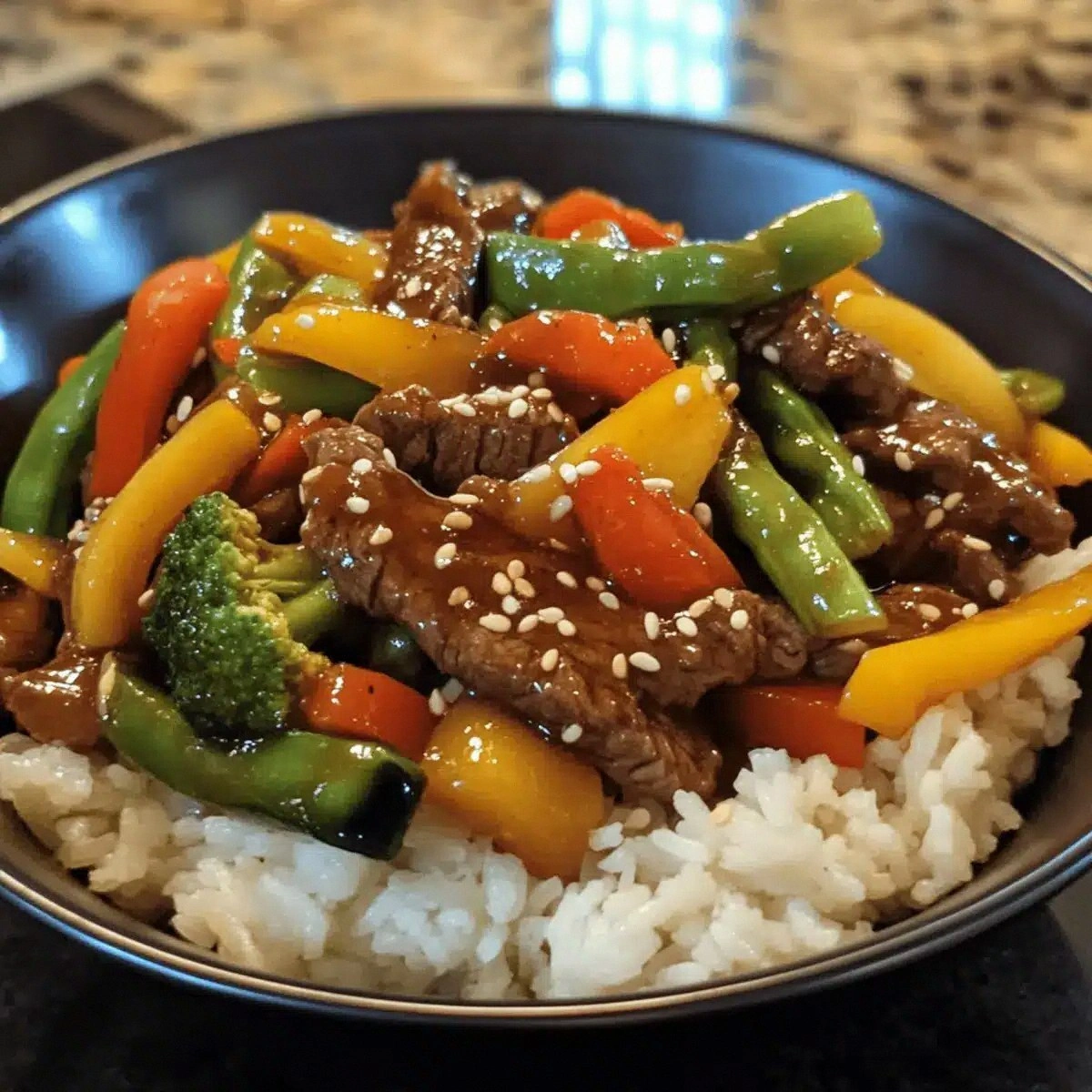
When I first cracked the beef into the pan, the sizzling sound was like applause from a tiny kitchen orchestra. The aroma of caramelizing onions mingled with the sharp, clean scent of fresh ginger, creating a perfume that made my taste buds do a happy dance. The colors—crimson sirloin, emerald broccoli, orange carrots—were a visual feast, and the texture of the veggies, crisp yet tender, was a promise of something extraordinary. I could hear the faint hum of the stove, the clatter of utensils, and my own heart beating faster in anticipation. If you’ve ever felt that electric buzz before a meal, you know the feeling—this dish delivers it in a bowl.
What makes this teriyaki beef and veg stand out isn’t just the flavors; it’s the way each element works in perfect harmony. The sauce, a silky blend of soy, brown sugar, and ginger, coats the meat like velvet, sealing in juices so every bite is a burst of umami. The vegetables stay bright and crunchy, refusing to become mushy in the glaze. The technique of searing the beef first, then adding the sauce, ensures a caramelized crust that adds depth. The result is a dish that feels like a restaurant favorite but is ridiculously simple to whip up in your own kitchen.
I dare you to taste this and not go back for seconds. That’s not a challenge; it’s a promise. The sauce doesn’t just flavor; it transforms the entire dish, turning ordinary ingredients into a symphony of sweet, salty, and slightly spicy notes. And the best part? You can make it in under 45 minutes, so there’s no excuse for a slow, tedious dinner.
Okay, ready for the game‑changer? Let me walk you through every single step—by the end, you’ll wonder how you ever made it any other way.
What Makes This Version Stand Out
- Flavor: The sauce is a balanced duet of sweet brown sugar and salty soy, with a whisper of ginger that lifts the palate. It coats every bite, turning the dish into a melt‑in‑your‑mouth experience.
- Texture: The beef gets a caramelized crust while the veggies stay crisp and bright. That contrast is what makes each forkful exciting.
- Speed: From prep to plate, it takes less than an hour. No slow‑cooking, no wait, just pure, efficient flavor.
- Simplicity: With fewer than ten ingredients and a single pan, it’s perfect for busy nights or lazy weekends.
- Versatility: Swap the beef for chicken or tofu, and the recipe still shines. It’s a flexible framework, not a rigid formula.
- Make‑ahead: The flavors actually improve after a day, so you can prep ahead and reheat for a quick dinner.
- Nutrition: Balanced macros—protein, carbs, and healthy fats—make it a well-rounded meal that satisfies without compromising.
- Presentation: The glossy sauce, sprinkled sesame seeds, and fresh cilantro give it a restaurant‑level look that feels like a treat.
Alright, let’s break down exactly what goes into this masterpiece…
Inside the Ingredient List
The Flavor Base
The foundation of this dish is a simple yet powerful sauce that marries the sweetness of brown sugar with the umami depth of soy sauce. Adding a splash of water or beef broth dilutes the saltiness just enough to make the glaze glossy and not overpowering. Fresh ginger, grated or minced, introduces a subtle heat that cuts through the richness, while minced garlic adds a punch of aromatic complexity. Together, these elements create a sauce that is both comforting and exciting.
Why you shouldn’t skip the ginger—without it, the sauce feels flat and lacks that signature zing. If you’re allergic to soy or want a low‑sodium option, try tamari or coconut aminos; they’ll keep the flavor profile intact while reducing sodium content. A small pinch of red pepper flakes can bring a gentle heat, making the dish feel more adventurous without overwhelming the palate.
Buying tip: Look for a soy sauce that’s labeled “light” or “low sodium” if you’re watching your salt intake. The lighter color indicates less sodium and a cleaner flavor that won’t drown the other ingredients. If you’re using a store brand, check the label for hidden sugars that could alter the balance.
Fun Fact: The sweet component of teriyaki sauce—traditionally honey or mirin—has been used in Japan for centuries to preserve fish. Its natural sugars help create that glossy finish while adding depth.
The Texture Crew
The vegetables form the backbone of the dish, providing crunch, color, and nutrition. Broccoli florets are the classic choice, offering a mild bitterness that balances the sweet sauce. Bell peppers—any color—add a sweet, slightly smoky flavor and a pop of color that makes the dish look as good as it tastes. Carrots bring earthiness and a subtle sweetness, while snow peas add a delicate snap that keeps the dish from feeling too dense.
Green onions are the finishing touch, lending a fresh, oniony brightness that cuts through the richness. Their stems are edible too, and they add a slight crunch when you bite into them. Sesame seeds provide a nutty undertone and a textural contrast that elevates the overall experience. Fresh cilantro, chopped, brings a citrusy lift that keeps the dish from becoming too heavy.
Swapping tip: If you’re out of snow peas, snap peas or even sliced zucchini work well. For a vegan version, simply replace the beef with firm tofu or tempeh; the tofu will soak up the sauce beautifully.
What happens if you skip the carrots? The dish loses a layer of sweetness and a subtle earthy note, making it feel a bit one‑dimensional. The sauce will still be delicious, but the overall balance is slightly off.
The Unexpected Star
The cornstarch slurry is the unsung hero that gives the sauce its glossy, thickened texture. When it’s added to the pan, the cornstarch reacts with the heat, thickening the sauce in seconds and turning it into a silky coating that clings to the beef and veggies. This step is critical; without it, the sauce would be thin and watery, and the dish would lack that coveted shine.
Why you need a small amount of water or broth: It helps create a smooth emulsion and ensures the cornstarch doesn’t clump. A dash of rice vinegar can also be added for a subtle tang, balancing the sweetness of the brown sugar.
Swapping tip: If you’re gluten‑free, use arrowroot or tapioca flour instead of cornstarch. The result is the same glossy consistency, just with a different base.
The Final Flourish
The finishing touches—sesame seeds, cilantro, and a final splash of soy—turn a good dish into a great one. The sesame seeds add a nutty crunch that’s both visual and textural. Cilantro’s bright, citrusy notes lift the heaviness of the sauce and add freshness that lingers on the palate. A final drizzle of soy sauce at the end of cooking deepens the flavor and adds a glossy sheen.
What happens if you skip the cilantro? The dish will feel a bit flat and less vibrant; the fresh herb adds a layer of brightness that’s essential for a balanced flavor profile. The sesame seeds, while optional, provide a satisfying crunch that makes each bite interesting.
Everything’s prepped? Good. Let’s get into the real action…
The Method — Step by Step
- Prep the Beef: Slice the sirloin into thin, bite‑sized strips, cutting against the grain. This small step ensures the meat stays tender and cooks quickly. Season lightly with salt and pepper. The moment the beef hits the hot pan, it should sizzle like a drumbeat, signaling readiness.
- Heat the Pan: Preheat a large skillet or wok over high heat until it shimmers. Add a splash of oil with a high smoke point—like canola or peanut oil—to coat the surface. Watch for a faint vapor; that’s the cue to add the meat.
- Sear the Beef: Toss the beef strips into the pan in a single layer. Let them sear undisturbed for 30–45 seconds before flipping. This creates a caramelized crust that locks in juices. Don’t overcrowd; if necessary, cook in batches to maintain high heat.
- Remove and Rest: Once seared, transfer the beef to a plate and set aside. Resting prevents the meat from becoming rubbery and allows the juices to redistribute. The pan should still be hot—perfect for the next step.
- Sauté the Aromatics: In the same pan, add a teaspoon of oil if needed. Toss in minced garlic and ginger, letting them cook until fragrant—about 30 seconds. The aroma should be sharp and inviting, a prelude to the sauce.
- Add the Vegetables: Toss in broccoli, bell peppers, carrots, and snow peas. Stir‑fry for 2–3 minutes until they’re bright and just tender. The edges should start to crisp, creating a pleasant snap that contrasts the soft sauce.
- Introduce the Sauce: Pour the soy, brown sugar, and water/broth mixture over the veggies. Stir well to coat. The sauce should bubble slightly, hinting at the thickening that’s about to happen.
- Thicken with Cornstarch: Whisk the cornstarch into a small amount of cold water to make a slurry. Add it to the pan, stirring vigorously. The sauce will thicken within 1–2 minutes, turning glossy and clingy.
- Re‑add the Beef: Return the seared beef to the pan, mixing it with the vegetables and sauce. Cook for an additional minute, allowing the beef to absorb the glaze and heat through.
- Finish with Seeds and Herbs: Sprinkle sesame seeds, chopped green onions, and cilantro over the dish. Toss gently to distribute. The final drizzle of soy adds depth and sheen. The dish should smell like a summer garden in a pan.
- Serve: Plate the stir‑fry over steamed rice or quinoa. Garnish with extra cilantro if desired. The dish should feel warm, fragrant, and inviting.
That’s it—you did it. But hold on, I've got a few more tricks that'll take this to another level…
Insider Tricks for Flawless Results
The Temperature Rule Nobody Follows
Many cooks think a low heat is safer for stir‑fry, but high heat is the secret to a quick, flavorful sear. A hot pan caramelizes the sugars in the sauce, creating a glossy finish that’s impossible to replicate on low heat. I’ve seen dishes go from bland to brilliant simply by upping the temperature. If your stove can’t get hot enough, use a heavy‑bottomed skillet to retain heat.
Why Your Nose Knows Best
Before you even touch the sauce, give it a sniff. A faint, sweet aroma indicates that the brown sugar is caramelizing. If the scent is overly sharp, the sauce might be too salty or the soy sauce too strong. Trusting your nose can save you from a culinary misstep.
The 5‑Minute Rest That Changes Everything
After cooking, let the dish rest for a few minutes. This allows the flavors to meld and the sauce to thicken slightly. I’ve had friends complain that the sauce was too thin, but a quick rest and a splash of water can bring it back to the perfect consistency.
Keep the Veggies Crisp
Stir‑frying at a high heat for a short time keeps veggies crunchy. If you’re using frozen veggies, thaw them first to avoid excess moisture. A quick blast of heat preserves color and texture.
Make‑Ahead Magic
This dish is actually better the next day. The flavors deepen, and the sauce thickens further. To store, place the stir‑fry in an airtight container and refrigerate up to 3 days. When reheating, add a splash of water or broth to re‑hydrate the sauce.
Creative Twists and Variations
This recipe is a playground. Here are some of my favorite ways to switch things up:
Teriyaki Tofu Surprise
Swap the beef for firm tofu, marinated in the same sauce for 30 minutes. The tofu soaks up the glaze, delivering a protein‑rich, vegan version that’s equally satisfying.
Spicy Szechuan Kick
Add a teaspoon of Szechuan peppercorns or a pinch of chili flakes to the aromatics. The heat adds depth and a numbing sensation that pairs wonderfully with the sweet sauce.
Sweet Pineapple Twist
Throw in a handful of pineapple chunks during the last minute of cooking. The fruit’s natural sugars caramelize, creating a tropical layer of flavor.
Cauliflower Rice Base
Serve the stir‑fry over cauliflower rice instead of regular rice for a low‑carb, high‑fiber option. The mild flavor of cauliflower complements the savory sauce without competing.
Smoky BBQ Teriyaki
Add a tablespoon of barbecue sauce to the glaze for a smoky, caramelized finish. The sweet and smoky notes mingle beautifully with the soy base.
Herb‑Infused Finale
Finish with a handful of fresh basil or mint instead of cilantro for a different aromatic profile. The bright herbs bring a fresh contrast to the rich sauce.
Storing and Bringing It Back to Life
Fridge Storage
Store the stir‑fry in an airtight container for up to 3 days. Keep it in the coldest part of the fridge to maintain freshness. The sauce may thicken slightly; a quick stir and a splash of water will restore its silky texture.
Freezer Friendly
For longer storage, freeze the dish in freezer‑safe bags for up to 2 months. Thaw overnight in the fridge, then reheat with a splash of broth to revive the sauce.
Best Reheating Method
Reheat in a skillet over medium heat, adding a tablespoon of water or broth to loosen the sauce. Stir until hot and glossy. Serve immediately for the best texture.