I still remember the Tuesday night when I destroyed three saucepans in a row trying to make a "simple" Moroccan-inspired side dish for a potluck. Caramelized onions fused to the stainless steel, couscous welded onto the rim, and the fire alarm sang its shrill aria while I fanned it with a dish towel like a caffeinated orchestra conductor. In the chaos, I dumped every warm spice within arm's reach into the one salvageable pot, tossed in canned chickpeas out of desperation, and whispered a tiny prayer to the kitchen gods. Thirty minutes later, my apartment smelled like a spice market at sunset, and the first spoonful made me forget the culinary carnage around me. Friends demolished the entire batch, scraping the pot like archaeologists hunting for the last grains, and one declared it "the edible embodiment of a Marrakesh sunset."
That happy accident evolved into the recipe I'm about to hand you, a dish that tastes as though someone's Moroccan grandmother and a very lazy genius decided to co-write dinner. Most versions you'll stumble across online are timid, adding a whisper of cumin and calling it Moroccan; this one dives head-first into the deep end of the spice pool and comes up wearing a paprika crown. The real kicker? Everything—from the toasty pearls of couscous to the buttery chickpeas—cooks in a single vessel, meaning you can binge Netflix while the stove does the heavy lifting. If you've ever craved something that feels restaurant-worthy but demands less effort than finding your car keys, congratulations, you've just scrolled to the right corner of the internet.
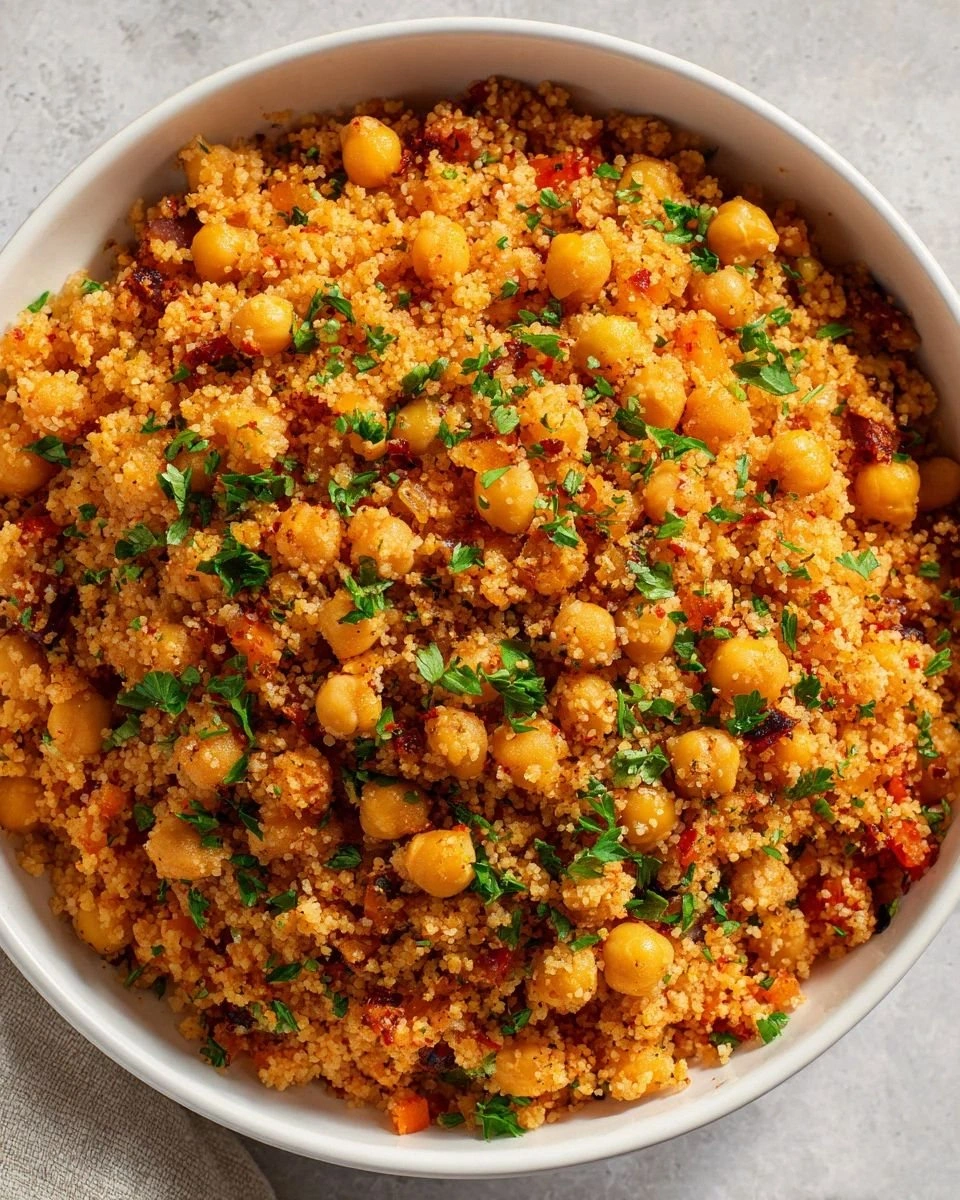
What hooks people first is the aroma: sweet-savory onions hitting hot oil, garlic sizzling like a tiny firecracker show, and then the spice parade—cumin, coriander, turmeric, cinnamon—blooming until the air practically glows amber. Stir in couscous and broth, clamp on a lid, and the magic pot transforms raw grains into fluffy, spice-painted pearls that drink up every drop of flavor. A final blizzard of parsley and a bright pop of lemon wake everything up, so each forkful balances earthy, citrusy, and herbaceous notes in perfect harmony. I dare you to taste it and not immediately go back for a second helping; I've watched self-proclaimed "light eaters" do a complete moral U-turn when the bowl lands in front of them.
Let me walk you through every single step—by the end, you'll wonder how you ever made it any other way.
What Makes This Version Stand Out
- One-Pot Wonder: You literally toss everything into a single Dutch oven and let the stovetop babysit dinner. Fewer dishes equals more couch time, and the couscous soaks up flavors like a sponge because it's bathing in spiced broth from start to finish.
- Sweet-Heat Balance: Peppadew peppers bring a gentle kiss of heat plus a fruity sweetness that plays off earthy cumin and floral coriander. It's the background note that makes guests say, "I can't put my finger on it, but wow."
- Texture Spectrum: You get tender-crisp carrots, creamy chickpeas, and fluffy couscous all in one spoonful. No monotonous mush here—every bite is a tiny adventure.
- Pantry-Friendly Heroes: Canned chickpeas, boxed broth, and everyday produce mean zero specialty-store guilt trips. If you keep a moderately stocked spice rack, you're basically halfway to Morocco already.
- Lightning-Fast Flavor: From chopping board to table in about forty-five minutes, making it weeknight realistic yet impressive enough for Saturday dinner guests.
- Make-Ahead Magic: Flavors meld and intensify overnight, so you can cook on Sunday and enjoy effortless lunches all week. A quick microwave zap with a splash of water revives it to steamy perfection.
Alright, let's break down exactly what goes into this masterpiece...
Inside the Ingredient List
The Flavor Base
Olive oil is more than slickery here; it's the courier that transports every spice molecule to the vegetables. Use a decent extra-virgin variety because its fruity bitterness marries beautifully with cinnamon and cayenne. Red onion brings gentle sweetness plus a pop of magenta that dyes the couscous confetti-pink. Dice it small so it melts into the background rather than staging a crunchy coup. Skip yellow onion if you can—its sulfur edge is harsher and lacks that mellow sweetness once it hits heat.
The Texture Crew
Bell pepper gives juicy, almost citrusy bursts that balance the starchy chickpeas and couscous. I choose red or orange because they're fruitier than green, but feel free to clean out the fridge. Carrots supply body and a whisper of sweetness; undercook them slightly so they retain a faint snap that contrasts the fluffy grains. If you despise carrots, swap in zucchini cubes but add them later so they don't dissolve into baby food.
The Spice Symphony
Paprika is the opening note—smoky or sweet, your call—but don't grab hot paprika unless you love fire-breathing dragon vibes. Cumin is the earthy backbone; buy whole seeds, toast them in a dry pan until fragrant, then grind for otherworldly depth. Coriased? Coriander seeds have a lemon-peel nuance that pre-ground versions lose, so treat yourself to a small jar of whole ones. Turmeric supplies color and a subtle gingery bitterness, while cinnamon whispers warmth without screaming "dessert." Cayenne is the volume knob; start small because you can always crank it up later.
The Unexpected Star
Peppadew peppers are my secret handshake. They taste like cherry tomatoes that went on a tropical vacation and came back mildly spicy with a sweet tang. Jarred versions live near the olives in most supermarkets; chop them into confetti so their flavor disperses like hidden treasure. If you can't find them, roasted red pepper plus a pinch of chili flakes works, but you'll miss that candy-like pop.
The Final Flourish
Parsley isn't just green confetti; its grassy brightness slices through the warm spices, preventing palate fatigue. Lemon zest and juice amplify North African sunshine, so don't skip either. Zest first, then juice, because grating a naked lemon is like trying to peel a wet bar of soap—frustrating and oddly comedic.
Everything's prepped? Good. Let's get into the real action...
The Method — Step by Step
- Set your Dutch oven or heavy pot over medium heat and pour in the olive oil. When it shimmers like a mirage but hasn't started smoking, scatter in the diced red onion. Stir for about four minutes until the edges turn translucent and the kitchen smells like sweet, caramel perfume. Don't rush—this foundation builds the sweet backbone that balances later spices.
- Add the bell pepper and carrot. Season with a pinch of salt now; it draws out moisture so vegetables soften rather than steam. Cook five minutes, stirring occasionally, until the bell pepper strips relax and the carrot edges look lightly tanned.
- Clear a small circle in the center of the pot, drop in the minced garlic, and let it sizzle for thirty fragrant seconds. Garlic burns faster than gossip spreads, so keep it moving. Once you smell that pungent aroma mellow, fold everything together.
- Okay, ready for the game-changer? Reduce the heat to low and sprinkle in paprika, cumin, coriander, turmeric, cinnamon, and cayenne. Stir constantly for one minute; toasting spices in oil releases volatile oils that bloom into a heady cloud that smells like a Marrakesh spice souk at dusk. Your nose knows when it's done—take a whiff and you'll feel warmer instantly.
- Dump in the drained chickpeas and chopped Peppadew peppers. Stir to coat every bean and pepper bit in the fragrant paste. Season with salt and several grinds of black pepper. Taste a chickpea—yes, straight from the pot. It should already taste like a party you want an invite to.
- Pour in the vegetable broth and crank the heat to high. You want a rolling boil so the couscous hits turbulent water, ensuring grains cook evenly and don't clump like teenagers at a school dance.
- When the broth reaches a boil, stir in couscous, slap on the lid, and kill the heat. Let it rest five undisturbed minutes. The residual steam swirls around like a private sauna, fluffing grains to cloud-like perfection.
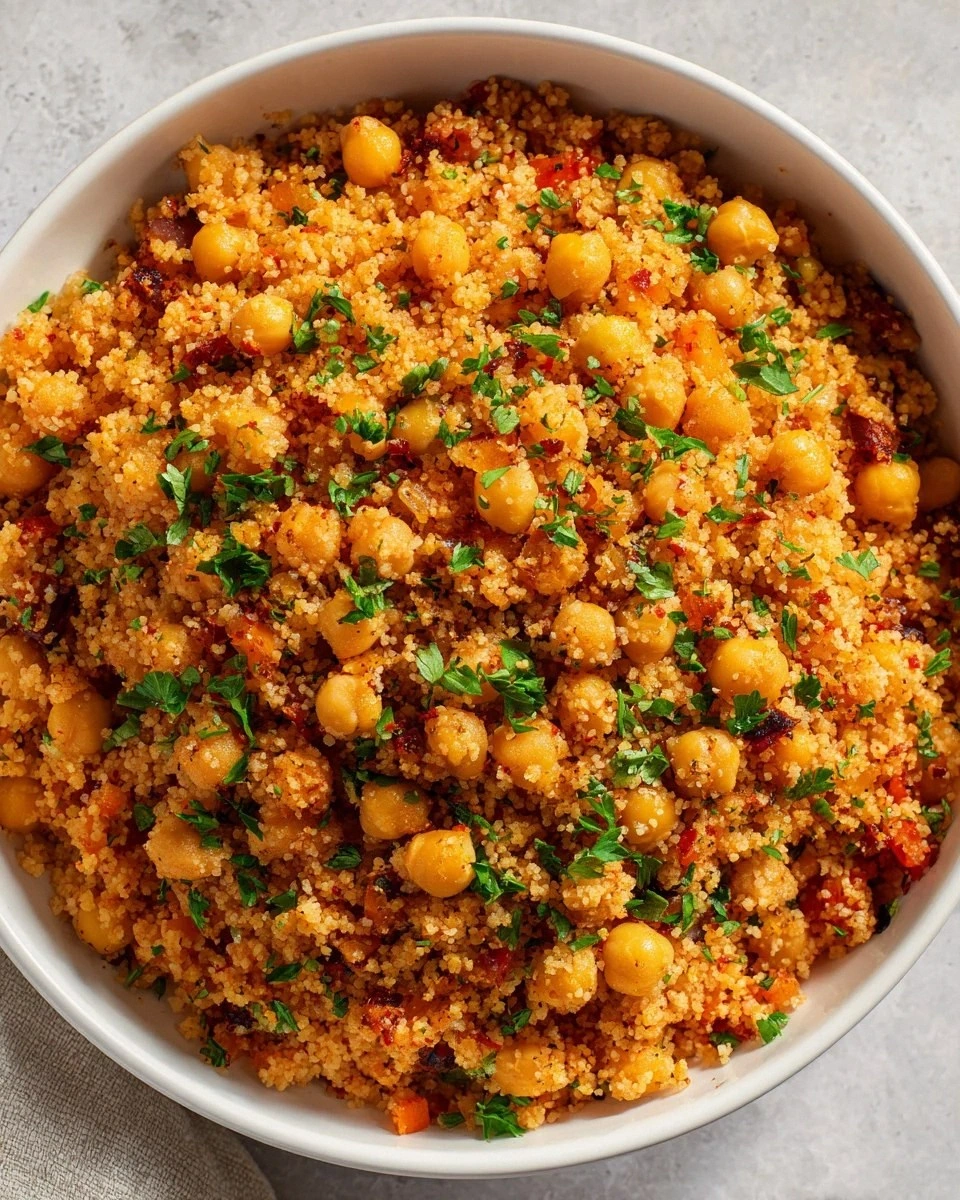
- Lift the lid and gasp dramatically—fluffy, sunshine-yellow couscous studded with confetti vegetables will greet you. Fluff gently with a fork, scraping from bottom to top to keep pearls separate. Fold in parsley, lemon zest, and juice. Give it one final taste; add salt, pepper, or more lemon if your tongue demands excitement.
That's it—you did it. But hold on, I've got a few more tricks that'll take this to another level...
Insider Tricks for Flawless Results
The Temperature Rule Nobody Follows
Keep your burner on the lower side when toasting spices; too high and they scorch, turning bitter faster than bad coffee. You want gentle heat that coaxes out fragrant oils without smoking them into acrid oblivion. If the pan smells sharp or you see wisps of bitter smoke, toss the mixture and start over—there's no rescuing burnt spices.
Why Your Nose Knows Best
Trust your senses more than the clock. When the spice aroma envelops you like a cozy blanket and your mouth waters involuntarily, you're dialed in. Ignore arbitrary times listed in recipes; stovetops, pan thickness, and even humidity affect how quickly spices bloom.
The 5-Minute Rest That Changes Everything
After fluffing, cover the pot again for five extra minutes off heat. This brief nap lets any stubborn liquid evaporate and flavors meld, so each grain tastes married rather than merely dating. A friend tried skipping this step once—let's just say it didn't end well, and her coworkers still call it "soupy couscous gate."
Brighten Last-Second for Maximum Punch
Lemon juice dulls under prolonged heat, so always add it after cooking. If you must reheat leftovers, squeeze fresh citrus on just before serving to revive that vibrant zing.
Creative Twists and Variations
This recipe is a playground. Here are some of my favorite ways to switch things up:
Protein-Packed Powerhouse
Fold in a cup of shredded rotisserie chicken or sautéed shrimp during the final fluff. Seafood cooks fast, so add shrimp right after the couscous rests; residual heat turns them coral-pink without rubbery toughness.
Roasted Veggie Carnival
Trade raw carrots for leftover roasted butternut squash cubes. Their caramelized edges add smoky depth that screams autumn comfort. Sweet potato works too, turning the whole dish sunset orange.
Nutty Crunch Upgrade
Toss in a handful of toasted slivered almonds or pine nuts just before serving. They provide a satisfying crunch reminiscent of festive pilafs and make the dish feel special-occasion worthy.
Herb Swap Surprise
If parsley feels boring, try cilantro for a brighter, almost citrusy punch. Mint adds a cooling note that plays beautifully with cayenne heat. Use half parsley, half mint for a Moroccan tabbouleh vibe.
Coconut-Cream Dream
Replace half the broth with light coconut milk for a creamier, slightly tropical personality. The coconut fat carries spice flavors differently, giving you a mellow, curry-like undertone that's addictive.
Storing and Bringing It Back to Life
Fridge Storage
Scoop cooled couscous into airtight glass containers and refrigerate up to five days. Glass prevents spice stains and lingering odors better than plastic. Press a layer of plastic wrap directly onto the surface before sealing the lid to lock out drying air.
Freezer Friendly
Portion into zip-top bags and freeze flat for up to two months. Thaw overnight in the fridge, then proceed with reheating. The texture stays surprisingly fluffy because couscous doesn't rely on gluten structure that can get rubbery.
Best Reheating Method
Add a tiny splash of water before microwaving—about a teaspoon per cup—and cover loosely so it steams back to perfection. Heat in thirty-second bursts, fluffing between intervals. Alternatively, warm gently in a skillet with a drizzle of olive oil for a toasty, almost pilaf-like edge.