Picture this: I’m standing in a cramped kitchen, a pot of boiling water on the stove, and a handful of potatoes that look like they’ve just been plucked from a pumpkin patch. My friend had dared me to whip up a dish that would make the whole house smell like home on an Easter Sunday, and I was about to fail spectacularly. The moment I sliced the first potato, the air filled with a sweet, earthy aroma that made my mouth water even before the onions hit the pan. I was determined to turn that humble tuber into something that would make people stop in their tracks and say, “I dare you to taste this and not go back for seconds.” That’s the spark that ignited this recipe, and it’s the same spark you’ll feel as we cook together.
I’ve spent years chasing the perfect balance of flavor, texture, and comfort in every dish I create, and this one is no exception. The key is the marriage of crispy, golden potatoes with caramelized onions, a hint of garlic, and a splash of olive oil that gives everything a silky finish. The result is a dish that feels like a hug from the inside out—a rustic skillet that looks like it belongs in a country cottage but tastes like a modern masterpiece. It’s the kind of meal that makes you forget the fuss of the holidays and focus on the simple joy of shared food.
What sets this version apart is not just the ingredients but the technique: slow, low‑heat caramelization that brings out the natural sweetness of the onions, a subtle pop of heat from the red pepper flakes, and a final flourish of cheddar and bacon that turns every bite into a creamy, smoky explosion. Most recipes get this completely wrong by rushing the onions or using the wrong type of potato. Here, I’ve chosen russet potatoes for their fluffy interior and yellow onions for their sweet, mellow flavor that deepens with time. The result is a dish that’s as comforting as it is bold, with layers of flavor that keep you coming back for more.
And here’s a teaser: the secret to that melt‑in‑your‑mouth cheese layer isn’t just the cheese itself—it’s the way you finish the skillet with a quick burst of heat that creates a golden crust while keeping the interior silky. If you’ve ever tried a potato and onion skillet that tasted flat, you’ll know how transformative this step is. The combination of cheddar, bacon, and a dash of parsley gives the dish a fresh finish that’s impossible to ignore.
Let me walk you through every single step—by the end, you’ll wonder how you ever made it any other way. We’re going to turn a simple skillet into a showstopper, and I promise you’ll be the host of the most talked‑about Easter dinner this year. So grab your skillet, preheat that pan, and let’s get cooking.
What Makes This Version Stand Out
- Flavor Depth: The slow caramelization of onions and the gentle sautéing of potatoes allow their natural sugars to bloom, creating a savory-sweet base that’s richer than any quick‑fry.
- Texture Contrast: Crispy edges meet a tender, fluffy interior, giving each bite a satisfying crunch that melts into creamy decadence.
- Ingredient Quality: Using fresh thyme and high‑quality olive oil elevates the dish from ordinary to unforgettable.
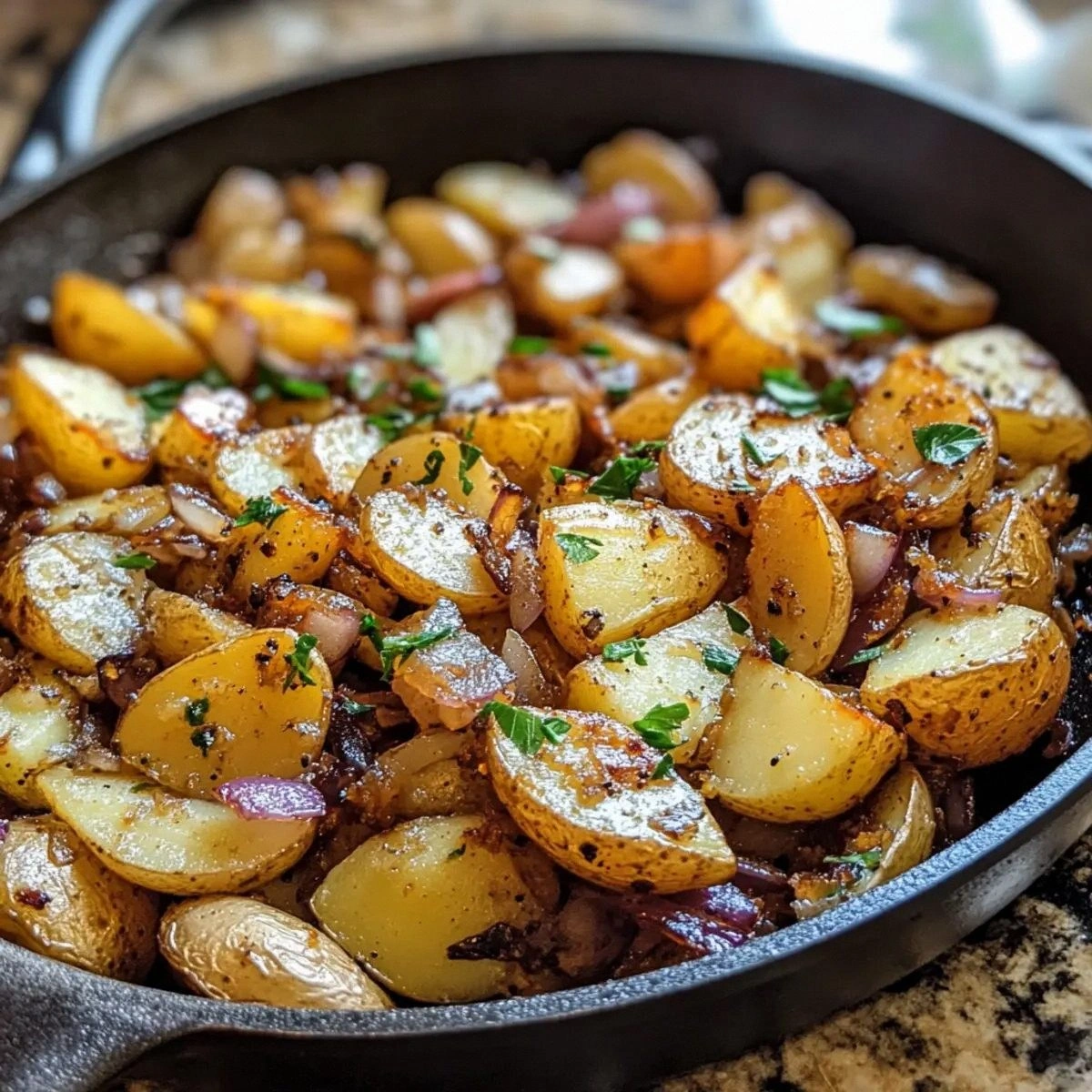
- Visual Appeal: The golden crust on the potatoes and the glossy sheen of melted cheese make the skillet a feast for the eyes.
- Make‑Ahead Friendly: You can cook the potatoes and onions in advance, reheat them, and they’ll still taste as fresh as when you first made them.
- Party‑Ready: The dish serves a crowd with ease, and the bacon and cheese add a crowd‑pleasing element that’s perfect for family gatherings.
- Health Balance: While indulgent, the dish still offers a decent protein kick from the bacon and cheese, balancing the carbs from the potatoes.
- Ease of Execution: No fancy techniques—just a few simple steps that even novice cooks can master.
Inside the Ingredient List
The Flavor Base
The foundation of this skillet starts with 4 medium Russet potatoes. Their high starch content turns into a light, fluffy interior when cooked slowly, providing the perfect canvas for the rest of the flavors. If you skip them, the dish loses its heart—potatoes are the mainstay of any comforting skillet. A good tip: look for potatoes that feel heavy for their size, indicating they’re dense and will hold up during cooking.
2 medium Yellow onions bring a sweet, mellow note that deepens with caramelization. Cutting them thin ensures even cooking and maximizes the sweet surface area. If you’re allergic to onions, try replacing them with shallots for a milder taste, but don’t expect the same caramelized depth.
3 tablespoons of Olive oil is the secret to that silky finish and helps the onions brown evenly. Olive oil also carries the thyme’s aroma, creating a cohesive flavor profile. If you prefer a lighter version, use a neutral oil like grapeseed, but you’ll lose some of the richness.
The Texture Crew
2 cloves of Garlic add a punch of umami that complements the potatoes and onions. Crushing the garlic before adding it to the pan releases its oils, making the dish more fragrant. Skipping garlic will make the dish taste flatter, so keep it in.
1 teaspoon of Fresh thyme is the herbal backbone that ties everything together. Fresh thyme provides a bright, slightly piney flavor that cuts through the richness. If you only have dried thyme, use half the amount—dry herbs are more potent.
1 teaspoon of Salt and 1 teaspoon of Black pepper are essential for seasoning. They bring out the natural flavors of each ingredient. Remember, salt is your friend—taste as you go, and adjust accordingly.
The Unexpected Star
2 tablespoons of Chopped parsley adds a fresh, herbaceous note that brightens the dish. Parsley also brings a splash of color, making the skillet more visually appealing. If you’re not a fan of parsley, replace it with cilantro for a different twist.
The Final Flourish
1 cup of Shredded cheddar cheese delivers a creamy, melty layer that coats the potatoes and onions. Cheddar’s sharpness balances the sweetness of the onions. If you prefer a sharper flavor, use a smoked cheddar or a blend of cheddar and Gruyère.
½ cup of Crumbled bacon adds a smoky, savory crunch that anchors the dish. The fat from the bacon also enriches the sauce, giving it a silky texture. If you’re watching your sodium, use a low‑sodium bacon or a turkey bacon alternative.
¼ teaspoon of Red pepper flakes gives a subtle heat that lingers without overpowering the dish. This spice is optional but highly recommended for a modern twist. If you’re sensitive to heat, reduce to ⅛ teaspoon.
Everything's prepped? Good. Let's get into the real action...
The Method — Step by Step
- Heat a large cast‑iron skillet over medium heat and add the olive oil. Once the oil shimmers, add the diced potatoes in a single layer. The key here is to let them sear without moving them around too much; this creates a beautiful golden crust. Watch the edges—they’ll start pulling away from the pan when they’re ready to flip. I swear, the scent of that first sizzle is pure magic.
- Add the sliced onions to the skillet, spreading them out evenly. Sprinkle the salt, pepper, and thyme over the top, letting the spices coat each piece. Stir gently to combine, and let the onions begin to soften. The goal is a gentle, even caramelization that brings out their natural sweetness. If you’re impatient, you might be tempted to add the garlic now, but hold that thought for a moment.
- Crush the garlic cloves and add them to the pan, allowing them to mingle with the potatoes and onions. Garlic releases its oils slowly, so give it at least 5 minutes to bloom before you start to stir more aggressively. This step is where the dish starts to smell heavenly—an aroma that will make your whole house feel like a cozy cabin. Kitchen Hack: If you don’t have a garlic press, simply crush the cloves with the flat side of a knife; the skin will come off easily.
- Reduce the heat to medium‑low and let the mixture cook, stirring occasionally. The potatoes should be tender on the inside while still firm enough to hold their shape. The onions will slowly turn golden, releasing their sweetness. This low‑heat method is crucial; high heat can burn the edges and leave the center undercooked. Keep an eye on the consistency—once the potatoes are fork‑tender, you’re ready for the next step.
- While the potatoes and onions finish cooking, crumble the bacon into a separate skillet and fry until crisp. Once crispy, remove the bacon and set it aside on a paper towel to drain. The bacon fat remains in the pan, ready to add flavor to the main dish. If you prefer a leaner version, you can skip the bacon, but be prepared for a less savory experience.
- Return the skillet to medium heat and add the shredded cheddar cheese, stirring until it melts into a silky sauce that coats the potatoes and onions. The cheese should be fully melted, creating a glossy, cohesive layer. If you’re using a sharper cheddar, it will add an extra layer of flavor that’s simply irresistible. Kitchen Hack: For a smoother melt, whisk the cheese with a splash of milk or cream before adding it to the skillet.
- Sprinkle the red pepper flakes and chopped parsley over the top, then fold in the crumbled bacon. This final combination of heat, herb, and smoky crunch lifts the entire dish, creating a complex flavor profile that’s both comforting and exciting. Taste the mixture; if it’s too mild, add a pinch more pepper flakes. The key is to let the flavors meld for a minute or two before serving.
- Finish the dish by giving it a quick stir to ensure the cheese is fully incorporated and the bacon is evenly distributed. The skillet should have a glossy sheen from the melted cheese and a slight steam rising from the hot surface. At this point, the dish is ready to be plated and served hot.Watch Out: Be careful not to over‑crowd the skillet when adding the bacon and cheese; otherwise, the cheese may separate and become oily.
- Transfer the skillet to a serving dish and garnish with a final sprinkle of fresh parsley for a pop of color. The visual contrast between the golden potatoes, caramelized onions, and the green parsley makes the dish as appealing to the eyes as it is to the palate. Serve immediately, because the cheese will start to firm up as it cools, reducing the creamy texture we love.
- Enjoy the first bite, and feel the harmony of flavors: the buttery potatoes, the sweet caramelized onions, the smoky bacon, and the rich cheddar all come together in a single, unforgettable bite. If you’re a true food lover, you’ll find yourself reaching for seconds without hesitation. This is the moment of truth—your dish is complete, and it’s a masterpiece.
That's it — you did it. But hold on, I've got a few more tricks that'll take this to another level...
Insider Tricks for Flawless Results
The Temperature Rule Nobody Follows
Many cooks think a high heat is the key to a crispy skillet, but in reality, a lower temperature preserves the potato’s interior while allowing the exterior to brown beautifully. Keep the heat at medium‑low once the onions start to caramelize, and you’ll avoid a burnt exterior and undercooked center. I’ve seen people use a high flame that results in a charred crust and a soggy middle—don’t let that happen to you.
Why Your Nose Knows Best
Your sense of smell is an underrated ally in the kitchen. When the onions start to caramelize, they’ll emit a sweet, nutty scent that signals they’re ready. If you’re unsure, pause and take a quick sniff; if it smells like toasted bread, it’s time to add the cheese. Trust your nose, and you’ll avoid the dreaded “over‑cooked” potato.
The 5‑Minute Rest That Changes Everything
After cooking, let the skillet sit covered for five minutes. This brief rest allows the flavors to meld and the cheese to set just enough to keep the dish from becoming greasy. If you skip this step, the cheese might slide off the potatoes, ruining the cohesive texture. It’s a small pause that makes a huge difference.
Use a Skillet with a Lid
Covering the skillet during the last few minutes traps steam, which helps the potatoes cook through without drying out. The lid also creates a mini‑oven effect that gives the cheese a uniform melt. Many people forget this trick, but it’s a game‑changer for achieving a perfectly even texture.
Choose the Right Cheese
Cheddar is a safe bet, but if you’re feeling adventurous, try a mix of cheddar and Gruyère for a deeper umami flavor. The key is to use a cheese that melts well; if it’s too hard, it won’t coat the potatoes properly. A good rule of thumb: choose a cheese that melts within 2–3 minutes when added to a hot pan.
Don’t Neglect the Bacon Fat
After frying the bacon, keep the fat in the skillet for the rest of the cooking process. That fat carries the smoky flavor throughout the dish and keeps the potatoes from drying out. If you discard the bacon fat, you’ll lose a layer of richness that makes the dish feel complete.
Creative Twists and Variations
This recipe is a playground. Here are some of my favorite ways to switch things up:
Herb Garden Edition
Swap the thyme for rosemary or sage, and add a handful of fresh basil at the end for a Mediterranean vibe. The herbal notes will complement the cheese, creating a fresh, aromatic dish that feels light yet indulgent. This variation is perfect for a summer brunch or a garden gathering.
Spicy Cajun Kick
Add a tablespoon of Cajun seasoning to the potatoes before cooking, and increase the red pepper flakes to ½ teaspoon. The result is a fiery, smoky skillet that will get everyone reaching for a glass of cold milk. The spicy kick pairs wonderfully with the creamy cheese.
Vegan Version
Replace the bacon with sautéed mushrooms and use a dairy‑free cheddar substitute. The mushrooms add a meaty texture, while the vegan cheese keeps the dish creamy. This version is still rich and satisfying, but it’s kinder to the planet.
Breakfast Boost
Serve the skillet with a side of scrambled eggs or a fried egg on top. The runny yolk will mingle with the cheese, creating a luscious sauce that’s perfect for a hearty breakfast. This twist turns the dish into a satisfying brunch staple.
Sweet and Savory Fusion
Add a handful of dried cranberries or raisins during the caramelization stage for a touch of sweetness. The contrast between the sweet fruit and savory cheese will surprise your palate. This variation is ideal for those who love a playful, unexpected flavor profile.
Storing and Bringing It Back to Life
Fridge Storage
Store the cooled skillet in an airtight container in the refrigerator for up to 3 days. The cheese will firm up, but the potatoes will remain tender. When you’re ready to reheat, let the skillet sit at room temperature for 15 minutes to reduce the risk of uneven heating.
Freezer Friendly
For longer storage, wrap the skillet tightly in foil and place it in a freezer bag. It can be frozen for up to 2 months without losing flavor. When thawing, let it sit in the refrigerator overnight before reheating.
Best Reheating Method
Reheat in a skillet over low heat, adding a splash of water or milk to keep the cheese from drying out. The steam will re‑soften the cheese, bringing back that silky texture. A quick 5‑minute stir will distribute the heat evenly, making it taste as fresh as the first time.