Love this? Pin it for later! 📌
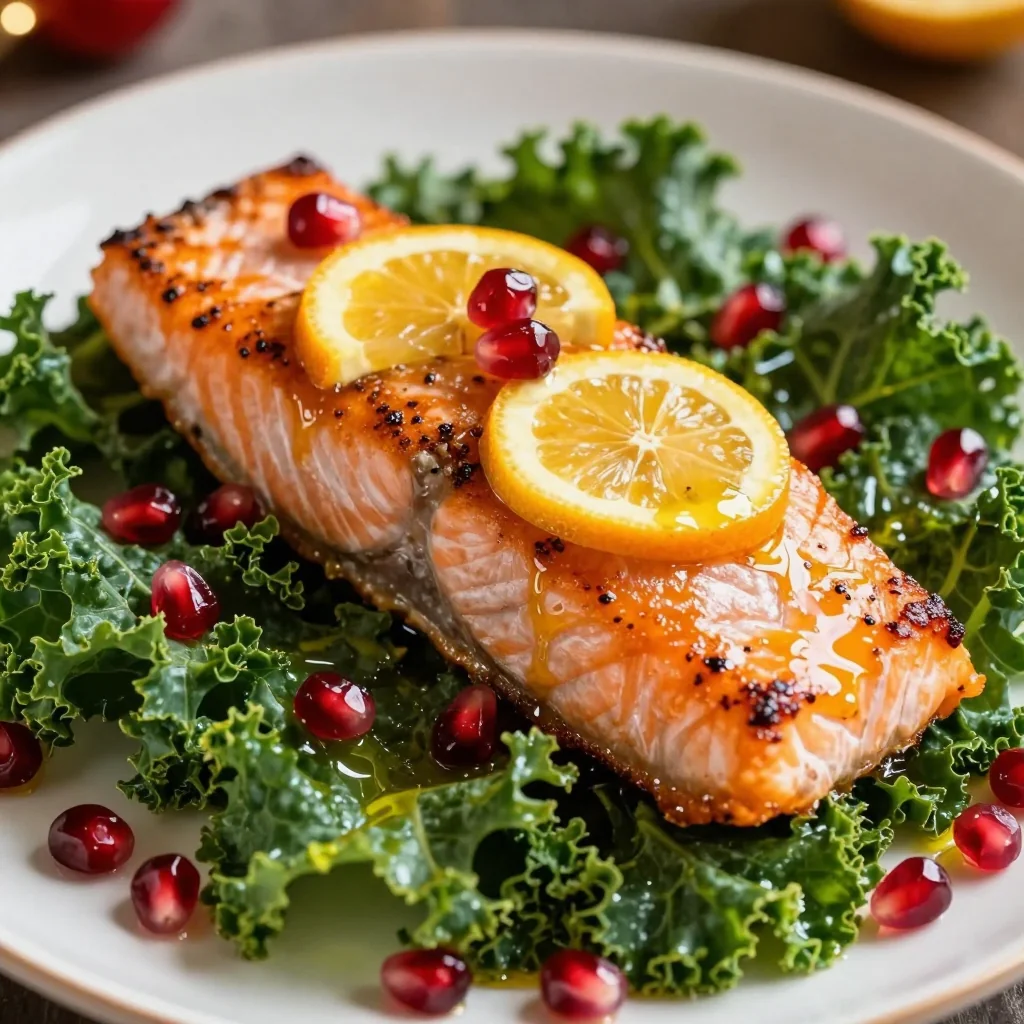
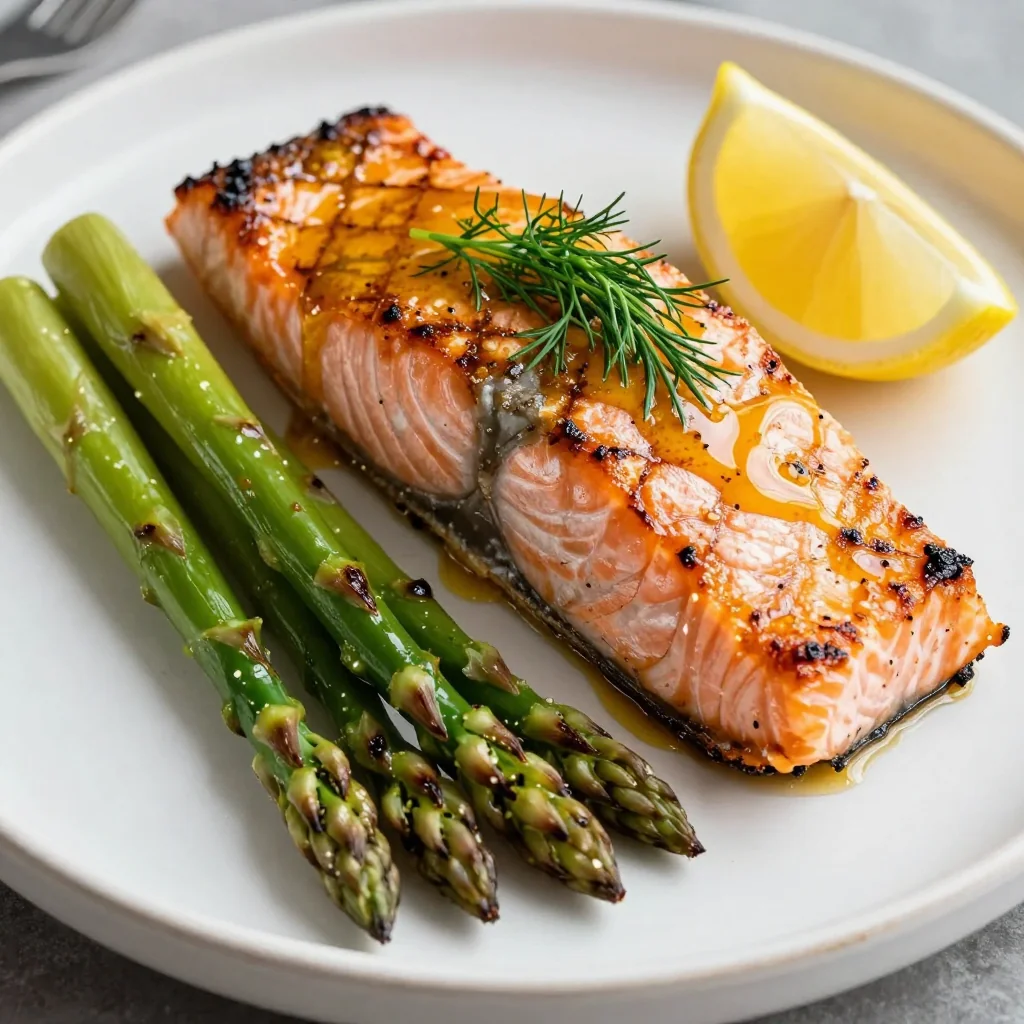
What makes this dish so special? It's the magical combination of crispy-edged salmon with its buttery, flaky center, paired with tender-crisp asparagus that soaks up all those gorgeous citrus-herb juices. The entire meal roasts on one pan while you change into comfy clothes and pour yourself a glass of wine. No hovering over the stove, no timing multiple dishes—just pure, effortless elegance that tastes like you spent hours perfecting it.
Why This Recipe Works
- One Pan Wonder: Everything cooks together on a single sheet pan, meaning minimal cleanup and maximum flavor as the ingredients mingle
- Perfectly Timed: The salmon and asparagus finish cooking at exactly the same moment, so nothing is over or underdone
- Flavor Explosion: A simple marinade of lemon, garlic, and herbs transforms basic ingredients into something extraordinary
- Meal Prep Hero: Prep everything in the morning, then just pop it in the oven when you're ready to eat
- Restaurant Quality: The high-heat roasting method creates crispy skin and caramelized edges that rival any chef's preparation
- Healthy & Satisfying: Packed with omega-3s, protein, and nutrients while still feeling indulgent and satisfying
- Beginner Friendly: No complicated techniques—if you can drizzle and season, you can master this recipe
Ingredients You'll Need
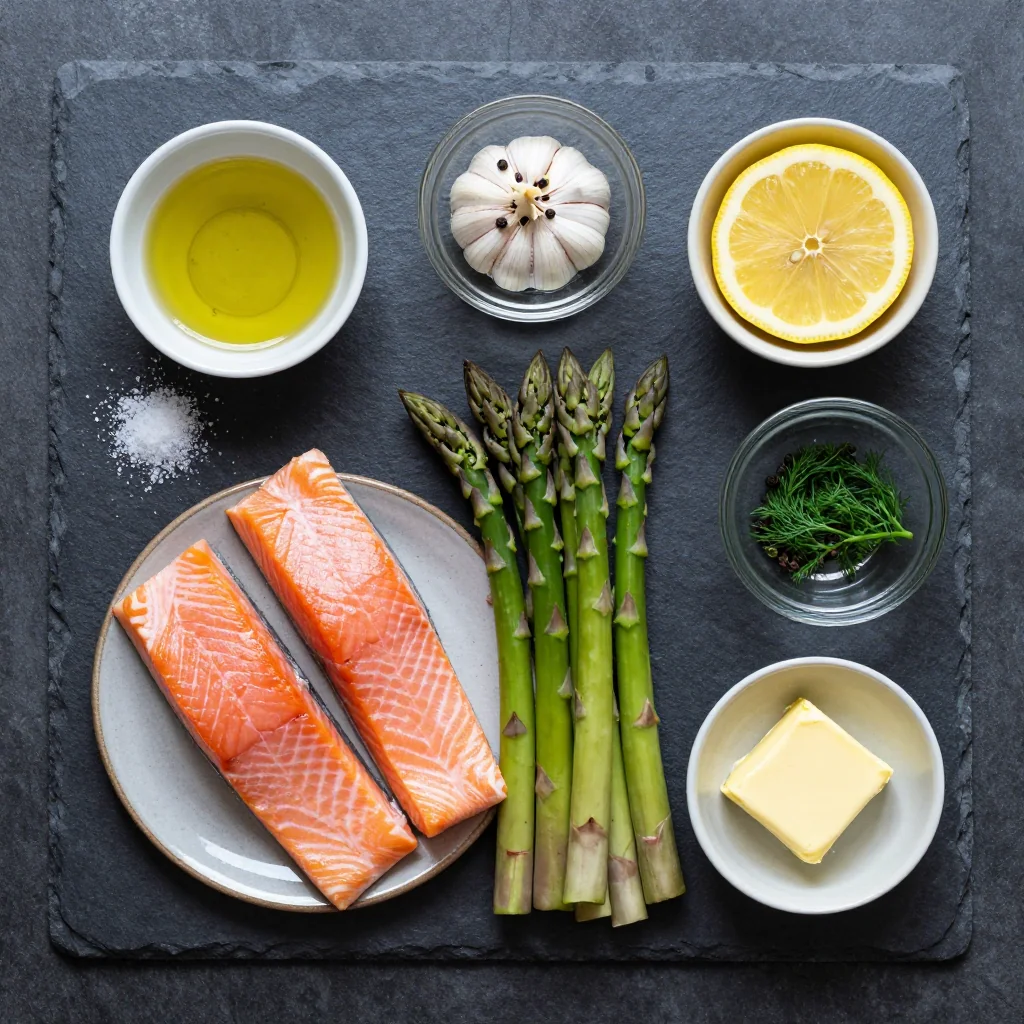
Let's talk about each ingredient and why it matters. The beauty of this recipe lies in its simplicity, but that means every component needs to shine. I've tested this with everything from budget salmon to wild-caught Alaskan, and while the technique remains the same, the quality of your ingredients will absolutely elevate the final result.
Fresh Salmon Fillets (4 portions, 6 oz each)
Look for salmon that's bright and firm with no fishy smell. I prefer skin-on fillets because the skin becomes deliciously crispy and helps keep the fish moist. If you can find wild-caught, it has a more pronounced flavor, but farm-raised works beautifully too. The key is even thickness—ask your fishmonger to cut pieces that are similar in size so they cook evenly.
Fresh Asparagus (1 pound)
Choose asparagus that's vibrant green with tightly closed tips. Thick or thin spears both work—thick ones have a meatier texture while thin ones cook faster and get more caramelized. Bend one near the bottom; it should snap cleanly where the woody part ends. Store them upright in a jar with water like flowers until you're ready to cook.
Lemon (2 large)
One for the marinade and one for serving. The zest contains essential oils that provide intense lemon flavor, while the juice adds brightness. Always zest before juicing—it's nearly impossible to zest a squeezed lemon. Organic lemons are worth the extra cost since you're using the peel.
Garlic (4 cloves)
Fresh garlic makes all the difference here. The pre-minced jarred stuff has a harsh, acrid taste that will ruin the delicate balance. Mince it fine so it distributes evenly in the marinade and doesn't burn during roasting.
Extra Virgin Olive Oil (1/4 cup)
Use the good stuff here—it contributes significantly to the flavor. A peppery, grassy olive oil complements the salmon beautifully. If your oil smells rancid or tastes flat, it's too old and will make your entire dish taste dull.
Fresh Herbs (dill, parsley, or thyme)
Fresh herbs wake up the entire dish. Dill is classic with salmon, but parsley adds freshness and thyme brings earthiness. If you must use dried herbs, reduce the amount by two-thirds since dried herbs are more concentrated.
How to Make Easy Sheet Pan Salmon and Asparagus for Dinner
Prep Your Pan and Preheat
Position your oven rack in the center and preheat to 425°F (220°C). Line a large rimmed baking sheet with parchment paper or a silicone mat for easy cleanup. If your baking sheet tends to warp at high heat, place it in the oven while preheating—this prevents warping and ensures even cooking.
Make the Magic Marinade
In a small bowl, whisk together olive oil, lemon zest, lemon juice, minced garlic, honey, Dijon mustard, salt, pepper, and red pepper flakes if using. The honey helps the edges caramelize beautifully while balancing the lemon's acidity. Let this sit for 5 minutes so the flavors can meld—it makes a noticeable difference.
Prep the Asparagus
Rinse asparagus and snap off the woody ends—they'll break naturally at the right spot. Pat completely dry with paper towels; excess water will steam instead of roast. Toss with a tablespoon of the marinade, coating evenly. Arrange in a single layer on one side of the baking sheet, alternating directions so they fit snugly.
Season the Salmon
Pat salmon fillets dry with paper towels—this is crucial for crispy skin. Score the skin in a crosshatch pattern with a sharp knife, cutting just through the skin but not into the flesh. This prevents curling and helps the skin crisp evenly. Brush both sides generously with the marinade, letting it pool in the score marks.
Arrange for Success
Place salmon fillets skin-side up on the other side of the baking sheet, leaving space between each piece for hot air circulation. Tuck lemon slices underneath—this prevents sticking and infuses subtle lemon flavor. The asparagus should be in a single layer but it's okay if they overlap slightly; they'll shrink as they cook.
Roast to Perfection
Slide the sheet pan into the preheated oven and roast for 12-15 minutes, depending on thickness. The salmon is done when it flakes easily but still has a hint of translucency in the center—it will continue cooking from residual heat. The asparagus should be tender-crisp with caramelized tips. If your fillets are very thick, add 2-3 minutes.
Rest and Finish
Remove from oven and let rest for 3 minutes—this allows the juices to redistribute. The skin should be crispy and the top slightly caramelized. Squeeze fresh lemon juice over everything, sprinkle with fresh herbs, and add an extra drizzle of olive oil if desired. Serve directly from the pan for rustic elegance.
Expert Tips
Hot Oven, Cold Fish
For extra-crispy skin, place your seasoned salmon in the freezer for 10 minutes while the oven preheats. The shock of temperature difference helps the skin crisp while keeping the center tender.
Dry Means Crispy
Patting your salmon and asparagus completely dry seems excessive, but it's the difference between roasted and steamed. Keep paper towels handy and don't rush this step.
Don't Overcook
Salmon continues cooking after removal from oven. It's perfectly done when it flakes but still has a hint of deep pink in the center. Better slightly under than over—overcooked salmon is dry and chalky.
Space It Out
Crowding the pan leads to steaming instead of roasting. If doubling the recipe, use two sheet pans rather than cramming everything onto one. Good airflow equals crispy edges.
Rotate for Evenness
Halfway through cooking, rotate your pan 180 degrees. Most ovens have hot spots, and this simple step ensures everything cooks evenly and browns beautifully.
Save Those Juices
Don't discard the flavorful oil that pools around the salmon after roasting. Spoon it over rice, mashed potatoes, or crusty bread—it's liquid gold packed with herb and lemon essence.
Variations to Try
Asian-Inspired
Replace lemon with lime, add soy sauce, sesame oil, and fresh ginger. Top with sesame seeds and scallions. Serve with jasmine rice and drizzle with sriracha mayo.
Mediterranean Style
Add olives, cherry tomatoes, and artichoke hearts to the pan. Season with oregano and serve with a cucumber-tomato salad and tzatziki sauce.
Spicy Cajun
Coat salmon with Cajun seasoning, add andouille sausage slices and bell peppers to the pan. Serve over dirty rice with a squeeze of lemon.
Autumn Harvest
Swap asparagus for Brussels sprouts and butternut squash cubes. Add maple syrup to the marinade and serve with cranberry chutney.
Buttery Herb
Add compound butter (butter mixed with herbs and garlic) on top of salmon during last 5 minutes of cooking. The butter melts into the fish for extra richness.
Keto-Friendly
Add avocado oil, extra butter, and serve with cauliflower mash. Add bacon bits to the asparagus for extra fat and flavor while keeping carbs minimal.
Storage Tips
Leftovers keep beautifully and transform into entirely new meals. Store cooked salmon and asparagus in an airtight container in the refrigerator for up to 3 days. For best results, keep the salmon in large pieces rather than flaked—it stays moister this way. The asparagus might lose some of its crispness but develops a delicious pickled quality from the lemon.
To reheat, place salmon in a 275°F oven for 10-12 minutes until just warmed through. Avoid the microwave—it makes fish rubbery and asparagus mushy. Better yet, enjoy leftovers cold over salads or in sandwiches. Flaked salmon mixed with Greek yogurt, capers, and herbs makes incredible salmon cakes or pasta topping.
You can also freeze cooked salmon for up to 2 months. Wrap tightly in plastic wrap, then foil, and thaw overnight in the refrigerator. The texture won't be quite as perfect as fresh, but it's excellent in chowders, pasta dishes, or salmon patties. Frozen asparagus becomes quite soft, so use those in soups or purees rather than as a side dish.
For meal prep, you can prep everything up to 24 hours ahead. Keep the marinade separate, and don't season the salmon until ready to cook. Cut and store asparagus wrapped in damp paper towels in a plastic bag. When ready to cook, simply assemble and roast as directed.
Frequently Asked Questions
Absolutely! Thaw frozen salmon overnight in the refrigerator, or place in a sealed bag and submerge in cold water for 30-45 minutes. Pat completely dry before proceeding. Do not use warm water—it starts cooking the fish unevenly. Frozen salmon often has better texture than "fresh" that's been sitting for days.
No problem! Broccoli florets, green beans, Brussels sprouts, or even potato wedges work beautifully. Just adjust cooking time—potatoes need 10 minutes head start, while green beans cook in the same time as asparagus. The key is cutting vegetables to similar sizes for even cooking.
Salmon is perfectly cooked when it flakes easily with a fork but still has a hint of deep pink in the center. The flesh should feel firm but spring back slightly when pressed. If using a thermometer, aim for 125-130°F for medium-rare, 135°F for medium. Remember it continues cooking from residual heat.
Yes, but reduce cooking time by 2-3 minutes since skinless salmon cooks faster. Place skinless portions on lemon slices to prevent sticking. You won't get crispy skin, but the flavor remains excellent. Consider brushing with extra marinade halfway through cooking to keep it moist.
Every oven is different! If yours runs hot, reduce temperature to 400°F and check 2 minutes early. If it runs cold, increase to 450°F or add 2-3 minutes. An oven thermometer is invaluable—many ovens are off by 25-50 degrees. Also, know that darker sheet pans cook faster than light ones.
For sustainability and flavor, wild-caught Alaskan salmon is top choice. Coho is mild and buttery, Sockeye is rich and firm, King is luxurious and fatty. Farm-raised Atlantic is milder and more affordable. Whatever you choose, look for bright, firm flesh with no fishy smell. Buy day-of if possible, or ask when your store receives shipments.
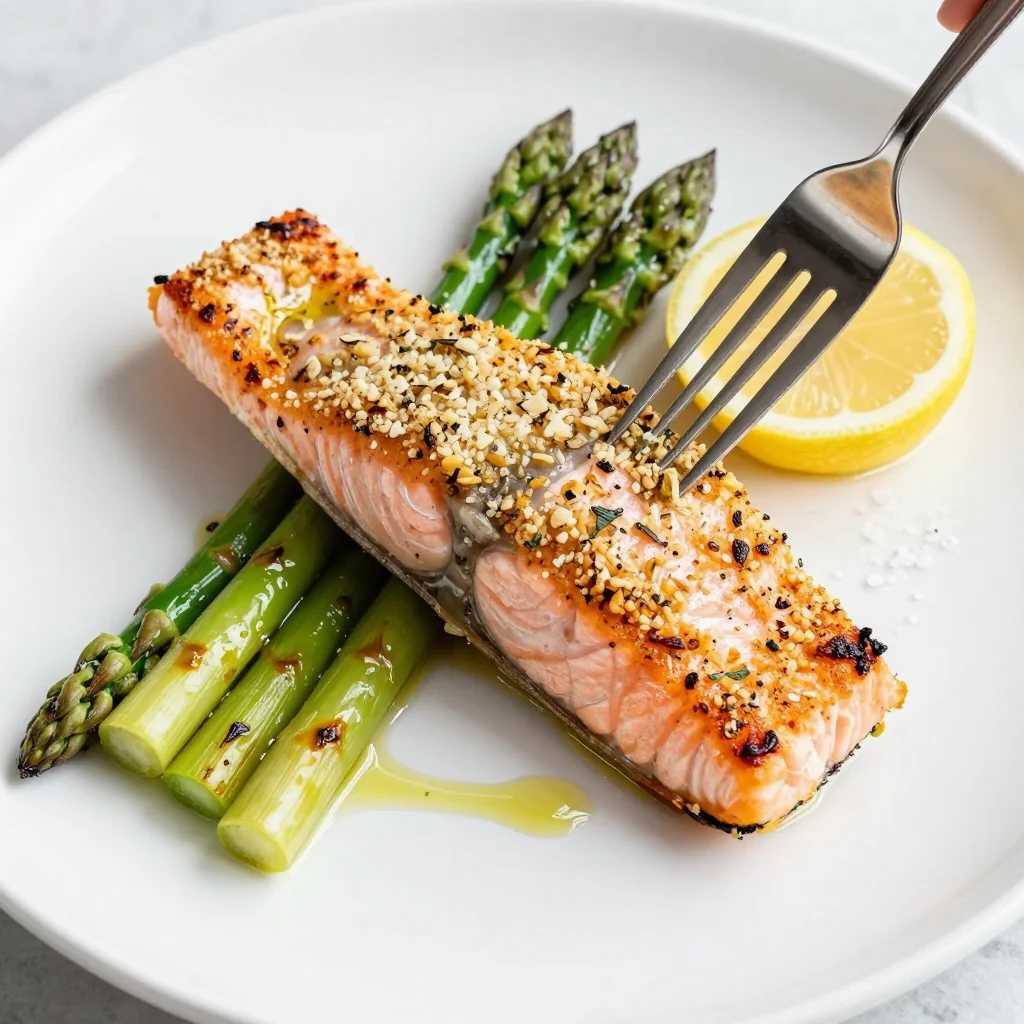
Easy Sheet Pan Salmon and Asparagus for Dinner
Ingredients
Instructions
- Preheat and Prep: Preheat oven to 425°F. Line a large rimmed baking sheet with parchment paper.
- Make Marinade: Whisk together olive oil, lemon zest, lemon juice, garlic, honey, Dijon, salt, pepper, and red pepper flakes.
- Prep Asparagus: Snap off woody ends and toss with 1 tablespoon marinade. Arrange on one side of baking sheet.
- Season Salmon: Pat salmon dry, score skin, and brush both sides with remaining marinade.
- Arrange: Place salmon skin-side up on baking sheet. Tuck lemon slices underneath.
- Roast: Bake for 12-15 minutes until salmon flakes easily and asparagus is tender-crisp.
- Rest and Serve: Let rest 3 minutes, then sprinkle with fresh herbs and serve with lemon wedges.
Recipe Notes
For extra-crispy skin, pat salmon very dry and place in freezer for 10 minutes before cooking. Don't overcrowd the pan—use two sheets if needed. Salmon is done when it flakes but still has a hint of pink in the center.