It all began on a rainy Saturday when I tried to salvage a forgotten can of tuna that had been sitting in my fridge for weeks. I tossed it into a pot with pasta, hoping the humble fish would lift the gloom, but the result was a soggy, flavorless mush that left me staring at the stove, wondering what I had done wrong. That night, after a few frantic attempts to salvage the dish, I vowed to never let a can of tuna go to waste again. The next morning, I found myself rummaging through my pantry, determined to turn that culinary disappointment into a triumph.
The kitchen was a cacophony of sizzling oil and the faint scent of garlic. My eyes caught the glistening olive oil in the pan, the way it danced like liquid gold. The sound of the onions caramelizing filled the room, a comforting crackle that promised something delicious. The anticipation was almost tangible, the aroma of tomatoes and basil teasing the senses. I could almost taste the bright, tangy burst of citrus on my tongue before the dish even hit the plate.
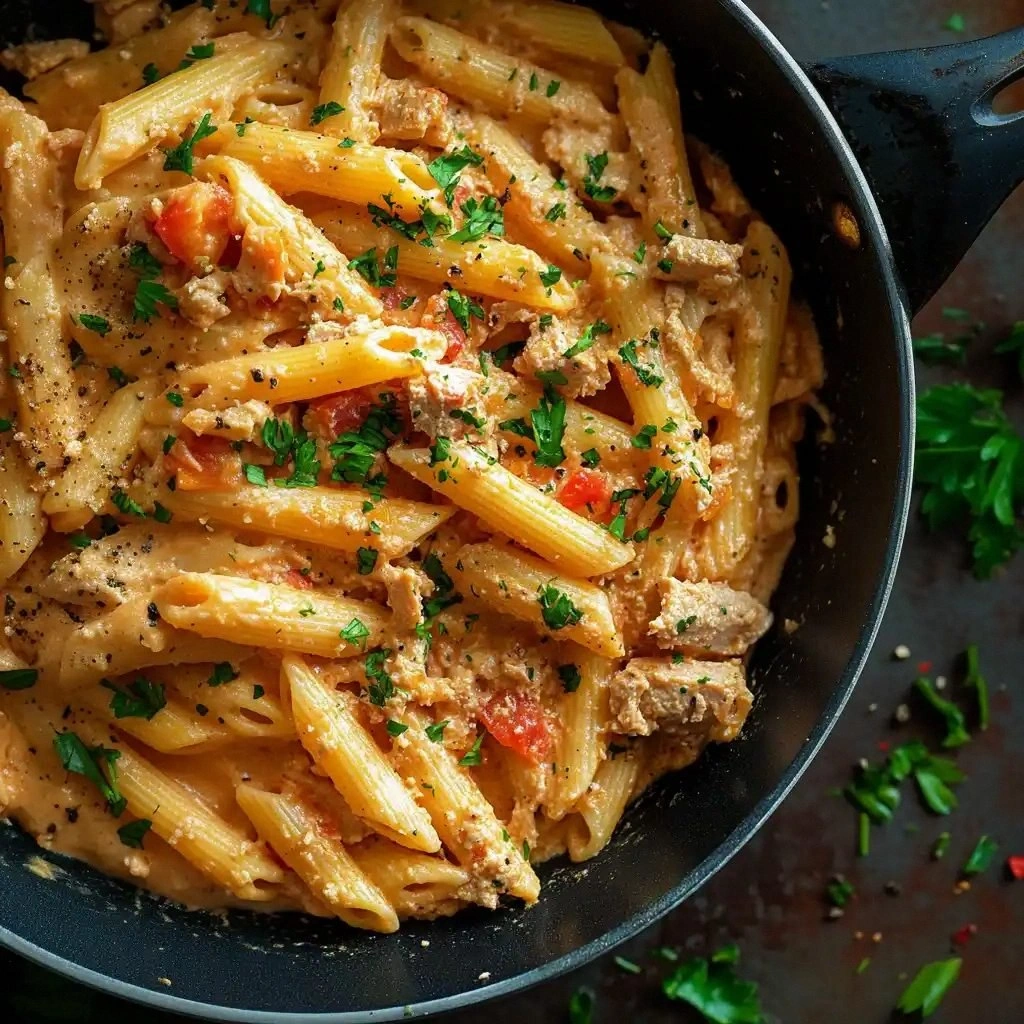
What makes this version stand out is that it takes the humble tuna and elevates it to a silky, velvety sauce that coats every strand of pasta like a velvet blanket. It balances the briny depth of tuna with the bright acidity of lemon and the smoky bite of capers, creating a complex flavor profile that feels both familiar and daring. The dish is quick—just 25 minutes from start to finish—yet the result feels indulgent, like a restaurant-quality plate that you can make in your own kitchen.
I’ll be honest, I ate half the batch before anyone else got a taste, and that’s a confession I keep to myself. The secret lies in a simple step: letting the tuna rest in the sauce for a minute before tossing it with the pasta, allowing the flavors to meld like a well‑crafted symphony. Picture yourself pulling this out of the pan, the whole kitchen smelling incredible, the steam curling like a fragrant cloud. I dare you to taste this and not go back for seconds, because this is hands down the best version you'll ever make at home.
Okay, ready for the game‑changer? Let me walk you through every single step—by the end, you'll wonder how you ever made it any other way.
What Makes This Version Stand Out
- Flavor: The combination of tuna, capers, and lemon juice creates a bright, savory profile that cuts through the richness of the cream.
- Texture: The cream and Parmesan give the sauce a silky body that clings to the pasta, while the spinach adds a gentle bite.
- Speed: Every element is prepped in advance, allowing the dish to cook in just 25 minutes from start to finish.
- Versatility: Swap out the spinach for arugula or add a handful of sun‑dried tomatoes for a Mediterranean twist.
- Crowd‑pleaser: The dish is simple enough for beginners yet sophisticated enough for a dinner party, guaranteeing applause.
- Ingredient quality: Using canned tuna in olive oil adds depth, and fresh parsley or basil brightens the finished plate.
- Make‑ahead potential: The sauce holds up well in the fridge, so you can prep ahead and reheat without losing flavor.
- Balanced nutrition: With protein from tuna and a touch of healthy fats, it satisfies without feeling heavy.
Alright, let's break down exactly what goes into this masterpiece...
Inside the Ingredient List
The Flavor Base
The tuna, packed in olive oil, brings a robust umami punch that forms the foundation of this dish. The olive oil inside the can adds a subtle fruity note, enhancing the overall richness. Skipping the tuna would strip the dish of its protein and depth, leaving the sauce thin and uninspired. If you’re allergic to tuna, a firm white fish like cod or a plant‑based tuna alternative can stand in without compromising the flavor.
The Texture Crew
Cream or cream cheese is the secret to that silky, velvety mouthfeel that makes each bite feel indulgent. The Parmesan adds a salty, nutty bite while also thickening the sauce. The spinach or arugula brings a fresh green contrast that lightens the heaviness of the cream. If you prefer a vegan version, try a cashew cream or a dairy‑free Parmesan substitute.
The Unexpected Star
Capers add a burst of briny tang that cuts through the richness, surprising the palate with a zingy note. Olive oil, when used generously, gives the sauce a silky sheen and helps the flavors meld. The lemon juice lifts the dish, adding a bright citrus punch that keeps the sauce from feeling flat. Skipping any of these would make the sauce feel one‑dimensional.
The Final Flourish
Fresh parsley or basil provides a burst of green freshness, balancing the heaviness of the cream and the saltiness of the capers. The diced tomatoes add a sweet acidity that brightens the sauce, making it feel lighter. Pasta water, a splash of the starchy cooking water, helps bind the sauce together, giving it a glossy finish. A pinch of red pepper flakes adds heat, but you can adjust to your heat tolerance.
Everything's prepped? Good. Let's get into the real action...
The Method — Step by Step
- Bring a large pot of salted water to a rolling boil; the pasta will need a firm bite, so don't overcook it. Add the 12 ounces of pasta and stir to prevent sticking. Cook for 8–10 minutes until al dente, then reserve ¼ cup of the starchy pasta water before draining. The water will later help emulsify the sauce. Once drained, set the pasta aside to keep warm.
- While the pasta cooks, heat a large skillet over medium heat and add 2 tablespoons of olive oil. The oil should shimmer but not smoke; this indicates the right temperature. Add the minced garlic and diced onion, sautéing until translucent and fragrant—about 3 minutes. The aromatics form the flavor base of the sauce. Keep an eye on them to avoid burning, which would impart bitterness.
- Introduce the 14‑ounce can of diced tomatoes, crushing them gently with your hand or a spoon. The tomatoes should release their juices, creating a light, slightly chunky sauce. Stir in ½ teaspoon of red pepper flakes for a subtle heat that won’t overwhelm the tuna. Let the mixture simmer for 5 minutes, allowing the flavors to marry. The tomato sauce will thicken slightly as it cooks.
- Add the drained tuna, breaking it into bite‑sized chunks with a wooden spoon. The tuna should heat through in about 2 minutes, absorbing the tomato and aromatics. Sprinkle ½ teaspoon of dried oregano or Italian seasoning, letting the herbs bloom for 30 seconds. This step is crucial; fresh herbs bring brightness, while dried ones provide depth. Stir gently to combine.
- Pour in ½ cup of cream, swirling to create a silky sauce. The cream coats the pasta, adding a luxurious mouthfeel. Add ¼ cup of grated Parmesan cheese, stirring until the cheese melts and the sauce thickens. The cheese also adds a savory depth that complements the tuna. Keep the heat low to prevent the cream from curdling.
- Squeeze the juice of half a lemon over the mixture, brightening the dish with a citrus zing. The acidity cuts through the richness of the cream and balances the saltiness of the tuna. Stir in ¼ cup of chopped fresh parsley or basil for a burst of green freshness. The herbs add a subtle herbal note that lifts the overall flavor profile. Let the sauce simmer for an additional minute.
- Fold in ¼ cup of olives and 1 tablespoon of capers, allowing the briny flavors to mingle. The olives add a chewy texture while the capers provide a sharp, salty bite. Add ½ cup of spinach or arugula, letting it wilt into the sauce within 30 seconds. The greens add a fresh contrast to the creamy sauce. Adjust the consistency with a splash of the reserved pasta water if needed.
- Return the cooked pasta to the skillet, tossing everything together until the noodles are fully coated. The pasta should absorb the sauce, resulting in a glossy, cohesive dish. Taste and season with salt and black pepper to your preference; the saltiness of the tuna and capers may already be sufficient. Serve immediately, garnished with extra Parmesan or fresh herbs if desired. The dish is now ready to impress.
That's it — you did it. But hold on, I've got a few more tricks that'll take this to another level...
Insider Tricks for Flawless Results
The Temperature Rule Nobody Follows
Keeping the sauce on low heat after adding the cream is essential; high heat can cause the dairy to split. I once tried cooking the cream on medium and ended up with a lumpy, unappealing sauce. The trick is to let the sauce simmer gently for 2–3 minutes, allowing the flavors to meld without compromising texture. This subtle adjustment transforms a good dish into a great one.
Why Your Nose Knows Best
Before you taste the sauce, sniff it first; a bright, citrusy aroma signals the lemon is fresh and the sauce is balanced. A flat, off smell may indicate the tomatoes are overcooked or the tuna is stale. Trust your nose—it’s a reliable guide to flavor perfection. I’ve saved countless meals by relying on this olfactory check.
The 5‑Minute Rest That Changes Everything
After cooking, let the pasta sit covered for 5 minutes; this allows the noodles to finish steaming and absorb the sauce fully. The rest period also lets the flavors settle, resulting in a more cohesive dish. Many cooks skip this step, but the difference is palpable. Give it a try and taste the transformation.
The Right Pasta Shape Matters
Long, flat pastas like fettuccine or linguine hold sauce better than short shapes. If you prefer penne, consider adding a bit more cream to coat the tubes. The shape you choose can influence the overall mouthfeel. Experimenting with different shapes can keep the dish exciting.
The Power of Fresh Herbs
Fresh basil or parsley added at the end brightens the dish instantly. The herbs release their oils when heated briefly, enhancing the sauce’s aroma. If you’re using dried herbs, add them early so they have time to rehydrate. Fresh herbs are the final flourish that makes the dish feel gourmet.
The Creamy Texture Trick
If you want a silkier sauce, whisk the cream with a pinch of flour or cornstarch before adding it to the pan. This creates a roux that thickens the sauce without clumping. I’ve used this technique in a few of my favorite pasta recipes to great effect. It’s a small step that pays off big time.
Creative Twists and Variations
This recipe is a playground. Here are some of my favorite ways to switch things up:
Mediterranean Kick
Swap the spinach for sun‑dried tomatoes and add a splash of white wine to the sauce. The wine adds depth, while the sun‑dried tomatoes bring a chewy, sweet flavor. Serve with a side of crusty bread to soak up the sauce. This variation is perfect for a cozy dinner.
Spicy Sriracha Splash
Replace the red pepper flakes with a tablespoon of Sriracha for a fiery, umami‑rich kick. The heat pairs wonderfully with the cream and tuna, creating a bold flavor profile. Adjust the amount to suit your spice tolerance. This version is great for adventurous eaters.
Pesto Power
Stir in a few tablespoons of basil pesto for an herbal, nutty twist. The pesto adds a green, fresh flavor that complements the tuna. Reduce the amount of cream slightly to keep the sauce light. This variation feels like a gourmet lunch.
Vegan Upgrade
Use a plant‑based tuna alternative and replace the cream with coconut milk or cashew cream. The coconut milk adds a subtle tropical note, while the cashew cream offers a smooth texture. Keep the rest of the ingredients the same for a familiar yet vegan dish. This is ideal for plant‑based diners.
Rustic Rustic
Add sautéed mushrooms to the sauce for earthy depth. Mushrooms pair well with the umami of tuna, creating a hearty, comforting dish. Increase the amount of Parmesan to enhance the savory profile. This twist feels like a rustic family favorite.
Lemon‑Zest Explosion
Add the zest of the lemon along with the juice for an extra burst of citrus. The zest releases essential oils that elevate the brightness of the dish. Be careful not to add too much, or the sauce may become overly acidic. This version is perfect for summer gatherings.
Storing and Bringing It Back to Life
Fridge Storage
Store the cooked pasta and sauce separately in airtight containers; this prevents the pasta from soaking up the sauce. Keep the sauce in a shallow container to maintain its texture. Consume within 2 days for the best flavor and safety. When ready to eat, reheat gently on the stove, adding a splash of pasta water to restore moisture.
Freezer Friendly
Freeze the sauce in a freezer‑safe container for up to 3 months; the tuna’s flavor remains intact. Do not freeze the pasta; it will become mushy. When reheating, thaw in the refrigerator overnight and stir in a little water or cream to revive the sauce. This method keeps the dish fresh for busy weeknights.
Best Reheating Method
Reheat the sauce on low heat, stirring constantly to prevent sticking. Add a tiny splash of water or milk to help the sauce reach its original silky consistency. Avoid high heat, which can cause the cream to separate. Serve immediately for the best experience.