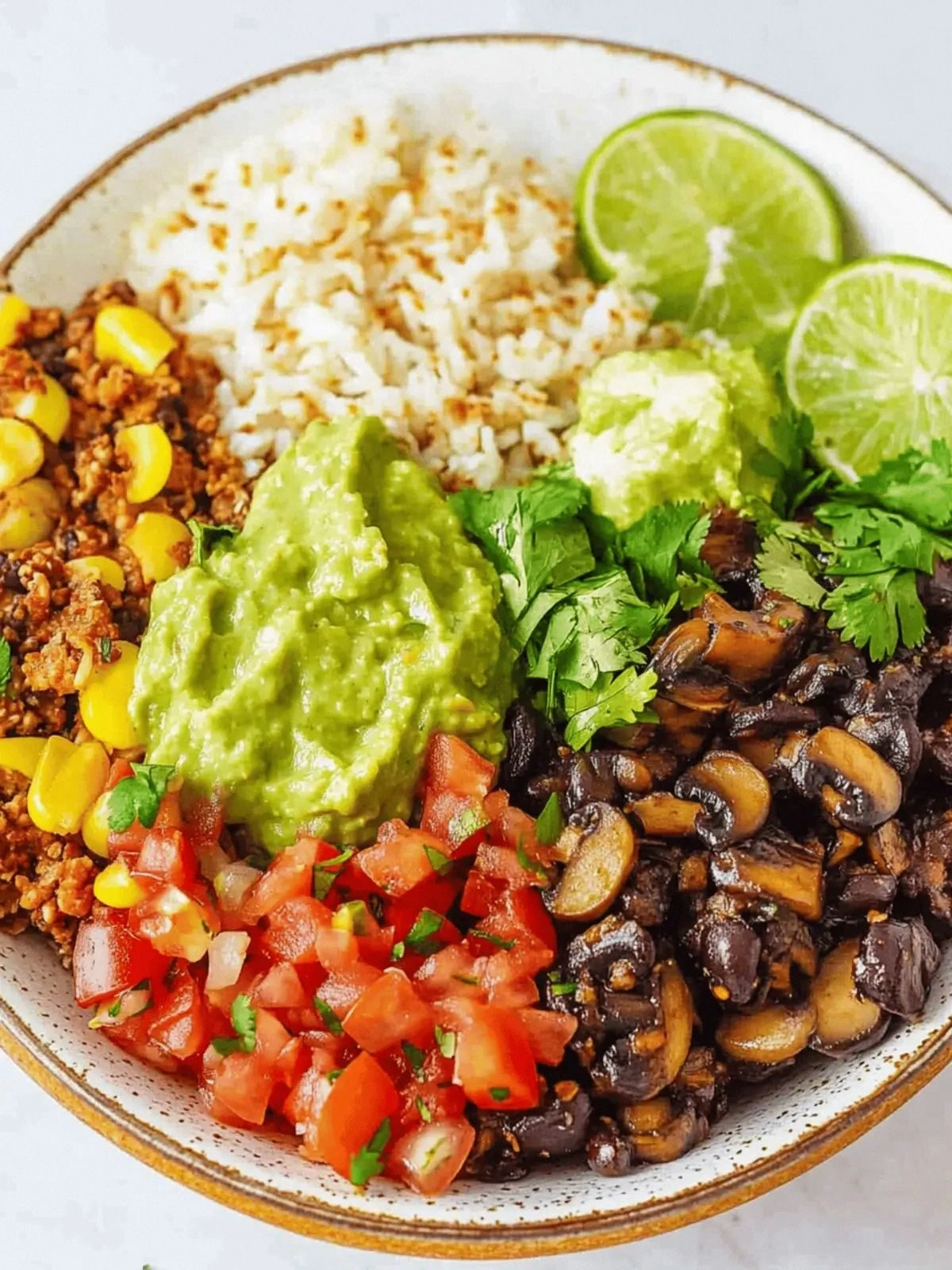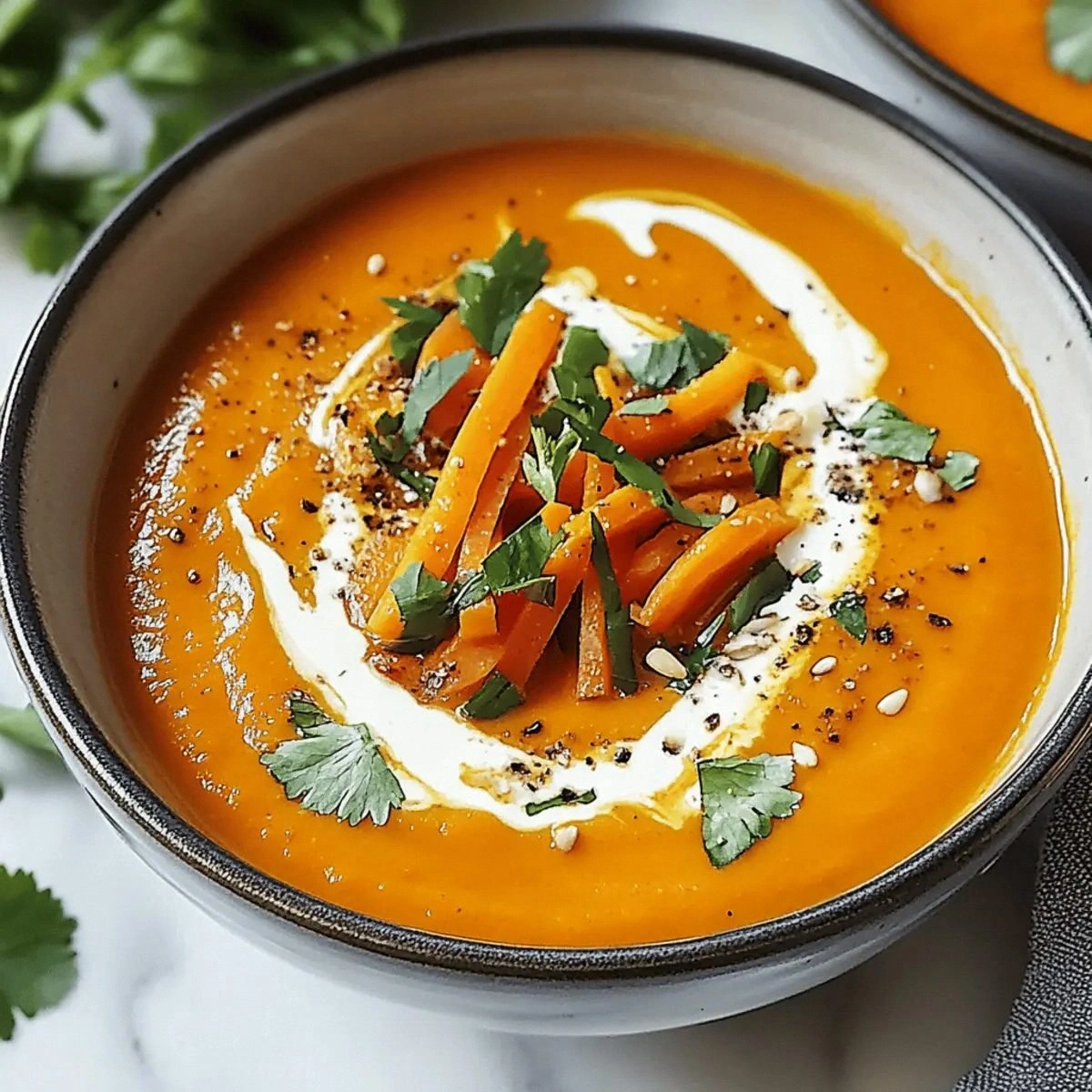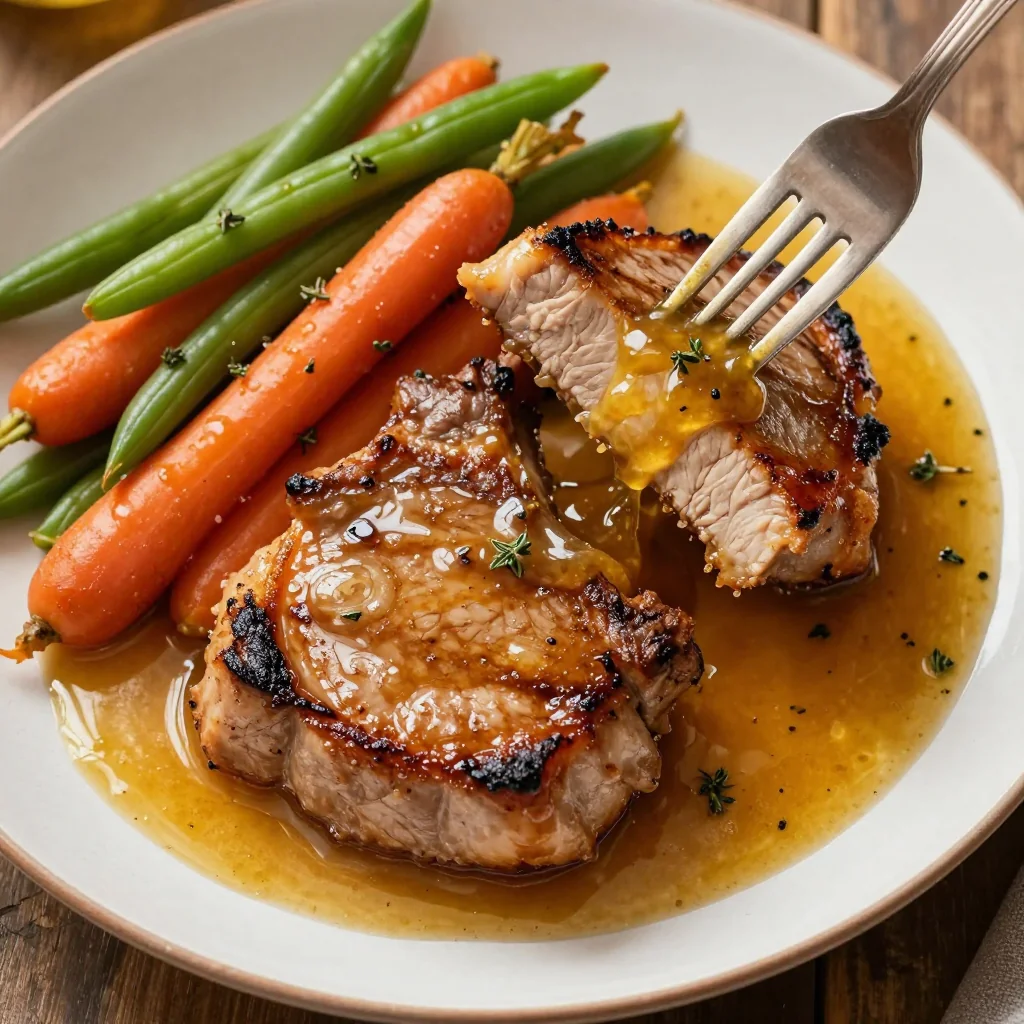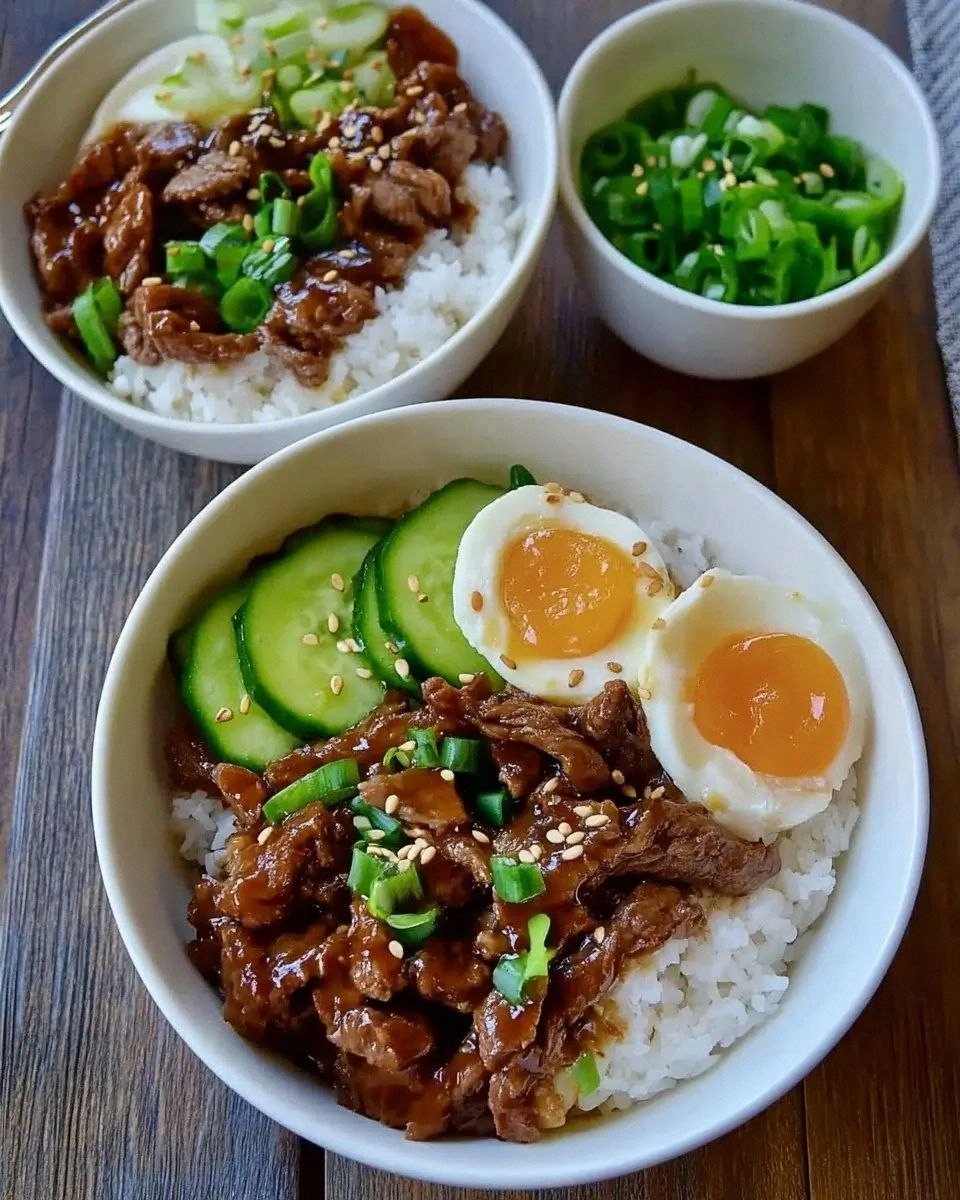
Picture this: it’s a rainy Tuesday, the kind that makes you want to curl up with something comforting, but you’re too lazy to fire up a massive pot of soup. I was staring at a half‑empty fridge, a bag of frozen veggies, and a lonely pack of ground pork that had been whispering, “use me!” when I heard my roommate daring me, “I bet you can’t make an egg roll that doesn’t need a wrapper.” Challenge accepted, and what happened next was a kitchen revelation that still makes my stomach do a little happy dance. The moment the garlic hit the hot oil, the aroma hit my nose like a warm hug from an old friend, and the sizzle sounded like applause at a backstage concert. I’ll be honest — I ate half the batch before anyone else got a chance to try it, and that’s the kind of confession that tells you just how addictive this bowl can be.
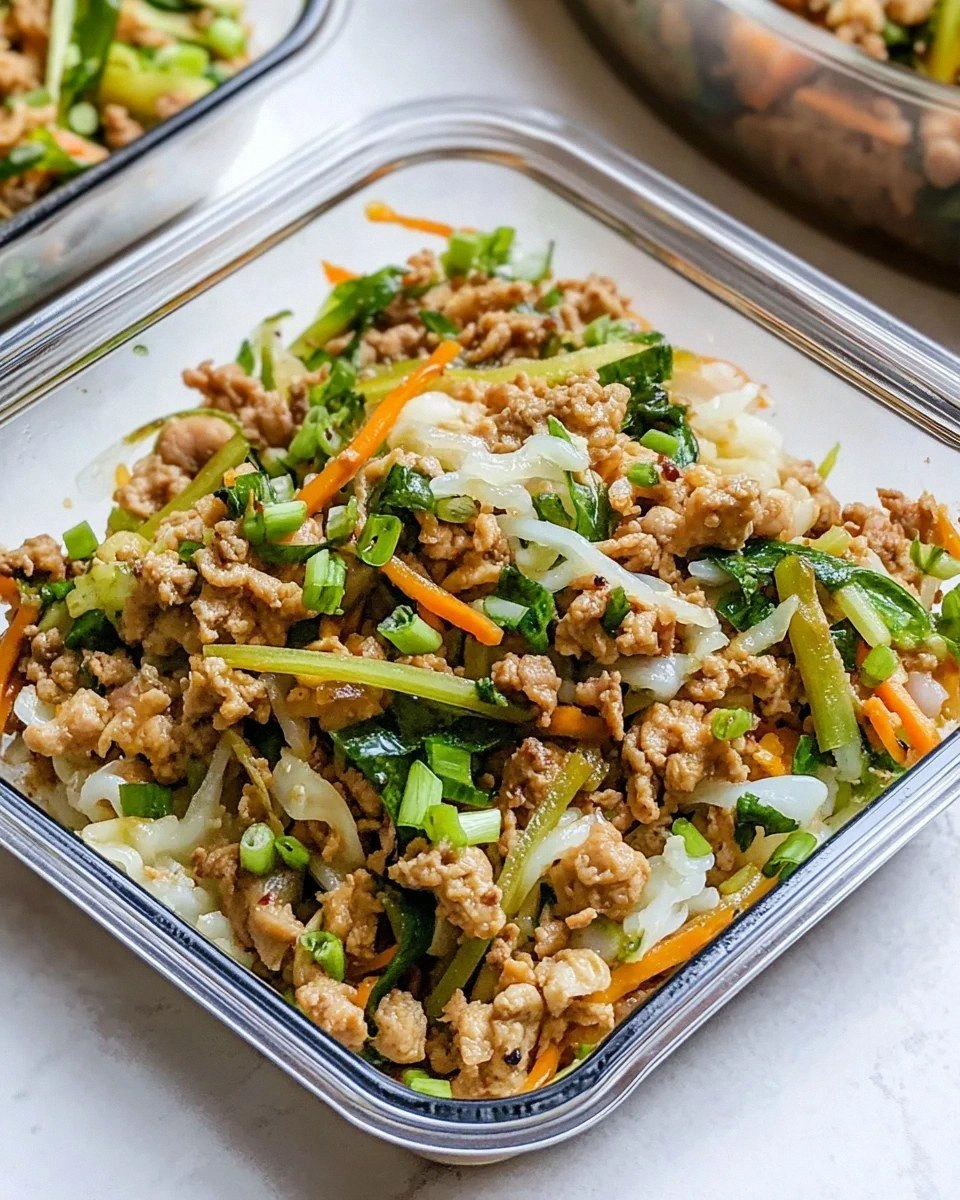
Now, let me paint the full picture: the bowl is a kaleidoscope of colors, from the bright orange of shredded carrots to the deep green of scallions, all nestled in a glossy sauce that clings to every morsel like a second skin. The texture is a symphony—crunchy cabbage that still retains a whisper of bite, tender pork that practically melts in your mouth, and a golden egg ribbon that adds a silky finish. You’ll hear the faint pop of the egg as it hits the pan, feel the heat radiating from the skillet, and taste a perfect balance of salty, sweet, and umami that makes you want to close your eyes and say, “this is hands down the best version you’ll ever make at home.” Most recipes get this completely wrong, either drowning the veggies in sauce or leaving the pork dry; my version fixes those issues with a few clever tricks that I’m about to spill.
What truly sets this bowl apart is a secret ingredient that most people overlook: a splash of sesame oil added at the very end. It’s not just for flavor; it creates a glossy sheen that makes the whole dish look restaurant‑ready, and it adds a nutty depth that transforms the ordinary into the extraordinary. I dare you to taste this and not go back for seconds, because that silky finish is the kind of thing that haunts your palate long after the last bite. And there’s a technique that sounds simple but makes a world of difference: I de‑glaze the pan with a splash of water before adding the soy sauce, which prevents the sauce from scorching and keeps everything evenly coated. Picture yourself pulling this out of the pan, the whole kitchen smelling incredible, and the bowl steaming invitingly in front of you—pure culinary magic.
Okay, ready for the game‑changer? I’m going to walk you through every single step — by the end, you’ll wonder how you ever made an egg roll any other way. Stay with me here — this is worth it. I’ll sprinkle in a few kitchen hacks, a fun fact or two, and a warning about the one thing that can ruin the whole thing if you’re not careful. Let’s dive in and turn a simple pantry raid into a masterpiece that will have everyone begging for the recipe.
What Makes This Version Stand Out
- Flavor Explosion: The combination of soy, oyster, and a dash of sesame oil creates layers of umami that build with each bite, making the dish unforgettable.
- Texture Harmony: Crispy cabbage meets tender pork and silky egg, delivering a mouthfeel that’s both satisfying and surprising.
- Simplicity: All the magic happens in one pan, so cleanup is a breeze and you can focus on the fun part—eating.
- Ingredient Quality: Using fresh, high‑quality pork and crisp, organic vegetables elevates the entire bowl without extra effort.
- Crowd Reaction: I’ve seen grown‑ups and kids alike pause mid‑chew, eyes widening as the flavors hit—this is the kind of dish that sparks conversation.
- Cooking Method: The high‑heat stir‑fry locks in juices while the final splash of water prevents burning, a technique most recipes skip.
- Make‑Ahead Potential: You can prep the veggies and sauce in advance, then finish the bowl in under ten minutes when hunger strikes.
- Versatility: Swap pork for chicken, tofu, or even shrimp, and the dish still shines, making it adaptable to any dietary preference.
Inside the Ingredient List
The Flavor Base
The backbone of this bowl is the aromatic trio of garlic, ginger, and onion. Garlic, when minced fine, releases allicin that instantly lifts the dish, while ginger adds a zingy warmth that cuts through the richness of the pork. Onion provides a subtle sweetness that balances the salty soy and oyster sauces. If you skip any of these, you’ll lose the depth that makes the sauce sing; the dish will taste flat, like a karaoke performance without the vocalist.
The Texture Crew
Cabbage and carrots are the dynamic duo that bring crunch and color. Shredded green cabbage holds up well under high heat, retaining a pleasant bite, and its natural sweetness pairs beautifully with the savory pork. Carrots contribute a bright orange pop and a slight earthiness, and they also add a dose of beta‑carotene for a nutritional boost. If you substitute with lettuce, expect wilted leaves and a soggy texture that will betray the whole concept.
The Unexpected Star
Sesame oil is the secret weapon that most people overlook. Added at the very end, it creates a glossy finish and imparts a nutty aroma that lingers on the palate. A drizzle of this oil transforms a simple stir‑fry into a restaurant‑quality entrée. If you’re allergic or prefer a lighter taste, you can replace it with a splash of toasted peanut oil, but you’ll miss the distinctive sesame whisper.
The Final Flourish
Eggs bring richness and a silky texture that binds the components together. Lightly beaten and poured into the pan, they form delicate ribbons that weave through the pork and veggies, adding a luxurious mouthfeel. Skipping the egg would make the bowl feel dry, like a story missing its climax. For a vegan twist, use scrambled tofu seasoned with a pinch of turmeric for color.
Everything's prepped? Good. Let's get into the real action...
The Method — Step by Step
Heat a large skillet or wok over medium‑high heat and add 2 tablespoons of vegetable oil. When the oil shimmers, it’s ready—think of a calm lake suddenly rippling. Toss in the minced garlic, ginger, and diced onion, and stir‑fry for 30 seconds until the kitchen fills with a fragrant perfume that tells you you’re on the right track. Watch the color—the onion should turn translucent but not brown.
Watch Out: If the garlic burns, it turns bitter and can ruin the entire dish. Keep the heat moving.Crank the heat up a notch and add the ground pork, breaking it apart with a wooden spoon. Let it brown for about 4‑5 minutes, stirring occasionally, until the meat releases its juices and starts to caramelize. You’ll hear a satisfying sizzle that’s the sound of flavor building. Once browned, season with a pinch of salt and pepper, then push the pork to one side of the pan.
Kitchen Hack: Sprinkle a tiny splash of water over the pork as it cooks; it creates steam that keeps the meat juicy.Now, add the shredded cabbage and carrots to the cleared side of the pan. Toss them quickly, letting the high heat give them a light char while preserving crunch. The cabbage should wilt just enough to release a faint sweetness, and the carrots will soften slightly but still snap when you bite. This step should take about 2‑3 minutes—don’t over‑cook, or you’ll lose that coveted crunch.
Mix the pork back in with the veggies, then drizzle in 2 tablespoons of soy sauce, 1 tablespoon of oyster sauce, and a splash of water (about 2 tablespoons). The water is the secret that prevents the sauce from scorching, creating a glossy coating that clings to every ingredient. Stir everything together, letting the sauce simmer for another minute until it thickens slightly and the flavors meld. Tip: Taste at this point; you can add a pinch more soy if you like it saltier.
Push the mixture to the edges of the pan, creating a well in the center. Pour the lightly beaten eggs into the well, letting them sit undisturbed for 10 seconds before you start scrambling. As the eggs begin to set, gently fold them into the rest of the bowl, creating ribbons that weave through the pork and veggies. This is the moment of truth—if the eggs over‑cook, they become rubbery; aim for a soft, custardy texture.
Finish with a drizzle of 1 teaspoon sesame oil and a generous sprinkle of sliced green onions. Toss everything one last time to ensure the sesame oil coats every bite, giving the dish that signature glossy sheen. The green onions add a fresh, slightly sharp bite that lifts the entire bowl.
If you love heat, now’s the time to add 1 teaspoon of sriracha or a dash of chili oil. Stir it in, and watch the sauce turn a tantalizing shade of ruby. This optional step adds a kick that makes the dish unforgettable for spice lovers.
Turn off the heat, let the bowl sit for a minute to allow the flavors to settle, then serve immediately. The dish should steam gently, inviting you to dive in with a spoon or fork. That final aroma? It’s the perfume of a job well done.
Optional garnish: a sprinkle of toasted sesame seeds or a few cilantro leaves for a fresh pop of color. Serve with a side of steamed rice or cauliflower rice if you want extra carbs. And there you have it—an egg roll in a bowl that’s quick, tasty, and utterly satisfying.
Insider Tricks for Flawless Results
The Temperature Rule Nobody Follows
Most home cooks keep the heat low, fearing a burnt mess, but the secret to that perfect caramelized pork is a hot pan. Pre‑heat your skillet for at least a minute before adding oil; the oil should shimmer, not smoke. This high heat sears the meat, locking in juices and creating those coveted brown bits that add depth. I once tried a low‑heat approach and ended up with dry pork that tasted like cardboard—lesson learned. Keep the temperature steady, and the flavor will thank you.
Why Your Nose Knows Best
Don’t rely solely on timers; your sense of smell is the ultimate indicator of doneness. When the pork starts to release a nutty, slightly sweet aroma, you’re close to the perfect sear. Similarly, the moment the sauce hits a subtle, toasty scent, it’s ready to coat the bowl. Trusting your nose prevents over‑cooking and ensures each component hits its flavor peak. I once left the sauce on too long because I was watching the clock, and it turned bitter—never again.
The 5‑Minute Rest That Changes Everything
After you finish cooking, let the bowl rest for about five minutes before serving. This short pause allows the juices to redistribute, so the pork stays moist and the sauce thickens just enough to cling. It’s like letting a good wine breathe; the flavors open up and become more harmonious. Skipping this step can result in a soggy bowl where the sauce pools at the bottom, diminishing the texture.
Veggie Prep Shortcut
Shredding cabbage and carrots can be a chore, but a food processor with a shredding attachment saves you from a mountain of manual work. If you don’t have one, a box grater works just fine—just be sure to keep the strands uniform for even cooking. Uniform pieces also mean they’ll finish at the same time, preserving that perfect crunch.
Spice Balance Mastery
Balancing salty, sweet, and spicy is an art. Start with the base sauces (soy and oyster), then taste before adding heat. A little sriracha goes a long way; you can always add more, but you can’t take it out. If you overshoot, a splash of rice vinegar or a pinch of sugar can rescue the dish, bringing back harmony.
Creative Twists and Variations
This recipe is a playground. Here are some of my favorite ways to switch things up:
Thai‑Inspired Coconut Curry Bowl
Swap soy sauce for 2 tablespoons of red curry paste mixed with coconut milk. Add a handful of Thai basil and a squeeze of lime at the end. The result is a fragrant, slightly sweet bowl with a creamy finish that transports you to a street market in Bangkok.
Tex‑Mex Fiesta
Replace oyster sauce with 1 tablespoon of chipotle in adobo, add black beans, corn, and a dash of cumin. Top with avocado slices and a dollop of sour cream. This version brings smoky heat and a creamy coolness that’s perfect for a weekend binge.
Vegetarian Delight
Swap the pork for firm tofu, pressed and cubed, and add sliced shiitake mushrooms for umami. Use tamari instead of soy for a gluten‑free option. The texture changes, but the dish remains hearty and satisfying.
Breakfast Boost
Serve the bowl over a bed of quinoa, and stir in a handful of spinach just before plating. Add a drizzle of hot sauce for a morning kick. It’s a protein‑packed start that keeps you full through the day.
Spicy Korean Gochujang Twist
Incorporate 1 tablespoon of gochujang paste into the sauce, and finish with toasted sesame seeds and a few strips of kimchi. The tangy, fermented flavor adds depth and a pleasant bite that’s uniquely Korean.
Storing and Bringing It Back to Life
Fridge Storage
Transfer leftovers to an airtight container and store in the refrigerator for up to 3 days. The sauce may thicken as it cools; simply reheat gently and add a splash of water to loosen it back to its original glossy sheen.
Freezer Friendly
For longer storage, portion the cooked bowl into freezer‑safe bags, removing as much air as possible. Freeze for up to 2 months. When ready to eat, thaw overnight in the fridge, then reheat in a skillet with a drizzle of oil and a splash of water to revive the texture.
Best Reheating Method
The stovetop is the champion for reheating. Heat a non‑stick pan over medium heat, add a teaspoon of oil, and toss the bowl for 3‑4 minutes, adding a tiny splash of water halfway through. This steam‑and‑sauté technique restores the original crunch and prevents the veggies from turning mushy.