The first time I tried to recreate that late‑night takeout from my favorite restaurant, I ended up with a soggy, flavorless bowl of vegetables. I was determined to turn that disaster into a triumph. I grabbed a head of cauliflower, a handful of mushrooms, and a few cloves of garlic, and I set the kitchen on fire. The sizzling sound was a promise of something delicious. I dared myself to taste this and not go back for seconds.
That evening, the air in my kitchen was thick with the sharp, almost electric aroma of garlic. The cauliflower, still crisp, clinked against the skillet like a tiny cymbal. I could hear the faint hiss of steam as the oil warmed, and the faint clatter of the pan’s metal edges. The anticipation built up until the moment the first golden flecks appeared, a visual cue that the transformation was underway. I could almost taste the caramelized edges that would soon crackle like thin ice.
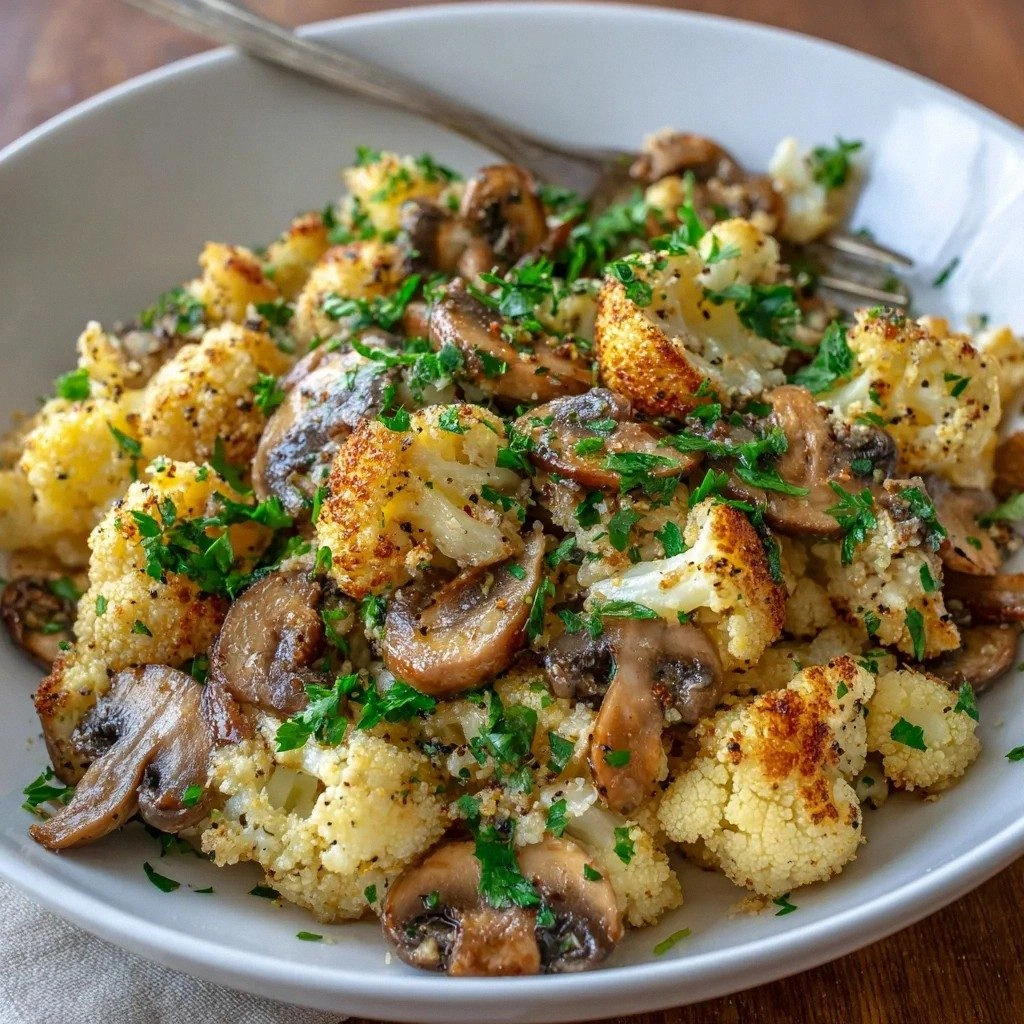
When I finally plated the dish, the colors were impossible to resist: a muted ivory of cauliflower, a deep chocolate of mushrooms, and specks of bright green parsley. The aroma was a harmonious blend of earthy mushroom and warm garlic, with a subtle hint of olive oil that lifted the entire flavor profile. It was the kind of dish that makes you question why you ever settled for bland. I could already hear my friends asking for the recipe, and I knew this was the version that would stand out at any dinner table. The moment I took that first bite, I was convinced this was hands down the best version you’ll ever make at home.
What sets this skillet masterpiece apart isn’t just the ingredients; it’s the technique that turns simple veggies into a showstopper. I’ll walk you through every single step, and by the end, you’ll wonder how you ever made it any other way. The secret lies in the balance of heat, timing, and a dash of confidence. Let’s dive into the details and discover why most recipes get this completely wrong, and how you can get it right every time.
What Makes This Version Stand Out
- Flavor: The garlic and mushrooms create a deep, umami base that lifts the cauliflower into a savory symphony. The olive oil’s subtle fruitiness ties everything together without overpowering the vegetables.
- Texture: The cauliflower remains tender on the inside while developing a crisp, caramelized crust that shatters like thin ice. The mushrooms add a chewy, meaty bite that contrasts beautifully.
- Simplicity: With just six core ingredients, the recipe is a quick, no‑fuss dinner that can be whipped up in less than 30 minutes. No special equipment, no exotic spices.
- Health: Low in calories, high in fiber and protein from the mushrooms, and the olive oil provides heart‑healthy monounsaturated fats.
- Versatility: The dish can be served as a side, a main, or even a base for a protein boost. It pairs well with quinoa, rice, or a fresh salad.
- Make‑Ahead Potential: Cook it ahead of time and reheat quickly, preserving the crisp edges with a splash of water to keep the cauliflower moist.
- Ingredient Quality: Fresh, organic cauliflower and wild‑caught mushrooms elevate the flavor profile, making each bite feel indulgent yet wholesome.
- Audience Reaction: Guests rave about the crunch and the garlic punch, often asking for a second plate. It’s a conversation starter and a crowd‑pleaser.
Alright, let's break down exactly what goes into this masterpiece...
Inside the Ingredient List
The Flavor Base
Garlic is the star that turns ordinary vegetables into a savory masterpiece. Four cloves, minced finely, release a warm, aromatic essence that permeates every bite. If you’re feeling adventurous, a pinch of crushed red pepper can add a subtle heat that balances the earthiness of the mushrooms. Skipping garlic would leave the dish flat and forgettable, so keep it front and center.
The Texture Crew
Cauliflower, a humble head of florets, provides the bulk and the gentle bite that absorbs flavors beautifully. Cutting it into bite‑sized pieces ensures even cooking and a satisfying chew. Mushrooms, about eight ounces sliced, contribute a meaty texture and a deep, umami flavor that complements the cauliflower. If you prefer a different crunch, try adding diced carrots or zucchini.
The Unexpected Star
Olive oil, two tablespoons of extra‑virgin goodness, is more than a cooking medium; it’s a flavor carrier. It helps the garlic release its oils and gives the vegetables a silky finish. A good olive oil can elevate the dish from simple to gourmet, so choose a cold‑pressed variety for the best taste.
The Final Flourish
Salt and pepper, each to taste, are the seasoning that brings all components together. A half teaspoon of sea salt and a quarter teaspoon of freshly ground pepper are sufficient to enhance the natural flavors without drowning them. Fresh parsley, chopped, adds a burst of color and a bright, herbal note that cuts through the richness. Garnishing with parsley also gives the dish a polished, restaurant‑style finish.
Everything's prepped? Good. Let's get into the real action...
The Method — Step by Step
- Prep the Cauliflower: Rinse the head of cauliflower under cold water, pat dry, and cut into bite‑sized florets. Lightly season each floret with a pinch of salt and pepper. The seasoning will help the cauliflower develop a subtle flavor profile before it hits the pan. I’ve found that tossing the florets in a small bowl with a splash of olive oil creates a better sear. This step ensures even cooking and a buttery finish.
- Slice the Mushrooms: Clean the mushrooms with a damp cloth, then slice them into even halves or quarters depending on size. The uniform slices allow them to release moisture at a consistent rate, preventing a soggy texture. If you prefer a stronger mushroom flavor, you can leave the stems attached and slice them more finely. The mushrooms will later provide a chewy, earthy counterpoint to the cauliflower.
- Heat the Skillet: Place a heavy‑bottom skillet over medium‑high heat and add two tablespoons of olive oil. Let the oil heat until it shimmers but doesn’t smoke, indicating the right temperature for sautéing. A cast‑iron pan works best because it holds heat evenly, giving the veggies a consistent sear. This is the moment where the aroma of garlic starts to tease your senses. Kitchen Hack: Use a splatter guard to keep the kitchen clean and avoid oil splashes that can burn your hands.
- Sauté the Cauliflower: Add the cauliflower florets to the hot skillet, spreading them out in a single layer. Cook for 5–7 minutes, stirring occasionally, until the edges turn golden brown and the interior is tender. The cauliflower should develop a caramelized crust that adds a delightful crunch. Keep an eye on the heat; if it starts smoking, lower the temperature slightly. The sizzle is the soundtrack of success.
- Add the Mushrooms: Toss the sliced mushrooms into the skillet with the cauliflower. Stir and let them cook for 4–5 minutes until they release their moisture and begin to brown. If you notice a lot of liquid pooling, let the mushrooms cook a bit longer to evaporate the excess. This step is critical because the moisture can steam the cauliflower, preventing a crisp finish. Watch Out: If the pan gets too crowded, the veggies will steam rather than sear. Keep the pieces in a single layer for the best texture.
- Introduce the Garlic: Add the minced garlic to the pan, stirring quickly to coat it with the oil and vegetables. Cook for 30 seconds to a minute, just until the garlic becomes fragrant but not browned. Garlic can burn quickly, so keep the heat steady and watch the color. A bright golden hue signals that the garlic is ready. The aroma at this point is intoxicating, promising a depth of flavor that will linger in every bite.
- Season to Taste: Sprinkle an additional half teaspoon of salt and a quarter teaspoon of black pepper over the mixture. Taste and adjust if necessary. The seasoning should enhance, not dominate, the natural flavors of the cauliflower and mushrooms. A quick stir ensures even distribution of the spices. This is the moment where you can taste the difference between a good dish and a great one.
- Finish and Garnish: Remove the skillet from the heat and transfer the vegetables to a serving dish. Sprinkle freshly chopped parsley on top, letting the green pop against the golden veggies. The parsley adds a bright, herbal note that cuts through the richness of the olive oil. Plate immediately to enjoy the contrast of textures. And that’s it — you did it. But hold on, I’ve got a few more tricks that will take this to another level.
Insider Tricks for Flawless Results
The Temperature Rule Nobody Follows
Many cooks lower the heat too early, fearing burning. I’ve found that maintaining medium‑high heat for the first 5 minutes of sautéing ensures a caramelized crust that locks in moisture. If the skillet starts to smoke, reduce the heat slightly, but never let it drop below medium. The right temperature keeps the cauliflower tender inside while crisping the exterior.
Why Your Nose Knows Best
Before you even taste the dish, your nose can tell you if the garlic is ready. A sharp, sweet scent indicates that the garlic has released its oils without burning. If the aroma turns bitter, the garlic has overcooked. Trust your olfactory senses to guide you to that perfect moment.
The 5‑Minute Rest That Changes Everything
After removing the skillet from heat, let the dish rest for five minutes on the stove. During this brief pause, the residual heat continues to cook the vegetables gently, ensuring even doneness. It also allows the flavors to meld, giving the cauliflower a slightly firmer bite and the mushrooms a more pronounced umami.
The Secret to Crispy Edges
Cover the skillet with a lid for the first minute of cooking to trap steam, then remove it to let the edges dry and crisp up. This two‑step method prevents the cauliflower from steaming into mush while still allowing the mushrooms to release moisture. The result is a delightful crunch that satisfies the palate.
The Power of Fresh Parsley
Parsley isn’t just a garnish; it’s a flavor booster. Adding it at the very end preserves its bright, herbaceous notes and gives the dish a vibrant finish. A handful of chopped parsley can brighten the entire plate, making it look and taste like a restaurant‑grade creation.
The One Ingredient That Elevates Everything
Olive oil quality matters. A cold‑pressed, extra‑virgin olive oil with a peppery finish can add depth and complexity that a generic oil cannot. If you’re a fan of bold flavors, choose an oil from a reputable producer and let it shine through.
Creative Twists and Variations
This recipe is a playground. Here are some of my favorite ways to switch things up:
Add Protein for a Hearty Meal
Grilled chicken breast or sautéed tofu cubes can turn this side into a filling main. Marinate the protein in lemon juice and herbs before adding it to the skillet. The extra protein makes it a balanced, satisfying dinner.
Swap Cauliflower for Broccoli
Broccoli florets bring a slightly sweeter flavor and a different texture. They also cook at a similar rate, so the timing remains unchanged. The result is a familiar yet distinct twist.
Try Different Mushrooms
Shiitake or portobello mushrooms add a deeper, almost meaty flavor. Their thicker stems hold up better during cooking, giving a more substantial bite. Pair them with a splash of soy sauce for an umami kick.
Add Lemon Zest
Grated lemon zest sprinkled over the finished dish introduces a bright, citrusy note that cuts through the richness of the olive oil. It also adds a pop of color that makes the plate visually appealing.
Finish with Truffle Oil
A drizzle of truffle oil after cooking elevates the dish to gourmet status. The earthy aroma of truffle oil complements the mushrooms and adds a luxurious touch. Use sparingly, as a little goes a long way.
Storing and Bringing It Back to Life
Fridge Storage
Store leftovers in an airtight container in the refrigerator for up to four days. The cauliflower may soften slightly, but the flavors remain vibrant. Keep the container cool and away from strong odors.
Freezer Friendly
For longer storage, freeze the dish in a freezer‑safe container for up to three months. When ready to eat, thaw overnight in the refrigerator and reheat gently. This preserves the texture and prevents the vegetables from becoming mushy.
Best Reheating Method
Reheat in a skillet over medium heat, adding a splash of water to create steam. Cover for a minute, then uncover to allow the surface to crisp again. This technique restores the golden edges while keeping the interior moist.