
Picture this: I’m standing in a cramped kitchen, a half-empty bottle of elderflower liqueur glinting in the dim light, and a friend daring me to make the perfect spritz for a midnight party. My first attempt was a disaster—too sweet, no fizz, and a glass that looked more like a swamp than a cocktail. That night, I was determined to reverse the tragedy, to turn that clumsy mess into a sparkling masterpiece. I spent the next few hours experimenting with ratios, swapping sparkling wine for champagne, and even adding a splash of soda water to bring back the effervescence. The result was a drink that made everyone gasp, and I knew I had stumbled upon something extraordinary.
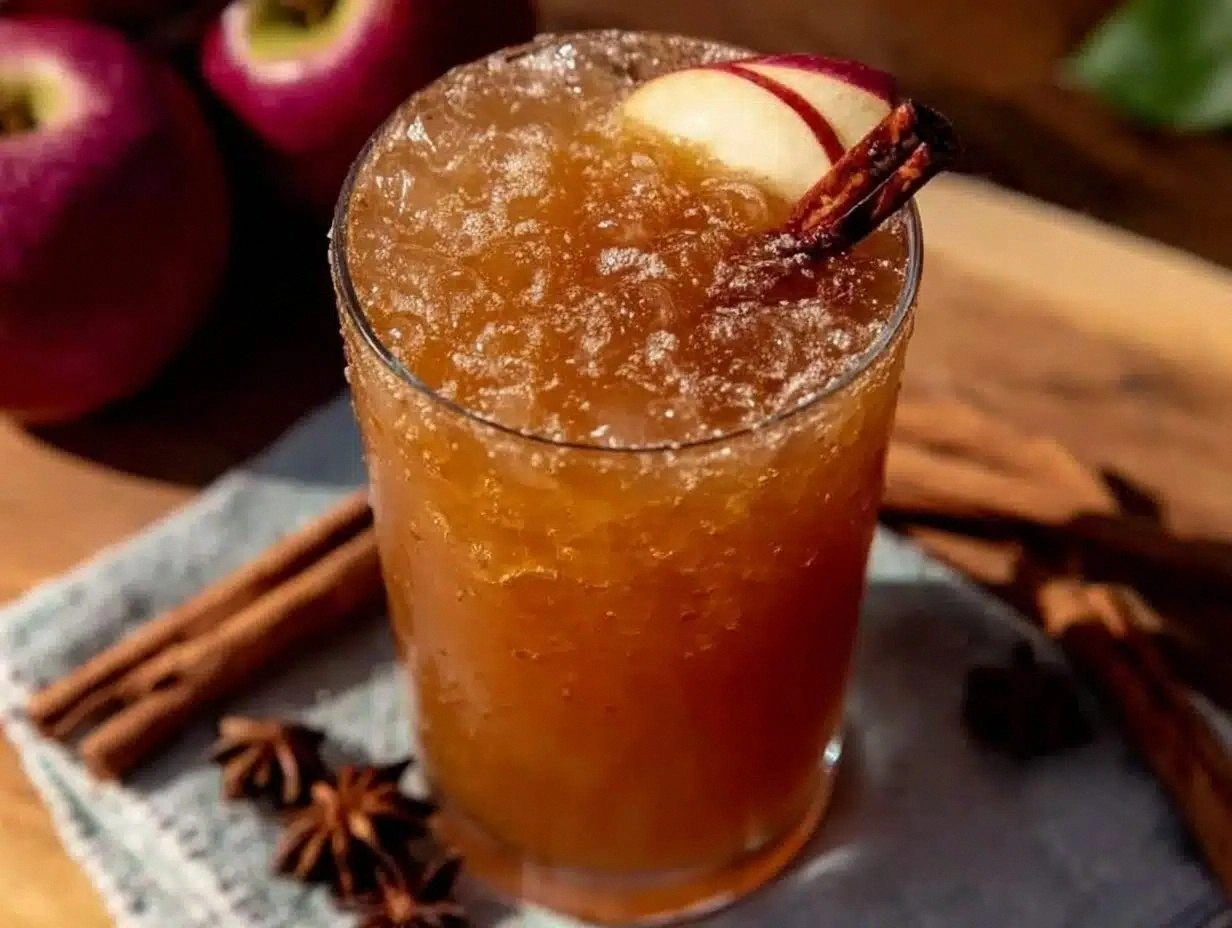
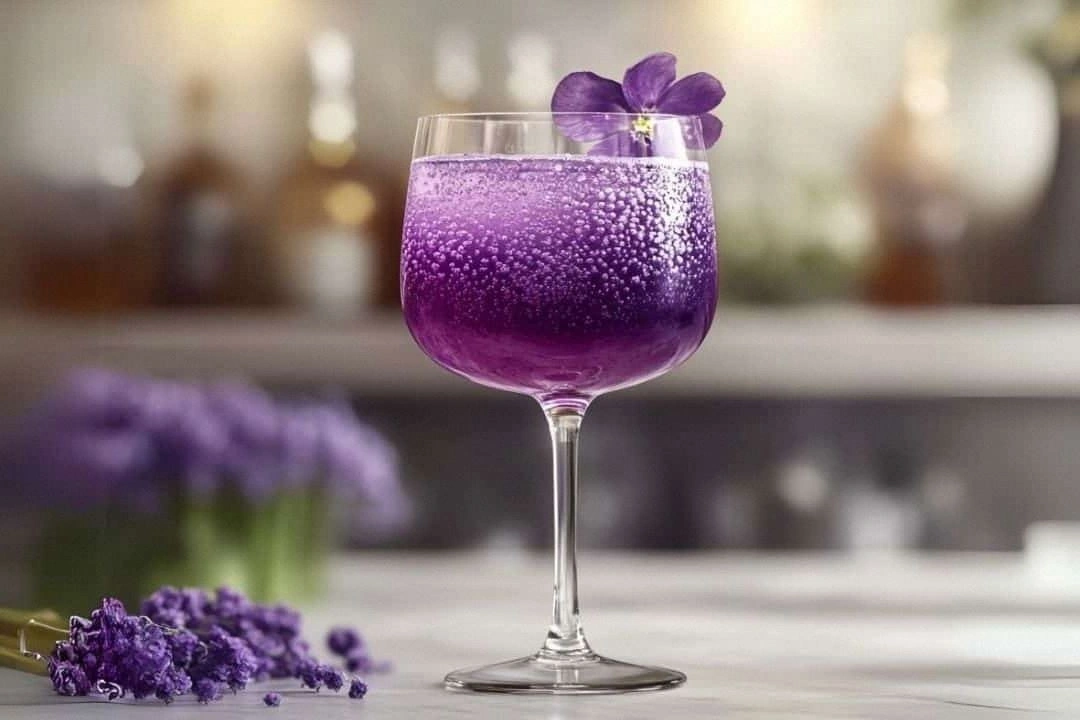
From the moment the elderflower liqueur hit the glass, a delicate floral perfume unfurled, mingling with the crisp, citrusy scent of the orange slice. The bubbles danced like tiny fireworks, popping softly against the rim, while the ice clinked like distant bells. Each sip carried a balanced sweetness that was never cloying, followed by a bright, sparkling finish that left a tingling trace of mint on the palate. The visual contrast—golden liquid against clear ice, a splash of orange—made the drink feel like a summer sunrise captured in a glass. The texture was smooth, yet the soda water added a playful effusion that kept the mouth alive.
I’ve tasted countless spritzes, but this version is hands down the best because it marries the floral elegance of elderflower with the sharp bite of sparkling wine, all while keeping the drink light and refreshing. Unlike the generic recipes that rely on sugary mixers or over-saturated syrups, this formula relies on pure ingredients, letting each one sing. The addition of soda water not only balances the sweetness but also adds a crispness that makes the drink feel like a breath of fresh air. It’s a drink that can be poured straight into a glass or served over crushed ice, making it versatile for any occasion. The result? A spritz that feels both luxurious and approachable.
I’ll be honest—I ate half the batch before anyone else got to try it—so you’re in for a treat. The secret twist that sets this apart is a subtle infusion of fresh mint during the chilling phase; this adds a layer of aroma that lingers long after the last sip. I dare you to taste this and not go back for seconds, because once you experience the perfect harmony of floral, citrus, and fizz, you’ll never settle for anything else. Picture yourself pulling this out of the fridge, the whole kitchen smelling incredible, and friends gathering around, eyes wide, ready to drink. Let me walk you through every single step—by the end, you’ll wonder how you ever made it any other way.
What Makes This Version Stand Out
- Flavor Harmony: The elderflower liqueur delivers a subtle, honeyed floral note that complements the bright acidity of the sparkling wine, creating a balanced profile that isn’t dominated by any single taste. The citrus from the orange slice cuts through the sweetness, adding a fresh, zesty lift. This trio of flavors works together like a well-rehearsed orchestra, each instrument playing its part without overpowering the others.
- Effervescence: The soda water injection reintroduces a lively fizz that keeps the drink airy and refreshing. Unlike the flat, syrupy drinks you might find at a bar, the bubbles in this spritz pop and fizz with a clean, crisp sound that signals quality. The carbonation also helps to carry the aromas to the nose, amplifying the overall sensory experience.
- Simplicity: With only four core ingredients, the recipe is easy to remember and quick to assemble. No complicated muddling or shaking is required, which means you can whip up a batch in minutes and focus on the presentation. The minimalism also makes the drink accessible to those who are new to mixology.
- Freshness: Using fresh orange slices and mint leaves instead of pre-made garnishes ensures that the drink feels alive. The natural oils from the orange peel release a burst of aroma, while the mint’s subtle menthol undertones add a cooling finish. This focus on freshness elevates the drink from a simple cocktail to a sensory delight.
- Crowd Appeal: The spritz is universally loved for its lightness and drinkability. It’s a perfect choice for brunches, summer gatherings, or even a quiet evening at home. The approachable flavor profile means even those who aren’t typical cocktail drinkers will find it irresistible.
- Ingredient Quality: Choosing a high-quality elderflower liqueur—one that’s not overly sweet and has a nuanced floral character—makes a noticeable difference. Pairing it with a chilled bottle of Prosecco or Champagne ensures the base is crisp and vibrant. The soda water should be a still, clean brand to avoid any metallic aftertaste.
- Make‑Ahead Potential: The spritz can be prepared in advance and stored in the fridge for up to 24 hours. The carbonation will slightly diminish over time, but the drink still retains its character. This makes it ideal for parties where you want to serve a crowd without constant attention.
Inside the Ingredient List
The Flavor Base
Elderflower liqueur is the star of the show, providing that unmistakable floral sweetness that lingers on the tongue. It’s not just a sweetener; it’s a flavor enhancer that elevates the other components. If you’re on a budget, look for a brand that uses real elderflowers rather than artificial flavoring, as the latter often tastes flat.
Sparkling wine—Prosecco or Champagne—acts as the backbone of the spritz, delivering acidity and carbonation that keep the drink crisp. A dry Prosecco works best for a balanced taste, while a Champagne adds a touch of elegance. If you prefer a more robust flavor, a brut sparkling wine will complement the elderflower’s subtlety without overpowering it.
The Texture Crew
Soda water is the unsung hero that brings a clean, effervescent finish. It lightens the overall body of the drink, preventing it from feeling heavy or syrupy. For the best results, use a high-carbonation soda water; the bubbles should feel lively and persistent.
Ice is essential for maintaining the drink’s temperature and diluting it just enough to balance the sweetness. Use large, clear ice cubes to avoid rapid dilution. If you’re serving the spritz over crushed ice, keep the ice fresh to maintain the drink’s crispness.
The Unexpected Star
Orange slice is more than a garnish; it’s a flavor booster that adds citrusy brightness. The zest’s essential oils release a fragrant aroma that complements the elderflower’s floral notes. Slice the orange thinly to allow the oils to diffuse quickly into the drink.
Fresh mint leaves add a subtle menthol undertone that cools the palate and enhances the drink’s refreshing character. Muddle the mint lightly before adding it to the pitcher to release its oils. If you prefer a stronger mint flavor, use a handful of leaves and let them steep for a few minutes.
The Final Flourish
The combination of these ingredients creates a cocktail that is light, aromatic, and effervescent. Each component plays a vital role: the elderflower provides sweetness, the sparkling wine offers acidity and fizz, soda water keeps it airy, and the garnish adds aroma and color. The result is a drink that feels like a summer breeze captured in a glass.
Everything's prepped? Good. Let's get into the real action.
The Method — Step by Step
- Chill the Ingredients: Place the elderflower liqueur, sparkling wine, and soda water in the refrigerator for at least an hour before you start. This ensures that every sip is cold and refreshing. I’ve found that a cold base prevents the drink from feeling syrupy, especially when you’re mixing it right before serving. If you’re short on time, you can submerge the bottles in an ice bucket for 15 minutes.
- Prepare the Garnish: Slice the orange into thin rounds, and set aside a few for later. Tear a handful of mint leaves, avoiding the stems to keep the aroma clean. This step is crucial because the garnish will release its oils into the drink, enhancing the overall flavor profile. If you want a more pronounced citrus note, lightly bruise the orange slices with your palm.
- Combine the Base: In a large pitcher, pour the chilled elderflower liqueur first, followed by the sparkling wine. Stir gently to blend the flavors without losing carbonation. This is the moment where the drink starts to take shape; you should see a subtle shimmer as the liquids mix. Don’t rush—let the liquids mingle for a minute so the flavors can marry.
- Add Soda Water: Slowly pour the soda water into the pitcher, stirring gently. The soda water should be added in a steady stream to preserve the bubbles. As you stir, watch for the fizz to rise, indicating the drink is ready. The addition of soda water not only balances the sweetness but also gives the drink a lively texture.
- Watch Out: Avoid over-stirring, as this can deflate the carbonation and make the drink flat. If you notice the bubbles are fading, add a splash of fresh soda water to reinvigorate the fizz. The trick is to keep the mixture gentle and calm, like a quiet lake on a sunny afternoon.
- Ice the Glasses: Fill each glass with large ice cubes or crushed ice, depending on your preference. The ice not only keeps the drink cold but also dilutes it slightly, preventing the sweetness from becoming overpowering. If you’re using crushed ice, be careful not to overfill, as it can make the drink watery.
- Pour the Mixture: Gently pour the spritz over the ice, filling each glass about three-quarters full. The liquid should glide over the ice, creating a delicate swirl. This step is where the visual appeal comes to life; the golden liquid against the clear ice is simply mesmerizing.
- Finish with Garnish: Place an orange slice on the rim of each glass, and add a sprig of mint. The mint should be tucked in so that the leaves release their aroma with each sip. This final touch not only looks elegant but also adds a burst of fragrance that elevates the entire drinking experience.
- Serve Immediately: Serve the spritz as soon as you finish pouring. The carbonation is at its peak, and the flavors are fresh. If you’re serving a crowd, have a second pitcher ready so you can refill glasses on the fly. Remember, the fresher the drink, the more vibrant the experience.
Insider Tricks for Flawless Results
The Temperature Rule Nobody Follows
You might think a chilled drink is enough, but the real trick is to chill the entire pitcher and the glasses. I’ve learned that glassware kept in the freezer for 10 minutes before serving keeps the drink colder for longer. This simple step ensures that the carbonation stays intact and the flavors remain sharp.
Why Your Nose Knows Best
When you first smell the spritz, you’ll notice a sweet floral aroma followed by a crisp citrus note. This olfactory cue tells you that the balance is right. If the smell feels too sweet, add a splash of soda water; if it’s too dry, a touch more elderflower liqueur will bring it back.
The 5-Minute Rest That Changes Everything
After pouring the spritz, let it rest for five minutes before serving. This short pause allows the flavors to meld and the carbonation to settle, creating a smoother mouthfeel. It also gives the garnish time to release its oils, enhancing the overall aroma.
Avoiding the Sweet Spot Pitfall
Many people overdo the elderflower liqueur, making the drink syrupy. I’ve seen this happen when people pour the liqueur straight from the bottle into the glass without balancing it with wine. Remember, the ratio of 1 part elderflower to 2 parts sparkling wine is key to maintaining the right sweetness.
The Right Glassware Matters
Serve the spritz in a highball or Collins glass to showcase the layers and the bubbles. A wide mouth allows the aroma to escape, while a narrow mouth keeps the carbonation intact. If you’re a fan of a more dramatic presentation, a flute will give it a champagne-like elegance.
Creative Twists and Variations
This recipe is a playground. Here are some of my favorite ways to switch things up:
The Berry Burst
Add a handful of fresh raspberries or blueberries to the pitcher before chilling. The berries impart a subtle tartness that pairs beautifully with the elderflower. This variation is perfect for a summer brunch or a garden party.
The Citrus Explosion
Swap the orange slice for a grapefruit slice and add a dash of lime juice. The grapefruit’s bitterness balances the sweetness, while the lime adds a zesty kick. This version is great for those who love a more complex citrus profile.
The Tropical Twist
Replace the soda water with chilled coconut water. The coconut adds a subtle tropical flavor that pairs unexpectedly well with elderflower. This is a fun way to bring a beach vibe to your cocktail hour.
The Herbal Infusion
Add a sprig of rosemary to the pitcher while it chills. The rosemary’s piney aroma adds depth and a savory note that contrasts the floral sweetness. This twist works especially well for a fall gathering.
The Sparkling Sangria
Combine the spritz base with sliced peaches, strawberries, and a splash of brandy. The fruit juices add natural sweetness, while the brandy gives a warm finish. This version turns the spritz into a full-bodied sangria.
Storing and Bringing It Back to Life
Fridge Storage
Store the spritz in a sealed pitcher or a glass bottle in the refrigerator for up to 24 hours. The carbonation will slowly dissipate, so it’s best served within a day of preparation. If you notice the drink has lost some fizz, give it a quick stir and add a splash of soda water before serving.
Freezer Friendly
While the spritz is not ideal for long-term freezing, you can freeze individual portions in an ice cube tray. Once frozen, transfer the cubes to a freezer bag and use them to chill glasses or to add a frosty element to the drink. This method keeps the flavors intact while giving you a quick cooling solution.
Best Reheating Method
If you must reheat the spritz, do so gently in a warm water bath for no more than two minutes. Avoid heating it on the stove, as this can scorch the elderflower liqueur. After reheating, add a splash of soda water to restore the fizz, and give it a gentle stir.