Love this? Pin it for later! 📌
Why This Recipe Works
- Moisture Magic: A combination of grated onion, finely diced bell pepper, and Greek yogurt ensures every slice stays incredibly moist without being mushy.
- Flavor Explosion: Fresh herbs, Worcestershire sauce, and a touch of Dijon create layers of umami that make you forget this is the "healthy" version.
- Perfect Texture: The right ratio of breadcrumbs to liquid ingredients creates a tender, sliceable loaf that holds together beautifully.
- Glaze That Wows: The brown sugar glaze develops a gorgeous caramelized crust that adds the perfect sweet-savory finish.
- Meal Prep Champion: This meatloaf tastes even better the next day and freezes beautifully for up to 3 months.
- Family-Approved: Kid-tested and approved—my vegetable-hating nephew devours this without realizing he's eating bell peppers and onions.
- One-Bowl Wonder: Everything mixes in one bowl, meaning minimal cleanup and maximum efficiency on busy weeknights.
Ingredients You'll Need
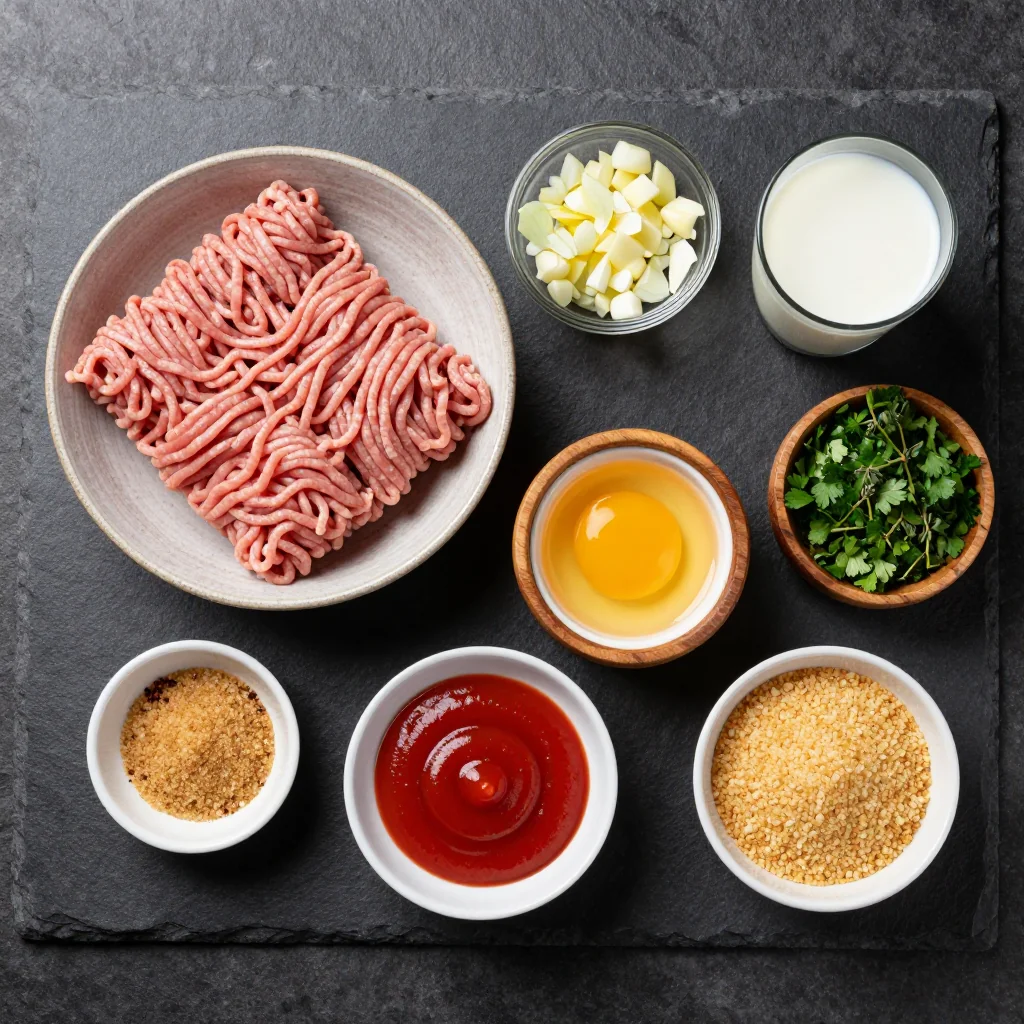
Before we dive into the cooking process, let's talk about each ingredient and why it matters. Quality ingredients make all the difference in creating a meatloaf that'll have everyone asking for the recipe.
For the Meatloaf:
- Ground Turkey (93/7 lean): I prefer 93% lean for the perfect balance—lean enough to be healthy but with enough fat to stay moist. Avoid 99% fat-free turkey, which tends to dry out. If you can only find extra-lean turkey, add 2 tablespoons of olive oil to compensate.
- Yellow Onion: Grated onion releases more moisture than diced, and it practically melts into the meatloaf. In a pinch, sweet onion works too. Pro tip: grate directly over the bowl to catch all those flavorful juices.
- Bell Pepper: I use red for sweetness and color, but orange or yellow work beautifully. Green bell pepper adds a more traditional flavor if you prefer. Finely dice it so it integrates seamlessly.
- Garlic: Fresh is best here—2 large cloves minced fine. In a time crunch, ½ teaspoon garlic powder works, but fresh really makes a difference.
- Plain Greek Yogurt: This is our secret weapon for moisture! Full-fat works best, but 2% is fine. Don't use non-fat—it can make the meatloaf rubbery. Sour cream is an acceptable substitute.
- Old-Fashioned Oats: These provide structure while keeping it gluten-free. Pulse them briefly in a food processor if you want a finer texture. Quick oats work in a pinch, but avoid instant oatmeal.
- Parmesan Cheese: Freshly grated, not the powdered stuff in a can. It adds incredible umami depth. Pecorino Romano is a delicious alternative.
- Fresh Herbs: A combination of parsley and thyme gives that "made from scratch" flavor. In winter, use ⅓ the amount of dried herbs.
- Worcestershire Sauce: This is the flavor backbone—don't skip it! Coconut aminos work for a soy-free version.
- Dijon Mustard: Adds subtle tang and helps emulsify the mixture. Stone-ground works too.
For the Brown Sugar Glaze:
- Light Brown Sugar: Pack it firmly for the right sweetness balance. Dark brown sugar works but will be more molasses-forward.
- Ketchup: Use a good quality ketchup as the base. Look for brands without high-fructose corn syrup if possible.
- Apple Cider Vinegar: Adds necessary acid to balance the sweetness. White wine vinegar is a good substitute.
How to Make Healthy Turkey Meatloaf with Brown Sugar Glaze
Prep Your Pan and Preheat
Preheat your oven to 375°F (190°C). Line a rimmed baking sheet with parchment paper or foil for easy cleanup. Avoid using a loaf pan—it steams the bottom and prevents that gorgeous crust from forming. If you only have a loaf pan, place it on a baking sheet and don't pack the mixture too tightly.
Sauté the Vegetables
Heat 1 tablespoon olive oil in a skillet over medium heat. Add the diced bell pepper and cook for 3-4 minutes until it starts to soften. Add the grated onion and cook another 2 minutes until translucent but not browned. This step removes excess moisture and develops sweetness. Transfer to a large bowl and let cool slightly—hot vegetables will start cooking the turkey prematurely.
Create the Binding Mixture
To the cooled vegetables, add Greek yogurt, Worcestershire sauce, Dijon mustard, minced garlic, beaten eggs, salt, pepper, and thyme. Whisk everything together until well combined. This ensures even distribution of flavors and prevents over-mixing the turkey later.
Add Dry Ingredients
Stir in the oats, grated Parmesan, and chopped parsley. Let this mixture sit for 5 minutes so the oats can absorb some liquid. This prevents a soggy meatloaf and helps everything bind together properly.
Incorporate the Turkey
Add the ground turkey to the bowl. Using your hands (the best tools for this job), gently mix just until everything is combined. Over-mixing creates a dense, tough texture—think of it like making muffins. The mixture should be moist but hold together when you squeeze a handful.
Shape with Care
Transfer the mixture to your prepared baking sheet. Shape into a loaf about 9x5 inches and 2 inches high. Don't pack it too tightly—gentle shaping prevents a dense texture. Create a slight indentation down the center; this helps the loaf cook evenly and prevents cracking.
First Bake Without Glaze
Bake for 25 minutes. This initial baking sets the shape and allows some fat to render out. Starting without glaze prevents it from burning while the interior cooks.
Prepare the Glaze
While the meatloaf bakes, whisk together brown sugar, ketchup, and apple cider vinegar in a small bowl. The vinegar is crucial—it cuts through the sweetness and creates that restaurant-quality balance.
Glaze and Finish
After 25 minutes, remove the meatloaf and brush with half the glaze. Return to oven for 15 minutes, then brush with remaining glaze. Bake 10-15 minutes more until the internal temperature reaches 165°F (74°C) at the thickest part.
The All-Important Rest
Let the meatloaf rest for 10 minutes before slicing. I know it's tempting to dig in immediately, but this rest allows juices to redistribute, preventing a crumbly, dry slice. Tent loosely with foil to keep warm.
Expert Tips
Temperature Matters
Invest in an instant-read thermometer. Turkey can dry out quickly if overcooked. Remove from oven at 160°F—it'll rise to 165°F while resting.
Moisture Boost
Add 2 tablespoons of milk if your turkey seems very lean. The extra fat helps prevent dryness without adding many calories.
Sharp Knife Success
Use a serrated knife to slice. It cuts through without compressing the loaf, giving you beautiful, clean slices for serving.
Make-Ahead Magic
Mix everything the night before, shape, cover tightly, and refrigerate. Let sit at room temperature 30 minutes before baking.
Glaze Timing
Don't glaze too early or it will burn. Wait until the last 20-25 minutes of cooking for that perfect caramelized finish.
Even Cooking
Create a slight well in the center of your loaf. This prevents the dreaded "meatloaf dome" and ensures even cooking throughout.
Variations to Try
Spicy Southwest
Replace bell pepper with poblano, add 1 minced chipotle in adobo, and use pepper jack cheese. Add cumin and coriander to the mix.
Mediterranean Style
Add sun-dried tomatoes, swap parsley for oregano, use feta cheese, and add lemon zest. Serve with tzatziki instead of ketchup.
Apple & Sage
Add ½ cup finely diced apple and swap thyme for fresh sage. Use apple butter in the glaze instead of ketchup for autumn vibes.
Breakfast Meatloaf
Add maple syrup to the glaze, include breakfast sausage (half turkey, half pork), and serve with eggs for a hearty morning meal.
Storage Tips
Refrigerator Storage
Cool completely, then wrap tightly in plastic wrap or store in an airtight container. It keeps beautifully for up to 4 days in the refrigerator. The flavors actually meld and improve after the first day, making leftovers something to look forward to.
Pro tip: Store slices between layers of parchment paper to prevent them from sticking together.
Freezer Instructions
This meatloaf freezes exceptionally well. Wrap individual slices or the whole loaf (once completely cooled) in plastic wrap, then aluminum foil. Freeze for up to 3 months. Thaw overnight in the refrigerator and reheat in a 300°F oven covered with foil until warmed through.
For quick meals, freeze slices on a baking sheet first, then transfer to a freezer bag—this prevents them from sticking together.
Reheating Methods
Oven (Best): Place slices in a baking dish with 2 tablespoons broth or water, cover with foil, and heat at 300°F for 15-20 minutes.
Skillet: Heat a skillet over medium, add a splash of broth, cover, and heat 3-4 minutes per side.
Microwave (Fastest): Place on a microwave-safe plate, cover with a damp paper towel, and heat 60-90 seconds. Don't overdo it or it'll dry out.
Make-Ahead Options
Partial Prep: Dice vegetables up to 3 days ahead and store refrigerated. Mix dry ingredients in a jar.
Full Prep: Assemble the meatloaf completely, cover tightly with plastic wrap, and refrigerate up to 24 hours before baking.
Cook and Reheat: Bake completely, cool, refrigerate, and reheat slices as needed throughout the week.
Frequently Asked Questions
Absolutely! Ground chicken works beautifully and has a slightly milder flavor. Use ground chicken thigh if possible—it has more fat than breast meat, keeping your meatloaf moist. If using ground chicken breast, add an extra tablespoon of olive oil to compensate for the leanness. Cooking time remains the same.
This usually happens due to one of three issues:
- Too much moisture: Make sure to sauté vegetables first and drain excess liquid
- Not enough binder: Ensure you're using the correct amount of oats and eggs
- Over-mixing: Mix just until combined—overworking develops proteins and creates a tough texture
Of course! The meatloaf is delicious on its own. Try these alternatives:
- Brush with a simple mixture of ketchup and balsamic vinegar
- Serve with mushroom gravy or marinara sauce
- Top with crispy fried onions for texture
- Mix ketchup with sriracha for a spicy kick
The most reliable method is using an instant-read thermometer. Insert it at the thickest part of the loaf—it should read 165°F. Other signs of doneness:
- The juices should run clear when you insert a knife
- The loaf should feel firm but springy when pressed
- It should pull away slightly from the sides of the pan
Yes! Mini meatloaves are fantastic for portion control and faster cooking. Divide the mixture into 6-8 portions and shape into individual loaves. Bake at 375°F for 20-25 minutes, glazing during the last 8-10 minutes. They're done when they reach 165°F—check after 20 minutes as they cook faster than one large loaf.
This versatile meatloaf pairs beautifully with:
- Garlic mashed potatoes or cauliflower mash
- Green beans almondine or roasted Brussels sprouts
- Mac and cheese for the ultimate comfort meal
- A simple green salad with vinaigrette
- Roasted root vegetables for a healthy option
Leftovers make incredible sandwiches—try them on crusty bread with extra glaze as a spread!
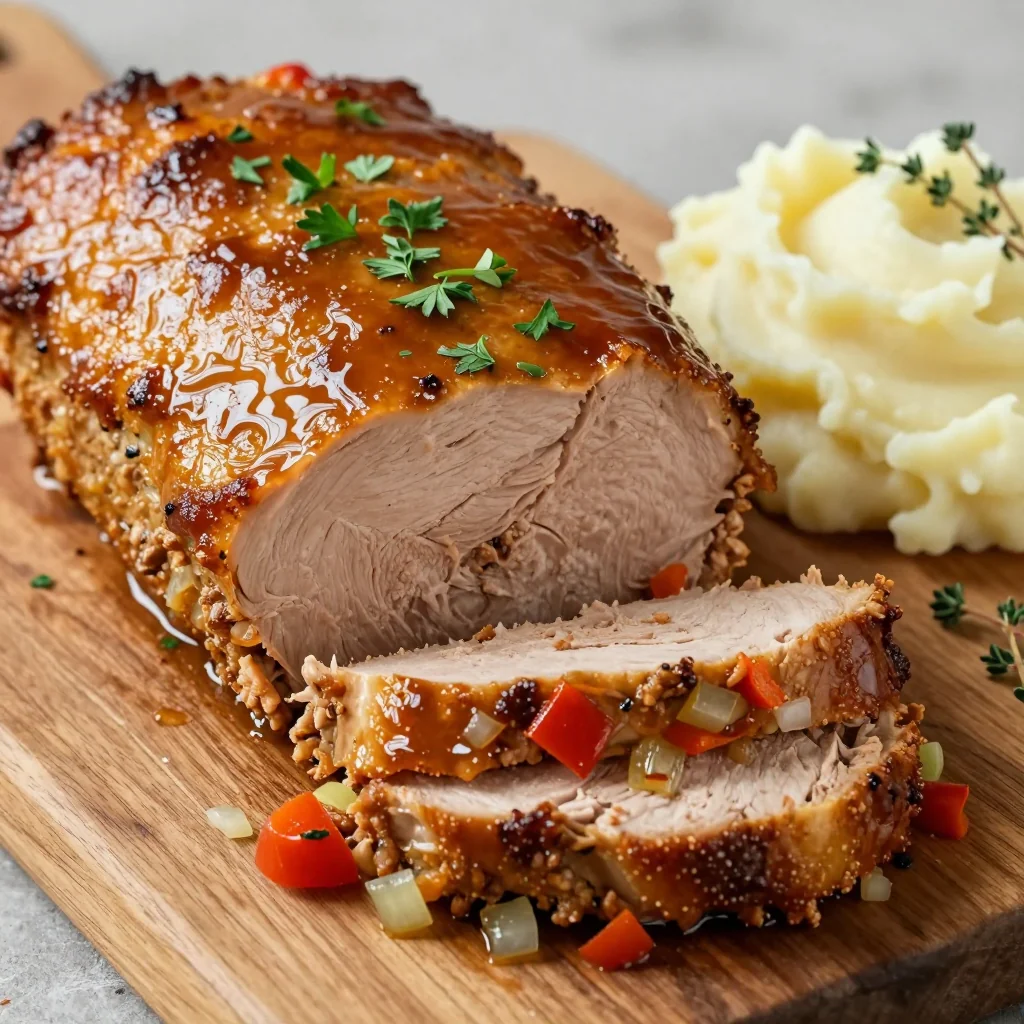
Healthy Turkey Meatloaf with Brown Sugar Glaze
Ingredients
For the Brown Sugar Glaze:
Instructions
- Preheat and Prep: Preheat oven to 375°F. Line a rimmed baking sheet with parchment paper. Heat olive oil in a skillet over medium heat.
- Sauté Vegetables: Cook diced bell pepper for 3-4 minutes, add grated onion, cook 2 minutes more until softened. Transfer to a large bowl and cool slightly.
- Mix Wet Ingredients: To the vegetables, add Greek yogurt, Worcestershire sauce, Dijon, garlic, eggs, salt, pepper, and thyme. Whisk until combined.
- Add Dry Ingredients: Stir in oats, Parmesan, and parsley. Let sit 5 minutes for oats to absorb liquid.
- Add Turkey: Add ground turkey and mix gently with hands just until combined. Don't over-mix.
- Shape: Transfer to prepared baking sheet and shape into a 9x5-inch loaf, about 2 inches high. Create a slight indentation down the center.
- First Bake: Bake for 25 minutes without glaze.
- Prepare Glaze: While baking, whisk together brown sugar, ketchup, and vinegar.
- Glaze and Finish: After 25 minutes, brush with half the glaze. Bake 15 minutes more, brush with remaining glaze, and bake 10-15 minutes until internal temperature reaches 165°F.
- Rest and Serve: Let rest 10 minutes before slicing. This ensures juicy, tender slices.
Recipe Notes
For extra moist meatloaf, don't skip the resting time after baking. This allows juices to redistribute throughout the loaf. Leftovers make incredible sandwiches the next day!