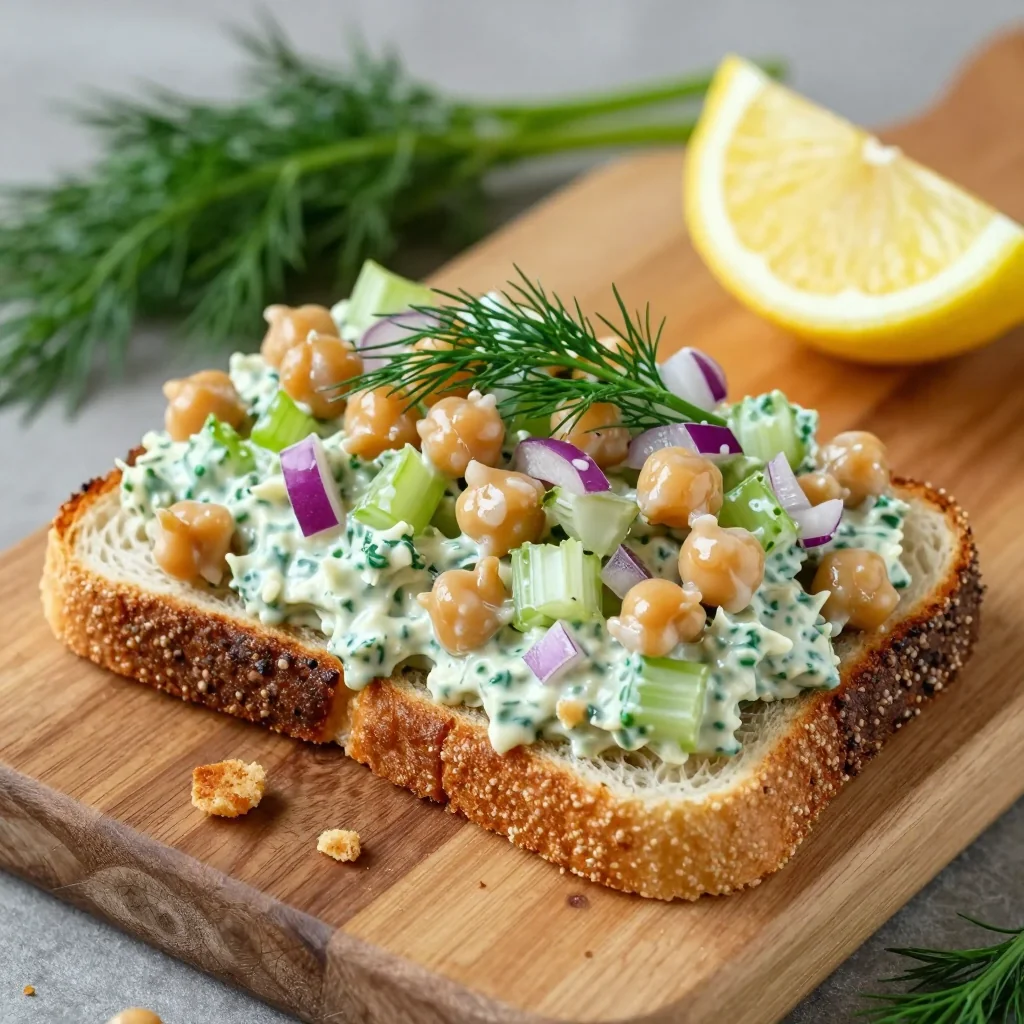
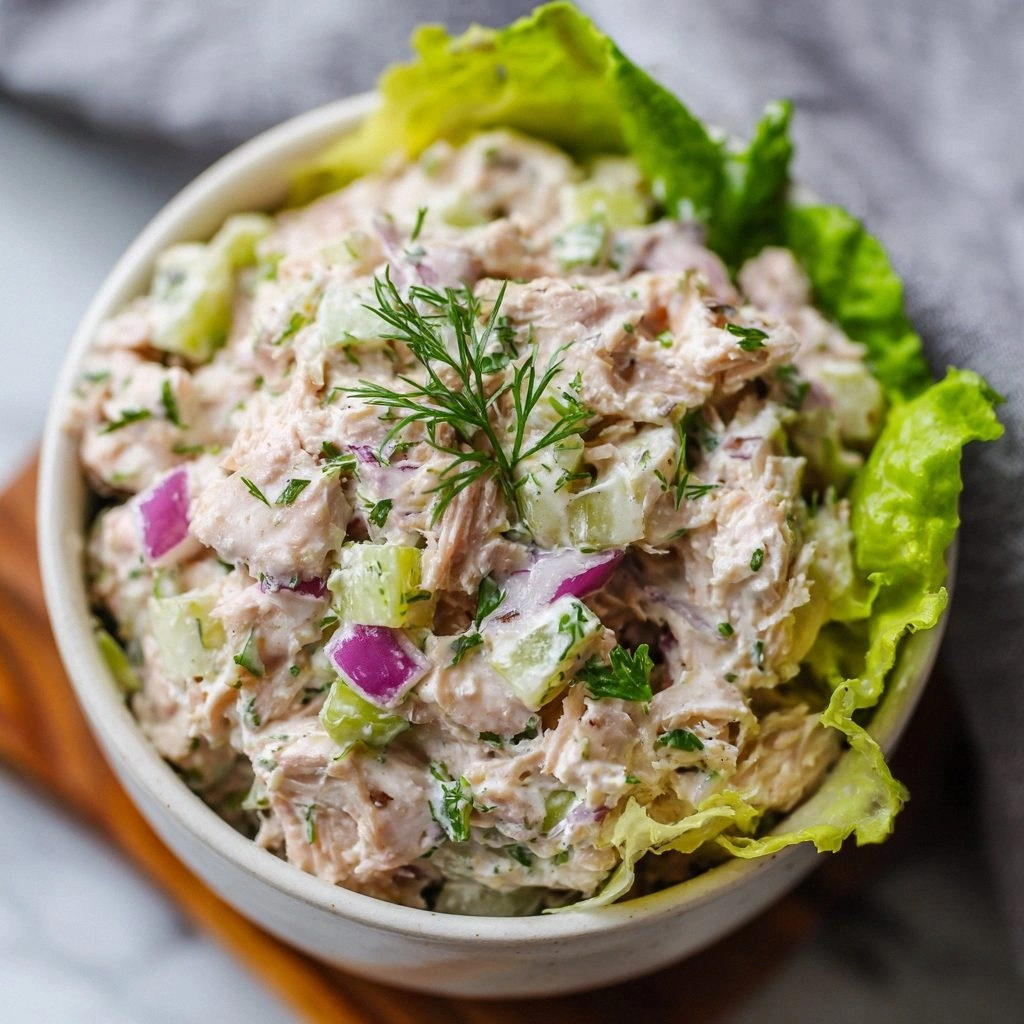
I was halfway through a marathon of bland salads when my roommate dared me to turn a can of tuna into something that could win a culinary award. I grabbed a handful of fresh dill, a splash of lemon, and a jar of Greek yogurt and started mixing. The kitchen smelled like a citrus orchard and the bowl glimmered with a creamy sheen that made my taste buds do a little jig. By the time the first spoonful hit my tongue, I knew I had stumbled upon a flavor revelation. That moment, I decided, was the genesis of the High Protein Tuna Salad (Healt).
I was in the middle of a midnight snack attack, the fridge humming with leftovers, when the idea struck. I imagined the salad as a canvas, each ingredient a color, each spice a brushstroke. The creamy yogurt base felt like velvet, while the diced celery added a crisp crunch that snapped like a fresh snapdragon petal. I tossed in a handful of pickles, their briny tang cutting through the richness, and a sprinkle of fresh dill that lifted the whole thing to cloud nine. The result was a bowl that sang with freshness, a dish that could stand alone or serve as a star in any meal prep lineup.
What sets this version apart is that I didn't just rely on the usual tuna and mayo combo; I introduced Greek yogurt to boost protein, Dijon mustard for a subtle bite, and smoked paprika for depth. I also added a dash of lemon juice to brighten the flavors and a handful of spinach to sneak in greens without overpowering the salad. The texture is a delightful contrast of silky creaminess and crunchy veggies, balanced by the buttery avocado that melts into every bite. I dare you to taste this and not go back for seconds, because the first spoon will have you craving more. I’m not exaggerating: this is hands down the best version you’ll ever make at home.
And there’s a secret twist that most recipes overlook: a splash of Dijon mustard that acts as a natural emulsifier, binding the creamy base to the tuna for a smoother mouthfeel. I’ll be honest — I ate half the batch before anyone else got to try it, and the rest was devoured in a single sitting. Picture yourself pulling this out of the fridge, the whole kitchen smelling incredible, and watching the first bite melt into a velvety texture that feels like a hug. Stay with me here — this is worth it. Let me walk you through every single step — by the end, you’ll wonder how you ever made it any other way.
What Makes This Version Stand Out
- Flavor Fusion: The combination of Greek yogurt and Dijon mustard creates a tangy, creamy backdrop that elevates the tuna beyond ordinary. The smoked paprika adds a subtle smokiness that lingers on the palate, while fresh dill brings a bright herbal note. Together, they form a symphony of flavors that dance without overwhelming.
- Protein Punch: With two cans of tuna and a full cup of Greek yogurt, the salad packs a protein hit that keeps you full and energized for hours. This makes it an ideal choice for athletes, busy professionals, or anyone looking to power through a long day.
- Texture Contrast: The silky yogurt base is offset by the crunchy celery, the snap of pickles, and the creamy avocado. Each bite offers a different mouthfeel, keeping the dish interesting and preventing monotony.
- Low-Fat, High-Value: By using light mayo and low-fat yogurt, the salad stays light without sacrificing richness. The avocado contributes healthy fats that aid nutrient absorption, making this a balanced meal.
- Meal Prep Friendly: The salad holds its texture for up to three days in the fridge, making it a perfect prepped lunch or snack. Portioning into containers saves time and reduces the temptation to order takeout.
- Versatile Base: Whether you spoon it over a bed of spinach, stuff it into a whole‑grain wrap, or serve it with crisp crackers, the salad adapts effortlessly to any format.
- Audience Appeal: Most people love tuna, but few realize it can be transformed into a gourmet, high‑protein delight. This version satisfies both the casual eater and the culinary enthusiast alike.
Inside the Ingredient List
The Flavor Base
At the heart of this salad lies a duo of creamy Greek yogurt and light mayonnaise, which together form a velvety foundation that holds all the flavors. The yogurt not only adds protein but also introduces a subtle tang that cuts through the richness of the tuna. Mayo contributes a mellow, slightly sweet note, creating a balanced mouthfeel. If you prefer a dairy-free option, a plant‑based yogurt can substitute, but keep an eye on the thickness to avoid a watery outcome.
The Texture Crew
Crunch is king in this dish, and it comes from diced celery, pickles, and a handful of toasted walnuts. Celery offers a crisp bite that snaps cleanly, while pickles provide a briny, slightly sweet contrast. Walnuts, when toasted, release a nutty aroma that lingers, adding a satisfying crunch that keeps the salad from becoming soggy. If walnuts are unavailable, almonds or pumpkin seeds work as excellent alternatives.
The Unexpected Star
Avocado is the unsung hero of this recipe, delivering a buttery, creamy texture that blends seamlessly with the yogurt base. Its high monounsaturated fat content not only enhances flavor but also improves the absorption of fat‑soluble vitamins present in the salad. The subtle earthiness of avocado balances the sharpness of dill and the tang of lemon, creating a harmonious profile. For a lighter version, you can halve the amount of avocado and replace the remainder with extra spinach.
The Final Flourish
Fresh dill, a touch of smoked paprika, and a splash of Dijon mustard tie the whole dish together. Dill’s bright, slightly citrusy flavor lifts the entire salad, while paprika adds a whisper of smokiness that deepens the taste profile. Dijon mustard, with its sharp bite, acts as an emulsifier, binding the creamy base to the tuna for a smoother, more cohesive bite. A pinch of garlic and onion powder rounds out the seasoning, ensuring each spoonful is bursting with complexity.
Everything's prepped? Good. Let's get into the real action...
The Method — Step by Step
- Step 1: Open both cans of tuna, drain the liquid completely, and flake the tuna into a large mixing bowl. The draining step is crucial; excess water will dilute the creamy texture and make the salad watery. Keep the tuna cool by placing the cans in the fridge for a few minutes before opening.
- Step 2: In a separate bowl, whisk together the Greek yogurt, light mayonnaise, Dijon mustard, lemon juice, smoked paprika, garlic powder, and onion powder until a smooth, homogenous sauce forms. The whisking action incorporates air, giving the base a light, airy quality that clings to the tuna. If the mixture is too thick, add a teaspoon of water or lemon juice to reach the desired consistency.
- Step 3: Gently fold the flaked tuna into the sauce, ensuring every piece is coated. Add the diced celery, red onion, pickles, and fresh dill, stirring until evenly distributed. The gentle folding preserves the shape of the tuna and maintains the crunchy texture of the veggies.
- Step 4: Incorporate the diced avocado and spinach leaves, mixing carefully to avoid bruising the avocado. The avocado adds a silky mouthfeel that balances the tangy base, while spinach provides a subtle earthy tone and a dose of micronutrients.
- Step 5: Season with salt and pepper to taste. Use a small pinch of each, tasting as you go; over‑salting can mask the delicate flavors of dill and lemon. This step is critical for achieving the perfect flavor balance.
- Step 6: Refrigerate the salad for at least 15 minutes to allow the flavors to meld. During this resting period, the avocado will soften slightly, creating a smoother bite, while the spices will diffuse throughout the mixture.
- Step 7: Just before serving, sprinkle toasted walnuts over the top for an added crunch. The nuts also introduce a nutty aroma that elevates the overall sensory experience. If you prefer a vegan version, replace walnuts with sunflower seeds.
- Step 8: Serve immediately over a bed of fresh spinach, inside a whole‑grain wrap, or with a side of crunchy crackers. Each serving method highlights a different aspect of the salad, from its silky base to its crisp accents.
- Step 9: For meal prep, divide the salad into airtight containers, storing up to three days in the refrigerator. When ready to eat, give it a quick stir and add a splash of lemon juice to brighten the flavors again.
That's it — you did it. But hold on, I've got a few more tricks that'll take this to another level...
Insider Tricks for Flawless Results
The Temperature Rule Nobody Follows
Keep the tuna cold until you’re ready to mix. A warm tuna can cause the yogurt to separate, leading to a watery texture. If the tuna has been sitting out, let it chill in the fridge for at least 20 minutes before adding it to the bowl.
Why Your Nose Knows Best
When you stir the salad, inhale deeply. The aroma of dill, paprika, and lemon will guide your seasoning adjustments. If the smell feels off, it’s a sign the balance is off and you need to tweak the salt or lemon.
The 5-Minute Rest That Changes Everything
After folding in the avocado, cover the bowl with plastic wrap and let it sit for five minutes. This brief pause allows the avocado to release a bit of its oil, creating a richer mouthfeel without becoming overly greasy.
Use a Food Processor for Quick Prep
For a faster approach, pulse the celery, onion, and pickles in a food processor until finely chopped but still retaining some bite. This saves time while maintaining the desired crunch.
Freeze for a Quick Breakfast
Freeze the salad in freezer‑proof containers for up to a month. Thaw overnight and stir; the texture remains surprisingly fresh, making it a convenient breakfast or snack.
Swap in Smoked Salmon for a Luxury Upgrade
Replace tuna with smoked salmon for a richer flavor profile. The salmon’s buttery texture complements the creamy base, and the smoky undertone pairs well with the paprika.
Creative Twists and Variations
Spicy Chipotle Kick
Stir in a teaspoon of chipotle adobo sauce for a smoky heat that pairs beautifully with the creamy base. This variation is perfect for those who enjoy a little spice without overpowering the delicate flavors.
Greek Goddess
Swap the spinach for a handful of chopped romaine lettuce and add a drizzle of tzatziki sauce. The cucumber and yogurt flavors create a Mediterranean vibe that’s both refreshing and comforting.
Asian Fusion
Replace the dill with chopped cilantro and add a splash of soy sauce. Sprinkle toasted sesame seeds on top for an umami boost that transports the salad to an Asian street market.
Breakfast Power Bowl
Serve the salad over a bed of sautéed kale and top with a poached egg. The yolk’s richness complements the creamy dressing, turning the dish into a hearty breakfast.
Low-Carb Delight
Omit the walnuts and replace them with sliced almonds. Pair the salad with a side of roasted cauliflower for a low-carb, high-protein meal that satisfies without the extra carbs.
Vegan Twist
Use a plant-based yogurt and replace the tuna with chickpeas or marinated tofu. The chickpeas add protein, while the tofu provides a silky texture that mimics the tuna’s mouthfeel.
Storing and Bringing It Back to Life
Fridge Storage
Store the salad in an airtight container in the refrigerator for up to three days. Keep the container on the middle shelf to maintain a consistent temperature, and avoid placing it near the freezer door where temperature fluctuations can affect texture.
Freezer Friendly
For longer storage, portion the salad into freezer‑proof bags, removing as much air as possible. Freeze for up to one month; thaw overnight in the fridge before reheating.
Best Reheating Method
Reheat the salad gently in a microwave on low power for 30‑second intervals, stirring after each interval. Add a splash of water or extra lemon juice before reheating to restore moisture and brighten the flavors. Avoid high heat, which can cause the yogurt to curdle.