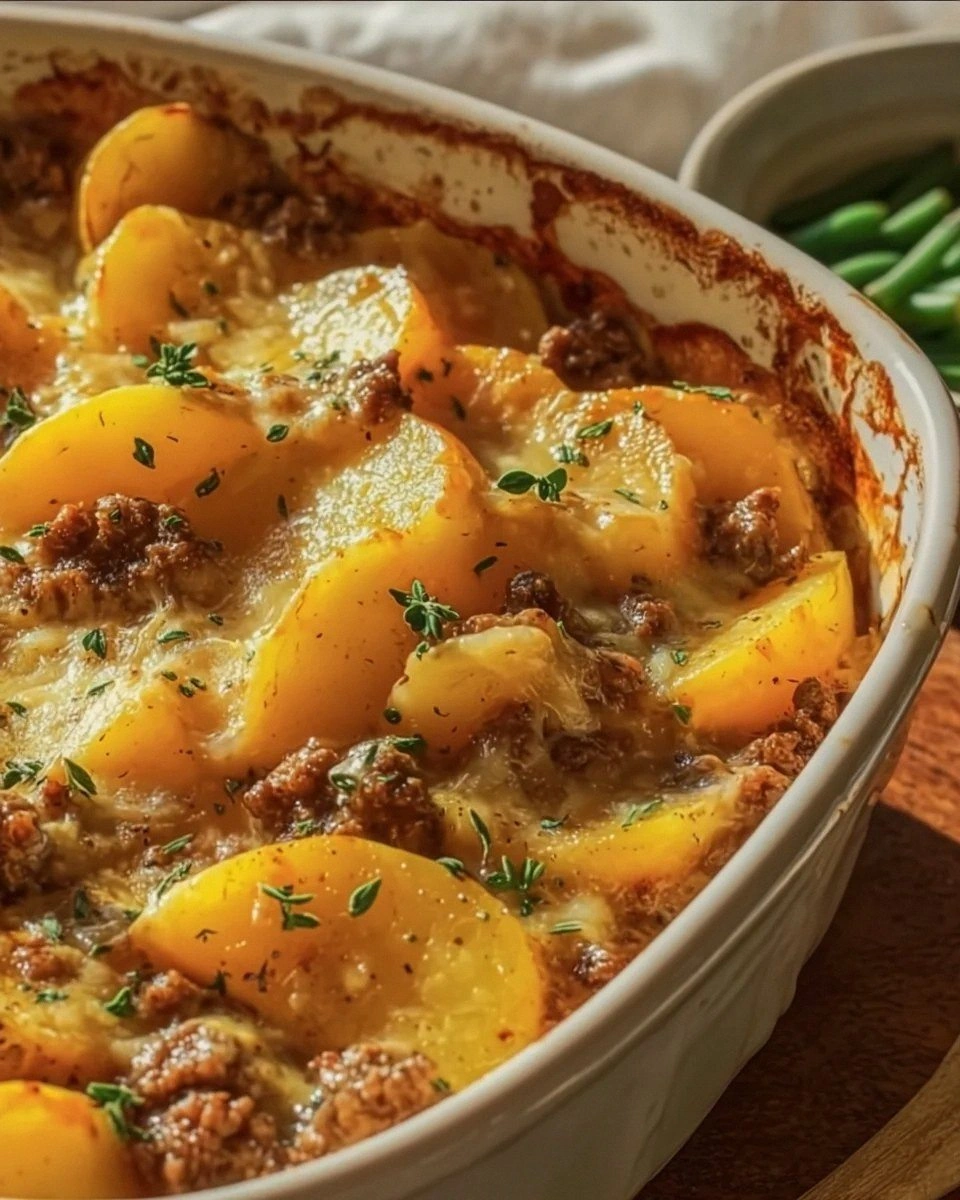
I still remember the first time I made hobo casserole. It was one of those frantic weeknights when the fridge looked like a tornado had swept through—half an onion rolling around, a pound of ground beef that needed to be used yesterday, and a bag of potatoes that had seen better days. My kids were circling the kitchen like hungry sharks, my phone was buzzing with "what's for dinner?" texts from my partner, and I was this close to throwing in the towel and ordering pizza. But something about the challenge of turning those humble scraps into something magical sparked a fire in me. I slammed that ground beef into the pan, heard the glorious sizzle, and thought, "Okay, we're doing this." Thirty-five minutes later, I pulled out a bubbling, golden-topped masterpiece that made the whole house smell like a cozy cabin in the woods. My picky eleven-year-old took one bite, eyes went wide, and he actually asked for seconds—thirds, even. My partner walked in, sniffed the air, and did that happy dance we all know when comfort food is calling. That night, hobo casserole stopped being just a retro recipe your grandma made; it became our family's new obsession.
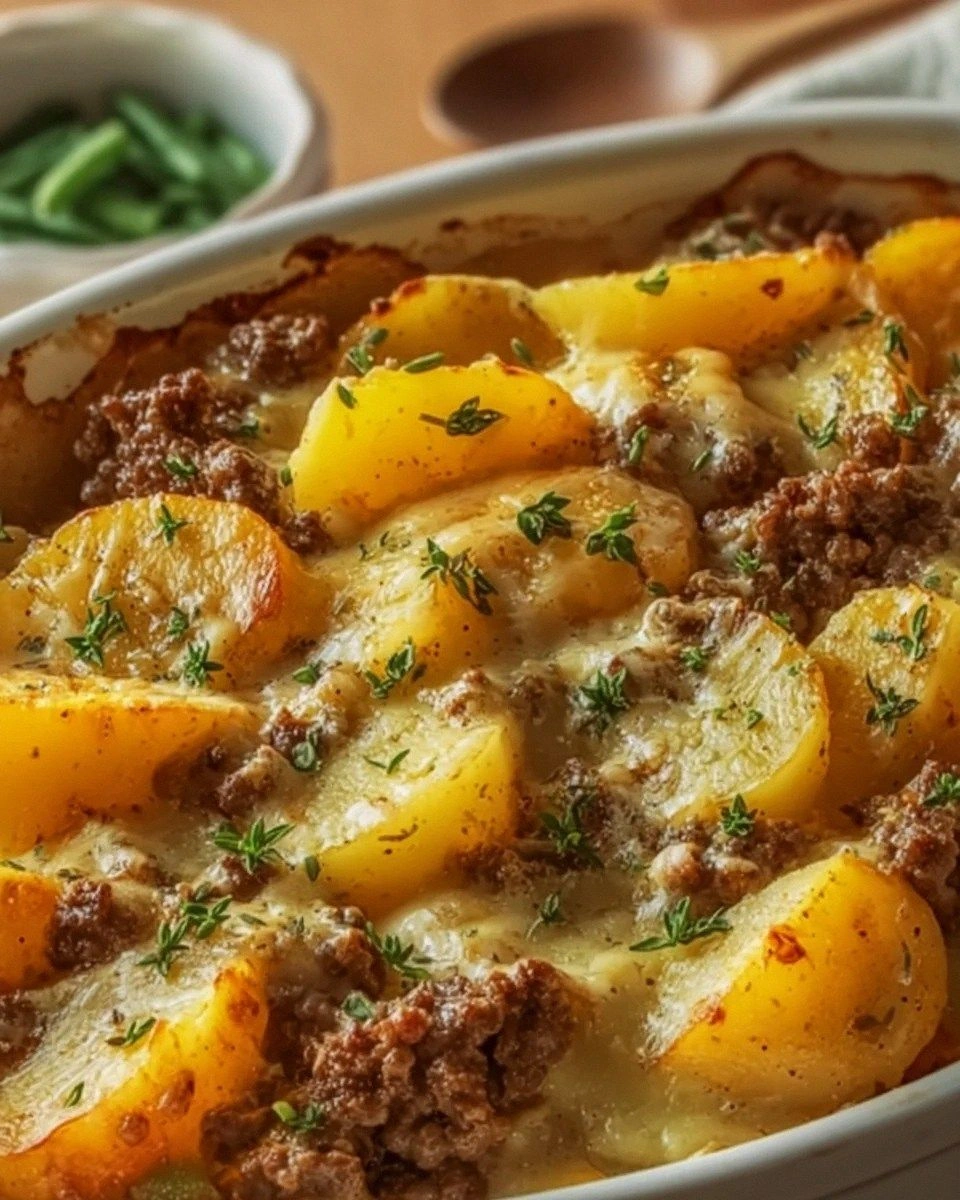
Here's the thing: most hobo casseroles are bland, gray, and about as exciting as cardboard. They dump canned soup over under-seasoned meat and hope for the best. Not this one. This version layers flavor like a symphony—savory beef, smoky paprika, sweet onions, and potatoes that roast up with crispy edges while staying creamy inside. The sauce? It's a rich, tangy miracle that coats every bite like velvet. And the topping—oh, the topping—is a crunchy, cheesy crown that shatters like thin ice when you sink your fork in. Picture yourself pulling this out of the oven, the cheese bubbling like a tiny volcano, the edges caramelized to deep amber perfection, and that first scoop releasing a puff of fragrant steam that makes everyone abandon whatever they were doing and drift toward the kitchen like moths to a flame.
If you've ever struggled with dry ground beef, mushy potatoes, or casseroles that taste like salt and regret, you're not alone—and I've got the fix. This recipe is bulletproof, even if you're the kind of cook who once burned water. I'll be honest: I ate half the batch straight from the serving spoon before anyone else got to try it. I dare you to taste this and not go back for seconds. Stay with me here—this next part is pure magic, and by the end, you'll wonder how you ever made it any other way.
What Makes This Version Stand Out
- Flavor Bomb: We brown the beef until it's deeply caramelized, then deglaze the pan with a splash of Worcestershire that lifts every browned bit—those are flavor gold. The result is a meaty depth that canned soup could never deliver.
- Texture Paradise: Instead of soggy potatoes, we slice them thin and roast uncovered so the top layer turns chip-crisp while the bottom melts into the sauce. You get that shatter-and-creamy contrast in every bite.
- One-Pan Wonder: Everything happens in a single skillet or baking dish. No boiling potatoes separately, no extra bowls. Less mess means more time to binge your show while it bakes.
- Pantry Flexibility: No fresh herbs? Use dried. Only got cheddar? Swap it in. This recipe bends to whatever's lurking in your kitchen, yet still tastes intentional and incredible.
- Crowd Hypnosis: Bring this to potluck and watch grown adults hover over the dish, guarding it like treasure. I've seen people who "don't eat casserole" ask for the recipe mid-bite.
- Make-Ahead Magic: Assemble it the night before, cover tight, and bake straight from the fridge. Flavors meld overnight so it tastes even better—perfect for lazy Sundays or chaotic Mondays.
Alright, let's break down exactly what goes into this masterpiece...
Inside the Ingredient List
The Flavor Base
Ground beef is the star, but not just any pack from the back aisle. Go for 80/20—enough fat to keep things juicy, but not so much that you're swimming in grease. When it hits the hot pan, that sizzle is the sound of flavor building. Break it up with a wooden spoon, but then leave it alone. Those brown crusty bits stuck to the skillet? That's fond, and it's liquid gold. Deglaze with Worcestershire and watch the whole thing turn into a rich, mahogany dream.
Onion and garlic are the backup singers. Dice the onion small so it melts into the meat, adding subtle sweetness that balances the smoky paprika. Fresh garlic beats powder every time here—press it through a microplane so it disperses like perfume. Skip either one and the whole casserole tastes flat, like a joke without a punchline.
The Texture Crew
Russet potatoes are the classic choice; their high starch content means they soak up the sauce and turn fluffy inside while the edges crisp like French fries. Slice them thin—about an eighth of an inch—so they cook through without staying crunchy. If you only have Yukon Golds, they'll work, but expect a creamier, less shattery bite. Pro tip: keep the skins on for extra flavor and a rustic vibe that screams "I meant to do that."
Sharp cheddar gives the melty pull we all crave, but add a handful of smoked gouda for mysterious depth. The combination melts into a river of goo that bubbles up between potato layers like lava. Pre-shredded cheese is coated in starch and won't melt as smoothly, so grab the block and grate it yourself. Your forearms get a mini workout, and the payoff is stretchy, Instagram-worthy cheese pulls.
The Unexpected Star
Here's where we depart from the canned-soup crowd. A quick roux of butter and flour thickens chicken broth into silky gravy. Stir in a spoon of Dijon mustard for tang and a whisper of hot sauce for warmth—not enough to taste spicy, just enough to make people ask, "What's in this?" Tomato paste deepens color and umami, turning the sauce coppery and complex. Skip it and the casserole tastes beige, even if you can't pinpoint why.
The Final Flourish
Crushed Ritz crackers mixed with melted butter form a topping that's part crust, part crouton. They toast to golden shards that crack under your fork, releasing buttery aroma. No Ritz? Panko works, but you'll miss that nostalgic sweetness. A final shower of chopped parsley adds color and fresh bite, cutting through all that richness like a squeeze of lemon on fried chicken.
Everything's prepped? Good. Let's get into the real action...
The Method — Step by Step
- Preheat your oven to 400°F. Yes, that high. We want aggressive heat to roast the potatoes and bubble the cheese into bronze blisters. While it heats, place a 12-inch oven-safe skillet (cast iron if you've got it) over medium-high heat. Add a teaspoon of oil and swirl to coat. When the surface shimmers like a mirage, crumble in the ground beef. Spread it into an even layer and—this is critical—leave it alone for two full minutes. Don't poke, don't stir, don't even think about it. Walk away if you must. Those untouched minutes create a sear so deep and flavorful that your neighbors will start sniffing the air.
- After two minutes, flip sections of beef with a stiff spatula. The underside should be mahogany brown, not gray. Break it up into pea-sized crumbles and let the other side brown another minute. Add the diced onion, stir, and cook until the onion turns translucent and the edges start to caramelize. You'll hear the sizzle deepen and the aroma will shift from raw meat to something almost sweet. Add the garlic and cook just 30 seconds—any longer and it turns bitter. Sprinkle in the paprika, salt, and pepper; toast the spices for another 30 seconds so they bloom like tiny fireworks.
- Push the beef mixture to one side of the skillet. Add the butter to the bare spot; when it foams, scatter the flour over it. Whisk like you're making gravy (because you are), cooking the roux until it smells like toasted nuts and looks like beige velvet. Slowly pour in the chicken broth while whisking constantly—no lumps allowed. Stir in the Worcestershire, Dijon, tomato paste, and hot sauce. Bring to a simmer; the sauce will thicken enough to coat the back of a spoon. Taste and adjust salt; it should be bold since the potatoes will dilute it.
- Remove from heat. Fan the potato slices across the surface in overlapping circles, starting at the outside edge and working inward like you're laying roof shingles. Season the top layer with a pinch of salt and pepper. Cover the skillet with foil, crimping tightly so steam stays trapped. Slide it into the oven and bake 15 minutes—this steams the potatoes so they cook through without burning.
- While the casserole steams, mix the crushed Ritz with the melted butter until it looks like wet sand. After 15 minutes, carefully remove the foil—watch out for the steam cloud. Sprinkle the cheese evenly over the potatoes, then scatter the buttery crumbs on top. Return to the oven uncovered and bake another 12–15 minutes, until the cheese is lava-hot and the crumbs are deep golden. The edges should be bubbling like a hot spring; if they're browning too fast, tent loosely with foil for the last few minutes.
- Let the casserole rest for five minutes. I know, the aroma is clawing at your resolve, but resting sets the sauce and prevents third-degree tongue burns. During this time, chop a little parsley for color. Serve right from the skillet for maximum rustic charm, scooping deep so everyone gets beefy sauce, tender potatoes, and that crunchy crown. The first bite is hot, creamy, salty, smoky, and comforting in a way that makes you close your eyes involuntarily.
- Store leftovers covered in the fridge up to four days. Reheat individual portions in the microwave with a splash of broth to loosen the sauce, or warm the whole skillet in a 350°F oven for 15 minutes. The topping won't stay crispy, but the flavors deepen overnight into something even more irresistible—if it lasts that long.
That's it—you did it. But hold on, I've got a few more tricks that'll take this to another level...
Insider Tricks for Flawless Results
The Temperature Rule Nobody Follows
Most recipes say "medium heat" and leave you guessing. For the beef, crank your burner to medium-high until you hear a fierce sizzle when the meat hits the pan. That sound equals browning; lower heat just boils the beef in its own juice, turning it gray and sad. Once the sauce stage arrives, drop the heat to medium-low so the roux doesn't scorch. Your nose knows: if you smell acrid flour, you've gone too far and need to start over. Trust the sizzle, trust the smell, and you'll nail it every time.
Why Your Nose Knows Best
Ignore the clock for a second and pay attention to aroma checkpoints. When the onions turn sweet and the paprika starts to toast, you'll smell a warm, almost floral scent—that's the green light to add garlic. When the roux smells like hazelnuts, it's ready for broth. And when the finished casserole is perfectly browned, the air will carry a nutty, cheesy perfume that pulls everyone into the kitchen like cartoon smells floating under a door. If you don't smell these cues, keep going; flavor develops in those extra 30 seconds most people skip.
The 5-Minute Rest That Changes Everything
I get it—steam is rising, cheese is bubbling, and you're salivating like Pavlov's dog. But cut into it immediately and the sauce will flood the plate, thin and runny. Five short minutes lets the starch in the potatoes thicken the gravy so each scoop holds its shape. Cover loosely with foil to retain heat while you set the table or pour drinks. A friend tried skipping this step once; let's just say it looked like beef soup and the kids used it as dip for tortilla chips. Patience equals pretty, sliceable servings.
Grate Your Own Cheese—No Exceptions
Pre-shredded cheese is dusted with cellulose to prevent clumping, but that same coating prevents smooth melting. Buy a block and use the large holes of a box grater. It takes two extra minutes and melts into glossy sheets rather than grainy lumps. Bonus: the nub left on the grater is your cook's treat, a salty snack to fuel the rest of the recipe. Once you see the difference, you'll never go back to the bagged stuff.
The Potato Mandate: Thin Means Win
Thick potato slices = crunchy raw centers. Aim for ⅛-inch, which is roughly the thickness of two credit cards stacked. If you don't have a mandoline, use a sharp chef's knife and channel your inner sushi master: keep the slices uniform so they finish cooking at the same time. And don't rinse them; the surface starch helps thicken the sauce. Skip this and you'll be chewing potato chips that squeak between your teeth—not the vibe we're after.
Creative Twists and Variations
This recipe is a playground. Here are some of my favorite ways to switch things up:
Smoky Southwest Hobo
Swap paprika for chipotle powder, add a drained can of fire-roasted corn, and use pepper Jack cheese. Finish with a squeeze of lime and fresh cilantro. The smoky heat creeps up gently, perfect for those nights you want comfort with a kick. Serve with cold beer and prepare for compliments.
Mushroom Lover's Deluxe
Replace half the beef with cremini mushrooms, diced and sautéed until they release their earthy juices. Add a splash of soy sauce to the gravy for extra umami. The result tastes meaty yet lighter, and your vegetarian-curious friends will convert on the spot.
Breakfast-for-Dinner Edition
Stir in cooked breakfast sausage, swap cheddar for smoked gouda, and top with a few cracked eggs during the last 8 minutes of baking. The eggs set into little pockets of sunshine that break and run into the sauce. Serve with hot sauce on the side and call it the most epic breakfast bake ever.
Green Chile Cheesy Bomb
Add a small can of diced green chiles to the beef, use Monterey Jack, and stir a handful of frozen peas into the sauce for color pop. The chiles bring gentle warmth without torching your taste buds, and kids love the tiny sweet pops of pea. It's like New Mexico in casserole form.
Italian Stallion Style
Season the beef with Italian herbs and fennel seeds, swap Worcestershire for balsamic vinegar, and use mozzarella plus a shower of Parmesan. Top with buttered panko mixed with lemon zest for a bright finish. Close your eyes and you'll swear you're in a Roman trattoria—minus the airfare.
Buffalo Ranch Riff
Stir ¼ cup buffalo sauce into the gravy, use ranch seasoning in the roux, and top with crumbled blue cheese in the final five minutes. The result is tangy, spicy, and dangerously addictive. Celery sticks on the side make it feel almost virtuous—almost.
Storing and Bringing It Back to Life
Fridge Storage
Let leftovers cool completely, then transfer to airtight containers. They'll keep up to four days without the flavors muddying. Store the crunchy topping separately in a zip-top bag if you want to preserve texture, though honestly the melded leftovers are half the fun. Press plastic wrap directly against the surface to prevent that dried-out skin that makes reheated casserole so sad.
Freezer Friendly
Assemble the casserole but stop before adding the cracker topping. Wrap the dish tightly in plastic, then foil, and freeze up to two months. When ready to bake, thaw overnight in the fridge, add fresh crumbs and cheese, then bake as directed. It emerges tasting nearly identical to day one—perfect for new-parent meal trains or future-you gratitude.
Best Reheating Method
Skip the microwave if you can; it turns the topping rubbery. Instead, place a serving in a small oven-safe dish, splash with a tablespoon of broth to steam back to life, and cover with foil. Heat at 350°F for 12–15 minutes until hot in the center. If you're in a rush, the microwave works, but add a tiny ice cube on top before covering with a damp paper towel—it creates steam that revives the sauce and keeps the potatoes from turning into pellets.