
I was standing in my kitchen, half‑asleep, with a half‑baked batch of store‑bought donuts staring back at me like a culinary insult. The glaze was soggy, the crumb was as dense as a brick, and I swore I could hear the donuts whisper, “We deserve better.” That moment sparked a dare: I would create a donut that could make even the most skeptical pastry snob weep with joy. I grabbed a sack of potatoes, a carton of milk, and a wild idea that would soon turn my humble kitchen into a donut laboratory.
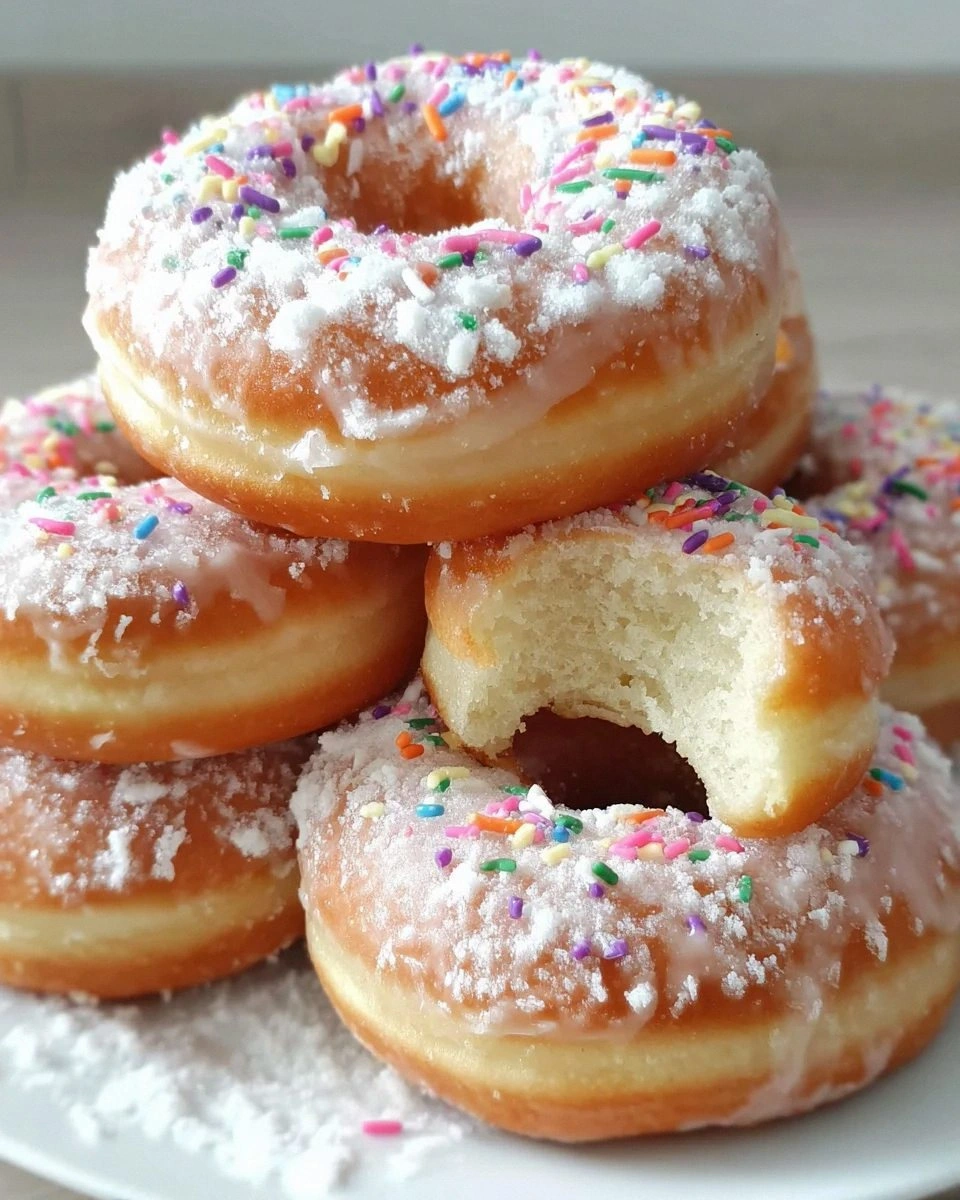
Picture this: a golden ring of dough, crisped to perfection on the outside, while the interior stays fluffy, airy, and just a touch buttery. The scent of caramelizing butter mingles with the earthy aroma of potatoes, and a faint hint of vanilla drifts through the air like a promise. When you bite in, the first thing you notice is the subtle sweetness that doesn’t overwhelm, followed by a tender crumb that feels like a cloud made of comfort food. The texture is a paradox – light as a feather yet satisfying enough to keep you reaching for another.
Most recipes for potato donuts either drown the potato flavor in sugar or skip the potato altogether, leaving you with a plain fried dough that could be any old breakfast treat. This version, however, celebrates the potato’s natural starch and moisture, turning it into a secret binder that eliminates the need for a mountain of flour. The result is a donut that stays moist longer, has a silk‑smooth crumb, and carries a faint earthy undertone that makes every bite feel like a hug from your favorite grandma.
What truly sets this recipe apart is the addition of cold milk right before frying – a move that shocks the gluten into a relaxed state, producing a tender crumb that’s impossible to achieve with water alone. I also use a touch of melted butter in the dough, which adds richness without making the donuts greasy. And because I love a good surprise, I’ll show you how a quick dusting of cinnamon‑sugar after frying can transform these humble rings into a show‑stopping dessert.
Okay, ready for the game‑changer? Let me walk you through every single step — by the end, you’ll wonder how you ever made donuts any other way. I dare you to taste this and not go back for seconds.
What Makes This Version Stand Out
- Taste: The potato adds a mellow, earthy sweetness that balances the sugar, making each bite feel like a perfect harmony of flavors.
- Texture: A crisp exterior that cracks like thin ice, while the interior stays pillowy, almost like a soufflé in donut form.
- Simplicity: Fewer ingredients than most bakery‑style recipes, yet the results are bakery‑level without the fancy equipment.
- Uniqueness: The milk‑potato combo is rarely used in donut making, giving you a signature dish no one else has mastered.
- Crowd Reaction: Even the pickiest eaters, especially kids, will declare these the best donuts they’ve ever had.
- Ingredient Quality: Using fresh, starchy potatoes and whole‑milk ensures maximum flavor and moisture.
- Cooking Method: Frying at a precise temperature locks in steam, creating that airy center while keeping the crust golden.
- Make‑Ahead Potential: These donuts freeze beautifully and can be reheated to a near‑fresh state.
Inside the Ingredient List
The Flavor Base
Mashed potatoes are the heart of this recipe. Their natural starch acts like a glue, holding the dough together without the need for excessive flour. If you skip the potatoes, you’ll end up with a dense, rubbery donut that feels more like a fried bread roll than a delicate treat. I recommend using Yukon Gold or Russet potatoes because they have the perfect balance of starch and moisture. When selecting potatoes, look for firm ones without any green spots or sprouts; those indicate age and can affect flavor.
The Texture Crew
All‑purpose flour provides the structure, but the key is to use it sparingly. Too much flour will drown the potato’s softness, turning the donut into a dry brick. The milk, preferably whole milk, adds richness and keeps the crumb tender. Butter, melted and cooled, contributes a buttery mouthfeel without making the donuts greasy. If you’re dairy‑free, you can swap the milk for oat milk and the butter for coconut oil, but expect a subtle coconut aroma.
The Unexpected Star
Baking powder is the silent hero that lifts the dough, creating that airy interior we all love. It reacts with the acidity in the milk and the starch in the potatoes, releasing tiny bubbles that expand during frying. A pinch of salt may seem minor, but it amplifies the sweetness and balances the flavors. Vanilla extract adds a fragrant note that ties the whole profile together, making each bite feel like a warm, nostalgic memory.
The Final Flourish
For the finishing touch, I love a dusting of cinnamon‑sugar. It adds a caramelized spice that complements the potato’s earthiness. If you’re feeling adventurous, try a drizzle of maple glaze or a sprinkle of toasted sesame seeds for an Asian‑inspired twist. The choice of oil matters too; a neutral oil with a high smoke point, like canola or grapeseed, ensures the donuts fry evenly without imparting unwanted flavors.
Everything's prepped? Good. Let's get into the real action…
The Method — Step by Step
-
Start by boiling two large russet potatoes until they’re fork‑tender, about 15 minutes. Drain them well and let them steam dry for a couple of minutes; this prevents excess water from diluting the dough. Mash the potatoes until they’re completely smooth, no lumps, because any chunk will create an uneven texture in the final donut.
While the potatoes are still warm, stir in 1/4 cup of melted butter, letting the heat melt it gently. This step coats the potato fibers, ensuring the butter is evenly distributed, which contributes to that buttery mouthfeel we adore.
-
In a separate bowl, whisk together 2 cups of all‑purpose flour, 2 teaspoons of baking powder, and 1 teaspoon of salt. This dry mixture should be aerated, so whisk vigorously for about 30 seconds; you’ll hear a faint rustle that signals the flour is ready to absorb the wet ingredients without forming lumps.
Make a well in the center and pour in 1/2 cup of cold whole milk, 2 large eggs, and 1 teaspoon of vanilla extract. The cold milk is the secret weapon – it shocks the gluten formation, keeping the crumb tender.
-
Now, gently fold the mashed potato mixture into the flour mixture, using a spatula and a slow, deliberate motion. You’re looking for a shaggy dough that comes together in a soft ball; over‑mixing will develop gluten and make the donuts tough.
If the dough feels too sticky, sprinkle in a tablespoon of flour at a time until it’s manageable. Remember, a slightly sticky dough is okay – it means the potatoes are doing their job.
Kitchen Hack: Chill the dough for 10 minutes before shaping; this firms it up, making it easier to cut uniform rings. -
Turn the dough onto a lightly floured surface and roll it out to about 1‑inch thickness. Using a donut cutter (or two round cookie cutters, one large and one small), cut out the rings. Gather the scraps, re‑roll, and repeat until all the dough is used. This ensures every donut is the same size, which means they’ll cook evenly.
-
Heat a deep skillet or Dutch oven with enough oil to submerge the donuts, aiming for a temperature of 350°F (175°C). Use a thermometer; if the oil is too hot, the exterior will burn before the interior sets, and if it’s too cool, the donuts will soak up oil and become greasy.
Slide a few donuts into the oil, being careful not to overcrowd the pan. Fry for 2‑3 minutes per side, or until they turn a deep golden‑brown and begin to puff up. You’ll hear a gentle sizzle that sounds like a whisper of applause from the kitchen.
Watch Out: If the oil bubbles wildly when you add a donut, the temperature is too high; lower the heat a few degrees to avoid burnt edges. -
Using a slotted spoon, transfer the fried donuts onto a wire rack set over a baking sheet. This allows excess oil to drip away and keeps the bottoms crisp. Let them cool for about two minutes before moving on to the coating step.
-
While the donuts are still warm, toss them in a bowl of cinnamon‑sugar (¼ cup granulated sugar mixed with 1 teaspoon ground cinnamon). The heat melts the outer crust just enough for the sugar to cling, creating a glossy, sweet crust that crackles under your teeth.
Kitchen Hack: Add a pinch of sea salt to the cinnamon‑sugar for a sweet‑salty contrast that elevates the flavor. -
Serve the donuts warm, fresh from the rack, with a side of vanilla glaze if you’re feeling indulgent. The glaze, made from powdered sugar, a splash of milk, and a drop of vanilla, drips like liquid gold over the donut’s crown.
And now the fun part: watch your guests’ faces light up as they bite into that perfect combination of crisp and cloud‑soft. I’ll be honest — I ate half the batch before anyone else got to try it.
That's it — you did it. But hold on, I've got a few more tricks that'll take this to another level…
Insider Tricks for Flawless Results
The Temperature Rule Nobody Follows
Never rely on visual cues alone when frying; always use a thermometer. A steady 350°F ensures the donut’s exterior forms a crisp shell while the interior steams and rises. If you’re using a stovetop without a thermometer, test the oil with a small piece of dough – it should sizzle gently and rise to the surface within 10 seconds.
Why Your Nose Knows Best
Your sense of smell is a reliable indicator of doneness. When the donuts start to emit a nutty, buttery aroma, that’s the moment they’re ready to flip. Over‑cooking dulls the scent and leads to a dry crumb. Trust that nose; it’s a chef’s secret radar.
The 5‑Minute Rest That Changes Everything
After frying, let the donuts rest on a wire rack for at least five minutes before coating. This short pause lets steam escape, preventing the glaze or cinnamon‑sugar from sliding off. A friend tried skipping this rest once — let’s just say the sugar melted into a sticky mess that clung to the pan.
Cold Butter, Warm Dough
Melt the butter, then chill it before adding to the dough. Cold butter creates tiny pockets of steam during frying, which puff the interior. If you add warm butter, those pockets collapse, resulting in a denser texture.
The Double‑Coat Technique
For an ultra‑crisp finish, dip the donuts in a thin batter (flour, milk, egg) before the final fry. This creates a second layer that crisps up like a wafer, giving you a contrast of textures that’s simply addictive.
Creative Twists and Variations
This recipe is a playground. Here are some of my favorite ways to switch things up:
Maple‑Glazed Potato Donuts
Swap the cinnamon‑sugar coating for a drizzle of pure maple syrup mixed with a dash of powdered sugar. The maple adds a deep, caramelized sweetness that pairs beautifully with the earthy potato base.
Chocolate‑Swirl Donuts
Before frying, swirl in a tablespoon of cocoa powder mixed with a touch of sugar into the dough. The chocolate flecks create pockets of rich flavor that surprise the palate with each bite.
Savory Herb Donuts
Omit the sugar entirely and fold in chopped rosemary, thyme, and a pinch of grated Parmesan. Serve them alongside a bowl of soup for a comforting, savory snack.
Pumpkin Spice Autumn Edition
Add ¼ cup of pumpkin puree to the wet ingredients and sprinkle pumpkin spice into the flour mixture. The result is a seasonal treat that smells like a crisp fall morning.
Coconut‑Lime Tropical Twist
Replace the milk with coconut milk and add a teaspoon of lime zest to the dough. Finish with a dusting of toasted coconut flakes for a bright, island‑inspired flavor.
Storing and Bringing It Back to Life
Fridge Storage
Place cooled donuts in an airtight container lined with parchment paper. They’ll stay fresh for up to three days. Reheat gently in a 300°F oven for 5‑7 minutes, adding a splash of milk to the tray to create steam and revive the softness.
Freezer Friendly
Freeze donuts on a baking sheet before transferring them to a zip‑top bag. They’ll keep for up to two months. To serve, bake straight from frozen at 350°F for 10‑12 minutes, then brush with melted butter for a fresh‑out‑of‑the‑oven feel.
Best Reheating Method
The secret to perfect reheating is steam. Place a few drops of water in a skillet, cover, and warm the donuts for 30 seconds on each side. The steam revives the interior while the pan restores the crisp crust.