Love this? Pin it for later! 📌
Why This Recipe Works
- One-bowl glaze: Whisk, taste, done—no reducing on the stove.
- 5-minute prep: While the oven heats, you’re already finished.
- Caramelized edges: Honey sugars create a glossy, lacquered crust.
- Flexible fish: Works with king, coho, or even thick Arctic char.
- Built-in side: Roast asparagus on the same sheet pan.
- Gluten-free & dairy-free: Inclusive without tasting “healthy.”
- Meal-prep star: Flakes beautifully over salads tomorrow.
- Scales effortlessly: Doubles for a dinner party or halves for date night.
Ingredients You'll Need
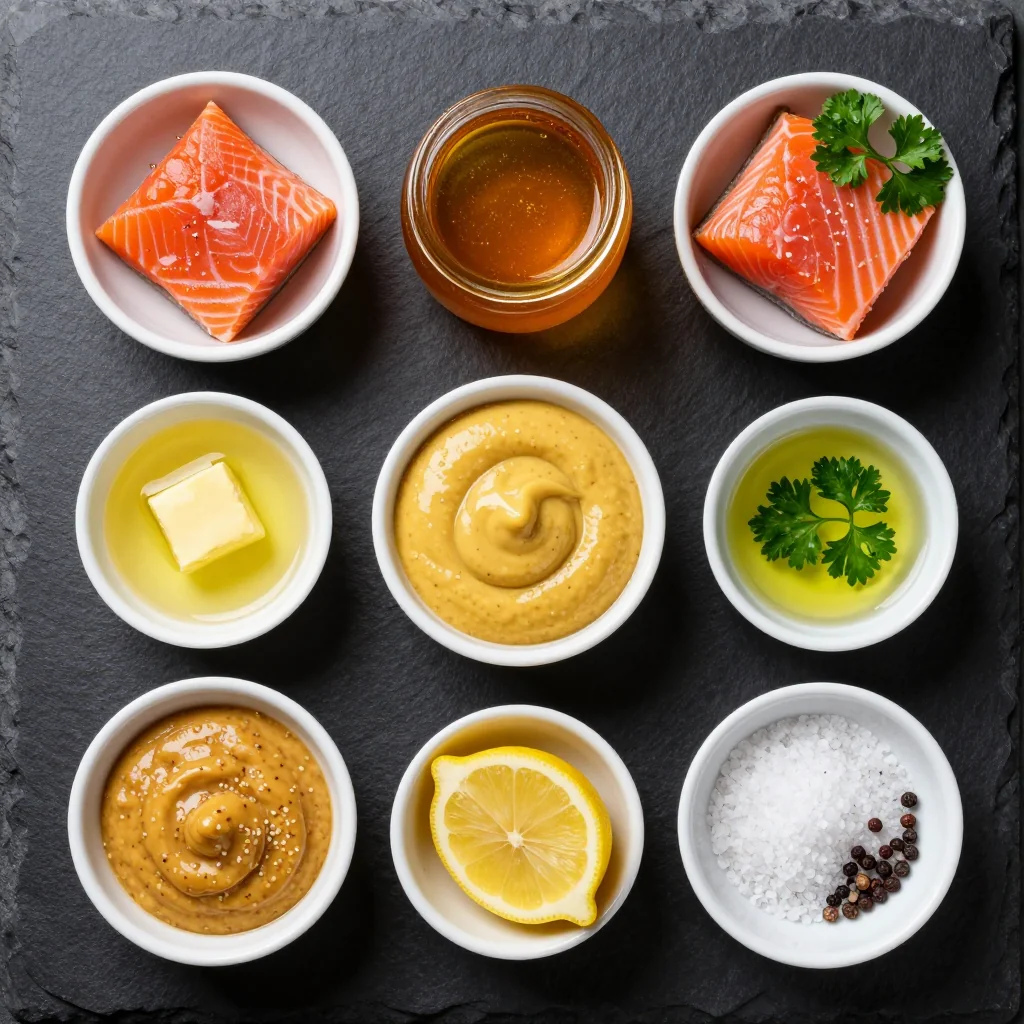
Great salmon begins at the fish counter. Look for fillets that smell like the cold sea, never fishy. The flesh should bounce back when pressed and display vibrant, almost translucent stripes of fat. I prefer center-cut portions that are at least 1¼ inches thick—thin tail pieces overcook before the glaze can set. If you can only find previously frozen fillets, no worries; just thaw them overnight on a paper-towel-lined plate in the refrigerator to wick away excess moisture.
Salmon: Four 6-oz skin-on portions. Skin crisps into a savory “salmon chip” and prevents the underside from turning mushy. If you despise skin, slide a sharp knife between flesh and skin after cooking—it lifts off in one sheet.
Honey: Use a floral variety such as wildflower or orange-blossom. Thick, caramelly buckwheat honey can overpower the mustard. Warm the jar in a mug of hot water for 10 seconds so it flows evenly.
Whole-grain Dijon mustard: Those tiny seeds pop between teeth, releasing gentle heat. Smooth Dijon works in a pinch, but you’ll miss the textural drama.
Yellow mustard: A modest teaspoon sharpens the glaze without announcing itself. It’s the “mystery ingredient” guests can’t quite name.
Apple-cider vinegar: Adds fruity acidity that tames the honey’s sweetness. Rice vinegar is a mellow swap; white wine vinegar leans too harsh.
Garlic: One small clove, micro-planed so it dissolves into the glaze. Powdered garlic tastes flat here.
Smoked paprika: Lends whispery campfire notes that make the finished dish taste outdoorsy. Sweet paprika works, but bump up the salt a hair.
Olive oil: A tablespoon in the glaze encourages even browning; another teaspoon greases the pan.
Kosher salt & freshly ground pepper: Season both sides of the fish before glazing. Salting early draws surface moisture away, promoting that coveted crust.
Lemon zest: Optional, but the essential oils boost brightness without extra acid.
Fresh parsley or chives: A confetti shower just before serving adds color and grassy lift.
How to Make Honey Mustard Glazed Salmon For A Sweet Dinner
Preheat & Position
Set oven rack to upper-middle position and heat to 425 °F (220 °C). Line a rimmed sheet pan with parchment for zero stick and quick cleanup. Slide pan into oven while it heats—starting with a screaming-hot surface jump-starts caramelization.
Whisk the Glaze
In a medium bowl combine ¼ cup honey, 3 Tbsp whole-grain Dijon, 1 tsp yellow mustard, 1 Tbsp apple-cider vinegar, 1 Tbsp olive oil, 1 micro-planed garlic clove, ½ tsp smoked paprika, and a pinch each of salt and pepper. Blend until glossy and unified. Taste: it should balance sweet, sharp, and smoky. Adjust with extra mustard for heat or honey for sweetness.
Pat & Season
Remove salmon from fridge 10 minutes prior—room-temperature fish cooks evenly. Blot all sides with paper towels; surface moisture is the enemy of browning. Sprinkle flesh side generously with kosher salt and cracked pepper.
Arrange on Hot Pan
Carefully remove preheated pan from oven; drizzle a teaspoon of olive oil and swirl to coat. Place salmon skin-side down—an aggressive sizzle means you nailed the temperature. Space fillets at least 1 inch apart for proper air circulation.
Glaze Generously
Spoon half of the glaze over each fillet, using the back of the spoon to coax it toward the edges but not over the skin; you want skin to crisp. Reserve remaining glaze for final lacquer.
Roast
Slide pan into oven and roast 9 minutes for medium-rare (internal 125 °F/52 °C) or 11 minutes for medium (135 °F/57 °C). Salmon keeps cooking after removal; err on the side of blush-pink center.
Broil for Caramel
Switch oven to high broil. Brush reserved glaze over salmon; broil 1–2 minutes until bubbles turn mahogany and edges char in spots. Rotate pan halfway for even color.
Rest & Finish
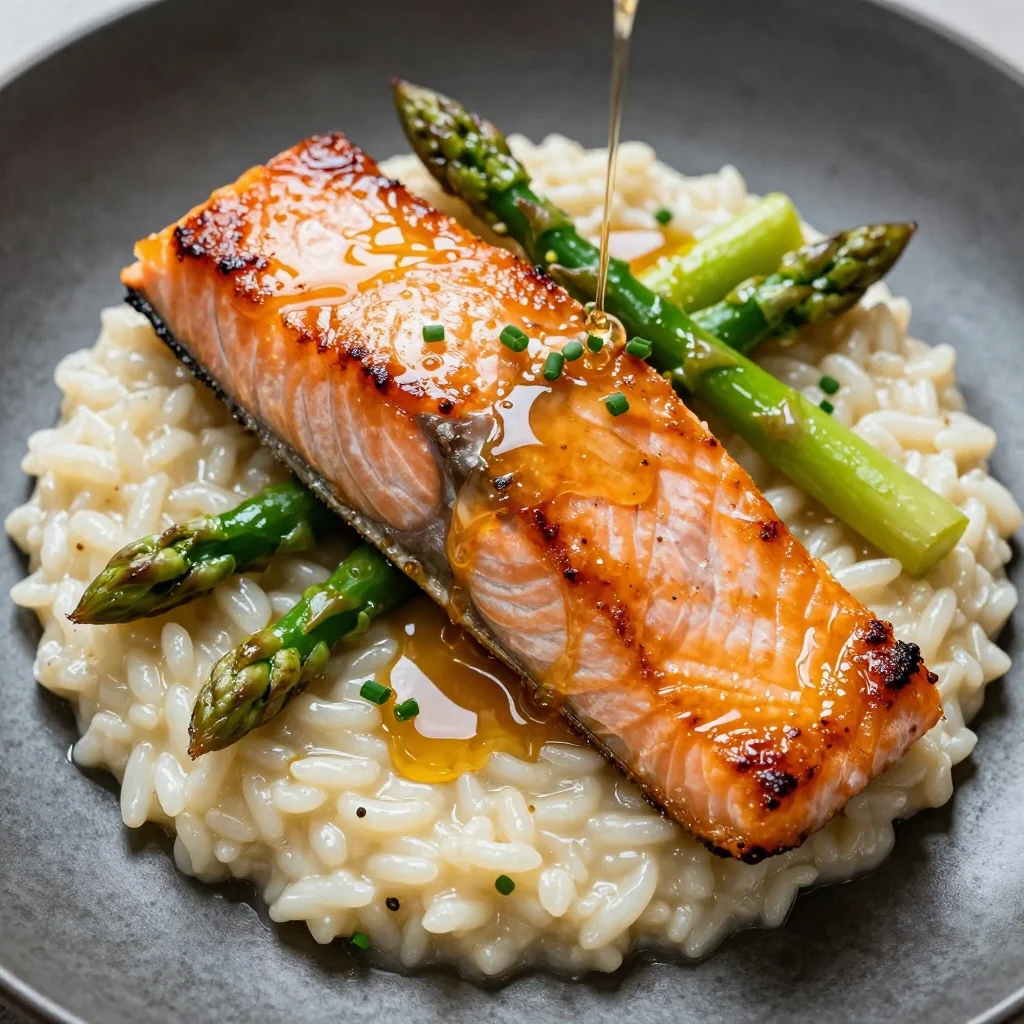
Transfer salmon to warm plates; rest 3 minutes so juices reabsorb. Sprinkle with lemon zest, parsley, and a final drizzle of honey for gloss. Serve immediately.
Expert Tips
Check Early, Not Late
Insert an instant-read thermometer horizontally through the thickest part. Remove 5 °F before target; carry-over heat finishes the job.
Crispy Skin Hack
After broiling, lightly drag a fish spatula across skin; it peels off in crispy sheets perfect for snacking while you plate.
Same-Pan Veggies
Toss asparagus spears with oil, salt, and a pinch of the glaze; add to pan during final 6 minutes of roasting.
Glaze Scaling
Recipe multiplies flawlessly—just keep glaze-to-salmon ratio at 1 Tbsp per 6 oz fillet to avoid sugary puddles.
Make-Ahead Glaze
Whisk up to 5 days ahead; refrigerate in jar. Bring to room temp 30 minutes before using so honey liquefies.
No-Broiler Option
If your broiler is weak, brush on final glaze and bake 2 extra minutes at 450 °F for similar caramelization.
Variations to Try
- Spicy Kick: Whisk ½ tsp chipotle powder into glaze; top with thin jalapeño rounds.
- Citrus Twist: Swap vinegar for orange juice and add 1 tsp zest for sunny notes.
- Maple Swap: Replace honey with dark maple syrup; finish with toasted pecans.
- Herbaceous: Stir 1 Tbsp minced dill or tarragon into glaze after heating to keep color bright.
- Soy-Ginger: Sub half the mustard with white miso and add 1 tsp grated ginger.
Storage Tips
Refrigerate: Cool salmon completely, transfer to airtight container, and refrigerate up to 3 days. To reheat, place fillet on foil-lined sheet, tent loosely, and warm at 275 °F (135 °C) for 8 minutes—just until no longer cold in center. Overheating tightens proteins and turns glaze chalky.
Freeze: Wrap each cooled fillet in parchment, then foil; freeze up to 2 months. Thaw overnight in fridge and reheat as above, or enjoy flaked cold over salads.
Meal-Prep: Double the glaze and reserve half in jar. Toss cold salmon with mixed greens, farro, and remaining glaze thinned with olive oil for instant weekday lunches.
Frequently Asked Questions
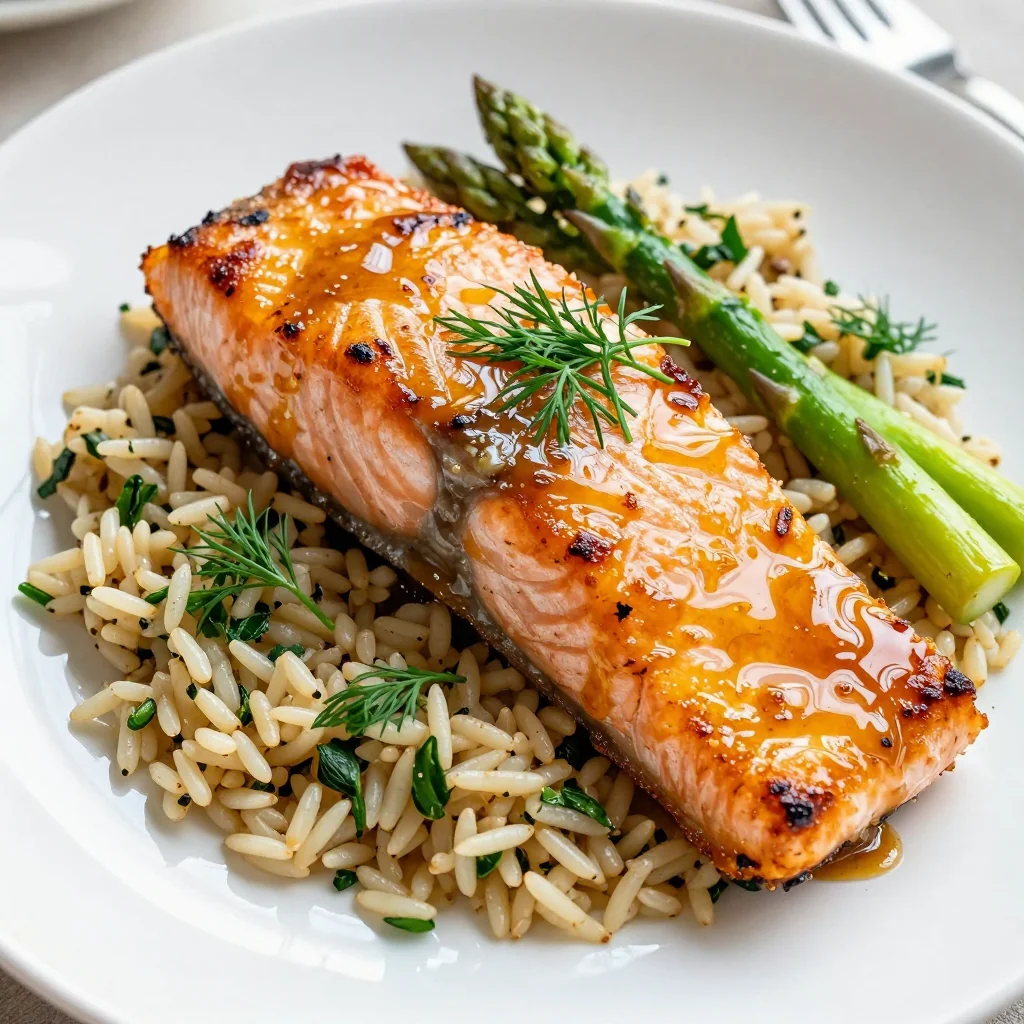
Honey Mustard Glazed Salmon For A Sweet Dinner
Ingredients
Instructions
- Preheat: Set oven rack to upper-middle; heat to 425 °F. Preheat parchment-lined sheet pan inside oven.
- Make glaze: Whisk honey, both mustards, vinegar, 1 Tbsp olive oil, garlic, paprika, ¼ tsp salt, and pepper until smooth.
- Season fish: Pat salmon dry; sprinkle flesh side with remaining ½ tsp salt and pepper.
- Arrange: Remove hot pan, grease with 1 tsp oil, place salmon skin-side down.
- Glaze & roast: Brush half of glaze over flesh; roast 9 minutes (medium-rare).
- Broil: Brush remaining glaze; broil 1–2 minutes until caramelized. Rest 3 minutes, garnish, serve.
Recipe Notes
For even cooking, choose fillets of uniform thickness. Cold salmon straight from the fridge extends cook time and can turn the outer layer mealy.