I was standing in my kitchen, staring at a half‑cooked stir‑fry that smelled like a sad, soggy apology. My roommate had dared me to make something “quick, sweet, and crunchy” and I thought, “Sure, I’ll throw together some noodles and call it a night.” The result? A disaster that left the pan looking like a battlefield and my taste buds begging for mercy. I swear I heard the noodles whisper, “We deserve better.” That night I promised myself I would never settle for a mediocre sauce again, and the next day I set out on a mission to create the ultimate honey‑soy crispy beef that would make even the most skeptical food snob gasp.
Picture this: the kitchen filled with the sizzling roar of beef hitting a scorching wok, the air thick with the sweet perfume of honey mingling with salty soy, and a glossy glaze that clings to each noodle like a silk scarf on a winter day. The beef, once a humble slab, transforms into caramelized shards that crack under the fork, while the vegetables stay crisp enough to snap like fresh twigs. The sound of the sauce bubbling is a promise, a siren call that says, “You’re about to taste something unforgettable.” I dare you to taste this and not go back for seconds, because the combination of textures and flavors is engineered for pure, unadulterated joy.
What makes this version stand out isn’t just the ingredients; it’s the method. Most recipes get the sauce wrong, either turning it into a watery mess or a clumpy glue that smothers everything. I discovered that a brief high‑heat sear followed by a quick deglaze creates a caramelized crust that locks in juices, while a final flash‑cook with the noodles lets the glaze coat everything evenly. The secret weapon? A splash of rice vinegar at the very end, which brightens the honey‑soy duo and prevents the dish from feeling heavy. This is hands down the best version you’ll ever make at home, and I’m about to prove it, step by step.
Okay, ready for the game‑changer? I’m about to reveal a technique that most home cooks overlook: the “dry‑oil” flash. By coating the beef in a thin veil of cornstarch before the sear, you get that coveted crispy edge that shatters like thin ice when you bite into it. It’s the difference between “good” and “wow, I could eat this every day.” Stay with me here — this is worth it. Let me walk you through every single step — by the end, you’ll wonder how you ever made it any other way.
What Makes This Version Stand Out
- Flavor Explosion: The honey‑soy glaze balances sweet and salty with a whisper of acidity, creating a taste that lingers like a good memory.
- Texture Symphony: Crispy beef edges meet tender noodles and crisp vegetables, delivering a mouthfeel that’s both satisfying and surprising.
- Simplicity: Only six core ingredients are needed, yet the result feels like a dish you’d order at a high‑end Asian bistro.
- Unique Technique: The dry‑oil cornstarch coating gives the beef a restaurant‑grade crunch without deep‑frying.
- Crowd Reaction: Guests often claim they’ve never tasted anything like it, and the dish sparks endless requests for seconds.
- Ingredient Quality: Using a well‑marbled flank steak and low‑sodium soy ensures depth without overwhelming salt.
- Cooking Method: High‑heat wok sear followed by a quick sauce finish preserves freshness while building flavor layers.
- Make‑Ahead Potential: The components can be pre‑pped hours ahead, making it perfect for busy weeknights.
Inside the Ingredient List
The Flavor Base
Honey is the golden heart of this dish, providing a glossy sheen and a mellow sweetness that tames the soy’s salt. If you swap it for maple syrup, you’ll get a deeper, wood‑ier note that still works, but the classic honey keeps the flavor bright and clean. Choose a raw, unfiltered honey for a hint of floral complexity; processed honey can taste flat.
Soy sauce is the umami backbone, delivering that unmistakable salty depth. Low‑sodium versions let you control the salt level without sacrificing the savory punch. If you’re adventurous, a splash of dark soy adds color and a richer, almost caramel‑like undertone, but be careful not to overpower the honey.
The Texture Crew
Beef, preferably flank or sirloin, brings a juicy, tender bite when sliced thin against the grain. The key is to keep the pieces uniform so they sear evenly; uneven cuts result in some pieces being overcooked while others stay raw. If you can’t find flank, a well‑marbled ribeye works too, though it will be richer.
Noodles act as the neutral canvas that soaks up the glaze. Egg noodles give a chewy bite that holds sauce well, while rice noodles stay silkier and lighter. Cook them al dente, then rinse under cold water to stop the cooking process and keep them from becoming mushy when tossed later.
The Unexpected Star
Garlic and ginger are the aromatic duo that lifts the entire dish from “just tasty” to “wow, I need the recipe now.” Freshly minced garlic releases a pungent, sweet aroma, while ginger adds a peppery warmth that cuts through the honey’s sweetness. If you’re short on time, a teaspoon of ginger paste works, but nothing beats the zing of freshly grated ginger.
The Final Flourish
Vegetables like bell peppers, broccoli, or snap peas bring color, crunch, and a dose of nutrition. Their natural sugars caramelize quickly, adding layers of flavor that complement the honey‑soy glaze. Feel free to mix and match; just keep the pieces bite‑size so they cook in the same 2‑minute window as the beef.
Everything's prepped? Good. Let’s get into the real action…

The Method — Step by Step
-
Start by gathering all your ingredients and giving the beef a quick pat‑dry with paper towels. This removes excess moisture, which is the enemy of a good sear. Then, in a shallow bowl, whisk together 2 tablespoons cornstarch, a pinch of salt, and a dash of pepper; toss the beef strips until they’re lightly coated. The cornstarch creates a thin veil that will crisp up once it hits the hot wok.
Kitchen Hack: Let the coated beef rest for five minutes before cooking; the starch will settle and form a better crust. -
Heat a wok or large skillet over high heat until a drop of water evaporates instantly. Add 2 tablespoons of high‑smoke‑point oil (vegetable or grapeseed) and swirl to coat. When the oil shimmers, add the beef in a single layer, making sure not to overcrowd the pan. You should hear an immediate sizzle that signals the Maillard reaction is underway.
Let the beef sear undisturbed for about 45 seconds, then flip to sear the other side. The edges will turn a deep, caramel‑brown and begin to pull away from the pan — that’s your cue that the crust is forming. Once the beef is about 80 % cooked, transfer it to a plate and set aside.
-
In the same wok, lower the heat to medium‑high and add the minced garlic and ginger. Stir‑fry for 20‑30 seconds until fragrant; you’ll notice the aroma blooming like a spring garden. Be careful not to burn them, as burnt aromatics turn bitter and ruin the sauce.
Watch Out: If the garlic starts to turn dark brown, quickly add a splash of water to deglaze and prevent bitterness. -
Now pour in ¼ cup soy sauce, 3 tablespoons honey, and 1 tablespoon rice vinegar. Stir continuously; the honey will dissolve and the mixture will begin to thicken within a minute. If you prefer a thicker glaze, mix 1 teaspoon cornstarch with 2 tablespoons cold water and add it now, watching the sauce turn glossy and coat the back of a spoon.
Taste the sauce at this stage – it should be a perfect balance of sweet, salty, and a hint of tang. Remember, you can always adjust with a pinch more honey or a splash of low‑sodium soy if needed.
-
Add the pre‑cooked noodles to the wok, tossing them quickly so they absorb the glaze without becoming soggy. The noodles should glisten, each strand wrapped in a thin veil of honey‑soy brilliance. This step is where the magic happens; the sauce should cling like velvet, not pool at the bottom.
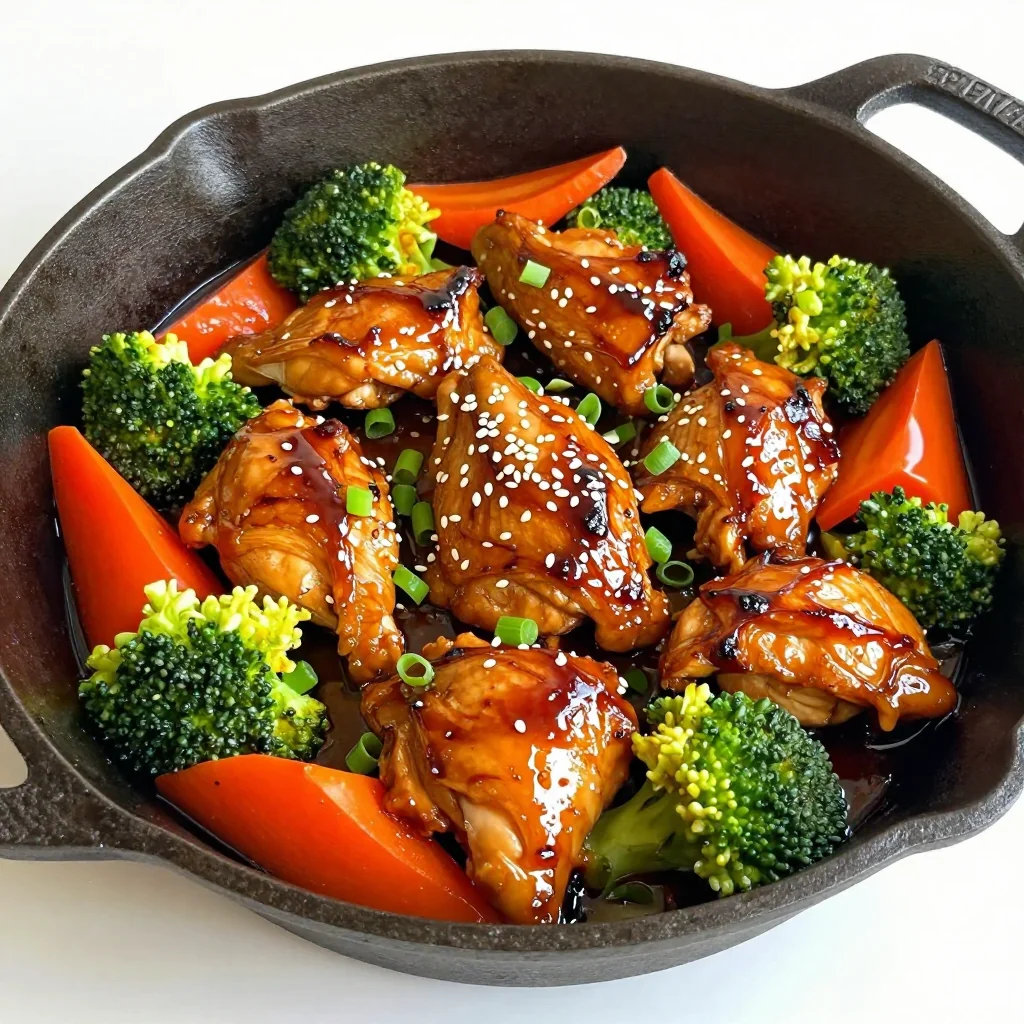
Next, introduce the mixed vegetables, spreading them evenly. Stir‑fry for another 2‑3 minutes, allowing the vegetables to stay crisp‑tender. The colors should pop — bright reds from bell peppers, vivid greens from broccoli, and the occasional snap of peas.
-
Return the seared beef to the wok, giving everything a final toss. The beef will re‑heat quickly, and the glaze will envelop each piece, creating a glossy, caramelized coating. At this moment, the dish should smell intoxicating, with notes of caramel, umami, and fresh aromatics dancing together.
If the sauce looks too thick, splash in a tablespoon of water or broth; it will loosen just enough to coat everything without losing its sheen.
-
Finish with a generous sprinkle of toasted sesame seeds and a handful of chopped scallions. The sesame seeds add a nutty crunch, while the scallions bring a fresh, oniony bite that cuts through the richness.
Give the dish one last quick toss, then remove from heat. The moment the wok leaves the stove, the residual heat continues to caramelize the edges — that’s the final layer of flavor you’ve been waiting for.
Kitchen Hack: For an extra burst of freshness, drizzle a thin line of lime juice over the finished plate just before serving. -
Transfer the honey‑soy crispy beef and noodles onto a serving platter, spreading them out so each bite gets an even distribution of sauce, beef, and veggies. Let the dish rest for a minute; this allows the flavors to meld and the glaze to set.
Picture yourself pulling this out of the wok, the whole kitchen smelling incredible, steam curling up like a gentle cloud. Serve hot, and watch as your guests dive in, eyes widening at the glossy sheen and the crackling beef edges.
That's it — you did it. But hold on, I've got a few more tricks that'll take this to another level. These insider tips will ensure every time you make this dish, it lands perfectly on the flavor‑and‑texture sweet spot.
Insider Tricks for Flawless Results
The Temperature Rule Nobody Follows
Never cook the beef over medium heat; the secret to that crispy crust is a screaming hot pan. When the wok reaches the right temperature, the cornstarch coating instantly forms a barrier that locks in juices. If you’re unsure, sprinkle a few drops of water on the surface – they should dance and evaporate within a second. I once tried to “play it safe” with medium heat and ended up with soggy beef that fell apart.
Why Your Nose Knows Best
Your sense of smell is the ultimate timer. When the garlic and ginger start to perfume the kitchen, you’re at the perfect moment to add the sauce. If you wait too long, the aromatics will lose their punch; too early and the sauce will burn. Trust that nose; it’s more reliable than a stopwatch.
The 5‑Minute Rest That Changes Everything
After you’ve tossed everything together, let the dish sit off the heat for exactly five minutes. This brief rest lets the glaze thicken just enough to cling without becoming sticky, and it allows the beef fibers to relax, making each bite tender. Skipping this step is a common rookie mistake that leads to a soggy plate.
Sesame Oil Finish
A drizzle of toasted sesame oil right before serving adds a subtle, nutty depth that elevates the whole dish. It’s like the final brushstroke on a painting – you might not notice it at first, but once you do, you’ll never go back. I once added it too early and lost that delicate aroma; timing is everything.
The “Cold‑Water Shock” for Noodles
After boiling the noodles, shock them in an ice‑water bath for 30 seconds. This stops the cooking process, preserves the chew, and prevents them from clumping when you add them to the wok. It also gives the noodles a slight sheen that helps the sauce cling better.
Creative Twists and Variations
This recipe is a playground. Here are some of my favorite ways to switch things up:
Spicy Szechuan Kick
Add 1‑2 teaspoons of Szechuan peppercorn oil and a pinch of dried red chili flakes when you pour in the sauce. The numbing heat pairs beautifully with the honey’s sweetness, creating a tongue‑tingling experience that will wow spice lovers.
Coconut‑Infused Version
Swap half the soy sauce for coconut aminos and finish the dish with a splash of coconut milk. The result is a creamier, slightly tropical glaze that pairs nicely with pineapple chunks for a Hawaiian‑style twist.
Nutty Crunch Upgrade
Replace the sesame seeds with toasted chopped peanuts or cashews. The added nutty crunch gives an extra textural layer, and the buttery flavor of the nuts complements the honey‑soy base perfectly.
Veggie‑Only Celebration
Omit the beef and double the vegetables, using extra tofu cubes for protein. This makes a hearty vegetarian version that still delivers the same caramelized glaze and satisfying bite.
Herb‑Fresh Finale
Stir in a handful of fresh cilantro or Thai basil just before serving. The herbaceous notes add brightness and cut through the richness, making the dish feel lighter and more complex.
Storing and Bringing It Back to Life
Fridge Storage
Allow the dish to cool to room temperature, then transfer it to an airtight container. It will keep beautifully for up to three days. When reheating, add a splash of water or broth to restore the sauce’s silkiness, and stir gently over medium heat.
Freezer Friendly
Portion the cooked beef, noodles, and vegetables into freezer‑safe bags, leaving a little headroom for expansion. Freeze for up to two months. To reheat, thaw overnight in the fridge, then toss in a hot wok with a tablespoon of oil and a dash of soy sauce to revive the glaze.
Best Reheating Method
The stovetop is king. Heat a non‑stick skillet over medium‑high, add a teaspoon of oil, and slide in the frozen or refrigerated portion. Sprinkle a tiny splash of water, cover for 30 seconds, then uncover and stir until everything is hot and glossy. Microwaving will make the noodles gummy, so avoid it if you can.