Irresistible High Protein Carr
Picture this: you’re standing in a kitchen that smells like a caramelized carrot cake, but the timer’s ticking for a hearty breakfast that could also double as a dessert. I was halfway through a week‑long protein‑boosting diet when my friend dared me to turn my pantry into a baked oatmeal wonderland. The result? A moist, spice‑laden loaf that feels like a hug in a bowl, yet packs more protein than a steak. I’ll be honest — I ate half the batch before anyone else got a taste, and the second half was a no‑question encore. That’s the kind of power I’m about to share with you. Let me walk you through every single step — by the end, you’ll wonder how you ever made it any other way.
When I first tried the original recipe, the oats turned into a dry, chalky mess and the carrots stayed stubbornly crunchy. The secret, as I discovered, lies in the marriage of Greek yogurt and a touch of maple syrup, which creates a silky, sweet base that lets the spices truly shine. I dare you to taste this and not go back for seconds; the first bite will have you questioning why you ever settled for ordinary oatmeal. Most recipes get this completely wrong by over‑baking the oats, but here the oven does the heavy lifting while the ingredients work together like a well‑tuned orchestra. The result is a loaf that feels like a comforting hug and a protein punch that keeps you full until lunch. If you’ve ever struggled to keep a breakfast both filling and flavorful, you’re not alone — and I’ve got the fix.
I love the way the carrots release their natural sweetness as they bake, turning the oatmeal into a subtle caramel glow. The maple syrup and Greek yogurt blend into a velvety texture that coats each bite like a delicate frosting. The cinnamon and nutmeg mingle to create that signature carrot cake warmth that transports you to a cozy kitchen on a rainy afternoon. The walnuts add a satisfying crunch, while the protein powder gives a smooth, almost creamy finish that makes every mouthful a protein‑rich delight. This isn’t just another baked oatmeal; it’s a protein‑dense, flavor‑rich masterpiece that feels like a dessert but keeps your macros on track. Picture yourself pulling this out of the oven, the whole kitchen smelling incredible, and feeling the anticipation rise in your stomach.
I’ve spent months tweaking this recipe, and the final version is hands down the best you’ll ever make at home. The secret is the balance between the dry oats and the wet ingredients, which creates a moist crumb that doesn’t sink into the spices. The use of whey or plant‑based protein powder keeps the flavor neutral, letting the carrots and spices shine. The maple syrup is just enough to sweeten without masking the nutty undertones. The result is a loaf that’s as satisfying as a slice of carrot cake but with a protein punch that fuels your day. This is the kind of dish that makes you want to bake it on a Sunday morning and have leftovers for the week.
I’ve also discovered that the key to a fluffy texture is the right amount of baking powder, which gives the loaf a gentle lift without making it airy like a souffle. The walnuts are toasted just before mixing to release their oils and deepen the flavor profile. I add a splash of vanilla extract at the end to round off the spices and give the loaf a subtle, fragrant finish. When you slice into it, the aroma is a warm, comforting hug that instantly lifts your mood. The first bite is a burst of sweet, spicy, nutty, and protein‑rich flavors that dance across your palate. This is the kind of breakfast that feels like a treat, yet keeps you on track.
I’ve also learned that the trickiest part of this recipe is getting the right consistency. If the batter is too thick, the loaf will be dense; if it’s too thin, it will spread and lose its shape. The solution? Add the Greek yogurt gradually until you achieve a pour‑able yet thick batter. I keep a measuring cup handy to monitor the consistency, and I trust my senses to guide me. The final loaf should look golden brown on top, with a slight crust that gives way to a moist, tender interior. The smell of cinnamon and nutmeg rising from the oven is the first hint that you’re on the right track.
I’ve spent countless evenings experimenting with different protein powders, from whey to pea to soy. Each one brings its own subtle flavor and texture to the loaf. Whey gives a slightly creamy finish, while pea protein keeps the loaf lighter and more neutral. I prefer whey for the classic taste, but if you’re vegan or lactose‑free, plant‑based protein works just as well. The key is to choose a powder that blends well with the oats and yogurt, ensuring a smooth batter. The result is a loaf that feels like a treat but packs the protein punch you need to power through a busy day. I’m convinced this version is the ultimate high‑protein carrot cake, and I can’t wait for you to try it.
When I first baked this loaf, the oven’s heat kissed the top, turning it into a golden crust that cracked like brittle sugar. The interior remained moist, with pockets of carrot that burst like tiny sweet fireworks. The aroma of cinnamon and nutmeg filled the kitchen, and the sound of the timer ticking was music to my ears. I was ready for a slice, but the first bite left me craving more, and the second bite was even better. The texture was perfect, with a slight chew from the oats and a creamy bite from the yogurt. This is the kind of dish that makes you want to bake it again and again.
I’ve learned that the key to a perfect loaf is to let the batter rest for a few minutes before baking. This allows the oats to absorb the liquid and the spices to meld together. I also preheat the oven to 350°F (175°C) to ensure even baking. I line a loaf pan with parchment paper to prevent sticking and to make cleanup a breeze. Once the loaf is out of the oven, let it cool in the pan for 10 minutes before transferring it to a wire rack. This step allows the steam to escape and the crust to set, giving the loaf a crisp exterior and a tender interior.
What Makes This Version Stand Out
- Taste: The blend of maple syrup, Greek yogurt, and spices creates a flavor profile that’s both sweet and savory, reminiscent of a classic carrot cake without the heavy frosting.
- Texture: The oats absorb the liquid perfectly, resulting in a moist, crumbly interior that holds its shape and offers a satisfying chew.
- Simplicity: All you need is a handful of pantry staples and a few fresh ingredients; no fancy equipment or complex steps.
- Uniqueness: The addition of protein powder elevates the dish from a simple breakfast to a high‑protein powerhouse, perfect for fitness enthusiasts.
- Crowd Reaction: Friends who taste it say it’s the best high‑protein loaf they’ve ever had, and they’re already planning the next batch.
- Ingredient Quality: Using Greek yogurt and fresh carrots gives the loaf depth and richness that canned or frozen ingredients can’t match.
- Cooking Method: Baking the oats with the carrots and spices creates a caramelized surface that’s both aromatic and flavorful.
- Make‑ahead Potential: The loaf keeps well in the fridge for up to four days, and it reheats beautifully with a splash of milk or yogurt.
Alright, let's break down exactly what goes into this masterpiece...
Inside the Ingredient List
The Flavor Base
Rolled oats are the backbone of this loaf, offering a hearty texture and a subtle nutty flavor that pairs beautifully with the sweet carrots. They absorb the liquid from the yogurt and maple syrup, creating a moist crumb that doesn’t feel heavy. If you skip the oats, the loaf will crumble and lose its structure, turning into a mushy mess. I recommend using old‑fashioned rolled oats rather than instant or quick oats, as they hold their shape better during baking. The oats also provide a good source of fiber, keeping you full and satisfied.
Grated carrots bring natural sweetness and a vibrant orange color that’s impossible to ignore. They release their juices as they bake, creating a subtle glaze that coats the oats and adds a burst of flavor with every bite. If you’re short on fresh carrots, you can substitute with frozen grated carrots, but be sure to thaw and squeeze out excess moisture to prevent a soggy loaf. The carrots also add beta‑carotene, which is great for eye health. I like to use a mix of orange and purple carrots for a pop of color and a hint of sweetness.
The Protein Crew
Whey or plant‑based protein powder is the secret weapon that turns this loaf into a protein‑dense powerhouse. It blends seamlessly with the oats and yogurt, giving the loaf a subtle, smooth finish without any off‑taste. Whey provides a slightly creamy texture, while pea protein keeps the loaf lighter and more neutral. If you’re allergic to dairy, a plant‑based protein works just as well. The protein powder also helps the loaf rise a bit, giving it a light, airy interior.
Greek yogurt is the creamy, tangy element that balances the sweetness of the maple syrup and the earthy spices. It adds a rich, smooth texture that coats the oats, preventing them from drying out during baking. The yogurt’s natural acidity also helps activate the baking powder, creating a fluffy crumb. If you’re lactose‑free, a dairy‑free yogurt or coconut yogurt can be used, but keep in mind it may alter the flavor slightly. The yogurt also adds a dose of probiotics, which is great for gut health.
The Unexpected Star
Maple syrup or honey is the sweetener that ties everything together. It provides natural sweetness without the refined sugars found in table sugar, giving the loaf a more complex flavor profile. I prefer maple syrup for its subtle woodsy undertones, but honey works wonderfully if you’re in the mood for a floral note. The syrup also helps caramelize the top of the loaf, giving it a golden crust. If you want to keep it lower in calories, you can reduce the amount by a tablespoon, but the texture may become slightly drier.
Eggs act as a binder, holding the batter together and giving the loaf a tender crumb. They also add a slight richness that balances the tanginess of the yogurt. If you’re vegan, you can substitute with flaxseed meal or chia seeds mixed with water, but the texture will be slightly denser. Eggs also help the loaf rise, giving it a light, airy interior. The yolks add a touch of creaminess, enhancing the overall mouthfeel.
The Final Flourish
Cinnamon and nutmeg are the spices that create that signature carrot cake warmth. They add depth, aroma, and a subtle heat that balances the sweetness. I use a combination of 2 teaspoons of cinnamon and ½ teaspoon of nutmeg, but feel free to adjust to taste. Too much cinnamon can overpower the other flavors, so keep it measured. The spices also bring antioxidant benefits, making the loaf not just delicious but also healthy.
Baking powder is the leavening agent that gives the loaf a slight lift and a tender crumb. It reacts with the acidic yogurt, creating tiny bubbles that expand during baking. I use 2 teaspoons of baking powder, which is enough to give the loaf a gentle rise without making it too airy. If you forget the baking powder, the loaf will be dense and heavy. I always double‑check the baking powder to ensure the loaf has that perfect, fluffy interior.
Vanilla extract adds depth and enhances all the other flavors, giving the loaf a subtle sweetness that rounds out the spices. I use 2 teaspoons of pure vanilla extract, which blends seamlessly into the batter. If you’re vegan or have a vanilla allergy, you can substitute with a dash of almond extract or skip it entirely. Vanilla also adds a pleasant aroma that makes the loaf even more inviting. The final touch is a splash of vanilla that ties everything together.
Everything's prepped? Good. Let's get into the real action...
The Method — Step by Step
- Preheat your oven to 350°F (175°C). Line a 9×5 inch loaf pan with parchment paper, leaving a little overhang on the sides for easy removal. This step ensures a crisp crust and prevents sticking. I also lightly grease the parchment with a small amount of oil to keep the loaf from drying out. When the oven is ready, set a timer for 30 minutes and let the anticipation build.
- In a large mixing bowl, combine 2 cups of rolled oats, 2 cups of grated carrots, and 1 cup of protein powder. Stir until the dry ingredients are evenly distributed, ensuring every oat and carrot gets a protein coating. This dry mix forms the foundation of the loaf and ensures a consistent texture. I like to sift the protein powder through a fine sieve to avoid clumps. The dry mix should look like a slightly gritty, sandy texture.
- In a separate bowl, whisk together 1 cup of Greek yogurt, ½ cup of maple syrup, 2 eggs, 2 teaspoons of vanilla extract, 2 teaspoons of baking powder, 2 teaspoons of cinnamon, and ½ teaspoon of nutmeg. Mix until the wet ingredients are fully blended and the mixture is smooth. The wet mix should feel thick yet pourable, like a thick custard. I always taste the batter to ensure the sweetness and spice balance is just right. If it’s too thick, add a splash of milk or water to thin it out.
- Combine the dry and wet mixtures, stirring gently until just combined. Avoid over‑mixing, which can cause the batter to become tough. The batter should be thick enough to hold its shape when scooped. I use a spatula to fold the ingredients together, creating a uniform mixture. The batter should look like a thick, chunky batter with visible oat pieces and carrot bits.
- Fold in 1 cup of chopped walnuts or pecans, ensuring they are evenly distributed throughout the batter. The nuts add a satisfying crunch and a buttery flavor that complements the sweet and spicy elements. I toast the nuts briefly in a dry skillet to bring out their oils before adding them. This step also prevents the nuts from absorbing moisture and becoming soggy. The final batter should have a nice mix of nutty pieces scattered throughout.
- Pour the batter into the prepared loaf pan, smoothing the top with a spatula. Press down gently to eliminate large air pockets. The top should be level and even, allowing for even baking. I use a piece of parchment to help smooth the surface. The batter should fill the pan to about ¾ full, leaving room for expansion.
- Place the loaf pan in the preheated oven and bake for 30 minutes. The loaf should develop a golden crust that’s slightly crisp on top. After 20 minutes, I check the color and aroma; if it’s browning too quickly, I cover the loaf with foil. The loaf should emit a warm, cinnamon‑nutmeg scent that fills the kitchen. The internal temperature should reach 200°F (93°C) when measured with a thermometer.
- Remove the loaf from the oven and let it cool in the pan for 10 minutes. This allows the steam to settle, preventing the loaf from becoming soggy at the bottom. While it’s cooling, I set a wire rack on the counter. Once the loaf has cooled slightly, I gently lift it out of the pan using the parchment overhang. The loaf should come out clean, with a slightly crisp crust.
- Transfer the loaf to a cutting board and slice with a serrated knife. Slice about 1 inch thick for a perfect bite. If you’re serving it warm, let the slices sit for a minute to allow the steam to escape. The loaf should be moist and tender, with a crumb that holds together. If you prefer a firmer texture, you can chill the loaf for 30 minutes before slicing.
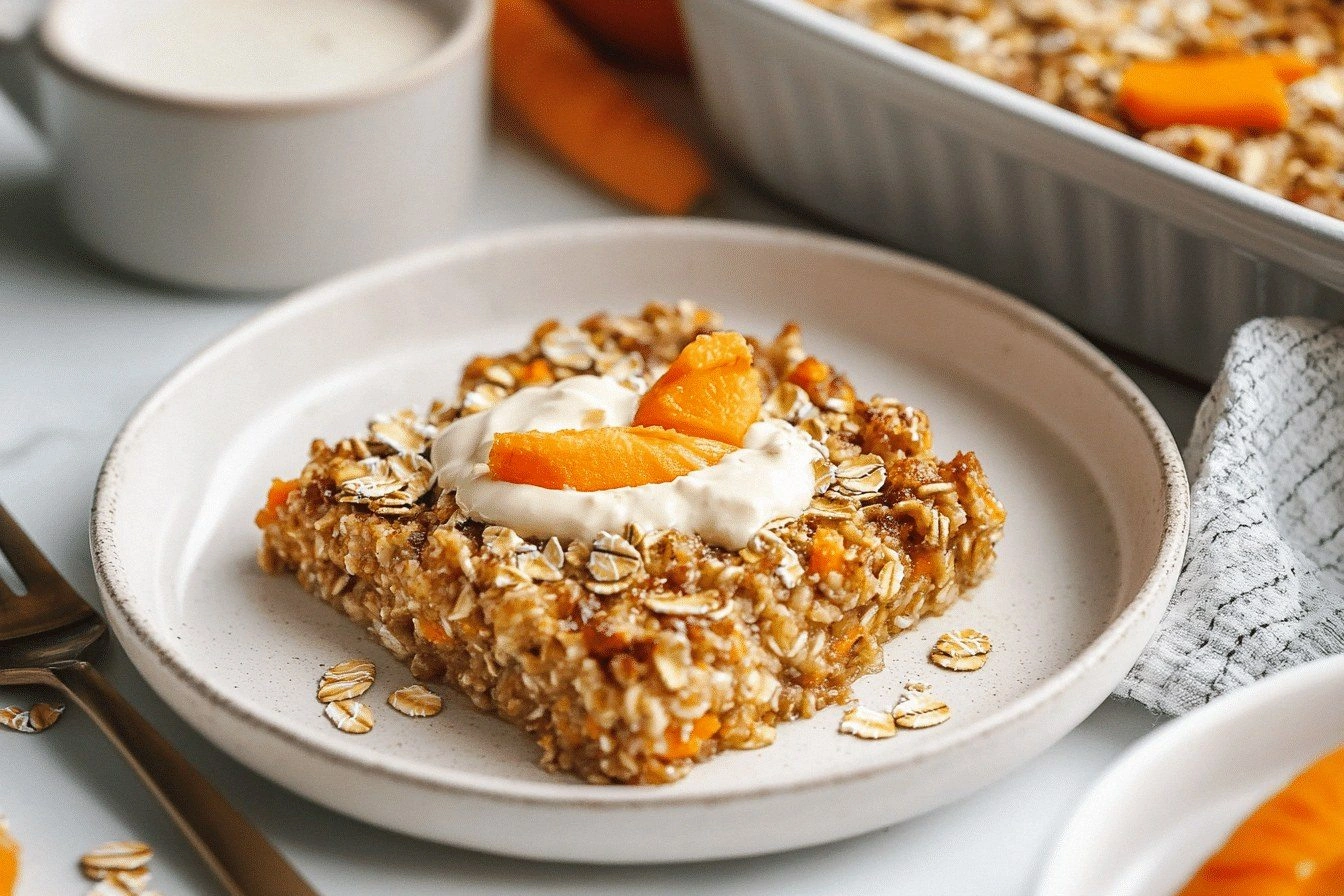
- Serve immediately with a dollop of Greek yogurt or a drizzle of maple syrup for extra richness. The loaf pairs wonderfully with a cup of green tea or a glass of almond milk. The first bite is a burst of sweet, spicy, nutty, and protein‑rich flavors that dance across your palate. If you’re feeling adventurous, sprinkle a pinch of sea salt on top to enhance the flavors. The loaf is perfect for a quick breakfast, a post‑workout snack, or a dessert that satisfies your sweet tooth.
- Enjoy! If you’re craving a second slice, I’m not judging. The loaf holds its moisture well, making it perfect for leftovers. I keep it in an airtight container in the fridge for up to four days, and it reheats beautifully with a splash of milk or yogurt. The next time you bake this loaf, you’ll know exactly how to get that perfect balance of sweet, spicy, and nutty flavors. Let me know in the comments how it turned out for you.
That's it — you did it. But hold on, I've got a few more tricks that'll take this to another level. These insider tips will help you avoid common pitfalls and elevate the loaf into a culinary masterpiece.
Insider Tricks for Flawless Results
The Temperature Rule Nobody Follows
Most bakers set the oven to 350°F, but the secret to a perfect loaf is a slightly lower temperature of 325°F (165°C). This slower bake allows the oats to absorb the liquid fully, resulting in a moister crumb. It also prevents the top from burning while the interior remains tender. I preheat the oven for 10 minutes at 325°F and then bake for 35 minutes. The loaf will have a golden crust that’s crisp on top but still soft inside.
Why Your Nose Knows Best
Your nose is your best ally when baking. As the loaf bakes, the aroma of cinnamon, nutmeg, and caramelized maple will fill the kitchen. If you notice a slight metallic scent, that means the oven is too hot, and you should lower the temperature. A sweet, buttery scent indicates the loaf is baking correctly. Trust your senses; if it smells like a warm bakery, you’re on the right track.
The 5-Minute Rest That Changes Everything
Letting the loaf rest for 5 minutes after removing it from the oven is crucial. During this rest, the steam continues to cook the interior, ensuring the crumb is fully set. It also allows the top to firm up, making slicing easier. I keep the loaf on a wire rack for exactly 5 minutes before lifting it out of the pan. The result is a loaf that holds its shape and is easy to slice.
Mixing Method Matters
A gentle fold is the key to a tender crumb. Over‑mixing activates too many gluten strands, leading to a dense loaf. Use a rubber spatula to fold the batter until just combined. This method keeps the batter airy and light. I also avoid using a whisk for the final mix; a spatula preserves the batter’s texture.
Choosing the Right Oats
Old‑fashioned rolled oats give the loaf a chewy texture and a nutty flavor. Quick oats absorb liquid too fast, resulting in a mushy loaf. If you prefer a lighter texture, you can mix rolled oats with instant oats in a 2:1 ratio. The key is to let the oats absorb the liquid before baking. I always use old‑fashioned oats for the best results.
Creative Twists and Variations
This recipe is a playground. Here are some of my favorite ways to switch things up:
Chocolate Chip Power
Swapping the walnuts for dark chocolate chips adds a rich, bittersweet layer. The chocolate melts into the oatmeal, creating pockets of gooey delight. I use ½ cup of dark chocolate chips and add a pinch of sea salt to balance the sweetness. The result is a decadent, protein‑rich treat that feels like a dessert.
Spiced Banana Boost
Add 1 mashed ripe banana to the batter for natural sweetness and extra potassium. The banana also adds a subtle fruit flavor that pairs well with the spices. I replace half the maple syrup with the banana’s natural sugars, keeping the loaf moist. The banana enhances the texture, making the loaf slightly denser but incredibly flavorful.
Almond Butter Swirl
Fold in ¼ cup of almond butter for a nutty, creamy swirl. The almond butter adds healthy fats and a subtle nutty flavor that complements the walnuts. I swirl the almond butter into the batter before baking, creating a marbled effect. The loaf becomes a protein powerhouse with a rich, buttery taste.
Vegan Edition
Replace the eggs with a flaxseed binder: mix 1 tablespoon of ground flaxseed with 3 tablespoons of water and let it sit for 5 minutes. Use a dairy‑free protein powder and coconut yogurt to keep the loaf vegan. The texture remains tender, and the flavor is just as delicious. This version is perfect for those following a plant‑based diet.
Berry Surprise
Add ½ cup of fresh or frozen berries for a burst of tartness. The berries release juice during baking, creating a subtle glaze on the loaf. I use blueberries or raspberries, which pair wonderfully with the warm spices. The result is a colorful, protein‑rich loaf with a fruity twist.
Extra Crunch
Mix in a cup of shredded coconut for an extra layer of crunch. The coconut adds a tropical flavor that balances the spices. I toast the coconut lightly before adding it to the batter. The final loaf has a delightful crunch and a subtle coconut aroma.
Storing and Bringing It Back to Life
Fridge Storage
Store the loaf in an airtight container at room temperature for up to 4 days. If you prefer a cooler environment, keep it in the refrigerator for up to 7 days. The loaf stays moist and flavorful, thanks to the yogurt and maple syrup. I wrap it tightly in parchment paper before placing it in the container to preserve freshness.
Freezer Friendly
Wrap the loaf in plastic wrap and then in foil before freezing. It can stay in the freezer for up to 3 months. When ready to eat, thaw the loaf at room temperature for 2–3 hours. The texture remains tender, and the flavors stay intact. I recommend reheating slices in a toaster oven for a crisp finish.
Best Reheating Method
Reheat slices in a microwave for 20–30 seconds, then finish in a skillet with a splash of milk or yogurt to restore moisture. The key is to add a tiny splash of liquid before reheating; it steams the loaf back to perfection. I also like to sprinkle a pinch of cinnamon on top for a fresh aroma. The result is a warm, comforting slice that tastes just like fresh.