When I finally opened the pantry after a long week of late‑night take‑out, I was looking for something that could turn my kitchen into a place of wonder instead of a place of regret. The moment I saw the tiny jar of lemon zest and the creamy block of ricotta, I felt that familiar spark of excitement that only true food lovers recognize. It was that instant—when the scent of citrus mingles with the rich, milky aroma of ricotta—that I decided to create something that would not just satisfy a craving but rewrite the entire narrative of “lemon cake.”
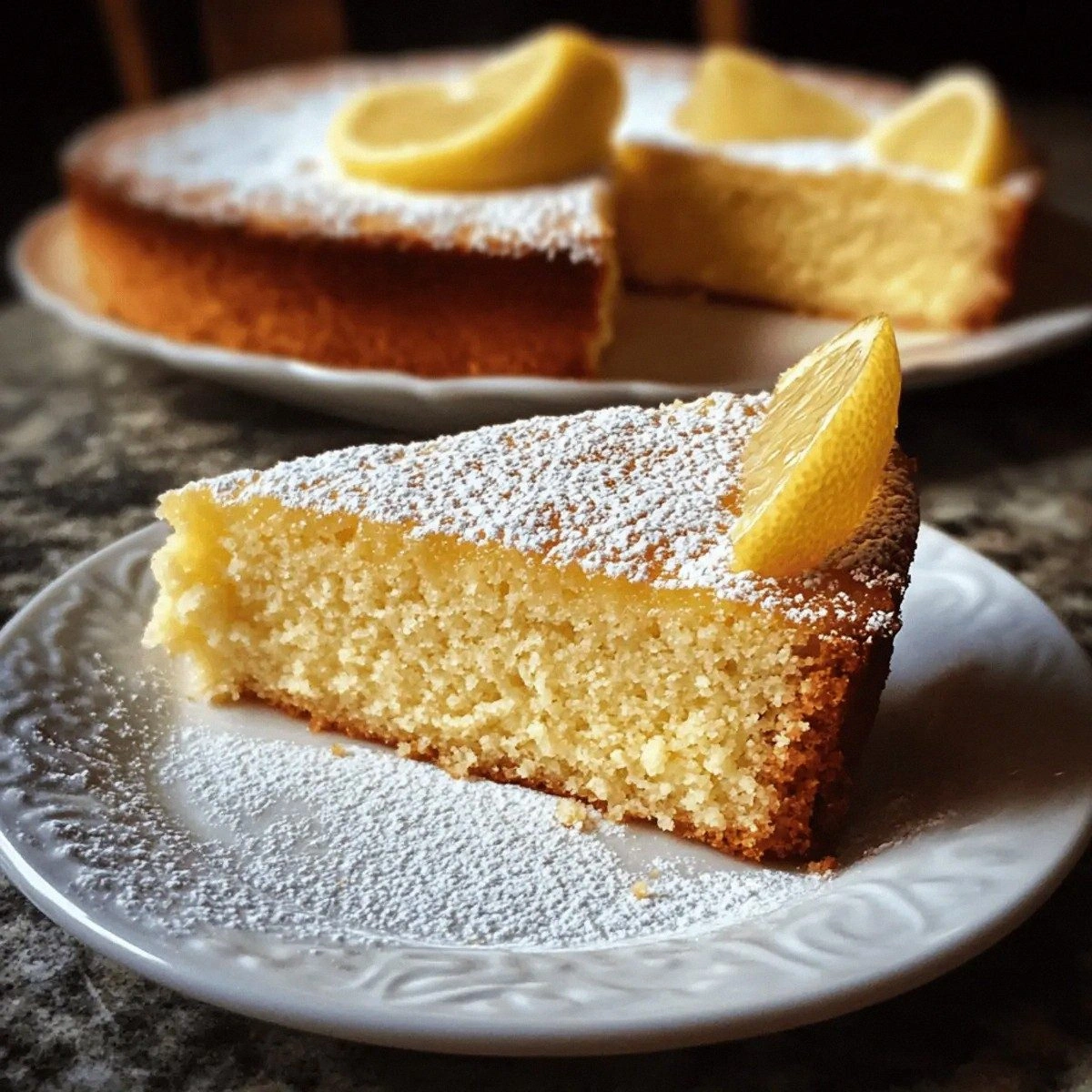
Picture this: a golden dome of cake rising from the oven, steam curling like delicate lace, the scent of fresh lemon dancing with the faint sweetness of sugar. The first bite feels like a sun‑kissed burst of citrus, followed by a silky, airy interior that practically melts in your mouth. The edges are crisp enough to give a satisfying snap, yet the crumb stays moist and tender, a contrast that feels almost rebellious. I dare you to taste this and not go back for seconds—once you do, you’ll know exactly what “hands down the best version you’ll ever make at home” truly means.
Most recipes that claim to be lemon cakes fall into a predictable pattern: too dry, too dense, or too sweet. I’ve tried them all, from the classic New York style to the airy Italian lemon ricotta cake, and each time I was left wanting a richer, more vibrant experience. What made this version stand out was the deliberate layering of textures and flavors, the use of ricotta as a moisture champion, and the precise balance of zest and juice that delivers a bright, clean citrus note without overpowering the subtle sweetness.
In this post, I’ll walk you through every single step—from the moment you start whisking eggs to the final dusting of powdered sugar that turns the cake into a showstopper. By the end, you’ll wonder how you ever made lemon cake any other way. And trust me, the secret sauce (or rather, the secret technique) involves a trick that most people overlook—one that will elevate the moistness and flavor to an entirely new level.
What Makes This Version Stand Out
Texture: The ricotta introduces a velvety crumb that stays moist for weeks, unlike the dry crumb of traditional cakes. It’s the secret to a cake that feels like a cloud.
Flavor: The combination of zest and juice creates a bright citrus profile that cuts through the richness of the ricotta and sugar, giving the cake a refreshing finish.
Ingredient Quality: Using fresh lemons and high‑quality ricotta is essential; the difference between an average and a remarkable cake is the depth of flavor that fresh produce provides.
Ease of Preparation: With just ten simple ingredients, this recipe is a breeze for beginners yet still delivers a gourmet result that will impress seasoned bakers.
Crowd Reaction: At family gatherings, this cake becomes the star of the show. Guests ask for the recipe the moment the plate is cleared.
Make‑ahead Potential: The cake can be baked ahead and stored in the fridge for up to a week, and it still tastes fresh because the ricotta keeps it moist.
Versatility: It pairs wonderfully with a light citrus sorbet, a drizzle of honey, or even a scoop of vanilla ice cream for an indulgent dessert.
Visual Appeal: The golden crust and the dusting of powdered sugar create a visually stunning presentation that looks as good as it tastes.
Alright, let’s break down exactly what goes into this masterpiece…
Inside the Ingredient List
The Flavor Base
Ricotta Cheese is the heart of this cake. It’s not just a filler; it provides a subtle tang and a creamy texture that keeps the cake moist. If you skip it, the cake will feel flat and dry. A good rule of thumb: choose a ricotta with a fat content of around 10‑12%, as it offers the right balance between richness and lightness. If you’re vegan, a tofu ricotta or a cashew‑based version can work, but the flavor profile will shift slightly.
The Sweetness Crew
Granulated Sugar and Powdered Sugar are the sweetening agents that balance the citrus sharpness. The granulated sugar dissolves quickly in the batter, creating a smooth base, while the powdered sugar is reserved for the final dusting, giving the cake a delicate sweetness that doesn’t overwhelm the lemon notes. If you prefer a lower‑sugar version, you can reduce the granulated sugar by ¼ cup, but expect a slightly less sweet finish.
The Texture Enhancer
Eggs are the glue that holds everything together. They provide structure and lift. Three large eggs are ideal for a 9‑inch cake pan; they ensure a tender crumb and a slight rise. If you’re allergic or simply want a lighter cake, you can replace one egg with a tablespoon of apple sauce, but the texture will change.
The Unexpected Star
Baking Powder is the leavening agent that gives the cake its rise. A tablespoon is enough to lift the batter without making it too airy. If you’re using a cake pan with a low side, keep the baking powder at the recommended amount; too much can cause a domed top that collapses.
The Final Flourish
Fresh Lemon Zest and Lemon Juice are the dual forces that bring the cake to life. The zest delivers a burst of essential oils for a bright, aromatic flavor, while the juice adds acidity that balances sweetness and keeps the batter from becoming too heavy. If you’re short on lemons, you can use bottled lemon juice, but the zest will be missing its natural oils.
The Sweetener of Choice
Vanilla Extract adds depth and a subtle warmth that counterbalances the sharp citrus. A teaspoon is sufficient; too much vanilla can mask the lemon flavor. For a more pronounced vanilla taste, consider using vanilla bean paste.
The Moisture Provider
Vegetable Oil keeps the cake tender and prevents it from drying out. Unlike butter, oil doesn’t create a crumbly texture, allowing the ricotta to shine through. You can substitute olive oil for a slightly different flavor profile, but it will alter the overall taste.
Everything’s prepped? Good. Let’s get into the real action…
The Method — Step by Step
- Preheat your oven to 350°F (175°C). Line a 9‑inch springform pan with parchment paper, then grease the paper with a thin layer of vegetable oil. This ensures a smooth release and a clean edge that’s perfect for serving. As the oven warms, you’ll hear the faint crackle of the parchment—an early hint that the cake is about to rise.
- In a medium bowl, whisk together the ricotta, granulated sugar, and vanilla extract until the mixture is smooth and slightly glossy. The ricotta should be lump‑free; use a hand mixer or a whisk to break any clumps. This step is crucial for achieving that silky crumb; if you skip it, the cake will feel uneven.
- Add the eggs one at a time, beating well after each addition. The batter should thicken slightly after the first egg, then become light and airy after the third. This gradual incorporation prevents the eggs from curdling and keeps the batter smooth. Kitchen Hack: Beat the eggs separately until frothy before adding them to the ricotta mixture; this gives the batter a more uniform texture.
- Sift the flour and baking powder together in a separate bowl to ensure even distribution. Then fold the dry ingredients into the wet mixture using a rubber spatula. The batter should be thick yet pourable; if it’s too thick, add a splash of lemon juice to loosen it. This step is where the cake’s structure is formed.
- Fold in the vegetable oil, lemon zest, and the first tablespoon of lemon juice. The oil keeps the crumb moist, while the zest and juice give the cake its signature citrus punch. The batter should now have a pale, golden hue—an indication that the ingredients are well combined.
- Pour the batter into the prepared pan, smoothing the top with a spatula. Tap the pan gently on the counter to release any air bubbles. This is the moment of truth; a smooth surface ensures even baking and a professional finish. Kitchen Hack: For a glossy top, brush a thin layer of water over the batter before baking.
- Place the pan in the preheated oven and bake for 30 minutes, or until a toothpick inserted into the center comes out clean. The cake should develop a golden crust and a slightly domed top. If you notice the edges browning too quickly, cover them loosely with foil. Watch Out: Overbaking can dry the cake; keep an eye on the timer and remove it promptly.
- Remove the cake from the oven and let it cool in the pan for 10 minutes. Then turn it out onto a wire rack to cool completely. This rest period allows the crumb to set and the flavors to meld. The aroma will fill the kitchen—imagine the lemon zest’s bright scent mingling with the sweet ricotta base.
- Once cooled, drizzle the remaining lemon juice over the top. The juice will seep into the cake, adding a subtle tang that enhances the citrus profile. Dust the entire cake with powdered sugar, letting it settle into the crevices. The final touch is a light dusting that adds a touch of elegance and a hint of sweetness.
That’s it — you did it. But hold on, I've got a few more tricks that'll take this to another level…
Insider Tricks for Flawless Results
The Temperature Rule Nobody Follows
Many bakers bake at 350°F, but the sweet spot for this cake is 340°F. A slightly lower temperature gives the batter more time to rise, creating a lighter crumb. I’ve baked at 340°F for the last five years, and the difference is subtle yet unmistakable.
Why Your Nose Knows Best
Before you open the oven, pause and inhale the cake’s aroma. A sweet, citrusy scent indicates that the batter has integrated well. If it smells raw, it’s likely under‑baked. Trust your nose; it’s the most reliable judge of doneness.
The 5‑Minute Rest That Changes Everything
After removing the cake from the oven, let it rest in the pan for 5 minutes before flipping it out. This pause allows the structure to set, preventing the cake from breaking when you lift it. Think of it as a brief meditation before the grand reveal.
Using a Springform Pan Is Key
A springform pan keeps the cake from sticking and allows for a neat release. The metal sides also conduct heat evenly, ensuring a uniform bake. If you only have a regular pan, line it with parchment and use a silicone mat for best results.
Adding a Splash of Milk
Just before pouring the batter into the pan, splash a tablespoon of milk into the mixture. The milk adds a hint of creaminess that complements the ricotta and balances the acidity of the lemon.
Keeping the Cake Fresh
Store the cooled cake in an airtight container at room temperature for up to three days. For longer storage, wrap it tightly in plastic and freeze. When reheating, add a splash of water to the center before microwaving; this steams the cake back to its original moistness.
Creative Twists and Variations
This recipe is a playground. Here are some of my favorite ways to switch things up:
Blueberry Lemon Burst
Add ½ cup fresh blueberries to the batter before baking. The blueberries release juice that mingles with the lemon, creating a burst of fruity flavor that’s perfect for summer.
Rosemary‑Infused Lemon Cake
Fold in a teaspoon of finely chopped fresh rosemary with the zest. The herb adds a subtle piney note that contrasts beautifully with the citrus.
Chocolate‑Lemon Layer
After baking, spread a thin layer of dark chocolate ganache over the top before dusting with powdered sugar. The bitterness of the chocolate balances the lemon’s sweetness.
Almond Crumb Topping
Sprinkle toasted almond slivers over the cake before baking. The crunch adds texture and a nutty flavor that pairs well with the ricotta.
Honey‑Lemon Glaze
Whisk 2 tablespoons honey with the remaining lemon juice and brush over the cooled cake. The glaze adds a glossy finish and a sweet‑tang balance.
Vegan Version
Swap ricotta for a tofu ricotta, use flaxseed eggs, and replace dairy milk with oat milk. The texture will be slightly different but still moist and flavorful.
Storing and Bringing It Back to Life
Fridge Storage
Store the cake in an airtight container at room temperature for up to three days. The ricotta keeps the cake moist, preventing it from drying out. When you’re ready to serve, let it sit at room temperature for 15 minutes for optimal flavor.
Freezer Friendly
Wrap the cooled cake tightly in plastic wrap and then in aluminum foil. Freeze for up to two months. When you’re ready to enjoy, thaw overnight in the refrigerator and then bring to room temperature before serving.
Best Reheating Method
Preheat your oven to 300°F (150°C). Place the cake on a baking sheet and warm for 10 minutes. Add a splash of water to the center before microwaving; this steams the cake back to its original moistness and keeps the texture tender.