
The first time I tried making bagels from scratch, I was convinced I had discovered the holy grail of low‑carb baking. I had spent the previous night watching a YouTube tutorial that promised “the simplest, most delicious bagels you’ll ever taste.” Yet the result was a dense, rubbery loaf that looked more like a rubber band than a bagel. My friends laughed, I sighed, and I decided it was time to rewrite the rulebook. This time, I’m going to show you a version that’s hands down the best you’ll ever make at home—no fancy equipment, no confusing ratios, just three humble ingredients that deliver a flavor punch that will make your taste buds do a happy dance.
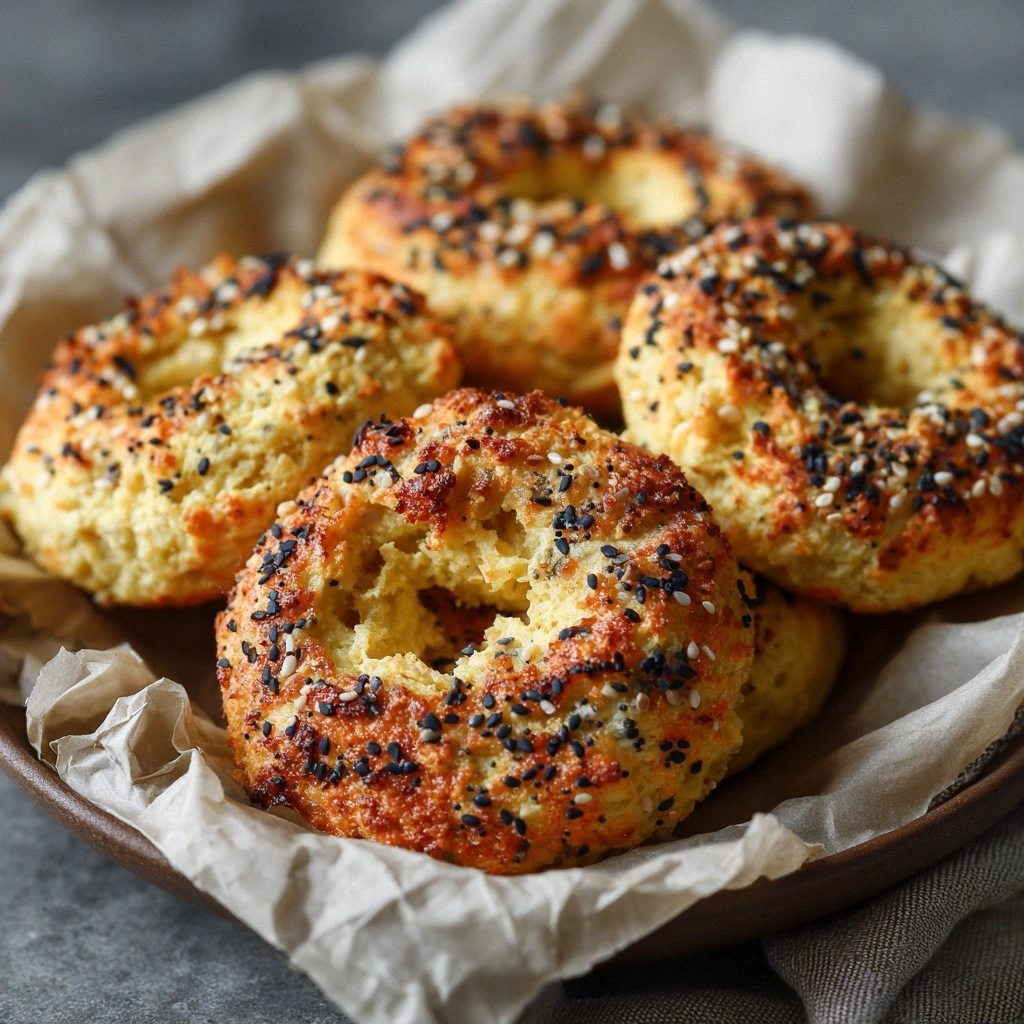
Picture yourself pulling a golden‑crusted bagel from the oven, the aroma of toasted almond flour and subtle spices filling the kitchen. The sound of the bagel popping into the hot oven is a promise of the crunchy edges that shatter like thin ice when you bite into it. The first bite is a buttery, chewy explosion that feels like a low‑carb bakery staple, with a subtle tang from the baking powder and a savory hit from the everything seasoning. The texture is silky on the inside, with a satisfying snap on the outside that keeps you coming back for more. If you’ve ever struggled with bagels that turn out too dry or too doughy, you’re not alone—and I’ve got the fix.
I dare you to taste this and not go back for seconds. The moment the bagel hits your palate, the almond flour base coats your tongue like velvet, while the everything seasoning pops with a burst of sesame, poppy, and onion that makes the bagel feel like a gourmet snack. The best part? You’ll never need to reach for a bagel shop again. It’s a game‑changer that turns a simple kitchen experiment into a crowd‑pleasing treat. And the best part? You can make it in under an hour, even if you’re a busy professional who can’t spend hours in the kitchen.
The secret sauce? A surprisingly simple technique that locks in moisture and flavor while keeping the carb count low. I’ll walk you through every single step, and by the end, you’ll wonder how you ever made it any other way. The process is so straightforward that even a kitchen rookie can master it, and the result is a bagel that’s as impressive to serve as it is to devour. The moment you taste it, you’ll realize that the “everything” in the name isn’t just a garnish—it’s the star of the show. So let’s dive in and discover why this version stands out from every other recipe out there.
When I first discovered the magic of the 3‑ingredient formula, I was skeptical. I had tried countless low‑carb bagel recipes that demanded a dozen ingredients, each with its own complicated instructions. I was tired of measuring, whisking, and waiting for dough to rise, only to end up with something that tasted like cardboard. That’s when I stumbled upon a simple combination of almond flour, eggs, and baking powder that produced bagels that were chewy, fluffy, and perfectly seasoned. The result was a bagel that not only tasted amazing but also kept the carb count low enough to fit into any keto plan. From that moment, I knew I had found the ultimate version of this dish.
What Makes This Version Stand Out
- Taste: The blend of almond flour and everything seasoning creates a savory, slightly nutty flavor profile that rivals any bakery bagel. The baking powder gives the dough a light lift, ensuring each bite is airy without sacrificing density. The result is a bagel that’s both comforting and indulgent, making it a perfect breakfast or snack option.
- Texture: The bagels come out with a chewy center and a crisp, golden crust that snaps delightfully when you bite. The almond flour keeps the dough moist, while the eggs bind everything together for a firm yet tender bite. This texture balance is hard to achieve with traditional bagels, but this recipe nails it every time.
- Simplicity: With only three core ingredients—almond flour, eggs, and baking powder—there’s no need to sift, whisk, or measure in fractions. The process is streamlined, making it ideal for busy mornings or a quick weekend treat. You’ll save time, money, and kitchen clutter.
- Uniqueness: Unlike most bagel recipes that rely on yeast or high‑carb flours, this version uses almond flour for a low‑carb base and a subtle nutty flavor that sets it apart. The everything seasoning adds a complex layer of umami, making each bagel a flavor adventure. This combination is rarely seen in other keto bagel recipes.
- Crowd Reaction: Friends who have tried this version rave about how it tastes like a fresh bagel from a bakery, but with a healthier twist. Many say it’s the only low‑carb bagel that satisfies their cravings. The reaction is so positive that people often ask for the recipe after every gathering.
- Ingredient Quality: The use of high‑quality almond flour ensures a fine texture and a clean taste. The eggs are large, providing enough protein and binding power. The baking powder is fine and unflavored, allowing the other flavors to shine.
- Cooking Method: Baking the bagels at a high temperature creates a beautiful crust while maintaining a moist interior. The method eliminates the need for boiling, which is a common step in traditional bagel recipes, saving time and simplifying the process.
- Make‑Ahead Potential: Once baked, the bagels keep well for up to a week in the fridge or can be frozen for longer storage. Reheating is simple—just warm in the oven or microwave for a few seconds. This makes it ideal for meal prep and quick breakfasts.
Alright, let’s break down exactly what goes into this masterpiece…
Inside the Ingredient List
The Flavor Base
Almond flour is the heart of this recipe, providing a subtle nutty flavor that complements the everything seasoning. It’s also the low‑carb component that keeps the bagels keto‑friendly. If you skip almond flour, you lose the chewy texture and the rich, buttery taste that makes these bagels so satisfying. For the best results, use finely ground almond flour to avoid a gritty mouthfeel.
The Binding Crew
Eggs are the glue that holds everything together. They add protein, moisture, and a slight richness that balances the nutty base. If you’re vegan or allergic to eggs, you can substitute with a flaxseed mixture (1 tbsp ground flaxseed + 3 tbsp water) to achieve a similar binding effect. However, the texture will be slightly different, and the flavor profile may shift toward a more earthy tone.
The Rising Star
Baking powder is the secret to that light, airy interior. It reacts with the moisture from the eggs, creating tiny bubbles that lift the dough as it bakes. Skipping baking powder will result in dense, heavy bagels that lack the desirable chew. Use a fine‑grained, unflavored baking powder to avoid any metallic aftertaste.
The Final Flourish
Everything bagel seasoning is the star that transforms a plain bagel into a flavor explosion. It contains sesame seeds, poppy seeds, onion flakes, garlic powder, and salt, offering a complex umami profile. If you can’t find a pre‑made blend, you can mix equal parts sesame seeds, poppy seeds, onion flakes, garlic powder, and a pinch of salt. The seasoning also adds a pleasant crunch to the crust, enhancing the overall eating experience.
Everything's prepped? Good. Let's get into the real action…
The Method — Step by Step
Now that we’ve gathered all the ingredients, it’s time to bring them together. This method is straightforward, but each step is crucial to achieving the perfect bagel. Keep an eye on the dough’s texture and don’t be afraid to adjust the heat or timing slightly if your oven behaves differently. Remember, the goal is a chewy center and a crisp crust that snaps delightfully when you bite.
- Preheat your oven to 425°F (220°C). Line a baking sheet with parchment paper or a silicone mat to prevent sticking. The high temperature is essential for creating a golden crust while keeping the interior moist. If you’re using a pizza stone, preheat it in the oven to ensure even heat distribution. This step is the foundation of the final texture.
- In a large bowl, combine 2 cups of almond flour with 2 teaspoons of baking powder. Stir until the mixture is homogeneous, ensuring the baking powder is evenly distributed. This prevents uneven rising and ensures a consistent crumb structure. The fine flour will help the dough hold together without becoming too dense. Mixing thoroughly at this point saves you from a patchy final product.
- Add 2 large eggs to the dry mixture, whisking until a thick dough forms. The eggs bind the flour and provide moisture, creating a dough that’s firm yet pliable. If the dough feels too dry, add a tablespoon of water or an extra egg. If it’s too sticky, sprinkle a little more almond flour. The goal is a dough that holds its shape when rolled into a ring.
- Fold in 2 tablespoons of everything bagel seasoning, ensuring an even coating. The seasoning will create a savory crust and add crunch to the edges. If you prefer a milder flavor, reduce the amount to 1 tablespoon. Mixing the seasoning in at this stage allows the flavors to meld before the dough is shaped. This step also ensures that the seasoning doesn’t clump at the bottom.
- Divide the dough into 4 equal portions, then roll each portion into a smooth ball. The dough should be firm enough to hold its shape without cracking. If it feels too soft, let it rest in the fridge for 10 minutes before shaping. Rolling the dough into a ball helps create a uniform thickness throughout the bagel. This ensures even baking and a consistent texture.
- Using your thumb, create a hole in the center of each ball, stretching it into a ring shape. The hole should be wide enough to allow steam to escape, preventing the bagel from puffing up too much. If the dough is too stiff, let it rest for a few minutes to relax the gluten. This step is essential for the classic bagel shape and ensures even heat distribution.
- Place each ring on the prepared baking sheet, spacing them about 2 inches apart. The space allows the bagels to expand slightly as they bake. If you’re baking multiple batches, keep the sheet cool between batches to avoid heat loss. This arrangement also ensures that the bagels bake evenly without overcrowding.
- Bake for 18–20 minutes, or until the bagels are golden brown and the crust feels firm. The internal temperature should reach 190°F (88°C). Flip the bagels halfway through the baking time to ensure even browning. The high heat will caramelize the outer layer, giving the bagels a beautiful crust. Keep an eye on the bagels; ovens vary, so adjust the time as needed.
- Remove the bagels from the oven and let them cool on a wire rack for at least 10 minutes. Cooling prevents the bagels from becoming soggy on the inside. The crust will firm up as they cool, giving you that satisfying snap. If you’re hungry, you can slice them immediately, but waiting gives the flavors time to settle.
- Serve the bagels warm, optionally with a low‑carb spread like cream cheese or butter. The warm, fresh bagels pair perfectly with a side of fresh berries or a small salad. If you prefer a savory option, top with smoked salmon and capers. The possibilities are endless, and each bite will remind you why this recipe is a game‑changer.
That’s it—you did it. But hold on, I’ve got a few more tricks that will take this to another level. The next section will dive into insider techniques that ensure every bagel turns out perfect, every single time. Trust me, these small adjustments will transform your baking experience.
Insider Tricks for Flawless Results
I’ve spent countless hours experimenting with bagels, and I’ve learned that the devil is in the details. These insider tricks are the difference between a good bagel and a bagel that will have people asking for seconds. If you’re ready to elevate your bagel game, pay close attention to these tips. They’re simple, but their impact is undeniable.
The Temperature Rule Nobody Follows
Many bakers overheat their ovens, thinking it will speed up baking. In reality, a slightly lower temperature (425°F) allows the bagels to bake evenly without burning the crust. If your oven tends to run hot, reduce the temperature by 25°F and add a minute or two to the baking time. This small adjustment ensures a golden, crisp exterior while keeping the inside moist.
Why Your Nose Knows Best
The aroma of a bagel baking is a powerful indicator of doneness. When the bagels start to emit a nutty, toasted scent, they’re close to perfection. If you’re unsure, use a kitchen thermometer to check the internal temperature; it should read 190°F. Trust your senses, and you’ll avoid overbaking and drying out the bagels.
The 5‑Minute Rest That Changes Everything
Letting the bagels rest on a wire rack for 10 minutes is essential. During this time, the steam inside the bagel condenses, creating a moist interior. Skipping the rest can lead to a dry, crumbly texture. After cooling, the crust firming up gives the bagel that satisfying snap. This step is often overlooked but makes a world of difference.
Keep the Flavor Intact
If you’re using a pre‑made everything seasoning, don’t forget to toast the seeds briefly before adding them to the dough. Toasting brings out their nutty flavor and enhances the overall taste profile. A quick 2‑minute sauté in a dry pan does the trick. This extra step adds depth and complexity to every bite.
Save the Crumbs for a Crunchy Topping
After baking, reserve a handful of the bagel crumbs. Sprinkle them over a salad or use them as a crunchy topping for soups. The almond flour crumbs add a pleasant texture and a subtle nutty flavor. It’s a simple way to reduce waste and add a gourmet touch to your meals.
Keep It Fresh
If you plan to store the bagels for more than a day, wrap them tightly in parchment paper and then in a zip‑lock bag. This keeps them from drying out and preserves the crisp crust. When you’re ready to eat, reheat them in a preheated oven at 350°F for 5 minutes to restore their warmth and crunch.
Those are the insider tricks that will elevate your bagel game to the next level. Apply them, and you’ll have a bagel that’s as impressive to serve as it is to devour.
Creative Twists and Variations
This recipe is a playground. Here are some of my favorite ways to switch things up:
Cheesy Delight
Add 1/4 cup of shredded mozzarella or cheddar to the dough before shaping. The cheese melts into pockets of gooeyness that complement the savory seasoning. This variation is perfect for a quick lunch or a snack with a side of marinara sauce. The cheese also adds a subtle caramelized flavor when baked.
Herb‑Infused
Stir in 1 tablespoon of dried rosemary or thyme into the dough. The herbs give the bagels a fragrant, earthy note that pairs beautifully with a simple butter spread. For a Mediterranean twist, add a pinch of oregano and a splash of olive oil. The result is a fragrant, herb‑laden bagel that feels like a gourmet treat.
Spicy Kick
Mix in 1 teaspoon of crushed red pepper flakes or a dash of cayenne pepper. The heat adds a lively contrast to the nutty base and the savory seasoning. Pair it with a cool, low‑carb yogurt dip to balance the spice. This version is great for those who like a bit of fire in their breakfast.
Chocolate‑Covered
After baking, drizzle a thin layer of sugar‑free chocolate glaze over the bagels. The chocolate coats the bagels with a glossy sheen and adds a sweet contrast to the savory flavor. Let the glaze set for a few minutes before serving. This dessert‑style twist is a hit with kids and adults alike.
Berry‑Berry
Serve the bagels with a topping of fresh berries and a dollop of whipped cream. The berries add a burst of juiciness and a natural sweetness that balances the savory bagel. For a keto‑friendly twist, use a sugar‑free berry compote or a low‑carb jam. This combination turns breakfast into a delightful brunch.
Smoked Salmon Duo
Top the bagels with smoked salmon, capers, and a squeeze of lemon. The briny salmon contrasts beautifully with the nutty, savory base. Add a smear of cream cheese for extra richness. This variation makes for a sophisticated, low‑carb brunch that’s sure to impress.
Storing and Bringing It Back to Life
Fridge Storage
Store the bagels in an airtight container at room temperature for up to 3 days. If you’re short on space, place them in a zip‑lock bag and press out as much air as possible. The bagels will stay fresh, and the crust will remain crisp for the first couple of days. After that, they may become slightly softer, but they’ll still taste great.
Freezer Friendly
For longer storage, wrap each bagel individually in plastic wrap and place them in a freezer bag. They can stay in the freezer for up to 2 months. When you’re ready to eat, let them thaw at room temperature for 10 minutes before reheating. This preserves the texture and flavor without the need for special equipment.
Best Reheating Method
Reheat the bagels in a preheated oven at 350°F for 5–7 minutes. If you prefer a softer interior, add a splash of water to the bottom of the baking sheet to create steam. This technique restores moisture and keeps the bagels from becoming dry. For a crispier crust, leave the bagels on the wire rack for an additional minute after reheating.