
Picture this: it’s a rainy Saturday afternoon, the kind where you stare out the window, longing for something bright enough to cut through the gloom. I was halfway through a marathon of sitcom reruns when a sudden craving for something that tasted like sunshine struck me like a bolt of citrus. I raided the pantry, grabbed a lemon that was practically begging to be zested, and set out to create a cookie that would make even the gloomiest clouds part. Spoiler alert: the first batch turned into a sticky mess that clung to the spoon like a clingy ex, but that disaster sparked the ultimate version of Lemon Swirl Frosted Sugar Cookies you’re about to master.
The kitchen quickly filled with a perfume that could convince a perfumer to bottle it for a new fragrance line – bright lemon zest mingling with sweet vanilla and the buttery whisper of melted butter. You could hear the faint crackle of the mixer as it turned the dough into a glossy, golden paste, and feel the cool dough under your fingertips as you rolled it into perfect discs. When the cookies finally hit the oven, the heat coaxed them into a gentle rise, and the scent that escaped the door was pure, unadulterated sunshine. I dare you to taste this and not go back for seconds; the first bite is a crisp‑soft contrast that sings with citrusy zing and a frosting swirl that looks like a sunrise on a plate.
What makes this version truly stand out is the secret swirl technique that most recipes completely miss. While other bakers simply drizzle frosting on top, I fold a lemon‑infused buttercream into the frosting, creating ribbons that ripple through each bite. Most recipes get this completely wrong – they either over‑sweeten the frosting or forget the zest entirely, leaving you with a cookie that tastes like plain sugar. Here’s what actually works: a balance of tart lemon juice, aromatic zest, and a touch of milk to keep the frosting silky, plus a brief chill of the dough that guarantees that perfect snap on the edges.
And just when you think you’ve seen it all, I’ll reveal a game‑changing ingredient that you won’t expect – a dash of finely ground almond flour. It adds a subtle nuttiness that lifts the lemon flavor without overpowering it, and it keeps the crumb tender. Okay, ready for the game‑changer? Let’s walk through every single step — by the end, you’ll wonder how you ever made cookies any other way.
What Makes This Version Stand Out
- Flavor Explosion: The combination of fresh lemon zest, juice, and a whisper of almond flour creates a bright, layered taste that feels like a summer day in every bite.
- Texture Harmony: A buttery, crisp edge gives way to a soft, melt‑in‑your‑mouth center, while the frosting adds a creamy contrast that’s neither too stiff nor too runny.
- Simplicity Meets Sophistication: Only pantry staples are needed, but the technique elevates the cookies to bakery‑level without any fancy equipment.
- Unique Swirl Technique: The frosting isn’t just slathered on; it’s swirled into the dough, creating a visual and flavor ripple that’s pure eye‑candy.
- Crowd Reaction: These cookies have a reputation for clearing plates at parties – guests keep coming back for that “sweet bite of sunshine.”
- Ingredient Quality: Using real lemon zest instead of extract makes the flavor authentic and aromatic, while high‑quality unsalted butter ensures a rich base.
- Cooking Method: A short chill of the dough before baking prevents spreading, guaranteeing uniform size and perfect edges.
- Make‑Ahead Potential: The dough can be frozen for up to a month, and the frosting stays fresh in the fridge for a week, so you can prep ahead for any occasion.
Inside the Ingredient List
The Flavor Base
Fresh Lemon Zest (2 Tbsp): This is the star that delivers that punch of citrus aroma. Zesting the peel, not the white pith, ensures a fragrant oil that brightens the dough without bitterness. If you skip it, you’ll lose the sunburst flavor that defines these cookies.
Fresh Lemon Juice (2 Tbsp): A splash of juice adds acidity that balances the sweetness and helps the frosting set with a glossy finish. In a pinch, bottled lemon juice works, but the fresh version has a cleaner taste.
Vanilla Extract (1 tsp): Vanilla rounds out the citrus, providing a warm backdrop that prevents the lemon from being too sharp. A high‑quality pure extract makes a noticeable difference.
The Texture Crew
All‑Purpose Flour (2 cups): The structure of any good cookie comes from flour. I recommend sifting it once to avoid clumps and to give the dough a lighter feel. Substituting with cake flour will make the cookies overly tender, while whole‑wheat adds a nutty bite that can overwhelm the lemon.
Almond Flour (¼ cup): This is the unexpected star that adds a subtle nuttiness and keeps the crumb tender. If you’re allergic, you can replace it with an equal amount of oat flour, but the texture will be slightly denser.
Baking Powder (½ tsp) & Baking Soda (¼ tsp): These leaveners work together to give the cookies a gentle rise and a delicate crumb. Too much soda can make them soapy, so stick to the amounts.
The Sweet Backbone
Unsalted Butter (¾ cup, softened): Butter is the foundation of flavor and texture. Using unsalted lets you control the salt level precisely. If you only have salted butter, reduce the added salt by half.
Granulated Sugar (1 cup): This provides sweetness and contributes to the crisp edges. For a deeper caramel note, you could swap half the granulated sugar for light brown sugar, but the color will shift.
Egg (1 large): The egg binds the ingredients and adds richness. A room‑temperature egg incorporates more evenly, preventing a grainy texture.
The Final Flourish
Confectioners’ Sugar (1 cup): The frosting’s sweetness comes from this fine sugar, which dissolves quickly for a smooth finish. Sift it to avoid lumps that could make the frosting gritty.
Butter for Frosting (2 Tbsp, softened): This butter keeps the frosting creamy and helps it hold its shape when swirled. Using the same brand as the dough butter maintains flavor consistency.
Milk (1 Tbsp): A splash of milk thins the frosting just enough for a silk‑like texture without making it runny. You can substitute with half‑and‑half for extra richness.
Pinch of Salt: Even though the dough already has salt, a tiny pinch in the frosting amplifies the lemon’s brightness.
Everything’s prepped? Good. Let’s get into the real action…
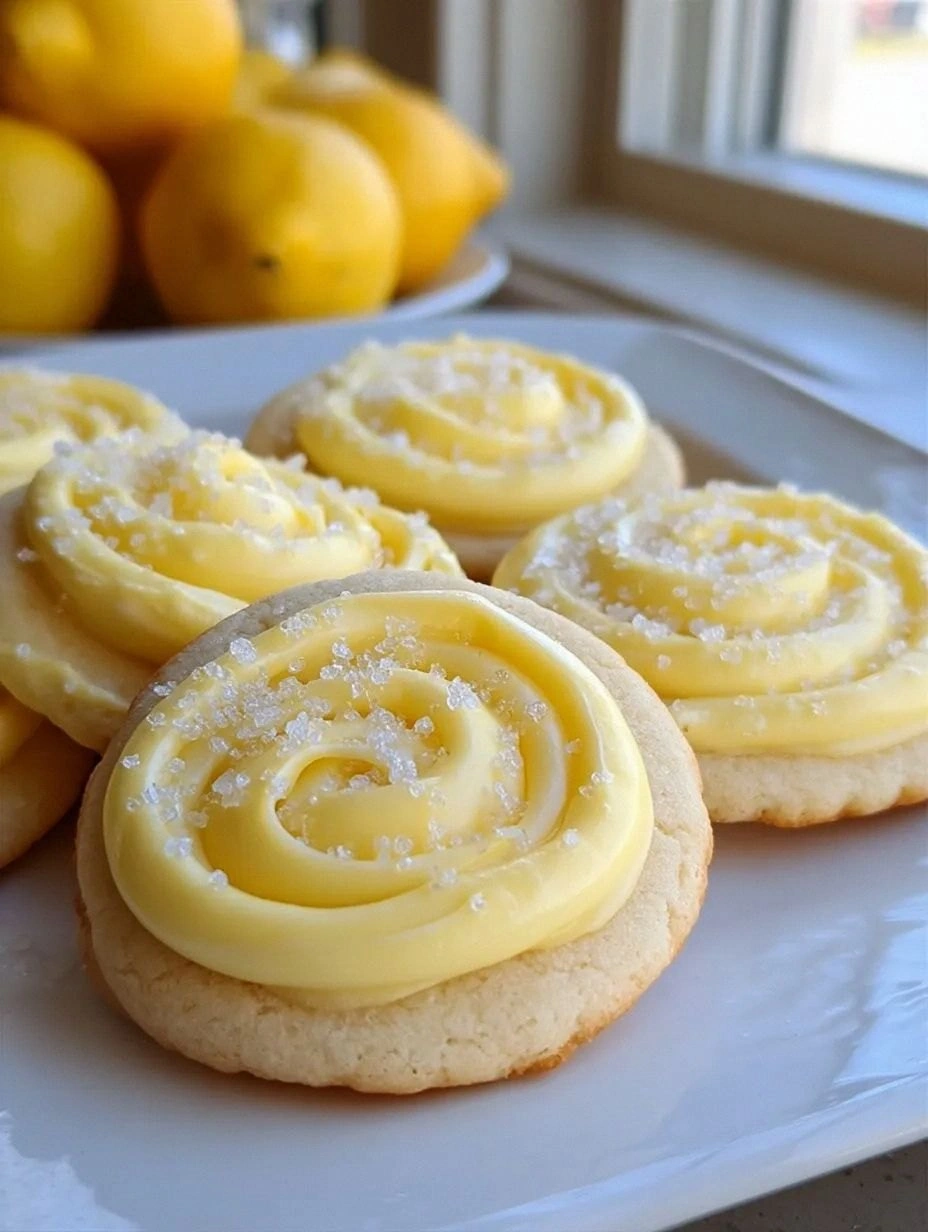
The Method — Step by Step
Start by whisking together the flour, almond flour, baking powder, baking soda, and salt in a large bowl. I like to sift the dry ingredients twice – the first sift catches any stray bits, the second ensures they’re aerated. When you stir them together, you’ll notice a faint, nutty scent from the almond flour. Power transition: Okay, ready for the game‑changer? This is where the lemon zest joins the party.
In a separate mixing bowl, cream the softened butter with the granulated sugar until the mixture turns pale and fluffy – think cloud‑soft, not grainy. This usually takes about 2‑3 minutes on medium speed. As you scrape down the sides, you’ll hear the faint sigh of sugar dissolving into butter, a sound that promises crisp edges later.
Kitchen Hack: Add the lemon zest at this stage; the heat from the creaming process releases the essential oils, infusing the butter with citrus before the dough even forms.Beat in the egg, followed quickly by the vanilla extract, fresh lemon juice, and the remaining 2 Tbsp of lemon zest. The mixture will look a little curdled – that’s normal. Keep beating just until everything is fully incorporated; over‑mixing at this point can develop gluten, leading to tougher cookies.
Gradually add the dry ingredient mixture to the wet, stirring with a spatula on low speed. The dough will come together into a soft, slightly sticky ball. At this moment, you’ll feel a faint resistance as the flour hydrates – that’s the gluten forming just enough for structure.
Wrap the dough tightly in plastic wrap, flatten it into a disc about 1‑inch thick, and refrigerate for at least 30 minutes. Watch Out: Skipping this chill step often results in cookies that spread too thin and lose that coveted edge‑to‑center contrast.
While the dough chills, prepare the frosting. Beat the softened butter for the frosting until smooth, then gradually add the confectioners’ sugar, a tablespoon of milk, a pinch of salt, and the remaining lemon zest. The frosting should be glossy and spreadable, not runny.
Watch Out: Over‑whipping the frosting can incorporate too much air, making it too light to hold the swirl pattern.Preheat your oven to 350°F (175°C) and line two baking sheets with parchment paper. Lightly flour the work surface, then roll the chilled dough to about ¼‑inch thickness. Use a cookie cutter (about 2‑inch diameter works best) to cut out circles. If you want uniform size, a bench scraper helps gather scraps back into a ball for re‑rolling.
Place a dollop of frosting in the center of each dough circle – about a teaspoon per cookie. Using a toothpick or a small offset spatula, gently swirl the frosting into the dough, creating a marbled effect that looks like sunrise. This step is pure magic; the frosting will partially bake into the cookie, giving a soft, creamy pocket.
Transfer the cookies to the prepared baking sheets, spacing them about 2 inches apart. Bake for 10‑12 minutes, or until the edges are a light golden brown and the tops have set but not darkened. You’ll know they’re done when the fragrance of lemon and butter fills the kitchen and the centers feel firm to the touch.
Allow the cookies to cool on the sheet for 5 minutes before moving them to a wire rack. As they cool, the frosting firms up slightly, creating that perfect bite‑size swirl. Once completely cooled, store them in an airtight container – they’ll stay fresh for up to a week, and the flavor actually deepens after a day.
That’s it — you did it. But hold on, I’ve got a few more tricks that’ll take this to another level…
Insider Tricks for Flawless Results
The Temperature Rule Nobody Follows
Never bake cookies straight from the fridge unless the dough has been chilled for at least 30 minutes. Cold dough spreads less, giving you a taller, fluffier cookie. I once tried a quick‑chill method (5 minutes) and ended up with flat, cracker‑like discs. The lesson? Patience is your best friend; a proper chill locks in that buttery melt‑in‑your‑mouth texture.
Why Your Nose Knows Best
When the cookies are in the oven, trust your sense of smell more than the timer. Around the 9‑minute mark, you’ll start to detect a sweet, citrusy aroma that’s stronger than the raw dough smell. That’s your cue to peek – the edges should be just starting to turn golden. If you wait too long, the frosting can caramelize and become bitter.
The 5‑Minute Rest That Changes Everything
After baking, let the cookies rest on the sheet for exactly five minutes before moving them. This short rest allows the steam trapped inside to finish cooking the center gently, preventing a gummy middle. Skipping this step often leaves a doughy core that feels undercooked.
Swap the Sugar, Swap the Mood
If you crave a deeper flavor, replace half the granulated sugar with light brown sugar. The molasses in brown sugar adds a subtle caramel note that pairs beautifully with lemon. I tried this once and the cookies earned rave reviews for their “complex sweetness.”
Freeze‑Proof Dough
Want to bake on a whim? Portion the dough into 1‑inch balls, wrap each in parchment, and freeze. When you’re ready, bake them straight from the freezer; just add an extra minute to the baking time. The result? Fresh‑out‑the‑oven cookies whenever the mood strikes.
Creative Twists and Variations
This recipe is a playground. Here are some of my favorite ways to switch things up:
Lavender Lemon Dream
Swap 1 tsp of the lemon zest for 1 tsp dried culinary lavender. The floral notes complement the citrus, making these perfect for a spring tea party. Just be careful – lavender can be potent, so a little goes a long way.
Chocolate‑Lemon Fusion
Stir 2 Tbsp of melted dark chocolate into the frosting before swirling. The bittersweet chocolate balances the lemon’s brightness, creating a sophisticated flavor duo that’s ideal for adult gatherings.
Honey‑Glazed Version
Replace the granulated sugar with ¾ cup honey and reduce the butter by 2 Tbsp. Honey adds a subtle floral sweetness and a chewy texture. The cookies will brown a shade faster, so keep an eye on them.
Vegan Adaptation
Swap the butter for a plant‑based margarine, use a flax egg (1 Tbsp ground flaxseed + 3 Tbsp water) instead of a chicken egg, and choose a dairy‑free milk. The texture remains delightfully tender, and the lemon flavor shines just as brightly.
Spiced Autumn Twist
Add ½ tsp ground cinnamon and a pinch of nutmeg to the dry ingredients. The warm spices turn these cookies into a cozy fall treat, especially when paired with a cup of chai.
Mini Bite‑Size Versions
Use a smaller cutter (about 1 inch) and reduce bake time to 7‑8 minutes. These bite‑size delights are perfect for cocktail parties or as a garnish for desserts like ice cream.
Storing and Bringing It Back to Life
Fridge Storage
Place the cooled cookies in an airtight container with a paper towel on the bottom to absorb excess moisture. They’ll stay fresh for up to 7 days. If the frosting looks a bit dry after a few days, lightly brush the tops with a teaspoon of lemon‑infused simple syrup.
Freezer Friendly
Layer cookies between parchment sheets and seal the container tightly. They freeze beautifully for up to 3 months. When you’re ready to enjoy them, let them thaw at room temperature for 15 minutes, then give them a quick 2‑minute warm‑up in a 300°F oven to revive that fresh‑out‑of‑the‑oven crisp.
Best Reheating Method
To bring a cookie back to life, preheat your oven to 300°F, place the cookie on a baking sheet, and add a tiny splash (about ½ tsp) of water on the side of the cookie. The steam will re‑hydrate the interior while the outer edge crisps up again. Within 5 minutes, you’ll have a cookie that tastes like it just left the oven.