Love this? Pin it for later! 📌
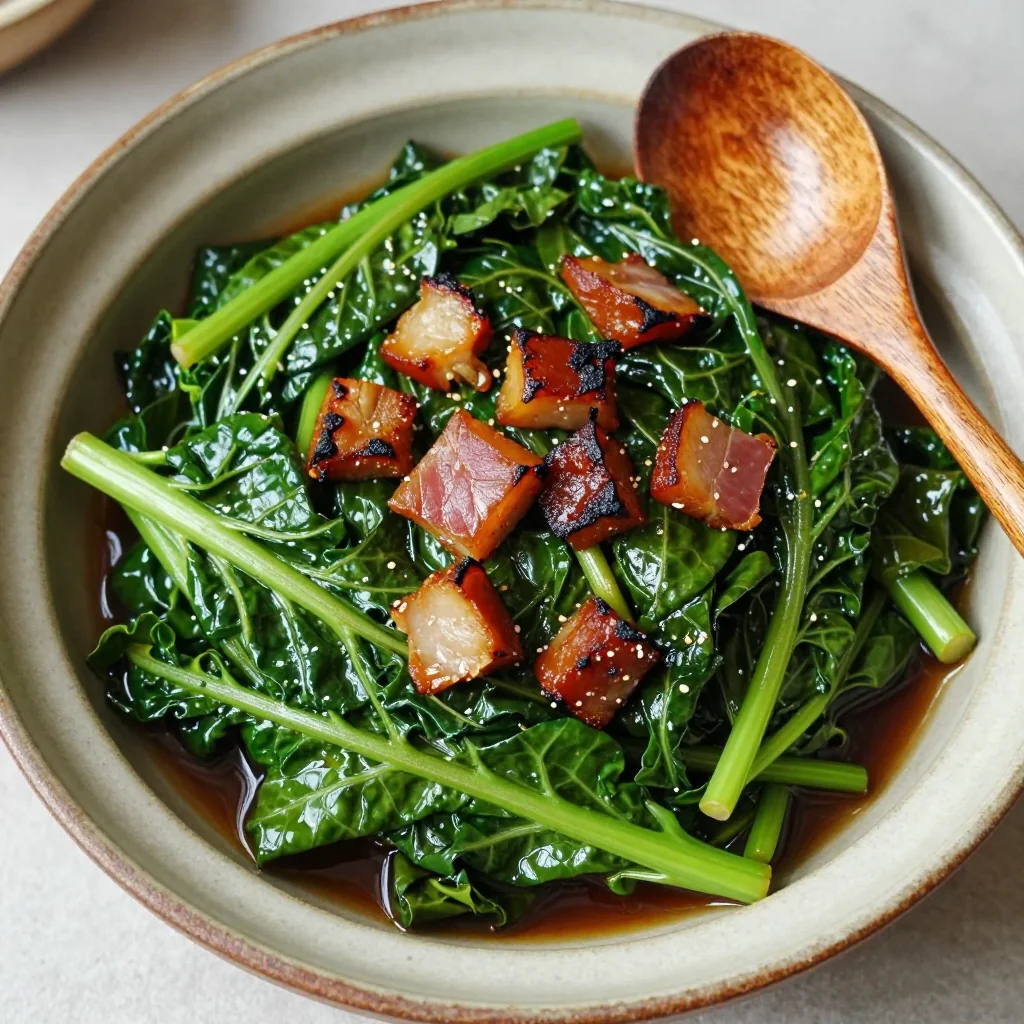
Every January, as Martin Luther King Jr. Day approaches, I find myself reflecting not just on Dr. King's profound impact on civil rights, but on the rich culinary heritage of the African American community that sustained the movement. These collard greens aren't just a side dish—they're a history lesson simmered low and slow, infused with the flavors of resilience, community, and hope that defined the Civil Rights Movement.
I first learned to make these greens from Mrs. Washington, my neighbor growing up in Atlanta, who would tell stories of feeding civil rights workers as she tended her massive pot of greens. "Child," she'd say, stirring the pot with a wooden spoon worn smooth from decades of use, "these greens fed marchers' bodies, but they also fed their souls. Every bite carries the strength of our ancestors." Now, every MLK Day, I recreate her recipe, sharing her stories with my own children as we prepare this dish together, turning our kitchen into a classroom where history comes alive through food.
Why This Recipe Works
- Historical Significance: Each ingredient tells a story of African American culinary heritage and the foods that sustained civil rights activists
- Authentic Flavor Profile: Traditional smoking techniques and slow cooking methods passed down through generations of Black cooks
- Nutrient-Dense: Collard greens pack more calcium than milk and more iron than spinach, providing the sustenance needed for long marches
- Feed a Crowd: This recipe easily serves 12-15, perfect for community gatherings and potlucks
- Make-Ahead Friendly: Flavors deepen overnight, making this ideal for preparing the day before your MLK Day celebration
- Educational Opportunity: Perfect for teaching children about the role of food in social justice movements
- Smoked Perfection: The ham hock adds authentic smoky flavor that was essential in traditional African American cooking
Ingredients You'll Need
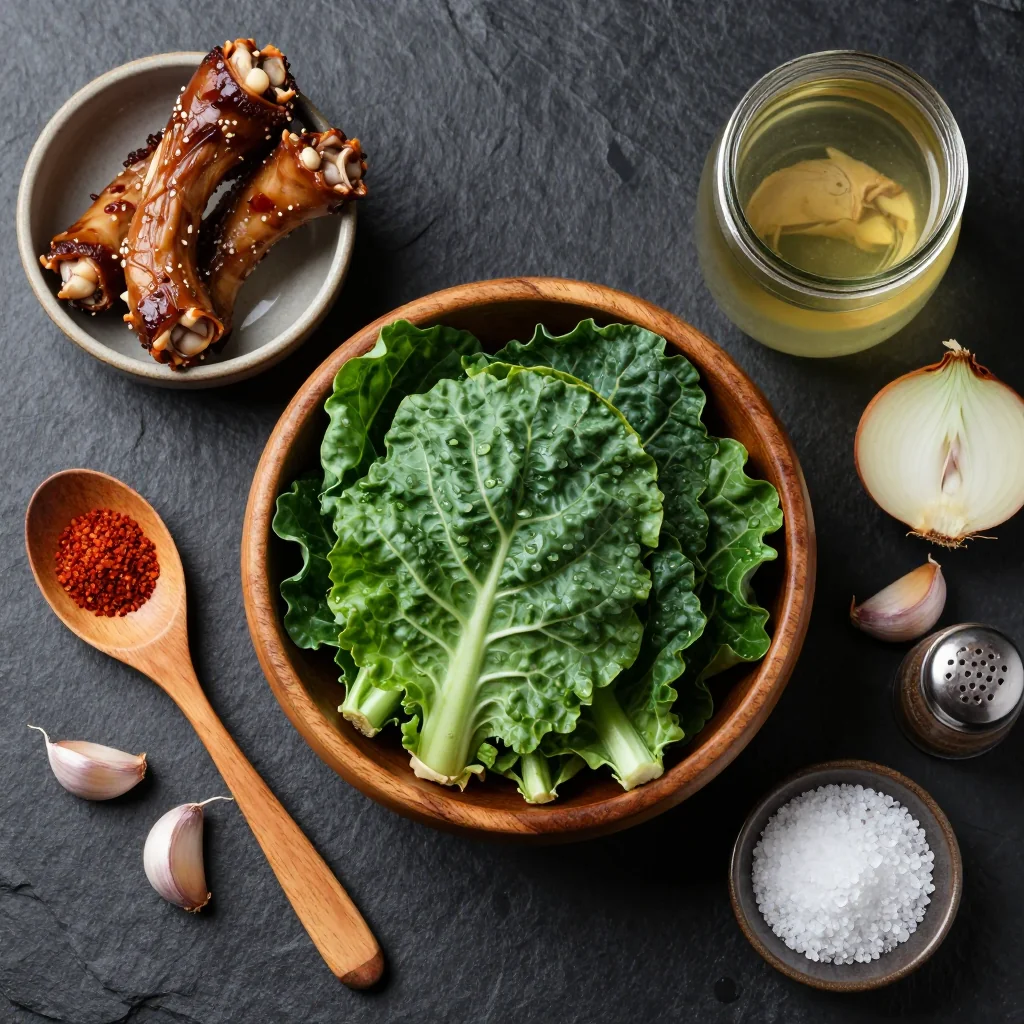
The beauty of this recipe lies in its simplicity—humble ingredients transformed through patience and love into something extraordinary. Each component carries historical significance, from the collard greens that African Americans have been growing since the 1600s to the smoked ham hock that adds depth and tells the story of preservation techniques developed during slavery.
The Greens
Collard Greens (3 pounds): Look for dark green, crisp leaves without yellowing. The stems should be firm and fresh. If you can, buy from Black-owned farms or farmers markets where you can often find heritage varieties. Remove the tough stems and tear the leaves into large pieces—this isn't just practical, it connects you to the hands that prepared these greens for generations. The size of your tear can tell stories: larger pieces for celebration, smaller for everyday meals.
The Smoked Meat
Smoked Ham Hock (1 large or 2 small): This is non-negotiable for authentic flavor. The ham hock provides the smoky, porky essence that transforms simple greens into soul food. If you can't find ham hock, substitute with smoked turkey wings or necks, which were often used when pork wasn't available. The bone is crucial—it releases collagen that gives the pot liquor its silky texture.
The Aromatics
Yellow Onion (1 large): Sweet and foundational, onions were often grown in kitchen gardens and represent the resourcefulness of African American cooks.
Garlic (6 cloves): Fresh garlic, smashed rather than minced, releases its oils slowly during the long cooking process.
Apple Cider Vinegar (1/2 cup): Essential for cutting through the richness and adding brightness. Vinegar was also used historically to help preserve the greens.
The Seasonings
Crushed Red Pepper Flakes (1 teaspoon): Adds gentle heat without overwhelming the dish. During the civil rights movement, this represented the fire of determination.
Smoked Paprika (2 teaspoons): Enhances the smoky flavor and adds beautiful color.
Chicken Stock (6 cups): Use homemade if possible, or low-sodium store-bought. The stock should be rich and golden.
The Finishing Touch
Hot Sauce (for serving): Traditional Louisiana-style hot sauce allows each person to customize their heat level.
How to Make Martin Luther King Jr. History Lesson Collard Greens
Prepare Your Greens with Intention
Fill your sink or a large basin with cold water. As you wash each collard green leaf, think about the hands that washed greens before you—enslaved cooks, domestic workers, church ladies preparing Sunday dinner. Remove the tough stems by folding each leaf in half and pulling the stem away. Tear the leaves into large pieces, about 2-3 inches. This isn't just prep work; it's an act of connection. Rinse the greens in several changes of water until no grit remains. The water should run clear, symbolizing the clarity of purpose that Dr. King preached.
Render the Ham Hock
In a heavy-bottomed pot or Dutch oven (at least 6-quart capacity), place the ham hock and add just enough water to cover. Bring to a boil, then reduce to a simmer. This initial boil helps remove excess salt and impurities. After 15 minutes, drain and rinse the ham hock. Return it to the pot with 1 tablespoon of oil. Brown the ham hock on all sides over medium-high heat, about 8-10 minutes total. This step builds the foundation of flavor through the Maillard reaction—those beautiful brown bits stuck to the bottom of the pot will dissolve into the cooking liquid, creating layers of taste that tell the story of transformation through adversity.
Build the Aromatic Base
To the same pot with the ham hock, add the diced onion. Cook until the onions are translucent and beginning to caramelize, about 8 minutes. Add the smashed garlic cloves and cook for another 2 minutes until fragrant. The smell filling your kitchen now is the smell of history—this is how African American cooks began countless meals, building flavor from simple ingredients. Add the red pepper flakes and smoked paprika, stirring for 30 seconds to bloom the spices. This releases their essential oils and ensures they distribute evenly throughout the dish.
Add the Greens and Liquid
Working in batches, add the collard greens to the pot. They'll seem like too much, but they'll cook down significantly. As each batch wilts, add more until all the greens are in the pot. This process takes about 5 minutes and requires some patience—like the civil rights movement itself, it can't be rushed. Pour in the chicken stock and apple cider vinegar. The vinegar serves multiple purposes: it adds brightness to balance the rich pork, helps tenderize the greens, and was traditionally used to help preserve the cooking liquid, known as "pot liquor," which was often saved and reheated throughout the week.
The Long Simmer
Bring the pot to a boil, then reduce to the lowest possible simmer. Cover partially, leaving a small gap for steam to escape. This is where the magic happens—the long, slow cooking that transforms tough greens into silky, flavorful vegetables infused with the essence of smoked pork. Cook for 2.5 to 3 hours, stirring occasionally. During this time, the collagen from the ham hock breaks down into gelatin, giving the pot liquor a silky texture that coats the greens. The greens will darken from bright green to a deep, forest green. This is not just cooking; it's alchemy, turning humble ingredients into something greater than the sum of their parts.
Season and Finish
After 2.5 hours, taste the greens and the pot liquor. They should be tender but not mushy, with a complex, smoky flavor. Remove the ham hock and let it cool slightly. Once cool enough to handle, pick off any meat, discarding the skin, fat, and bone. Shred the meat and return it to the pot. Season with salt and black pepper to taste—the ham hock adds saltiness, so you may not need much additional salt. Add more vinegar if you like your greens tangier. Some cooks add a teaspoon of sugar to balance the flavors, though this is optional and wasn't traditional in all regions.
Rest and Serve
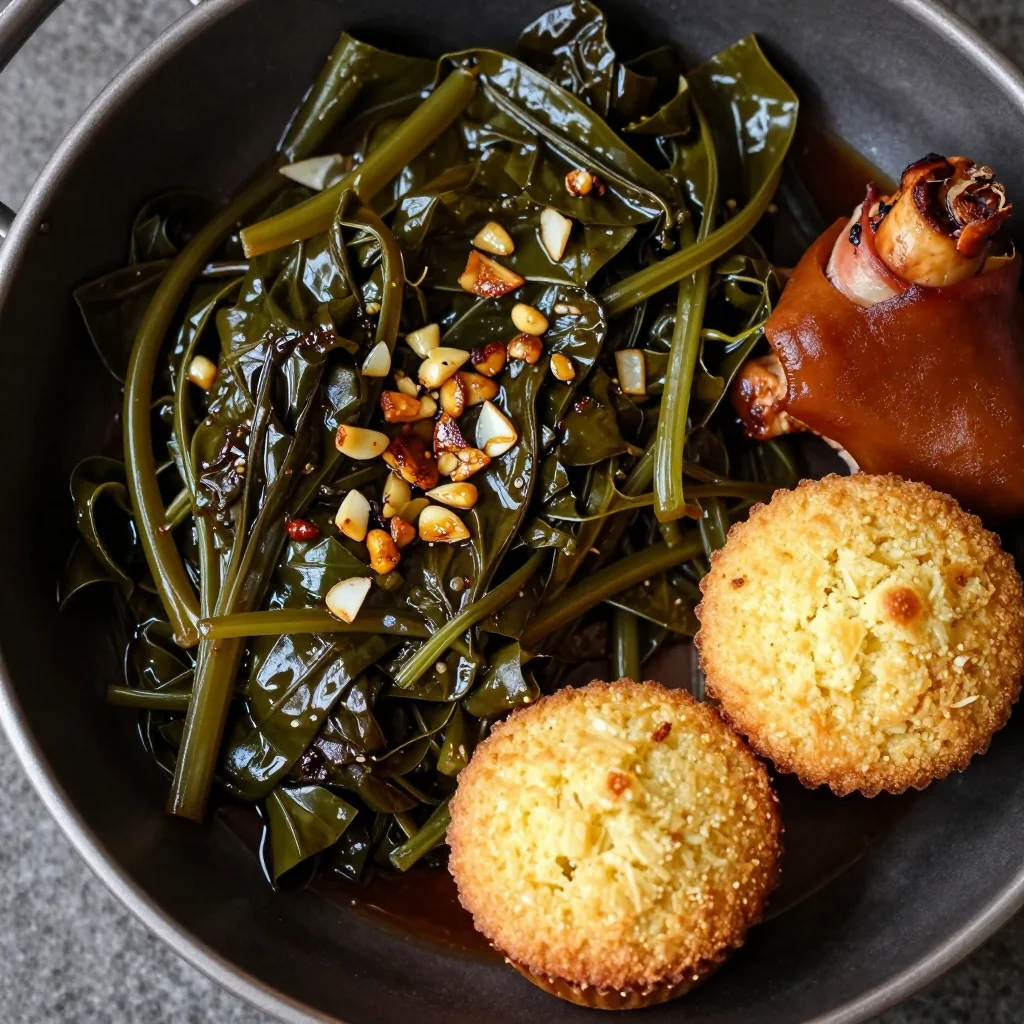
Turn off the heat and let the greens rest for 15 minutes before serving. This allows the flavors to meld and the temperature to drop slightly. Serve hot, with the pot liquor spooned over the top. Pass hot sauce at the table so each person can customize their heat level. The traditional accompaniment is cornbread, which is perfect for sopping up the flavorful pot liquor—never let this liquid gold go to waste. As you serve, share the stories: how collard greens were one of the few vegetables enslaved people were allowed to grow for themselves, how they became a symbol of survival and resilience, and how they nourished the bodies and souls of those fighting for freedom.
Expert Tips
The Pot Matters
Use a heavy-bottomed pot or enameled cast iron Dutch oven. Thin pots will scorch the greens and create hot spots. The investment in a good pot pays dividends—Mrs. Washington used the same cast iron pot for 40 years, seasoning it with love and history.
Don't Rush the Process
These greens cannot be hurried. The long cooking time is essential for developing flavor and achieving the proper texture. If you're short on time, make them the day before—like many stews, they're even better the next day.
Save the Pot Liquor
The cooking liquid, known as "pot liquor," is liquid gold. It's packed with nutrients and flavor. Save any leftovers and use it to cook rice, as a base for soup, or to reheat leftover greens.
Taste as You Go
Start tasting after 2 hours of cooking. Greens can vary in toughness depending on their age and growing conditions. They're done when tender but still have a slight bite—not mushy.
Make It Vegetarian
For a vegetarian version, substitute the ham hock with smoked paprika, liquid smoke, and a piece of kombu seaweed for umami. Add 2 tablespoons of olive oil for richness.
Clean Greens Thoroughly
Nothing ruins greens like gritty sand. Wash in multiple changes of water until the water runs completely clear. Some cooks add a tablespoon of salt to the washing water to help remove any insects.
Variations to Try
Spicy Creole Style
Add 1 diced bell pepper and 2 diced celery stalks with the onion. Increase red pepper flakes to 1 tablespoon and add 1 teaspoon of cayenne pepper for authentic New Orleans heat.
Southern-Style with Turnips
Add 2 peeled and diced turnips with the greens. The turnips absorb the smoky flavor and add a subtle sweetness that balances the dish.
Health-Conscious Version
Replace ham hock with smoked turkey wings and reduce cooking time to 1.5 hours for brighter, more nutrient-dense greens. Add a squeeze of lemon at the end.
Mixed Greens Medley
Combine collards with mustard greens and turnip greens in equal parts. Each green brings different nutrients and textures to the dish.
Storage Tips
Refrigeration
Store leftover greens in their pot liquor in an airtight container in the refrigerator for up to 5 days. The flavors will continue to develop, making leftovers even more delicious. Always reheat gently to prevent the greens from becoming mushy.
Freezing
These greens freeze beautifully for up to 3 months. Freeze in portion-sized containers with enough pot liquor to cover the greens. Thaw overnight in the refrigerator and reheat slowly on the stovetop. The texture will be slightly softer after freezing but the flavor remains excellent.
Make-Ahead Magic
These greens are perfect for making ahead. In fact, they're better the next day. Make them up to 3 days in advance, store in the refrigerator, and reheat gently when needed. This makes them ideal for MLK Day gatherings when you want to spend time with family rather than in the kitchen.
Frequently Asked Questions
Tough greens usually need more cooking time. Older greens or those grown in hot weather tend to be tougher. Continue cooking and taste every 30 minutes. Some greens may need up to 4 hours to become tender. Be patient—the low, slow cooking is essential.
Yes, but you'll miss the fond development from browning the ham hock. If using a slow cooker, brown the ham hock and aromatics in a skillet first, then transfer to the slow cooker with remaining ingredients. Cook on LOW for 6-8 hours or HIGH for 3-4 hours.
Substitute with smoked turkey wings, smoked turkey necks, or even a smoked turkey leg. For a vegetarian version, use 2 tablespoons of olive oil, 2 teaspoons of liquid smoke, and add a piece of kombu seaweed for umami depth.
Wash greens in a large basin with plenty of cold water. Let them soak for a few minutes, then lift the greens out, leaving the grit behind. Change the water and repeat until no grit remains at the bottom. Usually takes 3-4 changes of water.
While convenient, bagged greens are often older and less flavorful. If you must use them, buy the freshest possible and still wash them thoroughly. You'll need about 2.5 pounds of bagged greens to equal 3 pounds of fresh bunches.
Reheat gently on the stovetop over medium-low heat, adding a splash of water or chicken stock if needed. Microwave reheating works but can make the greens mushy. Never reheat more than you'll eat, as repeated reheating degrades the texture.
Martin Luther King Jr. History Lesson Collard Greens
Ingredients
Instructions
- Prepare greens: Wash collard greens thoroughly in several changes of water until no grit remains. Remove tough stems and tear leaves into large pieces.
- Render ham hock: In a large pot, cover ham hock with water, boil 15 minutes, drain and rinse. Return to pot with oil and brown on all sides.
- Build aromatics: Add onion to pot with ham hock, cook until translucent. Add garlic, red pepper flakes, and paprika, cook 2 minutes.
- Add greens and liquid: Working in batches, add collard greens, allowing each batch to wilt before adding more. Add chicken stock and vinegar.
- Simmer: Bring to boil, reduce to lowest simmer. Cover partially and cook 2.5-3 hours until greens are tender.
- Finish and serve: Remove ham hock, shred meat, return to pot. Season with salt and pepper. Serve hot with hot sauce.
Recipe Notes
These greens taste even better the next day! Make ahead for your MLK Day celebration. The pot liquor (cooking liquid) is traditionally served with cornbread for dipping. Greens can be frozen for up to 3 months.