
Picture this: I'm halfway through a midnight snack raid, the kitchen lights flickering, and I accidentally set my cauliflower on fire. The smoke alarm blared, and I thought I was doomed to a bland, soggy vegetable. Then, I remembered the Moroccan spice mix my aunt sent me and decided to give it a whirl. The result? A dish that turned a potential disaster into a triumphant flavor explosion. The kitchen smelled of char and cumin, and my heart beat in sync with the sizzling pan.
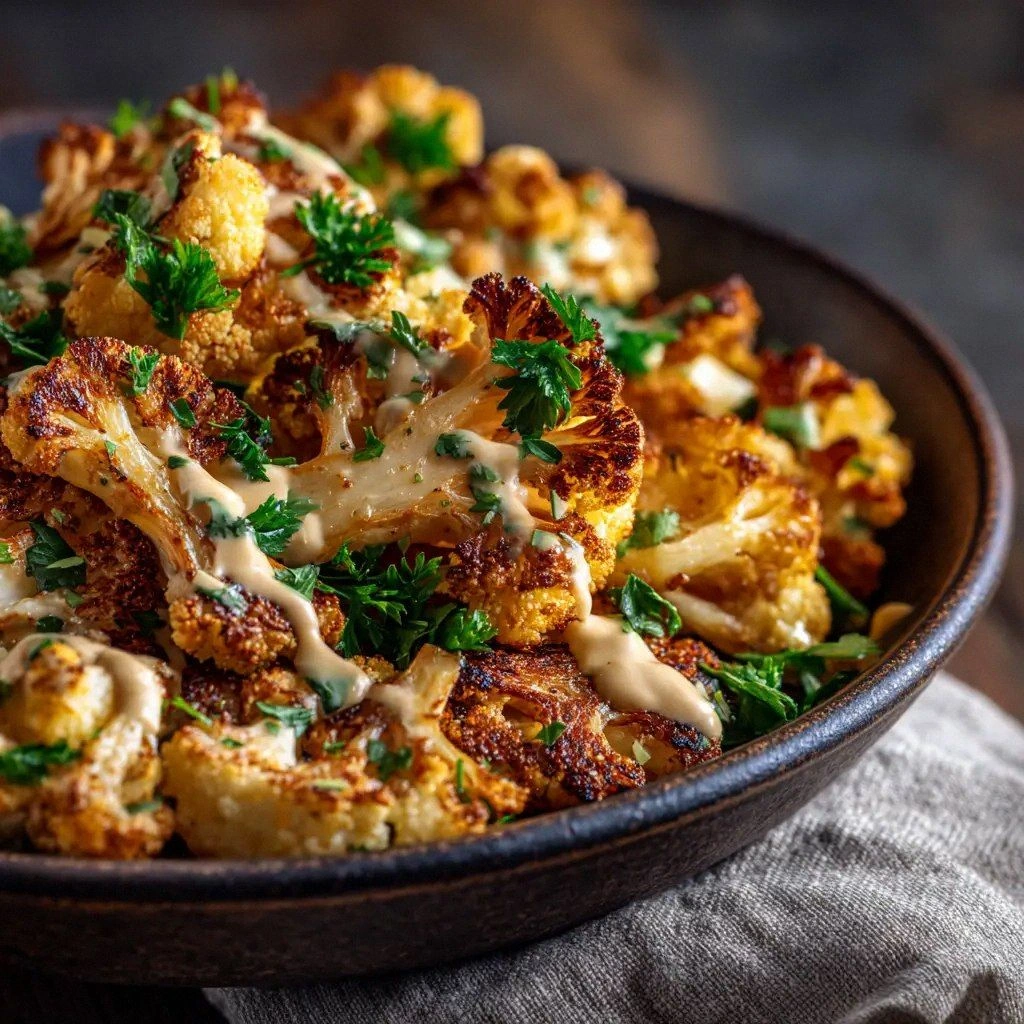
From the moment the cauliflower hits the hot pan, a caramelized crust forms, releasing a nutty aroma that makes your mouth water before you even taste it. The sizzling sound is a symphony of crispness, a rhythmic pop that signals the vegetables are cooking perfectly. As the spices mingle, their earthy undertones mingle with a hint of citrus from the lemon, creating a complex bouquet that lingers in the air. When you take that first bite, the exterior is crunchy, while the inside remains tender, like a delicate cloud that melts in your mouth. The finish is bright and slightly smoky, leaving a lingering warmth that makes you crave more.
This version isn't just another roasted cauliflower; it's a carefully balanced orchestra of flavors that dance together. The blend of cumin, coriander, smoked paprika, turmeric, cinnamon, and cayenne is not random; each spice adds a distinct layer, from earthy to sweet to fiery. The technique of tossing the florets with olive oil and spices before roasting ensures even coating and prevents sticking, giving every bite a uniform crunch. The final squeeze of fresh lemon adds a zesty lift that cuts through the richness, making the dish feel fresh and vibrant. It's the kind of dish that can be served as a hearty side, a light main, or a party appetizer, and it always impresses.
Now, here's the twist that will blow your mind: I use a small amount of yogurt to coat the cauliflower before roasting, creating a creamy barrier that locks in moisture and gives a subtle tang. I also use a double roasting technique—first at a high temperature for a quick sear, then lower to finish, ensuring that the edges stay crispy while the center stays juicy. If you've ever struggled with burnt or soggy cauliflower, you're not alone—I've been there. I dare you to taste this and not go back for seconds. Let me walk you through every single step—by the end, you'll wonder how you ever made it any other way.
What Makes This Version Stand Out
- Flavor Explosion: The combination of cumin, coriander, smoked paprika, turmeric, cinnamon, and cayenne creates a layered taste that feels both exotic and comforting. This blend is the secret that turns ordinary cauliflower into a star of the menu.
- Crisp Perfection: The high-heat roasting caramelizes the florets, giving them a crunch that shatters like thin ice. The result is a satisfying bite that contrasts with the soft interior.
- Time Saver: With a simple prep and a single pan, this dish is ready in under 45 minutes, making it ideal for busy weeknights or last‑minute dinner parties.
- Versatile Appeal: Whether you serve it as a side, a protein‑rich main, or a snack on a platter, the flavors adapt to any occasion and crowd.
- Healthy Profile: Low in fat, high in fiber, and packed with antioxidants from the spices, this cauliflower is a guilt‑free indulgence.
- Make‑Ahead Friendly: You can roast the cauliflower a day ahead, then reheat to preserve the crispness. This makes it a perfect component for meal‑prep enthusiasts.
- Budget Friendly: A head of cauliflower and a handful of spices cost less than a steak, yet deliver a gourmet experience.
Inside the Ingredient List
The Flavor Base
At the heart of this dish is a spice medley that turns humble florets into a savory masterpiece. Ground cumin offers a warm, nutty undertone that grounds the dish, while coriander adds a citrusy brightness that keeps the palate from feeling flat. Smoked paprika injects a subtle smokiness, echoing the char from the oven, and turmeric brings a golden hue and earthy depth. Cinnamon, surprisingly, lends a sweet warmth that balances the heat of cayenne, creating a harmonious symphony of flavors that dance on the tongue.
The Texture Crew
Cauliflower is the star, but its preparation determines the final texture. Cutting the florets into bite‑sized pieces ensures even roasting, preventing some parts from overcooking while others stay raw. Tossing them in olive oil not only adds a silky richness but also helps the spices adhere, giving each floret a flavorful coating that crisps beautifully. The oil also acts as a heat conductor, promoting that coveted caramelized crust.
The Unexpected Star
While the recipe calls for a simple yogurt coating, it’s optional and can be swapped with a splash of buttermilk or a light drizzle of tahini for a different flavor profile. The yogurt creates a creamy barrier that locks in moisture, preventing the florets from drying out during the high‑heat sear. If you prefer a dairy‑free version, a thin layer of olive oil and lemon zest will suffice, offering a bright, zesty contrast.
The Final Flourish
Fresh parsley or cilantro adds a burst of herbal freshness that cuts through the richness of the spices. A squeeze of lemon wedges after roasting lifts the dish with a bright acidity that balances the smoky undertones. The garnish also contributes a pop of color, turning the plate into a visual feast that invites the first bite. Together, these finishing touches transform a simple roast into a multi‑layered experience.
Everything's prepped? Good. Let's get into the real action...
The Method — Step by Step
- Preheat your oven to 425°F (220°C) and line a large baking sheet with parchment paper or a silicone mat. This high temperature is essential for achieving that golden caramelization on the cauliflower edges. While the oven heats, set aside a small bowl for the spice mix. Remember to keep the oven door closed as much as possible to maintain a steady temperature. The anticipation of the sizzle is half the joy of this dish.
- Wash the cauliflower and separate it into florets, trimming the stem into bite‑sized pieces. Pat the florets dry with a clean towel; moisture is the enemy of crispness. This step is crucial—wet florets will steam instead of roast, resulting in a soggy texture. Don’t rush; a thorough dry ensures that the spices will cling properly. A clean, dry surface is the foundation for a perfect roast.
- In a medium bowl, combine 2 tablespoons of olive oil with 1 teaspoon each of ground cumin, ground coriander, smoked paprika, ½ teaspoon ground turmeric, ¼ teaspoon ground cinnamon, a pinch of cayenne pepper, 1 teaspoon salt, and ½ teaspoon black pepper. Mix until the oil is fully infused with the spices, creating a fragrant paste. This coating will act as both flavor carrier and moisture barrier.
The aroma that fills the kitchen at this point is already a promise of the final dish.Kitchen Hack: If you prefer a milder spice profile, reduce the cayenne pepper to a quarter of the pinch or omit it entirely.
- Drizzle the spice paste over the cauliflower florets, tossing gently until each piece is evenly coated. The oil helps the spices adhere, ensuring a uniform flavor throughout. A well‑coated floret will develop a beautiful crust during roasting. Use a large salad spinner to mix if you have one; it’s quick and effective. The coated florets should look like they’re wearing a glossy, peppered coat.
- Spread the cauliflower in a single layer on the prepared baking sheet, ensuring the pieces aren’t overcrowded. Overcrowding creates steam pockets that prevent crisping. If you have a larger sheet, use two for even spacing; if not, let the florets sit in a single layer. This arrangement allows the hot air to circulate freely around each piece. The goal is a crisp exterior and tender interior.
- Place the sheet in the preheated oven and roast for 20 minutes, flipping the florets halfway through. The high heat will caramelize the sugars in the cauliflower, producing a golden crust. Watch the edges; they should start pulling away from the sheet and look slightly darker. The sound of the sizzling florets is a cue that the roasting is progressing well. After 20 minutes, remove the sheet from the oven for the next step.
- Reduce the oven temperature to 375°F (190°C) and roast for an additional 10–12 minutes, or until the florets are tender yet still hold a slight bite. This lower temperature finishes the cooking without over‑drying the interior. The edges should remain crisp, and the center should be fluffy and fragrant. This double‑roast method is what gives the cauliflower its signature texture. Keep an eye on the color; it should be a deep amber.
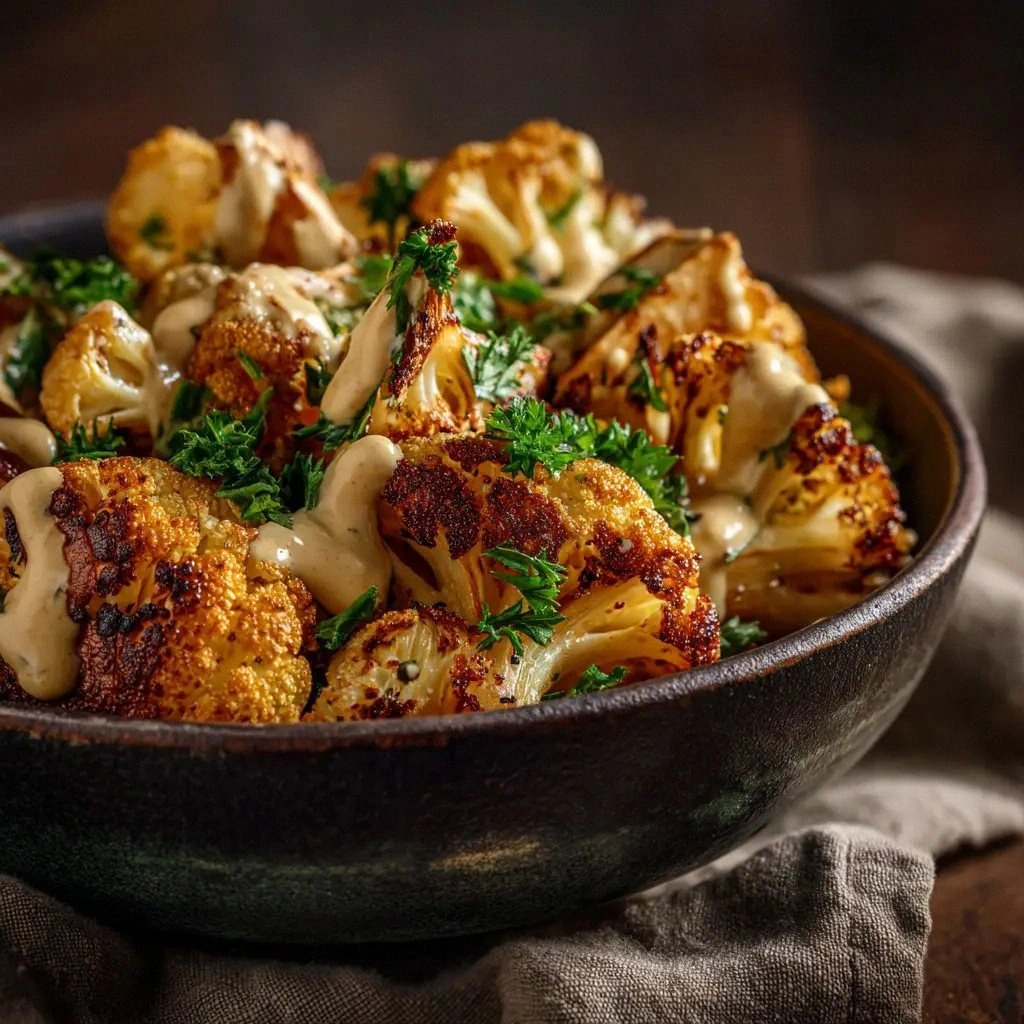
- Optional: While the cauliflower finishes roasting, whisk 3 tablespoons of plain yogurt with a squeeze of lemon juice and a pinch of salt. Once the florets are done, transfer them to a large bowl and gently fold in the yogurt mixture. This step adds a subtle tang and helps keep the florets moist. If you prefer a dairy‑free version, a splash of tahini or a drizzle of olive oil with lemon zest will work just as well. The yogurt coating also creates a creamy contrast to the crunchy exterior.
- Transfer the roasted cauliflower to a serving dish and sprinkle generously with chopped fresh parsley or cilantro. Squeeze fresh lemon wedges over the top, allowing the citrus to mingle with the spices. The bright green garnish not only adds visual appeal but also a burst of freshness that brightens the dish. Serve immediately while the cauliflower is still warm and crisp. This final flourish turns a simple roast into a restaurant‑level plate.
That's it — you did it. But hold on, I've got a few more tricks that'll take this to another level...
Insider Tricks for Flawless Results
The Temperature Rule Nobody Follows
Many people think 400°F is enough, but the key to a perfect roast is starting high to caramelize, then lowering to finish without drying out. I always preheat for at least 15 minutes to ensure the oven is truly hot before placing the sheet inside. If you use a convection setting, reduce the temperature by 25°F to avoid over‑browning. This subtle tweak keeps the cauliflower moist inside while crisp outside. A quick test: slide a knife in the thickest part; if it feels warm and tender, you’re good.
Why Your Nose Knows Best
The aroma of roasting spices is a reliable indicator of doneness. When the cumin and coriander hit the heat, they release a nutty scent that signals the sugars are caramelizing. If the smell becomes sharp or burnt, pull the cauliflower immediately. Your nose is a better judge than the clock when it comes to flavor balance. Trust the scent; it will guide you to the perfect bite.
The 5-Minute Rest That Changes Everything
After removing the cauliflower from the oven, let it rest on the baking sheet for five minutes. This pause allows the steam to redistribute, sealing in moisture and ensuring the edges stay crisp. It also gives the yogurt coating time to set slightly, creating a silky finish. During this rest, you can finish garnishing or prep your side dishes. Five minutes of rest can be the difference between a great dish and a great dish.
Don’t Forget the Parchment
Using parchment paper or a silicone mat on the baking sheet prevents the florets from sticking and makes cleanup a breeze. It also helps the heat distribute evenly across the sheet. If you’re in a hurry, a light spray of oil works, but parchment gives a cleaner, more professional result. The parchment also keeps the edges from curling up too much, maintaining that crisp shape.
Make‑Ahead Magic
Roasted cauliflower keeps well in an airtight container in the fridge for up to three days. When reheating, toss it in a hot skillet for a few minutes to restore crispness. Avoid microwaving, as it will steam the florets and make them soggy. A quick pan‑heat with a splash of oil will revive the crunch. This makes it a perfect component for meal prep or a quick weeknight dinner.
Serve with a Twist
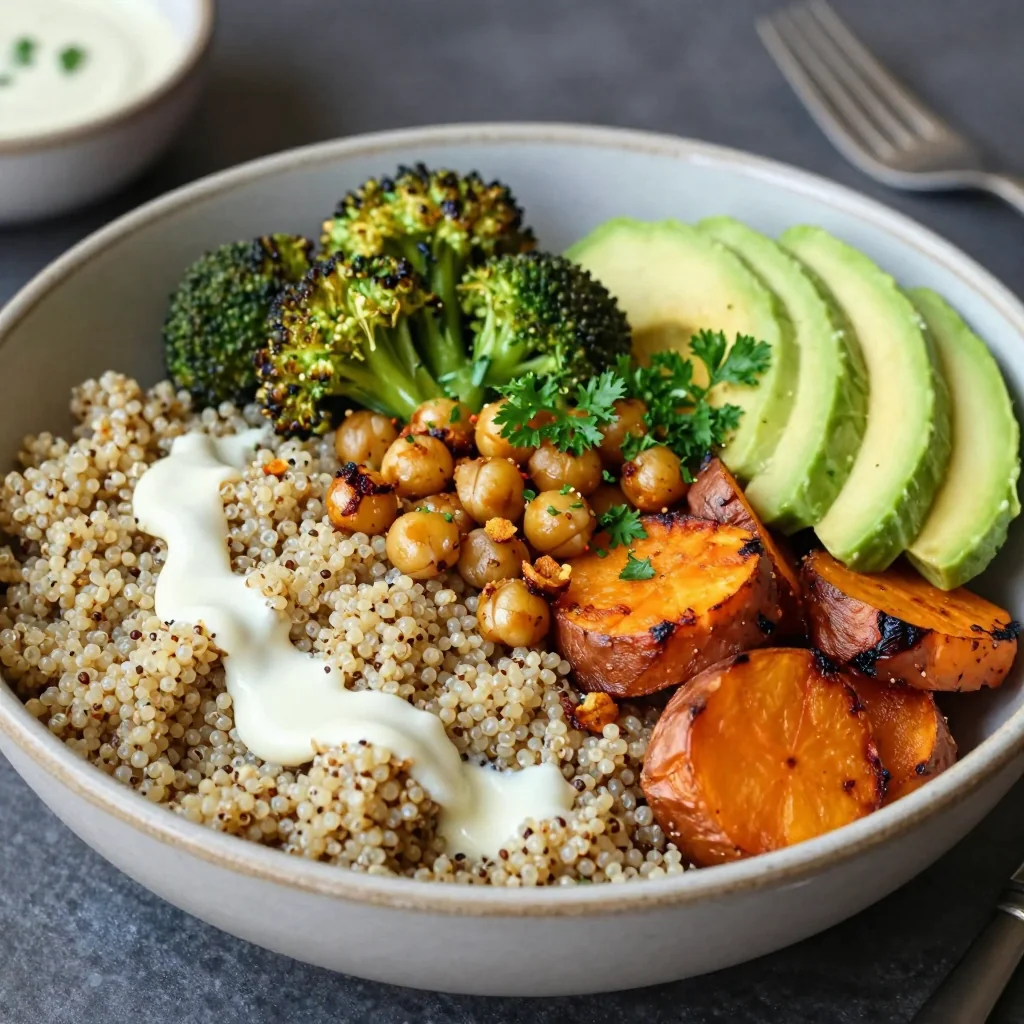
Pair this dish with a cooling yogurt sauce, a tahini drizzle, or a simple cucumber raita to balance the spices. A side of couscous or quinoa adds a hearty base that complements the cauliflower’s texture. If you’re looking for a vegetarian main, toss the cauliflower into a grain bowl with roasted chickpeas and fresh veggies. The versatility of this dish means you can serve it in countless creative ways.
Creative Twists and Variations
This recipe is a playground. Here are some of my favorite ways to switch things up:
Spicy Chipotle Twist
Swap the cayenne pepper for a tablespoon of chipotle powder for a smoky heat that pairs beautifully with the cumin and paprika. Add a splash of adobo sauce to the yogurt coating for an extra kick. This version is perfect for those who love a deeper, smoky flavor profile.
Sweet Caramelized Pears
Introduce sliced pears into the roasting sheet about halfway through the cooking time. Their natural sugars caramelize, complementing the spices and adding a subtle sweetness. This combination turns the cauliflower into a sweet‑savory side that’s ideal for holiday tables.
Herb‑Infused Tahini Drizzle
Replace the lemon‑yogurt finish with a tahini sauce flavored with fresh mint and a touch of honey. The nutty tahini balances the earthy spices while the mint adds a bright, herbal note. Serve this version over a bed of couscous for a Mediterranean vibe.
Cauliflower “Biryani” Bowl
After roasting, toss the cauliflower with basmati rice, raisins, toasted almonds, and a sprinkle of garam masala. This transforms the dish into a hearty, fragrant bowl reminiscent of classic biryani. The sweet and savory elements create a complex, comforting meal.
Vegan Coconut Curry Finish
Finish the cauliflower with a splash of coconut milk, a pinch of garam masala, and a squeeze of lime. The creamy coconut softens the spice heat while adding a tropical twist. This variation is ideal for a vegan or dairy‑free menu.
Storing and Bringing It Back to Life
Fridge Storage
Store roasted cauliflower in an airtight container in the refrigerator for up to three days. The crisp edges may soften slightly, but the flavor remains vibrant. Keep the container sealed to prevent moisture from seeping in, which can cause sogginess.
Freezer Friendly
For longer storage, place the cauliflower in a freezer‑safe bag and press out excess air before sealing. Freeze for up to two months; this keeps the flavor intact while preserving the texture. When ready to serve, thaw overnight in the fridge, then finish in a hot skillet.
Best Reheating Method
Reheat in a preheated 400°F oven for 8–10 minutes, or until the edges are crisp again. Add a splash of water or a drizzle of olive oil before reheating to steam the florets back to perfection. A quick pan‑sauté over medium heat also restores crunch, especially if you’re in a hurry.