What Makes This Version Stand Out
- Flavor Explosion: The combination of smoked chorizo, sweet capsicum, and a robust tomato‑paprika base creates layers that build with each bite, delivering a fireworks show on the palate.
- Texture Harmony: Crispy skin on the chicken, tender baby potatoes, and juicy cherry tomatoes give you a satisfying contrast that keeps you chewing happily.
- Simplicity: One pan, minimal cleanup, and a short prep time make this dish perfect for busy weeknights without sacrificing gourmet quality.
- Unique Twist: A splash of lemon juice and fresh oregano leaves at the finish add a bright, herbaceous lift that most recipes miss.
- Crowd‑Pleaser: Even the pickiest eaters fall in love with the mild heat and vivid colors; it’s the kind of dish that disappears from the table in minutes.
- Ingredient Quality: Using high‑quality chorizo and ripe cherry tomatoes makes the sauce richer and the overall dish more authentic.
- Cooking Method: Browning the chicken first locks in juices, while the final simmer melds everything together without drying out any component.
- Make‑Ahead Potential: This dish reheats beautifully, and the flavors actually deepen after a night in the fridge.
Inside the Ingredient List
The Flavor Base
The crushed tomatoes are the heart of the sauce, providing a sweet‑tart foundation that balances the smoky chorizo. Use a good quality brand, preferably fire‑roasted, to add a subtle char that mimics a traditional Spanish paella. If you skip the tomatoes, you’ll end up with a bland broth that never clings to the chicken. A quick tip: stir the canned tomatoes with a pinch of sugar before adding them to neutralize any acidity.
Garlic: Two cloves of garlic, minced fine, release a pungent aroma that instantly elevates the dish. Garlic’s sulfur compounds caramelize quickly, creating a nutty undertone. If you love garlic, feel free to add an extra clove, but remember it can dominate the sauce if overused.
Red Onion & Red Capsicum: These vegetables add sweetness and a splash of color. Choose a firm onion and a bright, glossy capsicum for the best crunch. You can swap the capsicum for a yellow one for a milder flavor, but the red version adds a subtle earthiness that pairs perfectly with paprika.
The Texture Crew
Baby potatoes are the unsung heroes here. Their thin skins become crispy while the interiors stay fluffy, creating a perfect bite. Aim for uniformly sized potatoes—about 1‑inch in diameter—so they cook evenly. If you can’t find baby potatoes, quarter regular potatoes and treat them the same way.
Chorizo: The Spanish chorizo brings smoky depth and a hint of fennel. Slice it into half‑centimeter rounds so it renders its fat into the sauce, enriching every component. For a milder heat, use a sweet chorizo; for extra kick, opt for a hot variety and maybe reduce the cayenne a touch.
The Unexpected Star
Cherry Tomatoes: Adding half a punnet of cherry tomatoes introduces bursts of juicy sweetness that contrast the smoky sauce. They also add a beautiful ruby speckle to the final presentation. If cherry tomatoes are out of season, halved grape tomatoes work just as well.
Lemon Juice: The two tablespoons of fresh lemon juice brighten the dish, cutting through the richness of the chorizo and chicken. It’s the culinary equivalent of a high‑note in a song—just enough to make the whole thing sing.
The Final Flourish
Dried Oregano & Fresh Oregano Leaves: Dried oregano infuses the sauce with a warm, woody flavor, while fresh leaves added at the end provide a bright, aromatic finish. If you don’t have fresh oregano, a sprinkle of parsley can add a similar fresh note.
Paprika & Cayenne: The 1½ tablespoons of paprika deliver depth, while the ¼‑½ teaspoon of cayenne adds a whisper of heat that makes you reach for another spoonful. Adjust the cayenne according to your tolerance—remember, you can always add more later, but you can’t take it out.
Salt & Black Pepper: Seasoning is the silent hero; the 1½ teaspoons of salt bring out every flavor, while a generous grind of black pepper adds a subtle bite. Taste as you go; the sauce will reduce, concentrating the salt, so aim for a light seasoning early on.
Everything’s prepped? Good. Let’s get into the real action…
The Method — Step by Step
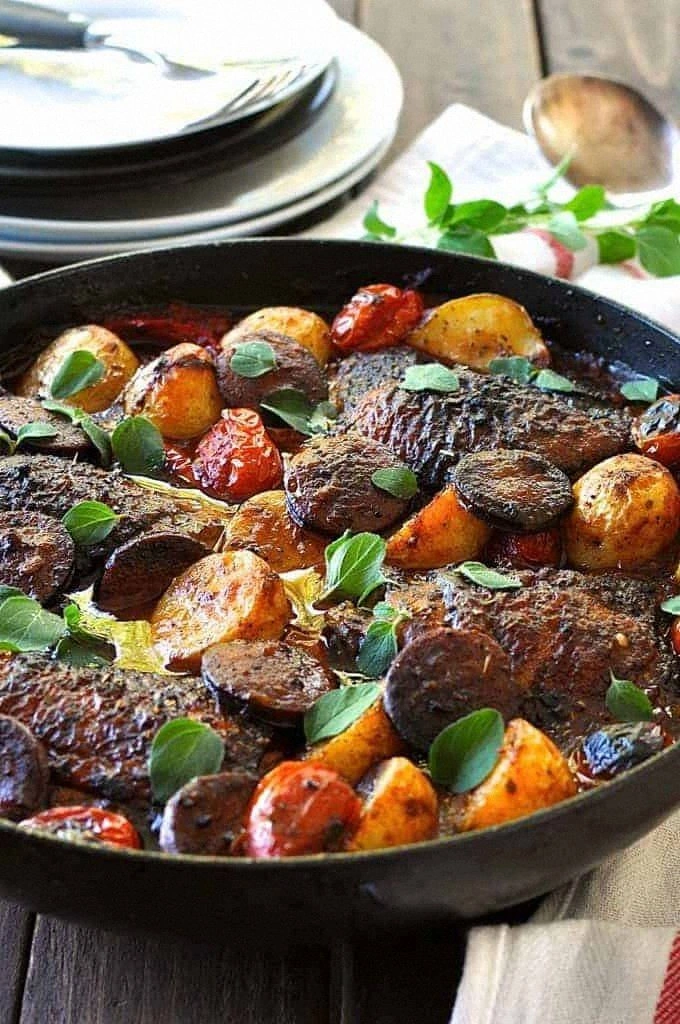
Preheat a large, heavy‑bottomed skillet or sauté pan over medium‑high heat for about two minutes. While the pan heats, pat the chicken thighs dry, then rub them with a generous pinch of salt, pepper, and half of the paprika. The moment the chicken hits the pan, you’ll hear a satisfying sizzle that signals a golden crust is forming. Let the thighs sear undisturbed for 4‑5 minutes until the skin is deep amber and releases easily from the pan.
Flip the chicken and add the sliced chorizo alongside. As the chorizo renders, its fat will mingle with the chicken’s juices, creating a fragrant base. Stir the chorizo gently so it doesn’t burn, and let it brown for another 3‑4 minutes. You’ll notice the edges of the chorizo turning crisp, releasing that unmistakable smoky aroma.
Now, toss in the minced garlic, diced red onion, and capsicum. Cook for about 2‑3 minutes, letting the vegetables soften and the garlic turn a light golden, but not burnt.
Kitchen Hack: Add a splash of water if the pan starts to look dry; this deglazes the fond and prevents the garlic from scorching.Stir in the baby potatoes, making sure each piece gets a quick coat of the rendered fat. This step is crucial because it ensures the potatoes will develop a caramelized exterior. Sprinkle the remaining paprika, dried oregano, and the cayenne or chili powder, then give everything a good toss so the spices coat every surface.
Pour in the crushed tomatoes, followed by the lemon juice. Reduce the heat to a gentle simmer and let the mixture bubble softly.
Watch Out: If the sauce starts to stick to the bottom, stir frequently and add a splash of broth or water; you don’t want a burnt layer.Scatter the cherry tomatoes over the top, then nestle the seared chicken thighs back into the pan, skin side up. Cover the pan with a tight‑fitting lid and let everything simmer for 15‑20 minutes. The sauce should thicken, the potatoes become fork‑tender, and the chicken should reach an internal temperature of 165 °F (74 °C). You’ll know it’s done when the sauce clings to the back of a spoon like velvet.
Remove the lid, give the dish a final stir, and taste for seasoning. Add a pinch more salt or a grind of fresh black pepper if needed. Sprinkle the fresh oregano leaves just before serving; they’ll release a fragrant burst that lifts the whole pan.
Serve the dish straight from the pan, letting the rustic presentation do the talking. Pair it with a crisp white wine or a light red, and watch as your guests dive in without hesitation.
Kitchen Hack: Let the pan rest for 5 minutes after cooking; this allows the juices to redistribute, making each bite juicier.
That’s it — you did it. But hold on, I’ve got a few more tricks that’ll take this to another level…
Insider Tricks for Flawless Results
The Temperature Rule Nobody Follows
Never start with a cold pan. Preheating for at least two minutes ensures an instant sear, locking in juices. If the pan isn’t hot enough, the chicken will steam instead of brown, resulting in a pale, soggy exterior. I once tried to “save time” by skipping this step and ended up with a dish that tasted like boiled chicken. Trust the heat, and the flavor will follow.
Why Your Nose Knows Best
The moment the sauce starts to emit a sweet‑tomato aroma with a hint of smoked chorizo is your cue to reduce the heat. If you smell a burnt undertone, it’s a sign the pan is too hot. A quick sniff can save you from a ruined batch, and it’s far more reliable than a timer.
The 5‑Minute Rest That Changes Everything
After you turn off the heat, cover the pan with foil and let it sit for five minutes. This rest period allows the potatoes to finish cooking in residual steam and the flavors to meld more deeply. I once served the dish immediately and the potatoes were still a touch firm; the rest made them melt-in‑your‑mouth perfect.
Seasoning in Layers
Season each component as you add it: salt the chicken before searing, sprinkle a pinch of salt on the potatoes when they hit the pan, and finish with a final dash after simmering. This layered approach prevents any single ingredient from tasting flat.
The Sauce Rescue
If the sauce looks too thick toward the end, add a splash of chicken broth or water. The extra liquid will loosen the sauce without diluting the flavor, and you’ll end up with a glossy, clingy coating that looks restaurant‑ready.
Creative Twists and Variations
This recipe is a playground. Here are some of my favorite ways to switch things up:
Mediterranean Veggie Remix
Swap the chorizo for sliced kalamata olives and add artichoke hearts. The briny olives replace the smoky meat, turning the dish into a vegetarian delight that still packs a punch of flavor.
Spicy Chipotle Kick
Replace the smoked chorizo with chipotle‑spiced sausage and double the cayenne. This version brings a deep, smoky heat that’s perfect for those who love a serious burn.
Creamy Paprika Swirl
Stir in a quarter cup of heavy cream during the last five minutes of simmering. The cream mellows the heat and adds a luxurious mouthfeel, turning the sauce into a velvety dream.
Herb‑Infused Surprise
Add a handful of fresh thyme and rosemary alongside the oregano. The additional herbs give a woodland aroma that pairs beautifully with the lemon juice.
Crispy Potato Topping
After the dish is done, sprinkle the pan with panko breadcrumbs mixed with a drizzle of olive oil and pop it under a broiler for two minutes. The result is a crunchy topping that adds texture contrast.
Storing and Bringing It Back to Life
Fridge Storage
Let the dish cool to room temperature, then transfer it to an airtight container. It will keep nicely for up to four days. When reheating, add a splash of water or broth and gently stir to revive the sauce’s silky texture.
Freezer Friendly
Portion the cooled dish into freezer‑safe bags or containers. It freezes well for up to three months. Thaw overnight in the fridge, then reheat on the stovetop over low heat, adding a tablespoon of olive oil to prevent sticking.
Best Reheating Method
The stovetop is king. Place the leftovers in a skillet, cover, and heat on medium‑low, stirring occasionally. A tiny splash of water or broth creates steam that brings the potatoes back to fluffy perfection and keeps the chicken moist.