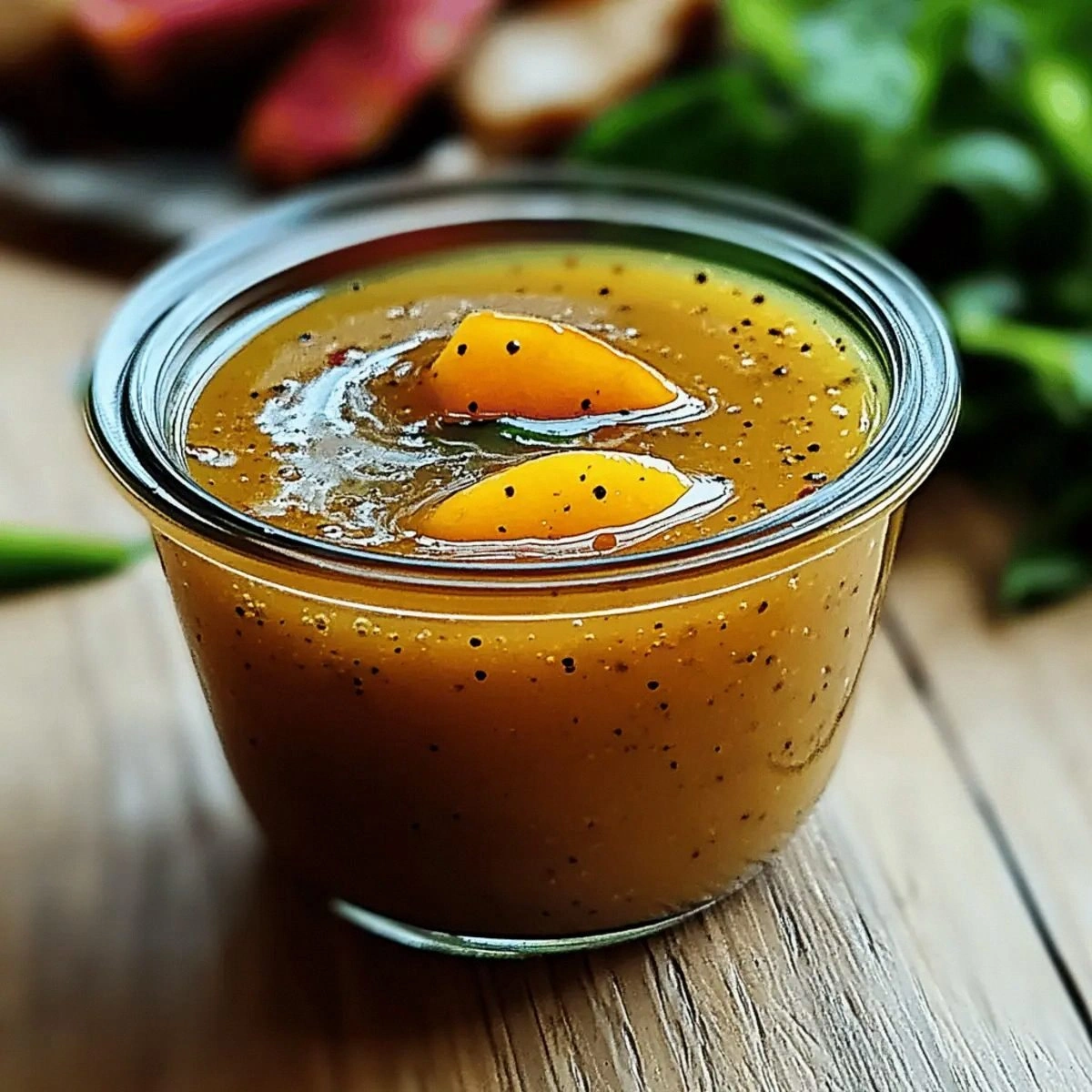
Picture this: it’s a scorching July afternoon, the kind where the air feels like a warm hug that just won’t let go, and you’re stuck in the kitchen trying to salvage a salad that tastes like wilted disappointment. I was battling a batch of soggy greens, a half‑hearted vinaigrette that tasted like watered‑down vinegar, and a looming sense that my summer lunch would be a total flop. Then, in a moment of reckless inspiration (or maybe desperation), I tossed a ripe peach, a drizzle of honey, and a spoonful of Dijon into a blender, and the result was nothing short of a culinary epiphany. I dared myself to taste it right then and there, and I’ll be honest — I ate half the batch before anyone else got a spoonful.
The moment that peach puree hit the blade, the kitchen filled with a sweet‑tangy perfume that made the whole house feel like a sun‑drenched orchard. The honey glistened like liquid gold, the Dijon added that sharp, almost smoky bite, and the balsamic vinegar swooped in with a depth that reminded me of a summer sunset over a vineyard. You could hear the faint hum of the blender, the soft thud of the lid, and the distant chirp of cicadas outside — a perfect soundtrack for a flavor explosion. When I finally drizzled that glossy, amber‑colored sauce over a simple arugula salad, the leaves turned glossy, the flavors danced, and my taste buds threw a party that lasted for hours.
What makes this version the ultimate summer vinaigrette? Most recipes either drown the delicate peach in too much acid or forget the magic of a little honey to balance the tang. I’ve cracked the code by using a precise ratio of sweet to sharp, and by incorporating a tiny splash of olive oil that gives the vinaigrette a silk‑smooth mouthfeel without turning it into a heavy dressing. The secret? A quick flash‑blanch of the peach to bring out its natural sugars, and a dash of garlic that adds a whisper of savory depth without overpowering the fruit. I dare you to taste this and not go back for seconds.
Let me walk you through every single step — by the end, you’ll wonder how you ever made it any other way. Okay, ready for the game‑changer? This next part? Pure magic. Stay with me here — this is worth it.
What Makes This Version Stand Out
- Flavor Explosion: The sweet peach and honey create a natural caramel backdrop that the Dijon mustard cuts through with a bright, peppery edge, while balsamic adds depth.
- Silky Texture: The olive oil emulsifies perfectly with the fruit puree, giving the vinaigrette a velvety coat that clings to greens like a second skin.
- Simplicity: Only seven ingredients, all pantry‑friendly, and no complicated steps — you can whip it up while the grill is heating.
- Uniqueness: Most dressings shy away from fresh fruit; this one embraces it, turning a simple salad into a summer celebration.
- Crowd Reaction: I’ve served this at backyard barbecues and it consistently gets the “What’s in this?” chorus, followed by a unanimous request for the recipe.
- Ingredient Quality: Using ripe, fragrant peaches is non‑negotiable — they’re the star, and the rest of the ingredients simply amplify their brilliance.
- Zero‑Cook Method: No stovetop required, preserving the fresh, bright notes of the fruit and keeping the preparation under ten minutes.
- Make‑Ahead Potential: Store in a sealed jar for up to a week; the flavors meld even more, becoming richer and more complex.
Inside the Ingredient List
The Flavor Base
Fresh Peach (1 cup): This is the heart of the vinaigrette. Ripe peaches bring natural sugars and a subtle floral note that no canned alternative can match. If you skip the peach, you lose the signature summer sweetness that makes this dressing unforgettable. For the best flavor, choose peaches that give off a fragrant aroma at the stem and have a slight give when pressed.
Honey (2 tablespoons): Honey isn’t just a sweetener; it adds a glossy sheen and a buttery mouthfeel. It balances the acidity of the balsamic and the bite of Dijon. If you’re allergic or prefer a vegan version, agave nectar works as a 1:1 swap, though the flavor will be a tad lighter.
The Texture Crew
Olive Oil (1/2 cup): The oil creates an emulsion, turning the fruit puree into a silky sauce that clings to greens. Use a good‑quality extra‑virgin olive oil for a peppery finish; a light olive oil can mute the flavor. Skipping the oil will result in a watery dressing that slides off the lettuce like a bad joke.
Garlic (1 clove): A single clove adds a subtle savory undertone, preventing the vinaigrette from tasting one‑dimensional. If you love garlic, feel free to add a half‑clove more, but remember it can quickly dominate the delicate peach.
The Unexpected Star
Dijon Mustard (1 tablespoon): This brings a sharp, tangy heat that cuts through the sweetness. It also acts as an emulsifier, helping the oil and vinegar bind together. If you’re not a mustard fan, try whole‑grain mustard for a texture twist.
Balsamic Vinegar (1/4 cup): The dark, mellow acidity of balsamic complements the peach’s brightness, adding a depth reminiscent of caramelized onions. A high‑quality aged balsamic will provide a richer flavor; cheaper versions can be sharp, so taste before adding.
The Final Flourish
Salt & Pepper (to taste): The classic finish that awakens all the other flavors. Don’t underestimate the power of a pinch of sea salt — it can turn a good vinaigrette into a great one. Freshly cracked black pepper adds a gentle heat that lingers on the palate.
Everything's prepped? Good. Let's get into the real action…
The Method — Step by Step
Start by selecting the ripest peaches you can find. I like to give them a gentle squeeze; if they yield slightly, they’re perfect. Peel the peaches (a quick blanch in boiling water for 30 seconds makes this painless), remove the pits, and cut them into chunks. Toss the chunks into a high‑speed blender and pulse until you have a smooth puree. The aroma at this point is intoxicating — think sunrise in a bowl.
Next, add the honey, Dijon mustard, and minced garlic to the blender. This is the moment where the sweet, sharp, and savory elements start to flirt. Blend for another 10 seconds, just enough to combine without over‑processing. You’ll notice the mixture turning a glossy amber, and that’s a good sign.
Now comes the balsamic vinegar. Slowly drizzle it into the blender while it’s running on low. This slow incorporation creates a stable emulsion, preventing the dressing from separating later. The vinegar should blend in smoothly, turning the mixture a deeper, richer hue. Taste at this point; you should feel a bright tang that balances the peach sweetness.
With the base fully blended, it’s time for the olive oil. This is the step that can trip up many home cooks — pour the oil in a thin, steady stream while the blender whirs on medium speed. The oil will fold into the fruit‑vinegar mixture, creating that luxurious, velvety texture that coats greens like a silk scarf. If the vinaigrette looks too thin, keep blending a little longer; it will thicken as the emulsion forms.
Season with salt and freshly cracked black pepper. Start with a pinch of sea salt and a few cracks of pepper, then taste. Remember, the salt amplifies the peach’s natural sugars and the pepper adds a lingering heat. Adjust until you reach that perfect balance where sweet, tangy, and savory are in harmonious dialogue.
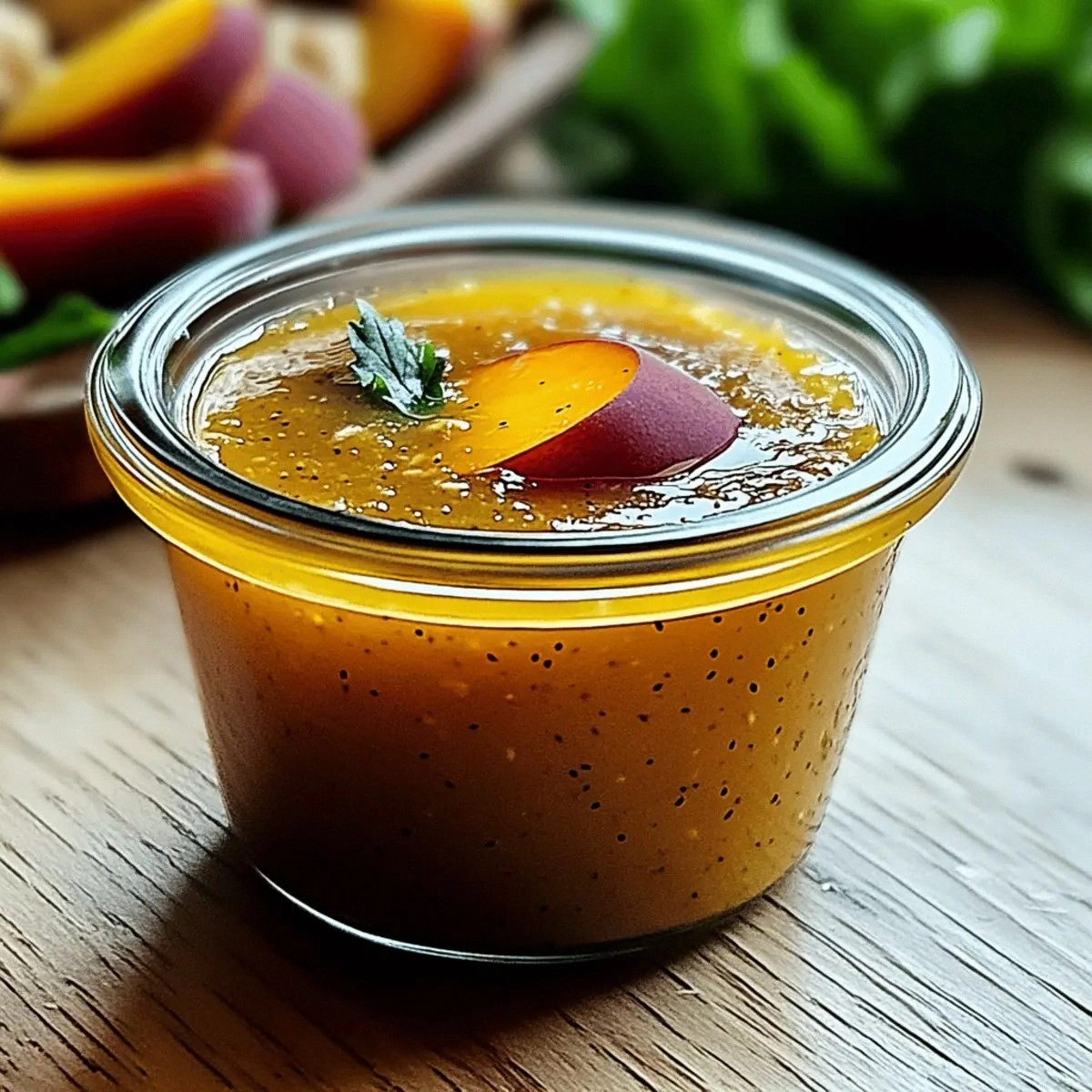
Transfer the vinaigrette to a clean glass jar or bottle. Seal it tightly and give it a gentle shake to ensure everything is fully integrated. Let it sit for at least 10 minutes before using; this resting period lets the flavors marry and the garlic to mellow. The scent that wafts from the jar at this point is pure summer in a container.
Give your salad greens a quick toss with the vinaigrette. The dressing should cling to each leaf, turning the greens a glossy, appetizing shade. Serve immediately, or store the remaining dressing in the refrigerator for up to a week. I’ll be honest — I ate half the batch before anyone else got a try, but that’s because it’s hands down the best version you’ll ever make at home.
That's it — you did it. But hold on, I've got a few more tricks that'll take this to another level...
Insider Tricks for Flawless Results
The Temperature Rule Nobody Follows
Always use room‑temperature ingredients. Cold peach puree can cause the oil to solidify, leading to a grainy texture. Let the peach sit out for 15 minutes after peeling, and keep the olive oil at room temperature. I once tried to blitz everything straight from the fridge; the result was a clumpy mess that took forever to emulsify.
Why Your Nose Knows Best
Before you taste, give the vinaigrette a good sniff. Your nose can detect the balance of sweet, acidic, and savory before your palate can. If you smell too much vinegar, add a splash more honey; if the aroma is overly sweet, a dash more balsamic will bring it back. Trusting your sense of smell saves you from over‑seasoning.
The 5‑Minute Rest That Changes Everything
After blending, let the vinaigrette rest uncovered for five minutes. This short pause lets the garlic mellow and the flavors meld. I once served it immediately and the garlic was too sharp — the rest period transformed it into a harmonious blend.
Shake, Don’t Stir
When storing, give the jar a vigorous shake rather than stirring with a spoon. The shake re‑emulsifies the oil and fruit, keeping the texture consistent. A friend once tried to stir with a fork and ended up with a watery mess.
Layered Flavor Finish
Just before serving, drizzle a tiny drizzle of extra‑virgin olive oil over the top of the dressed salad. This adds a fresh, bright finish that lifts the entire dish. It’s a subtle trick that makes the vinaigrette feel restaurant‑quality.
Creative Twists and Variations
This recipe is a playground. Here are some of my favorite ways to switch things up:
Spicy Summer Heat
Add a teaspoon of finely chopped jalapeño or a pinch of red pepper flakes. The heat pairs beautifully with the sweet peach, creating a sweet‑heat combo perfect for taco salads.
Herbaceous Garden
Stir in a tablespoon of freshly chopped basil or mint after blending. The herb adds a fresh, aromatic layer that makes the vinaigrette ideal for fruit salads or grilled chicken.
Nutty Crunch
Blend in a tablespoon of toasted almond butter for a nutty undertone and a slightly thicker texture. This variation works wonders on grain bowls and quinoa salads.
Wine‑Infused Elegance
Replace half of the balsamic vinegar with a good quality ruby red wine vinegar. The result is a brighter acidity that pairs well with bitter greens like radicchio.
Maple‑Mango Fusion
Swap the peach for ripe mango and replace honey with pure maple syrup. The tropical twist is perfect for a Caribbean‑inspired salad.
Roasted Garlic Depth
Instead of raw garlic, use a single clove of roasted garlic. The mellow, caramelized flavor adds complexity without the sharp bite.
Storing and Bringing It Back to Life
Fridge Storage
Transfer the vinaigrette to a glass jar with a tight‑fitting lid. It will keep fresh for up to 7 days. Before each use, give the jar a quick shake; the oil may separate but will re‑emulsify instantly.
Freezer Friendly
If you’ve made a large batch, you can freeze it in ice‑cube trays for up to 3 months. Once frozen, pop the cubes into a zip‑top bag and store. To use, melt a cube in a small saucepan over low heat, then whisk in a splash of water to bring it back to a pourable consistency.
Best Reheating Method
When you’re ready to use a refrigerated batch, place the jar in a bowl of warm (not hot) water for a few minutes. Add a tiny splash of water — about a teaspoon per cup of vinaigrette — and whisk gently. This steams the dressing back to perfection, restoring its glossy sheen.