I was standing in my kitchen on a rainy Tuesday, drenched in the scent of burnt garlic and a half‑cooked disaster that tasted like a failed science experiment. I had tried a lazy take‑out version of chicken lettuce wraps the night before, and the result was a soggy mess that made me swear off Asian‑inspired appetizers forever. That evening, a friend dared me to create something that would make even the most skeptical foodie beg for a second bite, and I accepted the challenge with a gleam in my eye and a pan in my hand. I rummaged through the pantry, pulled out a jar of creamy peanut butter, a fresh bunch of cilantro, and a head of butter lettuce that looked crisp enough to be a runway model, and the adventure began.
The kitchen was alive with the sounds of sizzling oil and the steady rhythm of a wooden spoon stirring a sauce that seemed to glow like liquid amber. The aroma of ginger and garlic swirled together, creating a fragrant cloud that made my nose do a little happy dance, while the faint sweetness of honey whispered promises of balance. I could feel the heat of the pan on my fingertips, the slight resistance of the chicken as it caramelized, and the cool crunch of lettuce leaves waiting patiently like tiny edible boats. When the sauce finally thickened to a glossy sheen, it coated each piece of chicken like velvet, and I knew this was no ordinary wrap – this was a revelation.
What makes this version truly stand out is a secret weapon: a splash of lime juice added at the very end, which brightens the peanut‑rich sauce and cuts through the richness like a razor‑sharp sunrise. Most recipes drown the chicken in a heavy, cloying sauce, but I’ve mastered the art of restraint, letting each component shine while they still hug each other in perfect harmony. The result? A bite that delivers a crunchy lettuce snap, a buttery chicken chew, a nutty‑sweet‑spicy glaze, and a burst of fresh herbs that dance across your palate. I dare you to taste this and not go back for seconds – it’s that good.
Let me walk you through every single step — by the end, you’ll wonder how you ever made it any other way. Okay, ready for the game‑changer? This next part? Pure magic. I’ll be honest — I ate half the batch before anyone else got to try it, but that’s only because it’s hands down the best version you’ll ever make at home. So grab your apron, fire up that stove, and let’s create a dish that will become the star of every gathering you host.
What Makes This Version Stand Out
- Taste: The sauce balances salty soy, sweet honey, and tangy lime, creating a flavor symphony that sings with every bite.
- Texture: Crispy lettuce, tender chicken, and a creamy peanut coating give you three delightful textures in one bite.
- Simplicity: Only ten ingredients, most of which you already have, and a total cook time under an hour.
- Uniqueness: A splash of lime at the end lifts the sauce from ordinary to unforgettable.
- Crowd Reaction: Guests rave, often asking for the recipe before the first bite is even finished.
- Ingredient Quality: Using natural peanut butter and fresh ginger makes the flavor pure, not processed.
- Cooking Method: Quick stir‑fry locks in moisture while the sauce caramelizes just enough to cling.
- Make‑Ahead Potential: The sauce can be prepared ahead of time, speeding up assembly when you’re ready to serve.
Inside the Ingredient List
The Flavor Base
First up is the sauce, the heart and soul of these wraps. Smooth peanut butter provides a rich, nutty backbone, while soy sauce adds that essential umami depth that makes the palate sing. Fresh ginger and garlic bring a zing that cuts through the richness, and honey introduces a subtle sweetness that balances the salty notes. If you ever skip the lime juice, you’ll notice the sauce feels a tad flat – the citrus lift is the secret to that bright finish. For a gluten‑free version, swap soy sauce for tamari, and you’ll still retain the same savory depth.
The Texture Crew
Crispness is key, and that’s where shredded carrots and thinly sliced red bell pepper step in. They add a sweet crunch that contrasts beautifully with the silky chicken. The butter lettuce leaves act as edible cups, offering a refreshing snap that prevents the dish from feeling heavy. If you can’t find butter lettuce, iceberg or Romaine work in a pinch, but expect a slightly different mouthfeel. A quick tip: give the lettuce a gentle roll in a towel to remove excess moisture before assembling.
The Unexpected Star
Fresh herbs – cilantro and green onions – might seem like garnish, but they are flavor powerhouses. Cilantro adds a bright, almost citrusy note that lifts the whole dish, while the green onions provide a mild onion bite without overwhelming the other flavors. If you’re not a fan of cilantro, fresh parsley can substitute, though the flavor profile will shift slightly. Don’t underestimate the impact of a sprinkle of toasted sesame seeds; they add a nutty aroma that echoes the peanut sauce.
The Final Flourish
A splash of rice vinegar and a drizzle of sriracha give the sauce that perfect sweet‑heat balance, while a final squeeze of lime juice brightens everything up like a spotlight on stage. The chicken itself, cut into thin strips, cooks quickly and stays juicy when seared at high heat. Using boneless, skinless chicken breast ensures lean protein without excess fat, but thigh meat can be swapped for a richer bite. Finally, a drizzle of a neutral oil, such as vegetable or canola, helps achieve that golden sear without imparting additional flavor.
Everything's prepped? Good. Let's get into the real action…
The Method — Step by Step
Heat a large skillet over medium‑high heat and add the vegetable oil. When the oil shimmers, toss in the chicken strips, spreading them out in a single layer. Let them sear without moving for about 2 minutes; you’ll hear a satisfying sizzle that signals a good caramelization. Flip the chicken, cooking another 2‑3 minutes until the pieces are golden and just cooked through. This is the moment of truth – if the chicken starts to stick, add a splash of water to deglaze and keep the pieces moving.
Kitchen Hack: Sprinkle a pinch of cornstarch over the chicken before cooking; it creates a light crust that helps the sauce cling better.While the chicken cooks, whisk together the peanut butter, soy sauce, honey, rice vinegar, lime juice, grated ginger, minced garlic, and sriracha in a bowl until smooth. The mixture should look glossy and slightly thick, like a silky frosting. If it feels too stiff, thin it with a tablespoon of warm water, but add gradually – you want a coat that clings, not a runny drizzle.
Once the chicken is browned, pour the sauce over the skillet. Reduce the heat to medium and stir constantly, letting the sauce bubble and thicken. You’ll notice the edges of the chicken pulling away from the pan as the sauce caramelizes – that’s the signal you’re getting the perfect glaze. Let it simmer for 3‑4 minutes, allowing the flavors to meld and the sauce to coat every piece like a glossy veil.
Watch Out: If the sauce starts to scorch, immediately lower the heat and add a splash of water; this prevents a bitter burnt flavor.Add the shredded carrots and red bell pepper to the pan, tossing them gently into the sauce. The vegetables should stay crisp‑tender, not limp; this usually takes just 2 minutes of quick stir‑fry. The bright colors will pop against the deep brown glaze, creating a visual feast that’s as pleasing to the eye as it is to the palate.
Stir in the chopped green onions and cilantro, reserving a small handful for garnish. The herbs will wilt just enough to release their aroma while retaining a fresh bite. At this point, taste the sauce – if you crave more heat, add another dash of sriracha; if you need extra brightness, a squeeze of lime will do the trick.
Prepare the lettuce leaves by gently separating them and patting them dry. If you notice any wilted edges, trim them away to keep the wraps crisp. Lay the leaves on a platter, keeping them slightly overlapping for an attractive presentation.
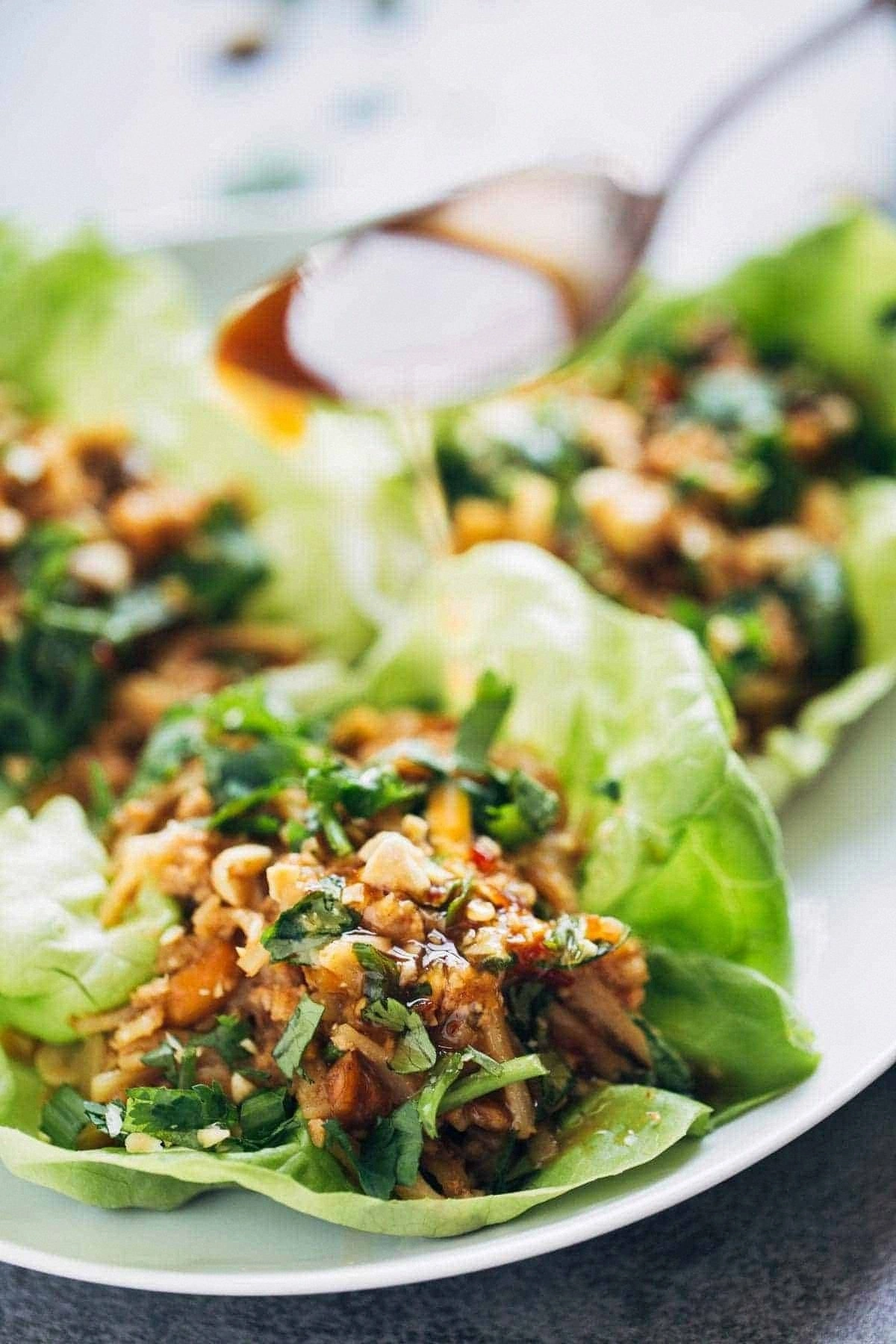
Spoon a generous amount of the chicken‑and‑sauce mixture onto the center of each lettuce leaf. The amount should be enough to fill the cup but not overflow – think of a perfect bite‑sized pocket that you can fold over without spilling.
Finish each wrap with a sprinkle of toasted sesame seeds and a few extra cilantro leaves for garnish. The sesame adds a nutty crunch that echoes the peanut sauce, while the herbs provide a fresh burst.
Serve immediately, encouraging guests to pick up the wraps with their hands and dive in. The contrast of warm, saucy chicken against cool, crisp lettuce creates a sensory fireworks show that will have everyone reaching for another round. And now the fun part – watching the smiles appear as the first bite hits the tongue.
That's it — you did it. But hold on, I've got a few more tricks that'll take this to another level…
Insider Tricks for Flawless Results
The Temperature Rule Nobody Follows
Never start your stir‑fry on low heat; the skillet must be hot enough to sear the chicken instantly. A proper sear locks in juices, creating that coveted caramelized edge that makes the sauce cling like a second skin. If you’re using a non‑stick pan, preheat it for at least a minute before adding oil – this reduces sticking and ensures an even browning. A friend once tried to “save time” by cooking on medium, and the chicken turned out rubbery and the sauce never thickened properly. So crank that heat up and respect the sizzle.
Why Your Nose Knows Best
Your sense of smell is the ultimate indicator of when the sauce is ready. As the mixture bubbles, you’ll catch a sweet‑nutty aroma that signals the peanut butter is fully integrated. If you detect a faint burnt smell, you’ve gone too far – lower the heat immediately. Trust that instinct; it’s more reliable than a timer because the sauce can thicken at different rates depending on your pan’s conductivity.
The 5‑Minute Rest That Changes Everything
After you finish cooking, let the chicken and sauce rest off the heat for five minutes. This short pause allows the flavors to marry fully, letting the lime juice permeate every bite. Skipping this step leaves the dish tasting a bit “off‑balance,” as the acidity hasn’t had time to integrate. Use this time to arrange your lettuce leaves and garnish – the kitchen stays busy while the flavors settle.
Prep the Lettuce Like a Pro
If you want lettuce that stays crisp for an hour or more, give it a quick blast of cold water, then spin it in a salad spinner. Pat it dry thoroughly; excess moisture will make the wraps soggy. Store the leaves in a container lined with a dry paper towel to absorb any stray droplets. This simple step often separates a restaurant‑quality wrap from a soggy disappointment.
Sauce Consistency Cheat Sheet
Aim for a sauce that coats the back of a spoon but still drips slowly. If it’s too thick, whisk in a teaspoon of warm water at a time; if it’s too thin, simmer a minute longer or add a pinch of cornstarch mixed with water. The right consistency ensures each bite delivers that glossy, velvety feel without drowning the lettuce.
Creative Twists and Variations
This recipe is a playground. Here are some of my favorite ways to switch things up:
Spicy Thai Basil Remix
Swap cilantro for a generous handful of Thai basil and add a drizzle of fish sauce. The basil brings an anise‑like perfume, while the fish sauce adds depth, turning the dish into a Southeast Asian street‑food experience that will wow fans of bold flavors.
Crunchy Peanut Noodle Upgrade
Mix cooked rice noodles into the sauce along with the chicken, then serve the noodle‑laden mixture in lettuce cups. The noodles add a satisfying chew that complements the crisp lettuce, making the dish heartier for dinner crowds.
Coconut‑Infused Creaminess
Replace half of the peanut butter with coconut cream and add a splash of coconut milk to the sauce. This subtle tropical twist adds a silky texture and a hint of coconut aroma that pairs beautifully with lime.
Veggie‑Only Version
Swap the chicken for firm tofu cubes, pressing them beforehand to remove excess moisture. The tofu absorbs the sauce like a sponge, delivering a plant‑based version that’s just as satisfying.
Smoky Chipotle Kick
Introduce chipotle in adobo sauce instead of sriracha for a smoky heat. The deep, earthy spice adds complexity, perfect for those who love a slow‑burning heat rather than a sharp kick.
Storing and Bringing It Back to Life
Fridge Storage
Place the cooked chicken and sauce in an airtight container and store in the refrigerator for up to 3 days. Keep the lettuce leaves separate in a dry container; this prevents them from becoming soggy. When you’re ready to serve, reheat the chicken in a skillet over medium heat for 2‑3 minutes, adding a splash of water if needed.
Freezer Friendly
The sauce and chicken freeze beautifully. Portion them into freezer‑safe bags, removing as much air as possible. They’ll keep for up to 2 months. Thaw overnight in the fridge, then gently reheat in a pan, again adding a teaspoon of water to revive the silky texture.
Best Reheating Method
For the ultimate texture, reheat the chicken in a non‑stick skillet over low‑medium heat, covering the pan for the first minute to trap steam. Add a tiny splash of water (about a tablespoon) before uncovering; this creates a gentle steam that restores the sauce’s gloss without drying out the meat. Warm the lettuce briefly in the microwave for 10 seconds if you prefer a softer bite, but most fans love it crisp.