The first time I tried to make a pumpkin bake, I thought I was simply following a recipe. I whisked everything together, poured it into a pan, and slid it into the oven, only to discover that the top was as dry as a desert and the bottom had turned into a soggy, unappetizing mess. I stared at that ruined batch like a detective at a crime scene, and then I had a lightbulb moment: why not replace the flour with oats, add a splash of maple syrup, and let the walnuts do the crunch? That single tweak turned a culinary disaster into a golden, fragrant masterpiece that has become my go-to breakfast for the fall and beyond.
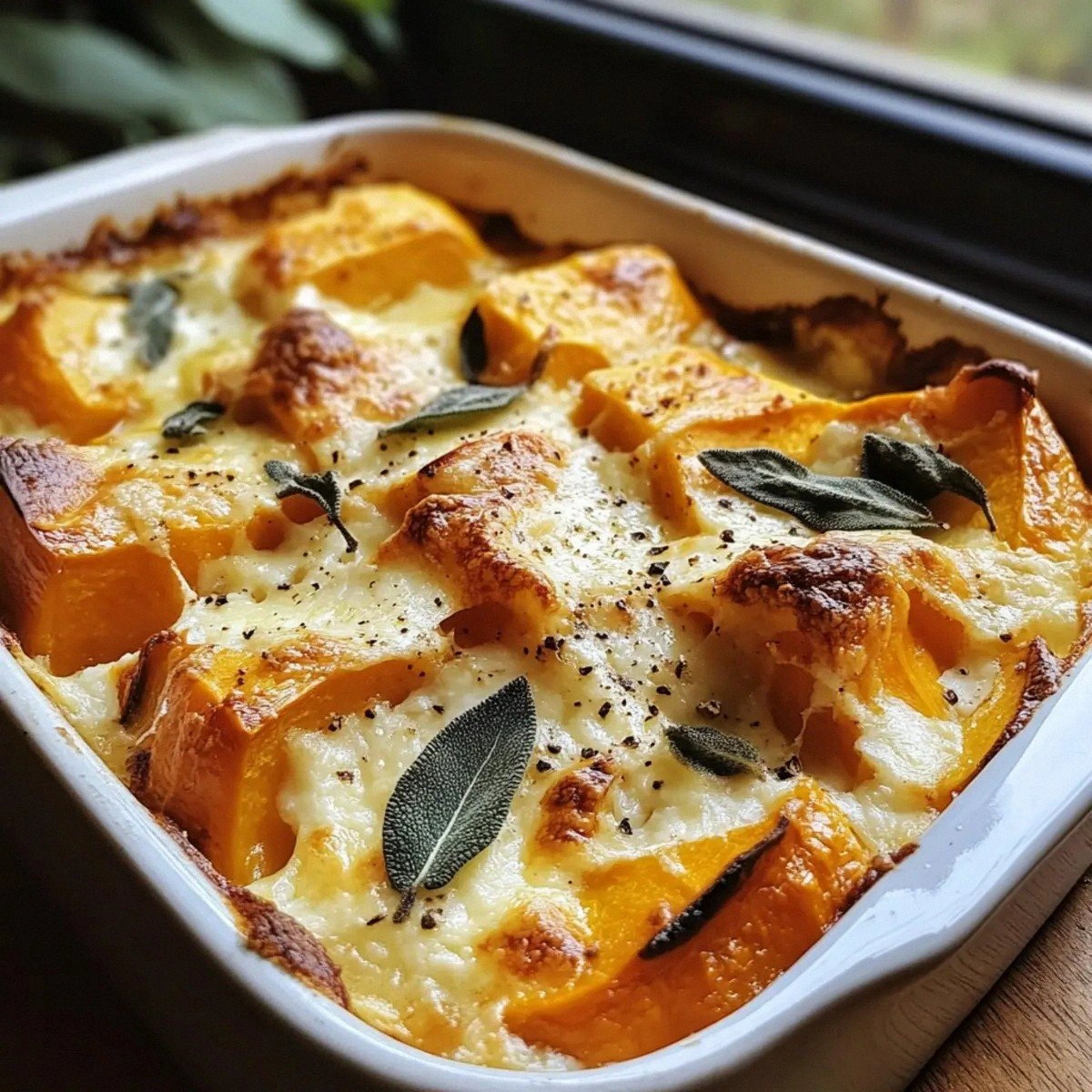
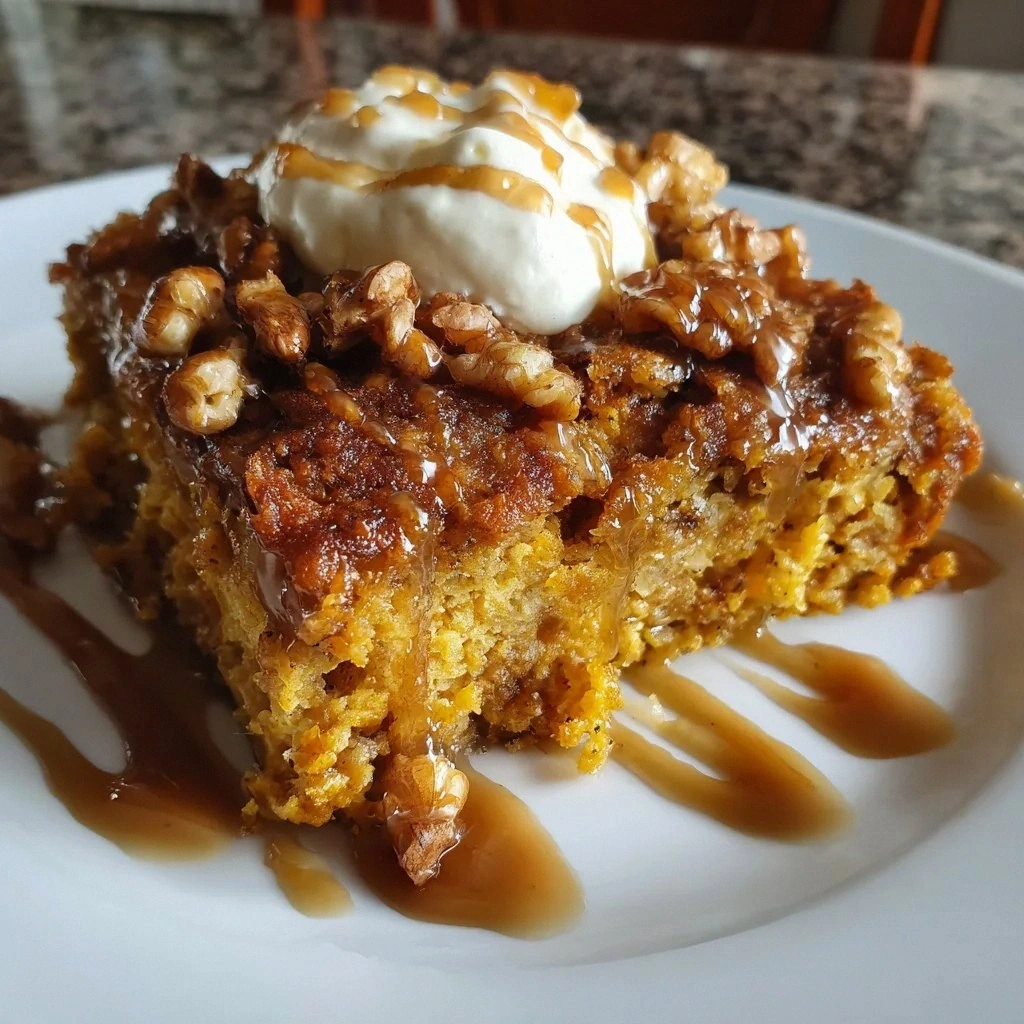
Picture this: a steaming casserole dish emerging from the oven, the scent of roasted pumpkin and warm spices drifting into the kitchen, and the sound of the timer ticking down the final minute. The batter has a glossy sheen, the edges are a golden brown that cracks like brittle candy when you lift a slice, and the interior is a soft, custard-like center that clings to your spoon. The first bite is a burst of sweet pumpkin, the gentle crunch of walnuts, and a subtle maple undertone that lingers on the palate. The texture is a comforting paradox—crisp on the outside, silky on the inside—just like a well‑crafted hug in a bowl.
I dare you to taste this and not go back for seconds. If you’re like me, you’ll find yourself reaching for the next slice before the plate is even empty. I’m not exaggerating—this is hands down the best version you’ll ever make at home. Most recipes get this completely wrong, treating pumpkin as a simple flavoring rather than the star of the show. Here, the pumpkin puree is the foundation, giving the bake moisture and a natural sweetness that balances the maple and brown sugar.
This version stands out because it marries the wholesome texture of rolled oats with the comforting warmth of spices, all bound together by a silky custard made from eggs and milk. The walnuts add a delightful crunch and healthy fats that elevate the dish from breakfast to brunch to light dessert. The result is a bake that’s simple to prepare, yet delivers a depth of flavor and a satisfying mouthfeel that will make your family ask for the recipe. If you’ve ever struggled with a pumpkin bake that feels dry or clumpy, you’re not alone—this is the fix you’ve been waiting for.
What Makes This Version Stand Out
- Flavor: The pumpkin puree is the star, creating a sweet, earthy base that carries the maple and brown sugar without overpowering them.
- Texture: Oats give a hearty bite, while the walnuts add crunch and the custard base keeps the interior moist and tender.
- Ease: No pre‑baking or elaborate prep—just whisk, bake, and serve.
- Versatility: Works as a breakfast, brunch, or light dessert, and can be adapted for vegan or dairy‑free diets.
- Nutrition: Balanced macros with protein from eggs and walnuts, fiber from oats, and healthy fats from walnuts.
- Make‑ahead: Prepare the batter, refrigerate, and bake later; the flavors deepen as it sits.
- Crowd‑pleaser: The combination of sweet, spicy, and nutty flavors appeals to both kids and adults.
- Seasonality: Pumpkin is at its peak in fall, but the recipe remains delicious year‑round.
Alright, let's break down exactly what goes into this masterpiece...
Inside the Ingredient List
The Flavor Base
Pumpkin puree is the heart of this bake. It adds moisture, a natural sweetness, and an unmistakable autumn flavor that grounds every bite. Without it, the dish would feel dry and bland. If you’re short on canned puree, a homemade version made from fresh pumpkin takes the flavor to the next level, though it requires a bit more prep.
Brown sugar provides caramel depth and a subtle molasses undertone that pairs beautifully with maple syrup. It’s the sweet that keeps the batter from feeling too heavy. If you prefer a lighter sweetness or are watching calories, coconut sugar works as a great substitute, offering a similar caramel profile.
Maple syrup is the liquid sweetener that glides through the batter, adding a subtle maple note that enhances the pumpkin’s earthiness. A tablespoon of honey or agave syrup can replace maple for a different sweetness profile, but maple gives that unmistakable fall aroma.
The Texture Crew
Rolled oats are the backbone of this bake, offering fiber, a chewy bite, and a wholesome texture that keeps the dish from becoming too dense. They absorb the liquids, creating a custard-like interior while maintaining a slightly nutty flavor. If you’re looking for a gluten‑free version, just use certified gluten‑free oats.
Walnuts add a delightful crunch and healthy fats, providing a contrast to the soft interior. They also bring a nutty richness that balances the sweetness. If you’re allergic or simply prefer a different nut, pecans or almonds are excellent substitutes, though the flavor will shift slightly.
The Unexpected Star
Eggs are the binder that holds everything together. They provide structure, lift, and a silky texture. For a vegan version, flax eggs (mix 1 tbsp ground flaxseed with 3 tbsp water, let sit for 5 minutes) work wonders and keep the batter cohesive.
The spices—cinnamon and nutmeg—are the secret weapons that elevate the pumpkin’s flavor. Cinnamon adds warmth and depth, while nutmeg offers a subtle peppery note. A pinch of each is enough; too much can overpower the delicate pumpkin base.
The Final Flourish
Baking powder is the leavening agent that gives the bake a light, fluffy rise. It ensures that the batter doesn’t collapse and that the interior remains airy. Salt is the flavor enhancer that balances the sweetness and brings out the depth of every ingredient.
Milk—any kind—adds moisture and richness. Dairy milk gives a creamy texture, while oat or almond milk offers a lighter, slightly nutty flavor that complements the walnuts.
Everything's prepped? Good. Let's get into the real action...
The Method — Step by Step
- Preheat the oven to 375°F (190°C). Line a 9‑inch square baking dish with parchment paper, leaving an overhang on the sides for easy lifting. This step ensures even baking and prevents sticking. Let the oven heat fully before adding the batter—an under‑heated oven can cause uneven rise.
- Whisk the dry ingredients. In a large bowl, combine rolled oats, brown sugar, baking powder, salt, cinnamon, and nutmeg. Mix until the spices are evenly distributed. This prevents clumps of sugar and ensures a uniform flavor profile.
- Blend the wet components. In a separate bowl, whisk pumpkin puree, maple syrup, milk, eggs, and vanilla extract until smooth. The mixture should have a thick, pourable consistency. If it feels too thick, add a splash of milk to loosen it.
- Combine wet and dry. Pour the wet mixture into the dry ingredients and stir with a spatula until just combined. Be careful not to overmix—overworking the batter can make the final bake tough. The batter should be thick but pourable.
- Fold in the walnuts. Gently stir the chopped walnuts into the batter, ensuring they’re evenly distributed. The walnuts will sink slightly during baking, creating pockets of crunch.
- Pour into the pan. Transfer the batter to the prepared dish, smoothing the top with a spatula. The batter should settle evenly, forming a uniform surface.
- Bake for 30–35 minutes. Place in the oven and bake until the edges are golden brown and the center is set, yet still slightly soft. The top should have a slight glaze from the maple and sugar. If the top browns too quickly, tent the dish with aluminum foil.
- Check for doneness. Insert a toothpick into the center; it should come out with a few moist crumbs but no wet batter. This indicates a perfect balance between a firm center and a tender interior.
- Cool before slicing. Let the bake rest in the pan for 10 minutes, then lift it onto a wire rack to cool completely. This rest period allows the flavors to settle and the texture to firm up, making slicing easier.
- Serve and enjoy. Slice into squares or rectangles. Serve warm with a drizzle of maple syrup or a dollop of Greek yogurt if desired. The warm, comforting flavors are best enjoyed immediately.
That's it—you did it. But hold on, I've got a few more tricks that'll take this to another level...
Insider Tricks for Flawless Results
The Temperature Rule Nobody Follows
Many bakers bake at 350°F, but 375°F is the sweet spot for this bake. The higher temperature caramelizes the sugars quickly, creating a glossy top while still allowing the center to set evenly. If you lower the heat, you risk a soggy top and a chewy interior.
Why Your Nose Knows Best
The aroma of cinnamon and nutmeg rising from the oven is a reliable indicator that the bake is halfway there. When the scent hits a sweet, nutty perfume, it means the sugars have caramelized, and the batter is ready for the final minutes. Trust your nose; it’s a seasoned judge.
The 5‑Minute Rest That Changes Everything
Letting the bake sit for 5 minutes after removing it from the oven allows the steam to redistribute, firming the interior. This short rest also lets the walnuts settle, preventing them from sinking to the bottom. Skipping this step can result in uneven texture.
Use a Silicone Baking Mat
A silicone mat ensures even heat distribution and prevents the batter from sticking, making clean‑up a breeze. It also allows you to lift the entire dish out of the pan in one go, reducing the risk of breaking the bake.
Keep the Batter Thick
If you notice the batter is too thin, add a tablespoon of oats to thicken it. A thicker batter bakes more evenly and retains moisture better. Too thin and you’ll end up with a dense, cake‑like texture.
Add a Touch of Citrus
A squeeze of fresh orange or lemon juice just before baking brightens the flavors and balances the sweetness. The acidity cuts through the maple and brown sugar, adding a subtle zing that makes each bite pop.
Creative Twists and Variations
This recipe is a playground. Here are some of my favorite ways to switch things up:
Maple‑Glazed Pumpkin Oatmeal Bake
Drizzle extra maple syrup over the top before baking for a glossy, caramelized finish. The extra syrup creates a sweet glaze that pairs beautifully with the walnuts.
Spicy Pumpkin Oatmeal Bake
Add a pinch of cayenne pepper or a dash of smoked paprika to the dry mix. The heat cuts through the sweetness and adds a smoky undertone that’s perfect for autumn evenings.
Nut-Free Version
Replace walnuts with sunflower seeds or pumpkin seeds. The seeds add crunch and a mild, nutty flavor while keeping the bake nut‑free.
Vegan Delight
Swap eggs for flax eggs, use oat milk, and replace maple syrup with agave nectar. The result is a plant‑based bake that’s just as fluffy and flavorful.
Dessert‑Style Finish
Top each slice with a dollop of whipped coconut cream and a sprinkle of cinnamon. This turns the bake into a decadent dessert that feels indulgent without being overly sweet.
Breakfast Bowl Variation
Serve the baked batter as a thick porridge, topped with fresh fruit, a splash of almond milk, and a drizzle of honey. This variation offers a comforting, warm bowl for a chilly morning.
Storing and Bringing It Back to Life
Fridge Storage
Store leftovers in an airtight container for up to 4 days in the refrigerator. The flavors intensify as the batter sits, giving each slice a richer taste. Reheat in the microwave for 30–45 seconds or in a toaster oven at 350°F for 10 minutes.
Freezer Friendly
Wrap the cooled bake tightly in plastic wrap, then place in a freezer bag. Freeze for up to 2 months. Thaw overnight in the refrigerator before reheating. The texture remains tender, and the walnut crunch stays intact.
Best Reheating Method
Add a tiny splash of water to the bottom of the pan before reheating in the oven at 300°F for 10 minutes. The water creates steam that rehydrates the batter, restoring its original moisture and preventing it from drying out.