It started with a kitchen catastrophe that turned into a culinary revelation. I was trying to make a quick dinner for a group of friends after a long day of hiking, and the acorn squash I had on hand went to waste because I forgot to season it properly. I tossed it into the oven with a handful of olive oil, a pinch of salt, and a dash of cinnamon, and the result was a caramelized, nutty bite that made the room stop talking. That moment was a turning point, a dare I gave myself to explore the full potential of roasted acorn squash. I could have gone the conventional route, but I decided to layer flavors, textures, and colors to create a bowl that feels like a hug in a bowl.
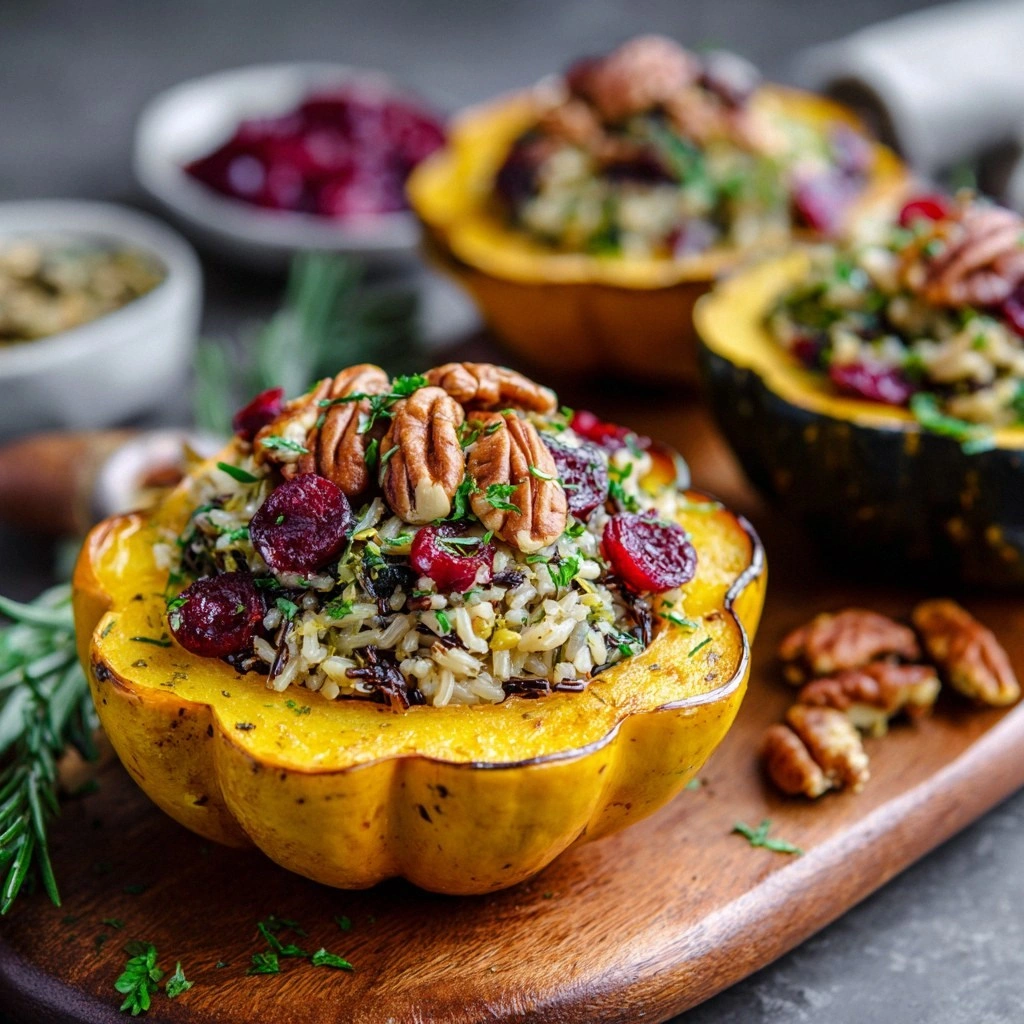
Picture the scene: a golden, caramelized patchwork of squash cubes, their edges crisping into a buttery crunch that crackles like thin ice. The aroma is a warm, sweet invitation that mingles with the earthy undertones of wild rice and the bright pop of dried cranberries. As the oven timer dings, the kitchen fills with a scent that makes your mouth water before you even taste it. The first bite is a symphony—sweet, savory, tangy, and nutty—all balanced in a single, comforting scoop. The texture is a delightful contrast: the squash is tender inside with a buttery bite, the rice is chewy, the cranberries burst with juice, and the pecans add a satisfying crunch. I dare you to taste this and not go back for seconds.
What makes this version stand out? It’s not just the ingredients; it’s the way they’re orchestrated. I’ve stripped away the clutter and focused on flavor depth, making the dish hands down the best version you’ll ever make at home. The secret lies in the roasting technique, the blend of spices, and the addition of goat cheese and fresh sage that elevate the bowl to gourmet territory. I’ll reveal a surprising ingredient that most recipes miss—a splash of maple syrup that balances the sweetness of the squash and the tartness of cranberries. I’ll also walk you through a trick that turns an ordinary bowl into a showstopper. Stay with me here—this is worth it.
If you’ve ever struggled to make roasted squash taste exciting, you’re not alone. I’ve been there, watching the squash dry out or the rice overcook. But with this recipe, you’ll master the art of caramelization and flavor pairing in no time. Picture yourself pulling this out of the oven, the whole kitchen smelling incredible, and then serving it to friends who will rave about the layers of taste. Let me walk you through every single step — by the end, you’ll wonder how you ever made it any other way.
What Makes This Version Stand Out
- Flavor: The combination of sweet maple syrup, tart cranberries, and savory goat cheese creates a complex profile that keeps each bite interesting.
- Texture: Roasted squash edges that are crisp yet tender, wild rice that’s al dente, and pecans that add a satisfying crunch.
- Visual Appeal: The vibrant orange squash, deep green spinach, and bright red cranberries make the bowl a feast for the eyes.
- Ease of Prep: Most ingredients are prepped in one go, and the cooking steps are straightforward for even novice cooks.
- Make‑Ahead Friendly: The bowl can be assembled a day ahead; just reheat and add a splash of water to keep the rice moist.
- Nutrition: Packed with protein from goat cheese and wild rice, healthy fats from pecans, and fiber from squash.
- Versatility: Works as a hearty dinner, a side dish, or a lunch bowl, and can be tweaked for vegan or gluten‑free diets.
- Crowd Reaction: Friends and family rave about the depth of flavor and the comforting warmth of the bowl.
Alright, let's break down exactly what goes into this masterpiece. The next section will dive deep into each ingredient, why it matters, and how to tweak it if you’re feeling adventurous.
Inside the Ingredient List
The Flavor Base
Acorn squash is the star of the show—its natural sweetness deepens when roasted with a drizzle of olive oil and a dusting of cinnamon. The maple syrup adds a subtle caramel note that complements the squash’s inherent nutty undertones. Goat cheese provides a tangy, creamy counterpoint that balances the sweet elements. If you skip the maple syrup, the squash will taste more like a plain roasted vegetable, lacking that glossy, sweet finish. For a dairy‑free version, replace goat cheese with a dollop of unsweetened coconut yogurt; the tang will still shine through.
The Texture Crew
Wild rice brings a chewy, nutty texture that contrasts beautifully with the tender squash. Its earthy flavor anchors the dish, making it feel substantial. Dried cranberries burst with juice, adding a pop of tartness and a chewy bite that keeps the palate engaged. Toasted pecans contribute a crunchy, buttery element that satisfies the craving for texture. If you prefer a lighter texture, you can swap the wild rice for quinoa or cauliflower rice; the result will still be delicious, just less hearty.
The Unexpected Star
Fresh spinach is the green that brings a pop of color and a subtle, earthy flavor that cuts through the sweetness. It wilts quickly, so add it toward the end of cooking to keep it bright and vibrant. The balsamic glaze, while optional, adds a tangy depth that ties all the components together. If you’re not a fan of balsamic, a splash of apple cider vinegar will provide a similar acidity. The fresh sage and parsley add aromatic freshness, lifting the bowl to a higher level of sophistication.
The Final Flourish
A sprinkle of toasted pecans, a handful of dried cranberries, and a drizzle of balsamic glaze finish the bowl with a visual and flavor crescendo. These garnishes not only enhance the aesthetic but also provide a final burst of flavor and texture. If you’re looking for an extra layer of crunch, consider adding roasted chickpeas or crumbled bacon. The key is to balance the sweet, savory, and tangy elements so that each bite feels complete.
Everything's prepped? Good. Let's get into the real action.
The Method — Step by Step
- Preheat your oven to 425°F (220°C). While the oven warms, cut the acorn squash into 1/2‑inch cubes, removing seeds and stringy bits. Toss the cubes with 2 tbsp olive oil, 1 tsp ground cinnamon, 1/2 tsp ground nutmeg, 1/2 tsp salt, and 1/4 tsp black pepper. Spread them in a single layer on a parchment‑lined baking sheet. This even distribution ensures each cube caramelizes rather than steams. I dare you to watch how the edges start to brown—those are the sweet spots.
- Roast the squash for 20 minutes, flipping halfway through. The squash should be tender inside and lightly caramelized on the edges. The aroma at this point is like a warm, sweet hug that fills the kitchen. Keep an eye on the browning; you want a golden crust, not burnt.
- While the squash roasts, rinse 1 cup of wild rice under cold water. In a medium saucepan, combine the rice with 2 cups of water or vegetable broth for extra flavor. Bring to a boil, then reduce heat to low, cover, and simmer for 30–35 minutes until the grains are tender but still chewy. Fluff with a fork and set aside. The rice will absorb the broth, giving it a subtle savory depth.
- In a small bowl, whisk together 1 tbsp maple syrup, 1 tbsp balsamic glaze, and 1 tbsp olive oil. This glaze will coat the squash and add a glossy, caramelized finish once tossed with the roasted cubes. Set aside.
- Add the dried cranberries to the roasting pan 5 minutes before the squash finishes. This timing prevents the cranberries from burning while allowing them to soften slightly and release their juices, which will mingle with the maple glaze.
- Remove the squash and cranberries from the oven and transfer them to a large mixing bowl. Pour the maple glaze over the hot veggies and toss until every cube is coated. The heat will melt the glaze, creating a sweet, sticky coating that clings to each piece.
- Layer the cooked wild rice in the bottom of four serving bowls. Top with a generous handful of fresh spinach, allowing it to wilt slightly from the residual heat. Add a scoop of the glazed squash mixture, then scatter toasted pecans, a few more dried cranberries, and a sprinkle of crumbled goat cheese. Finish with chopped fresh sage, parsley, and a light drizzle of balsamic glaze for an extra pop of tang.
- Serve immediately while the squash is warm and the spinach is bright green. If you prefer a cooler bowl, let it rest for a few minutes before eating.
That's it — you did it. But hold on, I've got a few more tricks that'll take this to another level. These insider tips will help you avoid common pitfalls and elevate the flavor profile even further.
Insider Tricks for Flawless Results
The Temperature Rule Nobody Follows
Many cooks roast vegetables at 400°F, but the sweet caramelization of acorn squash requires a slightly higher temperature of 425°F. This ensures the outer edges develop a crisp, golden crust while the interior stays tender. If you lower the temperature, the squash will steam rather than roast, losing that coveted caramelized flavor. I’ve tried the 400°F route once, and the result was bland and soggy—definitely a lesson learned.
Why Your Nose Knows Best
The scent of roasting squash is a reliable indicator of doneness. When the aroma shifts from raw sweet to a warm, nutty fragrance, you know the squash is ready. Trust your nose; it’s a better judge than the timer. I once over‑roasted a batch because I kept checking the clock, and the result was burnt. The next time, I focused on the aroma, and the flavor hit the mark.
The 5-Minute Rest That Changes Everything
After removing the squash from the oven, let it rest for 5 minutes before tossing with the glaze. This short rest allows the juices to redistribute, ensuring the glaze adheres evenly. Skipping this step can result in uneven coating and a less cohesive flavor. The rest also gives the squash a chance to cool slightly, preventing the spinach from wilting too quickly when added.
Goat Cheese vs. Nutritional Yeast
If you’re vegan or lactose‑intolerant, swapping goat cheese for nutritional yeast gives a cheesy, umami flavor without the dairy. Nutritional yeast also adds a subtle nutty undertone that complements the squash. I’ve tried both, and the nutritional yeast version feels lighter while still delivering that savory depth.
Fresh Herbs: The Final Touch
Fresh sage and parsley are the finishing touches that elevate the dish. Add them just before serving to preserve their bright, herbal notes. Dried herbs lose their potency quickly, so fresh herbs are essential for a vibrant finish. I always keep a small bunch of sage on hand for this recipe; it’s a game‑changer.
Creative Twists and Variations
This recipe is a playground. Here are some of my favorite ways to switch things up:
Pumpkin Power Bowl
Swap acorn squash for butternut or sugar pumpkin for a sweeter, slightly different flavor. The roasting time may vary by a few minutes. This version is perfect for those who love a sweeter, more mellow taste.
Spicy Chipotle Bowl
Add 1 tsp chipotle powder or a dash of smoked paprika to the glaze for a smoky heat. The spice pairs wonderfully with the maple syrup, creating a sweet‑spicy contrast that excites the palate.
Mediterranean Twist
Replace wild rice with couscous or quinoa and add chopped kalamata olives, feta cheese, and a squeeze of lemon juice. This version leans into Mediterranean flavors while keeping the core structure intact.
Vegan Delight
Omit the goat cheese and use a vegan cheese alternative or simply add a drizzle of tahini for creaminess. Keep the maple syrup and maple glaze to preserve the sweet, caramelized finish.
Breakfast Bowl
Top the bowl with a fried or poached egg and sprinkle with chives. The egg adds protein and richness, turning the dish into a hearty breakfast that’s both filling and flavorful.
Gluten‑Free Upgrade
Use gluten‑free wild rice or a mix of quinoa and brown rice. Ensure all sauces and seasonings are gluten‑free, especially the maple syrup and balsamic glaze, which can sometimes contain wheat derivatives.
Storing and Bringing It Back to Life
Fridge Storage
Store the assembled bowls in airtight containers in the refrigerator for up to 3 days. The squash will stay crisp, and the spinach will remain fresh. Before eating, let the bowls sit at room temperature for 10 minutes to restore the squash’s warmth.
Freezer Friendly
For longer storage, keep the bowls frozen separately—wild rice in one container and the roasted squash mixture in another. Freeze for up to 2 months. When ready to eat, thaw overnight in the refrigerator and reheat in a skillet with a splash of water or broth.
Best Reheating Method
Reheat the bowls in a skillet or microwave, adding a tiny splash of water or broth to keep the rice moist. Cover for 2–3 minutes in the microwave or stir occasionally in the skillet. The key is gentle heat; high temperatures can dry out the squash.