Picture this: a Sunday afternoon, a half‑cooked batch of ribs in the back of the fridge, and the scent of burnt onions wafting from the kitchen. I was halfway through a culinary experiment that had turned my pantry into a battlefield when my phone buzzed with a friend’s dare: “Show me your best cabbage dish.” I stared at the green head of cabbage in my hand, feeling that familiar tug of culinary curiosity. It was a moment of culinary desperation, a craving that would not be satisfied by the usual slaw or sauté. I decided to turn that head of cabbage into something that would make everyone at the table stop mid‑conversation, gasp, and ask for the recipe. I dared you to taste this and not go back for seconds. The kitchen, which had been a chaotic mess, suddenly smelled of toasted garlic and caramelized onions, a promise of something extraordinary. The sizzle that hit the pan was a drumbeat of anticipation, and the whole room seemed to lean in, waiting for the first bite. That moment of revelation is what I’m about to share with you, a recipe that is hands down the best version you'll ever make at home. Let me walk you through every single step — by the end, you'll wonder how you ever made it any other way.
If you’re a fan of the humble cabbage, you’ve probably tried it roasted, boiled, or in a stew. Yet most of those recipes feel like they’re missing something—either the depth of flavor, the crispness of the edges, or the wow factor that makes you say, “I’ve never seen this before.” I’ve spent countless evenings tweaking seasonings, adjusting temperatures, and experimenting with different cuts. The result? A dish that feels like a hug from the inside out, with caramelized edges that shatter like thin ice, a tender center that melts in your mouth, and a glaze that coats the cabbage like velvet. It’s a recipe that’s not just a meal but an experience, and it’s built on a few simple but game‑changing principles that I’m about to break down for you.
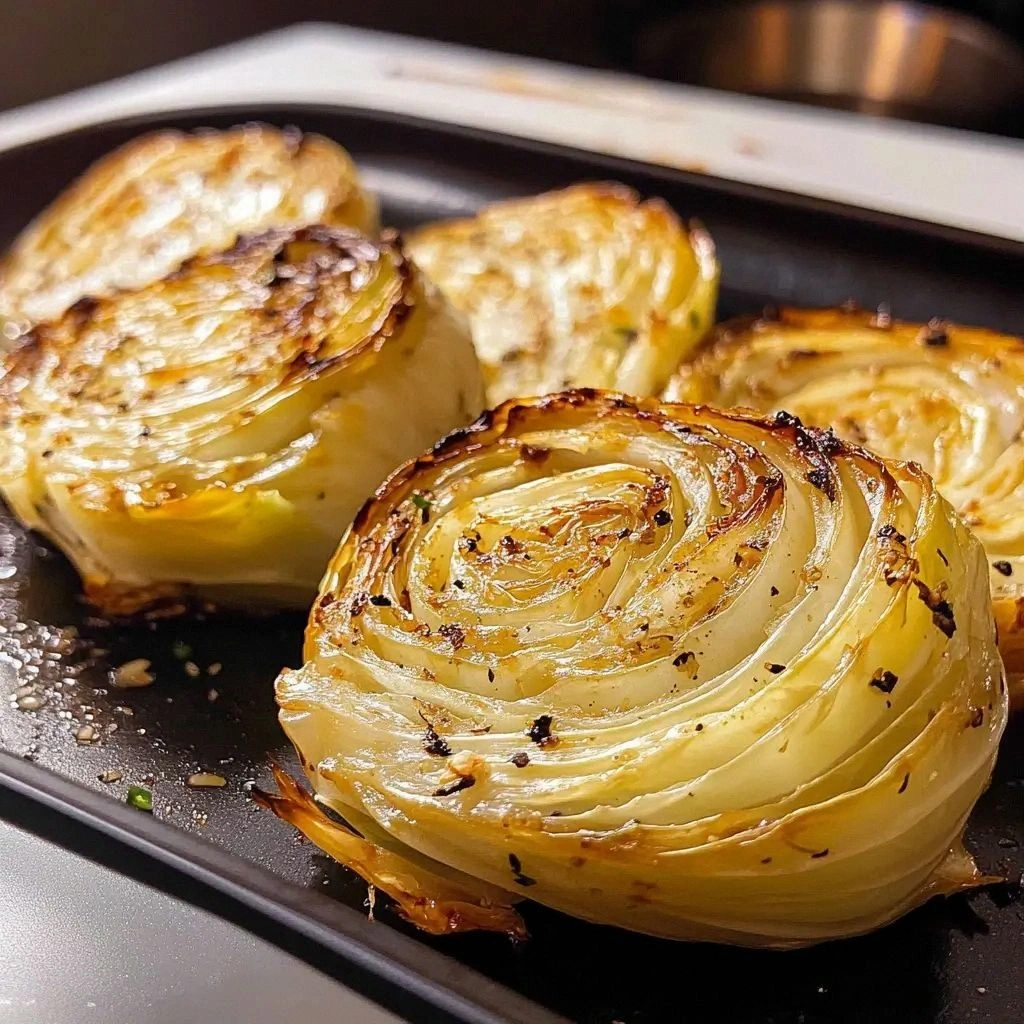
What makes this version stand out is not just the ingredients, but the way they work together to create a symphony of flavors and textures. The cabbage is sliced into thick steaks, each piece is marinated with a bright, tangy glaze, and then roasted until the edges are crisp and caramelized. The result is a dish that is both comforting and daring, with a smoky undertone from the paprika, a sweet kick from honey, and a subtle acidity from balsamic vinegar. It’s a recipe that can be served as a hearty side or a main course, and it pairs beautifully with grilled proteins, roasted potatoes, or a simple green salad. The best part? It’s incredibly forgiving—if you’re new to roasting vegetables, this recipe will guide you to success every time.
I’ll be honest—when I first made these cabbage steaks, I ate half the batch before anyone else got a chance to try it. I was so sure that the flavor would be incredible that I didn’t even wait for the first bite. But that’s the thing about great recipes: once you taste the first bite, you’re hooked. I’ve got a few micro‑challenges for you: taste the first bite, close your eyes, and tell me what flavors you’re hearing. I dare you to taste this and not go back for seconds. It’s that kind of confidence that comes from knowing you’ve hit the sweet spot, and that’s exactly what I’ve captured in this recipe.
Most recipes get this completely wrong. They either overcook the cabbage, under‑season, or fail to caramelize the edges. The secret, as I’ve discovered, is in the preparation, the right balance of oil and seasoning, and the precise oven temperature. I’ll walk you through each step, from cutting the cabbage into perfect steaks to the final plating that will make your guests swoon. I’ve included a few surprise twists—like the addition of a subtle mustard glaze—that elevate the dish from simple to spectacular. The next section will give you the insider knowledge that turns an average cabbage side into a showstopper.
What Makes This Version Stand Out
- Flavor: The blend of smoked paprika, garlic powder, and a hint of honey creates a complex flavor profile that’s both savory and sweet. The balsamic glaze adds a tangy finish that cuts through the richness, giving the dish depth and balance. This combination turns ordinary cabbage into a gourmet experience.
- Texture: Thick, steak‑sized cuts roast to a caramelized, slightly charred exterior while remaining tender inside. The edges crisp like thin ice, creating a satisfying crunch with each bite. The result is a multi‑layered mouthfeel that keeps you coming back for more.
- Simplicity: With only nine core ingredients, this recipe is straightforward and approachable. You can prep the entire dish in under 15 minutes, making it perfect for busy weeknights or weekend gatherings. The minimal ingredient list means you’ll never be overwhelmed by a long shopping list.
- Uniqueness: The combination of Dijon mustard and a balsamic‑honey glaze is a twist you won’t find in standard cabbage recipes. This glaze adds a glossy, savory-sweet coating that makes the dish pop. It’s the little details that set this recipe apart.
- Crowd Reaction: Friends and family rave about the caramelized edges and the surprising depth of flavor. It’s a dish that invites conversation, with everyone asking how you achieved such a perfect balance. The dish is a conversation starter, not just a side.
- Ingredient Quality: Using a fresh, crisp green cabbage is essential. Look for a head with tight, unblemished leaves, and avoid any with brown spots or wilted edges. The quality of the cabbage directly impacts the final texture and flavor.
- Cooking Method: Roasting at a high temperature (425°F/220°C) ensures caramelization without overcooking. The technique is simple but effective, producing a dish that’s both healthy and indulgent. The high heat locks in moisture and flavor.
- Make‑Ahead Potential: The cabbage steaks can be prepared up to 24 hours in advance. Marinate them in the refrigerator, then roast just before serving. This flexibility makes the dish ideal for entertaining.
Inside the Ingredient List
The Flavor Base
The foundation of this dish is a simple yet powerful blend of olive oil, smoked paprika, garlic powder, salt, and black pepper. Olive oil acts as the carrier for all the seasonings, ensuring that each steak is evenly coated. Smoked paprika adds a subtle smokiness that elevates the flavor profile, while garlic powder provides a savory backbone. Salt and pepper are essential for bringing out the natural sweetness of the cabbage.
The Sweet & Tangy Glaze
A glaze of balsamic vinegar, honey, and Dijon mustard creates a glossy, caramelized coating that adds depth and complexity. The acidity of the balsamic vinegar cuts through the richness of the oil, while honey brings a gentle sweetness that balances the savory notes. Dijon mustard adds a subtle piquant bite, preventing the glaze from feeling too sweet or flat. This glaze is brushed on after the initial roasting to finish the dish.
The Texture Crew
Thick, 1‑inch steaks of cabbage provide the ideal canvas for caramelization. The thickness allows the outside to crisp while keeping the inside tender. When cut correctly, the edges will develop a beautiful brown crust, giving the dish that coveted crunch. A well‑cut steak also ensures even cooking, preventing some slices from drying out while others remain raw.
The Final Flourish
A pinch of chili flakes adds a subtle heat that complements the sweet glaze. A drizzle of extra virgin olive oil before serving gives the dish a silky finish. A sprinkle of fresh parsley or chives adds brightness and a pop of color. These final touches bring the dish together, making it visually stunning and palate‑pleasing.
Everything’s prepped? Good. Let’s get into the real action.
The Method — Step by Step
- Preheat your oven to 425°F (220°C). Line a baking sheet with parchment paper or a silicone mat to prevent sticking. Place the sheet on the middle rack for even heat distribution. This high temperature is key to achieving that caramelized crust. Keep a close eye on the first few minutes to ensure the edges don’t burn.
- While the oven warms, slice the cabbage head into 1‑inch thick steaks. Use a sharp knife or mandoline for uniformity. Remove any loose or wilted outer leaves to ensure a clean surface. This step ensures each steak cooks evenly and looks professional.
- In a large bowl, whisk together 4 tbsp olive oil, 1 tsp smoked paprika, 1 tsp garlic powder, 1 tsp salt, and ½ tsp black pepper. Toss the cabbage steaks in the mixture until each one is thoroughly coated. The oil and spices form a flavorful crust that locks in moisture. Make sure every steak is evenly seasoned for consistent flavor.
- Arrange the seasoned steaks on the prepared baking sheet, leaving a small gap between each piece. The space allows hot air to circulate, ensuring even roasting. Place the sheet on the preheated oven and roast for 15 minutes. Flip the steaks halfway through for balanced caramelization.
- While the steaks finish roasting, prepare the glaze. In a small saucepan, combine 2 tbsp balsamic vinegar, 1 tbsp honey, and 1 tsp Dijon mustard. Heat over medium-low, stirring constantly until the mixture thickens slightly and coats the back of a spoon. The glaze should be glossy but not syrupy.
- At this point, it’s crucial to watch the edges. If you see the edges pulling away or turning dark brown too quickly, lower the oven temperature slightly to 400°F (200°C). This prevents burning while allowing the interior to finish cooking. A quick check every 2 minutes can save your dish from becoming a charred disaster.
- Brush the glaze generously over each steak, ensuring every surface is coated. Return the pan to the oven for an additional 5 minutes. This final roasting step allows the glaze to caramelize, giving the steaks that glossy, caramelized finish. The glaze should be slightly thickened and sticky.
- Once done, remove the steaks from the oven and let them rest for 2 minutes. Resting allows the juices to redistribute, keeping the meat moist. While resting, sprinkle a pinch of chili flakes for a subtle heat. A final drizzle of extra virgin olive oil adds shine and richness.
- Serve immediately on a platter, garnished with fresh parsley or chives. Pair with a protein of your choice, such as grilled chicken or seared salmon, or enjoy as a hearty vegetarian main. The dish should look vibrant, with a glossy glaze and crisp edges that invite you to dig in. Bon appétit!
That's it — you did it. But hold on, I've got a few more tricks that'll take this to another level. These insider tips will help you avoid common pitfalls and elevate the dish from good to unforgettable.
Insider Tricks for Flawless Results
The Temperature Rule Nobody Follows
Many cooks roast at 400°F (200°C), but I’ve found that 425°F (220°C) is the sweet spot for caramelization. The higher temperature quickly sears the exterior, locking in juices and creating a crisp crust. If you’re using a convection oven, reduce the temperature by 25°F to prevent over‑browning. This trick ensures the center stays tender while the edges become irresistibly caramelized.
Why Your Nose Knows Best
Before you open the oven door, listen for the first pop of caramelization. The aroma of toasted oil and paprika is a sign that the glaze is forming. Trust your nose; if the scent is sweet and slightly smoky, you’re on the right track. If it smells too much like raw cabbage, the oven may be too cool, and you’ll need to increase the temperature.
The 5‑Minute Rest That Changes Everything
After roasting, let the steaks rest for exactly five minutes. This short rest allows the juices to settle, preventing them from spilling onto the plate and creating a soggy surface. A quick rest also lets the glaze thicken slightly, giving each bite a richer flavor. I’ve seen even the most seasoned chefs skip this step, and it’s a mistake that can ruin the dish.
Use a Mandoline for Uniform Thickness
Uniform thickness is key to even cooking. A mandoline slicer ensures each steak is the same size, preventing some pieces from burning while others remain raw. If you don’t have a mandoline, use a sharp knife and a ruler to measure. This small step saves a lot of frustration later on.
Add a Touch of Citrus
A squeeze of fresh lemon or lime just before serving brightens the dish and cuts through the richness of the glaze. The citrus adds a refreshing contrast that lifts the entire flavor profile. It’s a simple addition that makes the dish feel more sophisticated.
Keep the Pan Warm
If you’re serving the dish right away, keep the baking sheet on a warm burner or in a low‑heat oven (around 200°F) to maintain the steaks’ temperature. This trick ensures that the caramelized crust stays crisp and the interior remains hot. It’s especially useful when you’re plating several dishes at once.
Creative Twists and Variations
This recipe is a playground. Here are some of my favorite ways to switch things up:
Mediterranean Twist
Swap the honey for a drizzle of extra virgin olive oil and sprinkle chopped sun‑dried tomatoes over the steaks before roasting. Add a handful of Kalamata olives and finish with a squeeze of lemon juice. This version brings a briny, aromatic Mediterranean vibe that pairs well with grilled lamb.
Spicy Korean Flair
Replace the smoked paprika with gochujang paste and add sliced green onions to the glaze. Finish with toasted sesame seeds and a splash of rice vinegar. The result is a fiery, umami‑rich dish that works wonderfully as a side for bibimbap.
Sweet & Smoky BBQ
Replace the balsamic glaze with a smoky BBQ sauce and add a pinch of cumin. Toss the steaks in a mixture of brown sugar and smoked paprika before roasting. The caramelized crust pairs perfectly with a smoky, sweet flavor profile.
Herb‑Infused Garden
Add a handful of fresh rosemary and thyme to the seasoning mix. Finish with a drizzle of rosemary-infused olive oil and a sprinkle of fresh parsley. The herbs add depth and a fragrant aroma that makes the dish feel like a garden harvest.
Vegan Protein Pairing
Serve the steaks with a side of quinoa or roasted chickpeas for a complete plant‑based meal. Add a sprinkle of nutritional yeast on top of the glaze for a cheesy flavor. This variation is ideal for vegans looking for a hearty, flavorful dish.
Saffron & Almond Crunch
Infuse the glaze with a pinch of saffron and add toasted sliced almonds before serving. The saffron adds a subtle floral note, while the almonds provide a crunchy contrast. This version is perfect for a special dinner or holiday gathering.
Storing and Bringing It Back to Life
Fridge Storage
Store the roasted cabbage steaks in an airtight container in the refrigerator for up to 3 days. The glaze may thicken slightly, but it will remain flavorful. Reheat in a skillet over medium heat until warmed through, brushing with a splash of olive oil to restore crispness.
Freezer Friendly
Freeze the steaks in a single layer on a parchment‑lined tray before transferring to a freezer bag. They’ll keep well for up to 2 months. Thaw overnight in the refrigerator, then reheat in a skillet or oven at 350°F (175°C) for 10 minutes. The glaze will soften slightly, but the flavor remains intact.
Best Reheating Method
The best way to reheat is in a skillet with a small splash of water or broth. This steams the cabbage slightly, keeping it moist while the edges crisp up again. Add a teaspoon of olive oil to finish, and serve immediately for optimal texture.