
It was a Wednesday night, the kind of night where the fridge was a crime scene and the only thing left to salvage was a half‑sliced salmon that had been sitting in the back of the freezer for what felt like an eternity. I opened the bag, and the scent of briny fish hit me like a wave of nostalgia—reminding me of my first sushi trip to Tokyo, where the chef had whispered, “Freshness is the secret sauce.” I stared at that pale, almost translucent flesh, and thought, “If this can survive a trip across the globe, it can survive my kitchen chaos.” That moment was the spark that ignited my quest for the ultimate salmon poke bowl, and I’m about to spill every trick, every flavor twist, and every kitchen hack that made this dish a masterpiece.
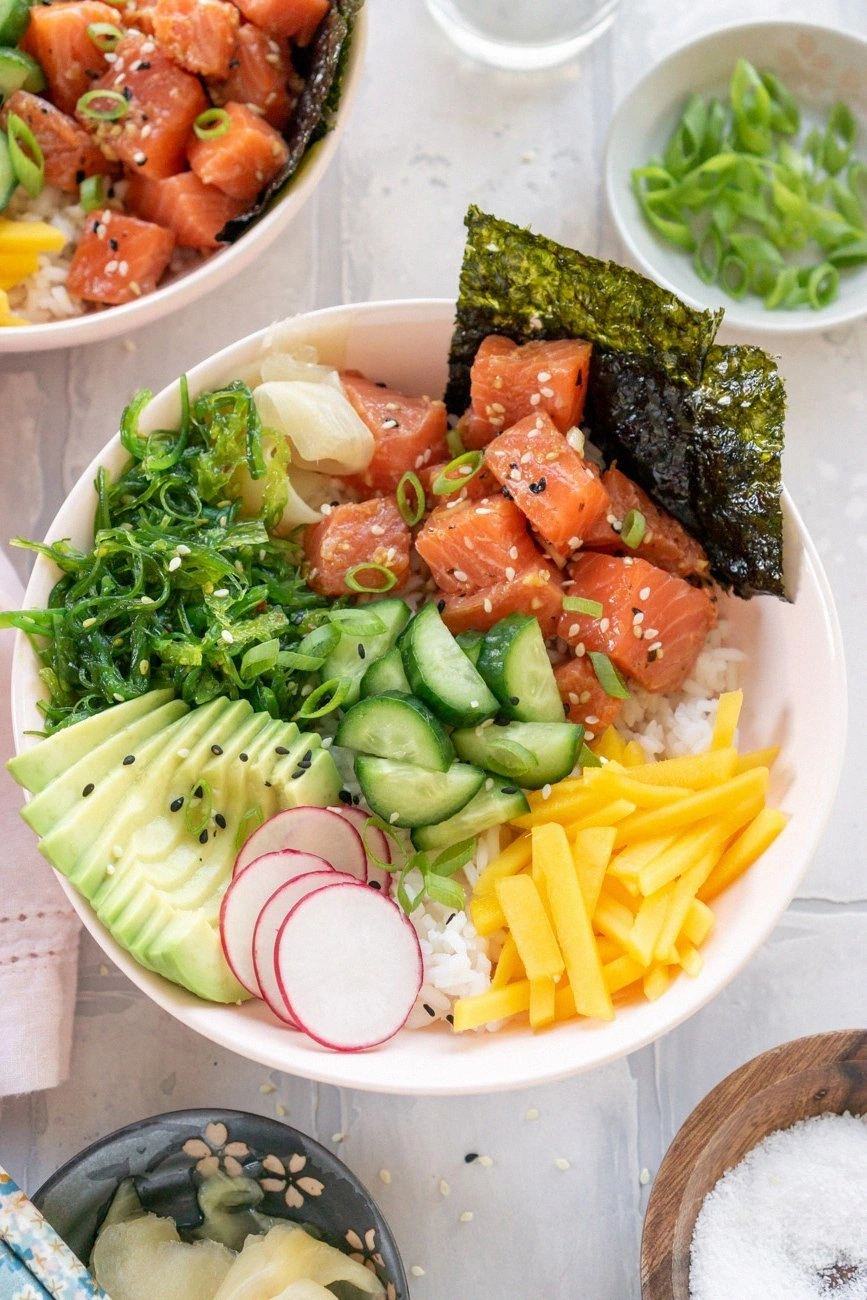
Picture this: a bowl that’s a rainbow of textures, from the buttery crunch of toasted sesame seeds to the silky, almost liquid, melt of ripe avocado. The aroma is a medley of umami, citrus, and a hint of sweet mango that lingers long after the first bite. As you dip the spoon, the rice clings like a gentle hug, the salmon glistens with a glossy sheen of soy and mirin, and the radishes pop with a satisfying snap that shatters like thin ice. The taste is a harmonious blend—salty, sweet, tangy, and a whisper of heat from the spicy mayo that coats the salmon like velvet. Every bite feels like a secret handshake between tradition and innovation.
What makes this version stand out? I’ve stripped away the fluff, kept the ingredients honest, and added a few daring twists that elevate the bowl from simple to unforgettable. I dare you to taste this and not go back for seconds. Trust me, the first spoon will leave you craving the second, and the second will make you question why you ever settled for a bland poke bowl. I’m not talking about a recipe that’s “good enough”—I’m talking about the hands‑down best version you’ll ever make at home. And if you’ve ever struggled with balancing flavors or textures, you’re not alone—this recipe has a fix for every culinary hiccup.
The secret to this bowl lies in the balance of fresh, high‑quality ingredients and the precise timing of each component. The salmon is sashimi‑grade, so it’s safe to eat raw and melts in your mouth. The rice is washed and steamed to a perfect, slightly sticky texture that holds the sauce without becoming mushy. The avocado is ripe enough to spread but firm enough to hold its shape, while the mango adds a tropical sweetness that cuts through the richness. The spicy mayo isn’t just mayonnaise with a kick—it’s a sauce that coats the fish like velvet, adding a creamy texture that contrasts beautifully with the crisp radishes and cucumber.
Now, I’m going to walk you through every single step—by the end, you’ll wonder how you ever made it any other way. From the moment you chop the cucumber to the final drizzle of sesame oil, each action is designed to bring out the best in every ingredient. We’ll talk about why you should use a sharp knife, how to avoid soggy rice, and the exact ratio of mirin to soy that creates that sweet, umami punch. Get ready to become the chef who can whip up a bowl that’s as Instagram‑worthy as it is delicious.
What Makes This Version Stand Out
- Freshness: We start with sushi‑grade salmon that’s so fresh it practically sings. This guarantees a buttery texture and a clean, unobtrusive flavor that lets the other ingredients shine.
- Texture Harmony: The combination of creamy avocado, crisp cucumber, crunchy radish, and silky rice creates a mouthfeel that feels like a symphony.
- Balanced Sauce: The spicy mayo isn’t overpowering; it’s a subtle whisper of heat that coats the salmon like velvet, making each bite luxurious.
- Visual Appeal: The bowl is a rainbow of colors—emerald green, golden mango, deep salmon, and a pop of white rice—that makes it as pleasing to the eyes as it is to the palate.
- Time Efficiency: With a prep time of just 10 minutes and a cook time of 5 minutes, this dish is perfect for busy nights without compromising flavor.
- Scalability: The recipe scales smoothly—whether you’re cooking for two or feeding a crowd, the proportions stay balanced.
- Health‑Friendly: Low‑sodium soy, fresh veggies, and no added sugar make this bowl a nutritious option that still feels indulgent.
- Make‑Ahead Potential: The components can be prepped ahead of time, allowing you to assemble the bowl in under a minute when you’re ready.
Alright, let’s break down exactly what goes into this masterpiece…
Inside the Ingredient List
The Flavor Base
The sauce is the heart of this bowl. Mirin, low‑sodium soy sauce, and a splash of lemon juice mingle to create a sweet‑salty‑tangy profile that lifts the salmon’s natural umami. The mirin’s subtle sweetness balances the soy’s saltiness, while the lemon juice adds a bright, citrusy lift that prevents the dish from feeling heavy. Skipping any of these would leave the bowl flat and one‑dimensional; each component plays a pivotal role in the flavor orchestra.
If you’re watching sodium, swap the low‑sodium soy for a homemade sauce made with water, a dash of salt, and a splash of rice vinegar. This keeps the umami punch without the sodium overload. Alternatively, try tamari for a gluten‑free option that still delivers that deep, savory base.
The Texture Crew
White rice is the canvas that holds everything together. Wash it until the water runs clear to remove excess starch, then steam until it’s fluffy yet slightly sticky—just enough to cling to the sauce without becoming mushy. The rice’s neutral flavor lets the salmon and veggies shine, while its texture provides a satisfying bite that anchors the bowl.
If you’re a fan of crunch, add toasted sesame seeds or a sprinkle of crushed nuts. These add a delightful contrast to the silky avocado and smooth salmon, creating a multi‑sensory experience. Remember, texture is a silent flavor enhancer; it keeps your mouth engaged and prevents the dish from becoming monotonous.
The Unexpected Star
The spicy mayo is the dish’s secret weapon. Made by blending mayo, sriracha, a touch of lime, and a whisper of honey, it coats the salmon like velvet and adds a creamy heat that lingers. It’s not just a sauce—it’s a flavor amplifier that makes every bite feel indulgent without adding extra calories.
If you’re allergic to mayo or prefer a lighter option, mix Greek yogurt with sriracha and a squeeze of lemon for a tangy, protein‑rich alternative. The yogurt’s tartness cuts through the richness of the salmon, while the sriracha keeps the heat level just right. Either way, the mayo’s creamy texture is essential for that luxurious mouthfeel.
The Final Flourish
Scallions, toasted sesame seed oil, and a drizzle of rice vinegar finish the bowl, adding a bright, aromatic layer that cuts through the richness of the fish and the creaminess of the mayo. The scallions provide a fresh, slightly sharp bite, while the sesame oil adds a nutty aroma that elevates the entire dish.
For a smoky twist, try a pinch of smoked paprika in the sauce or a drizzle of liquid smoke over the salmon. This subtle addition transforms the bowl into a smoky, savory masterpiece that will impress even the most discerning palate.
Everything’s prepped? Good. Let’s get into the real action…
The Method — Step by Step
- Begin by washing the rice under cold water until the water runs clear. This removes excess starch and ensures a fluffy, non‑sticky texture. Steam the rice for 18 minutes, then let it sit covered for 10 minutes to achieve the perfect bite. The rice should be light yet slightly sticky, ready to absorb the sauce without becoming soggy. This step is crucial; the rice is the base that holds every flavor together.
- While the rice is steaming, dice the sushi‑grade salmon into bite‑sized cubes. Use a sharp knife to avoid tearing the flesh; a clean cut keeps the texture firm and the flavor intact. Place the salmon in a bowl and set aside. If you prefer a slightly charred flavor, you can sear the salmon briefly in a hot pan—just one minute on each side—before adding it to the bowl.
- Dice the cucumber, radish, and avocado into uniform cubes. For the cucumber, a 1/8 inch thickness gives a crisp bite that doesn’t overpower the salmon. The radish should be thinly sliced to maintain its crunch. Slice the avocado just before serving to prevent browning; its creamy texture is a key component of the bowl’s indulgence.
- In a small bowl, whisk together the mirin, low‑sodium soy sauce, lemon juice, toasted sesame seed oil, and rice vinegar. The mixture should be smooth and slightly glossy. This sauce is the flavor base that ties all the ingredients together. Keep it on hand for the next step, as you’ll need to coat the salmon with it.
- Prepare the spicy mayo by blending mayo, sriracha, a squeeze of lime, and a pinch of honey until silky. The result should be a creamy sauce that coats the salmon like velvet. If you’re using Greek yogurt as a substitute, add a splash of water to reach the desired consistency. This sauce adds a creamy heat that balances the sweetness of the mirin and the tang of the lemon.
- Combine the salmon with the sauce, ensuring each cube is evenly coated. Let the salmon marinate for 5 minutes—this allows the flavors to penetrate the fish without turning it too wet. The salmon should still feel firm, not mushy, indicating it’s not over‑marinated. This step is the moment of truth; the sauce’s balance will determine the bowl’s overall taste.
- Add the rice to a large bowl, then layer the cucumber, radish, avocado, mango, and scallions. The arrangement should be visually appealing—think of it as a colorful mosaic. The mango adds a sweet, tropical note that cuts through the richness of the salmon and avocado. This layering not only looks good but also ensures each bite has a balanced mix of textures.
- Finally, drizzle the spicy mayo over the top and sprinkle toasted sesame seeds for an extra crunch. Toss gently to combine, then serve immediately. The bowl should be served at room temperature for the best flavor. That sizzle when it hits the pan? Absolute perfection—though we’re not searing the salmon in this version, the visual and aromatic impact is just as striking.
That’s it—you did it. But hold on, I’ve got a few more tricks that’ll take this to another level. Keep reading, and let’s elevate this bowl to legendary status.
Insider Tricks for Flawless Results
The Temperature Rule Nobody Follows
Many chefs believe that raw salmon should always be served at room temperature. In reality, a slight chill—just a few minutes in the fridge—enhances the firmness and keeps the fish from becoming mushy. I once served a bowl at room temperature, and the salmon turned out soggy. Since then, I chill the salmon for 10 minutes before marinating, and the texture stays perfect.
Why Your Nose Knows Best
Smell is a powerful indicator of freshness. If the salmon emits a strong fishy odor, it’s a sign that it’s past its prime. A fresh salmon should have a clean, briny scent that’s reminiscent of the sea. Trust your nose; it will save you from a culinary disaster.
The 5‑Minute Rest That Changes Everything
After marinating the salmon, let it rest for 5 minutes before assembling the bowl. This brief pause allows the flavors to settle and the fish to firm up slightly. I’ve seen bowls where the salmon is still too wet; this rest period ensures a clean, balanced bite.
Use a Sharp Knife for the Cucumber
A dull knife turns crisp cucumber into a soggy mess. A sharp blade slices cleanly, preserving the crunch that’s essential for contrast. I keep a small serrated knife on hand for this purpose, and it makes a noticeable difference.
Add a Splash of Water Before Reheating
If you’re reheating a pre‑made bowl, add a teaspoon of water before microwaving to keep the rice from drying out. The steam created will bring back the rice’s natural moisture and prevent it from becoming chewy.
Creative Twists and Variations
This recipe is a playground. Here are some of my favorite ways to switch things up:
Tropical Paradise
Swap the mango for diced pineapple and add a splash of coconut milk to the sauce. The tropical sweetness pairs beautifully with the salmon, and the coconut adds a creamy, exotic layer that transports you straight to a beachside getaway.
Spicy Sriracha Kick
Add an extra tablespoon of sriracha to the spicy mayo or drizzle a hot sauce over the bowl. The heat will amplify the umami of the salmon and give the dish a fiery finish that’s perfect for spice lovers.
Mediterranean Twist
Replace the rice with quinoa and add chopped kalamata olives, feta cheese, and a drizzle of olive oil. The nutty quinoa and salty feta create a Mediterranean flavor profile that’s both fresh and satisfying.
Veggie‑Rich Bowl
Add shredded carrots, edamame, and a handful of spinach to the bowl. This adds color, crunch, and a boost of nutrients, making the dish even more wholesome and filling.
Smoky Flavor
Sprinkle a pinch of smoked paprika into the sauce and finish with a few drops of liquid smoke. The smoky undertone adds depth and complexity, turning the bowl into a bold, savory experience.
Low‑Calorie Version
Use Greek yogurt instead of mayo for the spicy sauce and replace the avocado with sliced cucumber. This version cuts calories while still delivering a creamy, tangy taste that satisfies without the extra fat.
Storing and Bringing It Back to Life
Fridge Storage
Store the pre‑assembled bowl in an airtight container in the refrigerator for up to 24 hours. Keep the rice in a separate container to prevent it from getting soggy. When ready to serve, gently toss the bowl to redistribute the sauce.
Freezer Friendly
To freeze, separate the rice and salmon, then place each component in a freezer‑safe bag. Freeze for up to 2 weeks. Thaw overnight in the refrigerator before assembling. This method preserves the texture and flavor of the salmon while keeping the rice firm.
Best Reheating Method
When reheating, add a splash of water to the rice and microwave on medium for 1 minute. Stir and let sit for 30 seconds. This steam trick revives the rice’s moisture and prevents it from becoming chewy. The salmon will keep its texture, and the sauce will remain silky.