I was in a frantic kitchen, juggling a pot of boiling pasta, a pan of sautéed onions, and a frantic phone call from a friend who wanted a show‑stopping dinner for her date night. I stared at the scattered ingredients on my counter—scallops, shrimp, mushrooms, and a half‑cup of white wine—thinking, “How can I turn this into a crowd‑pleaser?” That moment of culinary chaos sparked the idea for a dish that feels like a French restaurant experience but is made entirely in your own kitchen. The result? A savory Coquille St. Jacques that balances the briny sweetness of scallops with the umami depth of mushrooms, all crowned with a golden, cheese‑laden crust.
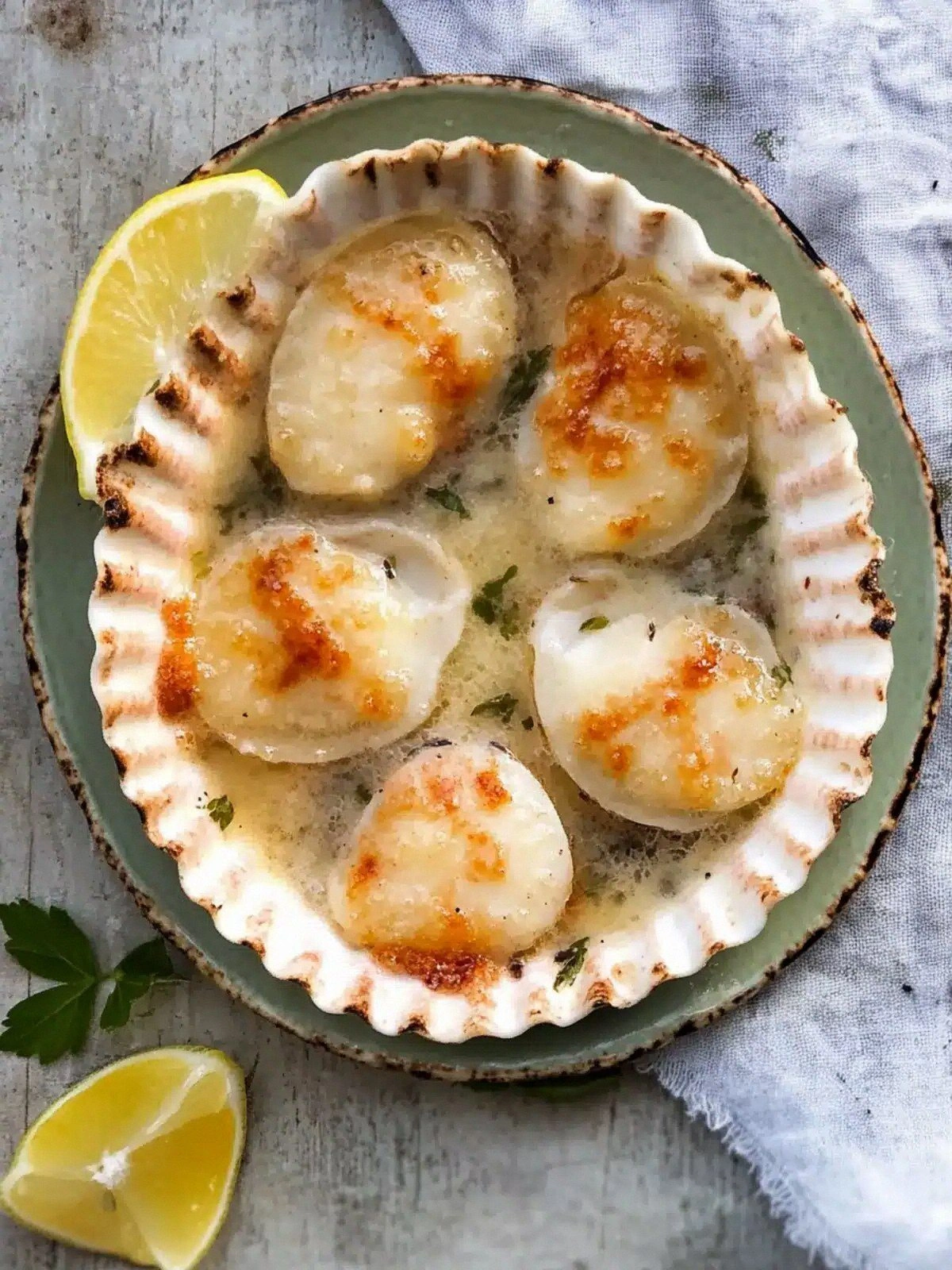
Picture this: the first bite releases a burst of sea‑salted scallop, followed by a silky mushroom sauce that clings to the palate like a velvet blanket. The aroma of butter, wine, and fresh herbs fills the room, and the sound of the crust cracking as you lift a spoon is music to any foodie’s ears. The texture is a glorious contrast—tender seafood, crisp breadcrumb topping, and a creamy sauce that glistens in the light. Every element is tuned to perfection, so you never have to settle for “good” when you can have “mind‑blowing.”
What makes this version stand out from every other recipe out there is the meticulous layering of flavors and the use of simple techniques that amplify each ingredient’s natural strengths. I dared you to taste this and not go back for seconds; this dish is hands down the best version you’ll ever make at home. I’ll be honest—I ate half the batch before anyone else got a chance to try it—because the combination of buttery sauce and cheesy crust is addictive. Most recipes get this completely wrong, but here’s what actually works: the right ratio of butter to wine, the precise timing of the shrimp, and the secret step of letting the sauce thicken on the stovetop before baking.
If you’ve ever struggled with balancing seafood and sauce, you’re not alone—and I’ve got the fix. Picture yourself pulling this out of the oven, the whole kitchen smelling incredible, and a plate that looks like it belongs in a Michelin‑star restaurant. The moment you plate it, the golden crust shimmers, the steam rises, and you can hear the sigh of delight from your guests. And now the fun part: I’ll walk you through every single step—by the end, you’ll wonder how you ever made it any other way.
What Makes This Version Stand Out
Flavor Fusion: The combination of scallops, shrimp, and mushrooms creates a layered seafood experience that is both complex and harmonious. The white wine deglazes the pan, lifting the aromatic bits and infusing the sauce with depth.
Texture Contrast: The silky sauce meets the crisp breadcrumb topping, producing a delightful bite that satisfies both the soft and crunchy cravings in your palate.
Ingredient Quality: Fresh scallops and shrimp are the backbone of this dish; their delicate flavor is amplified by the buttery sauce and the sharpness of Gruyère.
Simple Technique: The method is straightforward—no elaborate steps, just a few key moves that produce a restaurant‑grade finish.
Make‑Ahead Potential: Assemble the dish a day ahead, refrigerate, and bake just before serving. The flavors meld, and the crust remains crisp.
Visual Appeal: The golden crust and the glistening sauce make this dish Instagram‑ready, ensuring that your guests will be as excited about the look as they are about the taste.
Time Efficiency: Prep takes only 15 minutes, cooking 30 minutes, and the total time is a comfortable 45 minutes—perfect for a weekday dinner.
Audience Impact: Guests rave about the dish, and the host often receives compliments on the “wow” factor that comes from a seemingly simple entrée.
Alright, let's break down exactly what goes into this masterpiece…
Inside the Ingredient List
The Flavor Base
Onion, butter, and white wine form the aromatic foundation of the sauce. The onion is diced finely so it caramelizes gently, releasing natural sugars that sweeten the broth. Butter adds richness, while the wine deglazes the pan, lifting the browned bits that carry flavor. Skipping the wine would leave the sauce flat; the acidity also balances the sweetness of the onions.
If you’re avoiding alcohol, a splash of dry white grape juice or even a touch of lemon juice can mimic the wine’s brightness. A tip: keep the wine at room temperature to avoid shocking the butter’s temperature and causing separation. The best onions for this are sweet varieties like Vidalia, which mellow into a subtle caramel when sautéed.
The Texture Crew
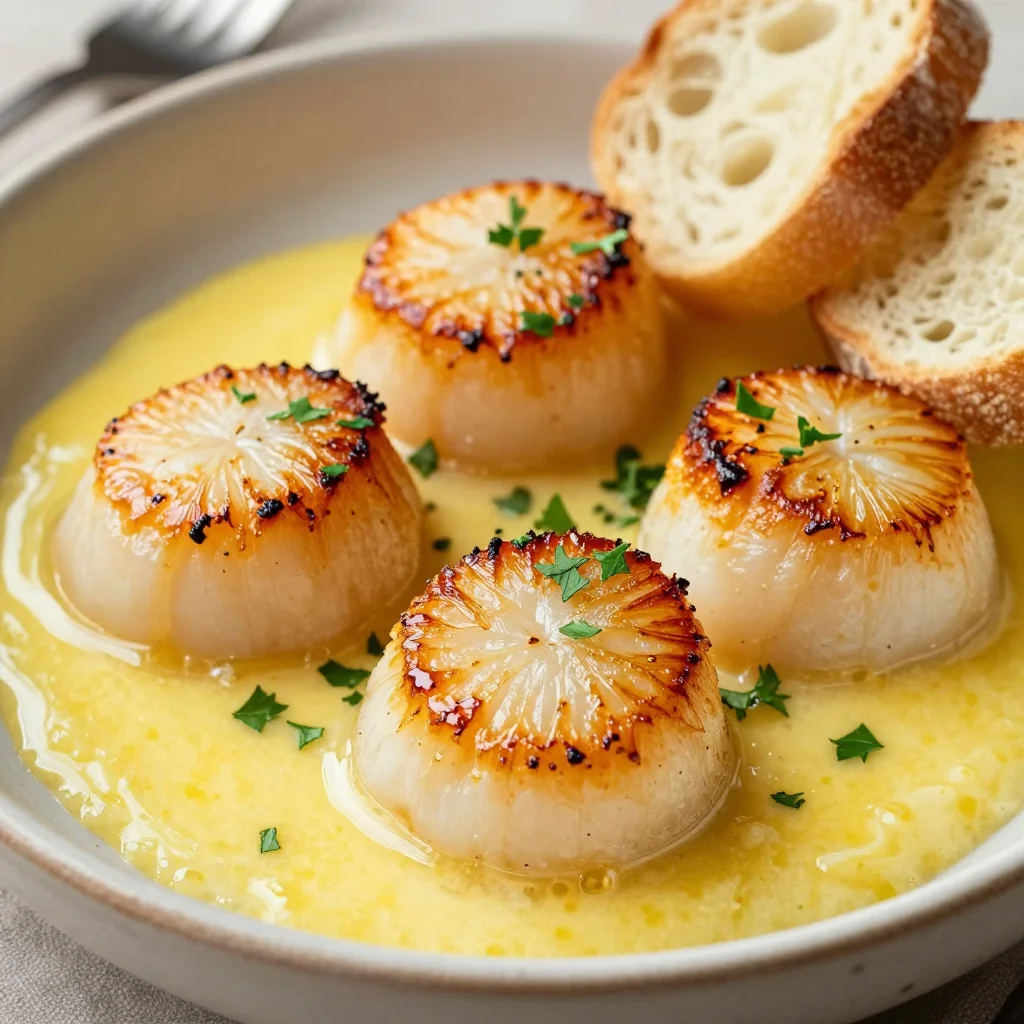
Scallops and shrimp are the star proteins. Scallops provide a sweet, buttery bite, while shrimp adds a firmer texture and a subtle brine. Together they create a layered seafood experience that is both luxurious and approachable. The key to their success is quick searing; overcooking will make them rubbery.
Use a high heat pan and let the seafood sit undisturbed for 2–3 minutes on each side. If you prefer a more delicate texture, you can blanch the shrimp first, then finish them in the sauce. A common mistake is adding the seafood too early, which can cause the sauce to become cloudy; add it at the last minute to keep the sauce silky.
The Unexpected Star
Mushrooms bring earthiness and a meaty texture that complements the seafood. They also absorb the wine and butter, turning into a savory sauce that coats the scallops. The type of mushroom matters: cremini or button mushrooms are ideal for their subtle flavor, while portobello adds a deeper umami bite.
If you’re looking for a twist, try adding a handful of dried porcini mushrooms; rehydrate them in warm water and stir them into the sauce for an intense mushroom flavor. Avoid using fresh oyster mushrooms, as their delicate texture can fall apart in the sauce.
The Final Flourish
Gruyère cheese, half and half cream, fresh breadcrumbs, and a splash of lemon juice bring the dish together. The cheese melts into a gooey topping, while the breadcrumbs add crunch. The half and half cream thickens the sauce, making it luxurious and silky. Lemon juice adds a bright acidity that cuts through the richness.
If you’re lactose intolerant, substitute a dairy‑free cheese like vegan Gruyère and use a non‑dairy cream. A pinch of nutmeg can also add warmth to the sauce, but use sparingly to avoid overpowering the seafood.
Everything's prepped? Good. Let's get into the real action…
The Method — Step by Step
- Heat a large, oven‑proof skillet over medium‑high heat. Add 1/4 cup butter and let it foam until it turns a light golden brown. This subtle browning adds depth and prevents the sauce from being too buttery. Once the butter is browned, pour in 1 cup white wine, stirring to deglaze the pan and lift the browned bits from the bottom.
- Add the finely diced medium onion to the skillet. Sauté until translucent and slightly caramelized, about 5 minutes. The onions should release a sweet aroma that mingles with the wine’s acidity. Stir occasionally to prevent sticking; the goal is a smooth, fragrant base.
- Introduce the sliced 8 oz mushrooms into the pan. Cook until they release their moisture and begin to brown, which takes about 4–5 minutes. The mushrooms should become slightly caramelized, adding an earthy richness that anchors the seafood flavors. Keep the heat moderate to avoid burning the mushrooms.
- Whisk in 1/4 cup all‑purpose flour to create a roux. This thickening agent will transform the wine‑onion‑mushroom mixture into a silky sauce. Stir constantly for 2 minutes until the flour is fully incorporated and the mixture turns a pale golden hue. Avoid letting the roux burn; a light color is ideal.
- Slowly pour in 1 cup half and half cream while whisking vigorously. The cream should blend smoothly with the roux, creating a velvety sauce. Let the sauce simmer for 3–4 minutes until it thickens to a consistency that coats the back of a spoon. Taste and adjust seasoning with salt and pepper as needed.
- Add the 1 lb small scallops and 1 lb small shrimp to the skillet. Gently fold them into the sauce, ensuring each piece is coated. Sauté for 2 minutes on each side until the scallops develop a slight golden crust and the shrimp turn opaque. Don’t overcook; the seafood should remain tender and juicy.
- Stir in 2 tbsp chopped fresh parsley and 1 tbsp lemon juice. The parsley adds a fresh herbal note, while the lemon juice brightens the sauce and cuts through the richness. Let the mixture heat through for another minute so the flavors meld together.
- Transfer the entire mixture into a baking dish or keep it in the skillet if it’s oven‑proof. Sprinkle the top evenly with 1 cup Gruyère cheese and 1 cup fresh breadcrumbs or panko. The cheese will melt into a golden crust, and the breadcrumbs will add a satisfying crunch.
- Bake in a preheated 375°F (190°C) oven for 12–15 minutes, or until the cheese is bubbly and the breadcrumbs are golden brown. Keep an eye on the top; it should look like a golden crown atop a sea‑food feast. The sauce should be bubbling gently, indicating it’s ready.
- Remove from the oven and let it rest for 3 minutes before serving. This short rest allows the cheese to set slightly, making it easier to scoop. Serve immediately, garnished with a few extra parsley leaves for a pop of color.
That's it — you did it. But hold on, I've got a few more tricks that'll take this to another level…
Insider Tricks for Flawless Results
The Temperature Rule Nobody Follows
Maintaining the correct oven temperature is crucial for achieving that perfect golden crust. Many cooks set their ovens to 400°F, but this can burn the breadcrumbs before the cheese melts. Set your oven to 375°F and keep a close eye on the top; this temperature allows the cheese to melt smoothly while the breadcrumbs crisp up evenly.
Why Your Nose Knows Best
The aroma of the sauce is an early indicator of doneness. As the sauce simmers, you’ll notice a fragrant, buttery scent that signals the roux has thickened. If the smell becomes overly buttery or metallic, reduce the heat immediately to avoid burning.
The 5-Minute Rest That Changes Everything
Letting the dish rest for 3–5 minutes after baking allows the cheese to set just enough that it doesn’t slide off the spoon. This short pause also lets the flavors meld further, creating a more cohesive taste experience. Skipping this step results in a slightly runny top that can be messy.
The Secret to Crispy Breadcrumbs
Toast the breadcrumbs or panko in a dry skillet before adding them to the dish. Toasting brings out a nutty flavor and ensures they stay crisp even after baking. If you prefer a softer topping, simply sprinkle the breadcrumbs directly without toasting.
The Creamy Finish Hack
If you want an extra silky sauce, finish the dish with a tablespoon of butter stirred in just before baking. This “butter finish” adds a glossy sheen and a richer mouthfeel, making the dish feel indulgent.
Creative Twists and Variations
This recipe is a playground. Here are some of my favorite ways to switch things up:
Mediterranean Spin
Swap the Gruyère for feta cheese and add sun‑dried tomatoes and olives. The briny olives complement the seafood, while the feta adds a tangy bite. This version is perfect for a summer dinner with a Mediterranean vibe.
Smoky Barbecue Twist
Add a tablespoon of smoked paprika to the sauce and use panko breadcrumbs. The smoky flavor pairs wonderfully with the sweet scallops, creating a bold, adventurous dish. Serve with a side of grilled corn for extra smokiness.
Herb Garden Edition
Replace parsley with a mix of thyme, rosemary, and basil. The herbs bring a fresh, aromatic layer that lifts the dish. This variation is ideal for a garden‑to‑table dinner where fresh herbs are in season.
Creamy Mushroom Variation
Omit the shrimp and double the mushrooms, adding a splash of truffle oil at the end. The truffle oil gives an earthy, luxurious aroma that elevates the dish into a gourmet experience. It’s a great option for a special occasion.
Low‑Calorie Upgrade
Use a non‑fat Greek yogurt instead of half and half, and replace the butter with olive oil. This swap reduces the calorie count while keeping the sauce creamy. The yogurt also adds a subtle tang that brightens the dish.
Vegan Version
Substitute plant‑based scallops and shrimp (available at specialty stores), use vegan cheese, and replace butter with coconut oil. The dish remains indulgent and flavorful, catering to plant‑based diners without sacrificing the classic Coquille flavor profile.
Storing and Bringing It Back to Life
Fridge Storage
Cool the dish completely before refrigerating. Store in an airtight container for up to 2 days. When reheating, cover with foil to keep the crumbs crisp. The sauce may thicken slightly; stir gently to restore its silky texture.
Freezer Friendly
After cooling, wrap the dish tightly in plastic wrap and then aluminum foil. Freeze for up to 1 month. Thaw overnight in the refrigerator before reheating. Reheat in a preheated oven at 350°F for 15–20 minutes, or until heated through.
Best Reheating Method
Reheat gently in a low‑heat oven to preserve the crisp crust. Add a splash of water or broth to the pan before reheating; this steams the dish back to perfection and prevents it from drying out. Serve immediately after reheating for the best experience.